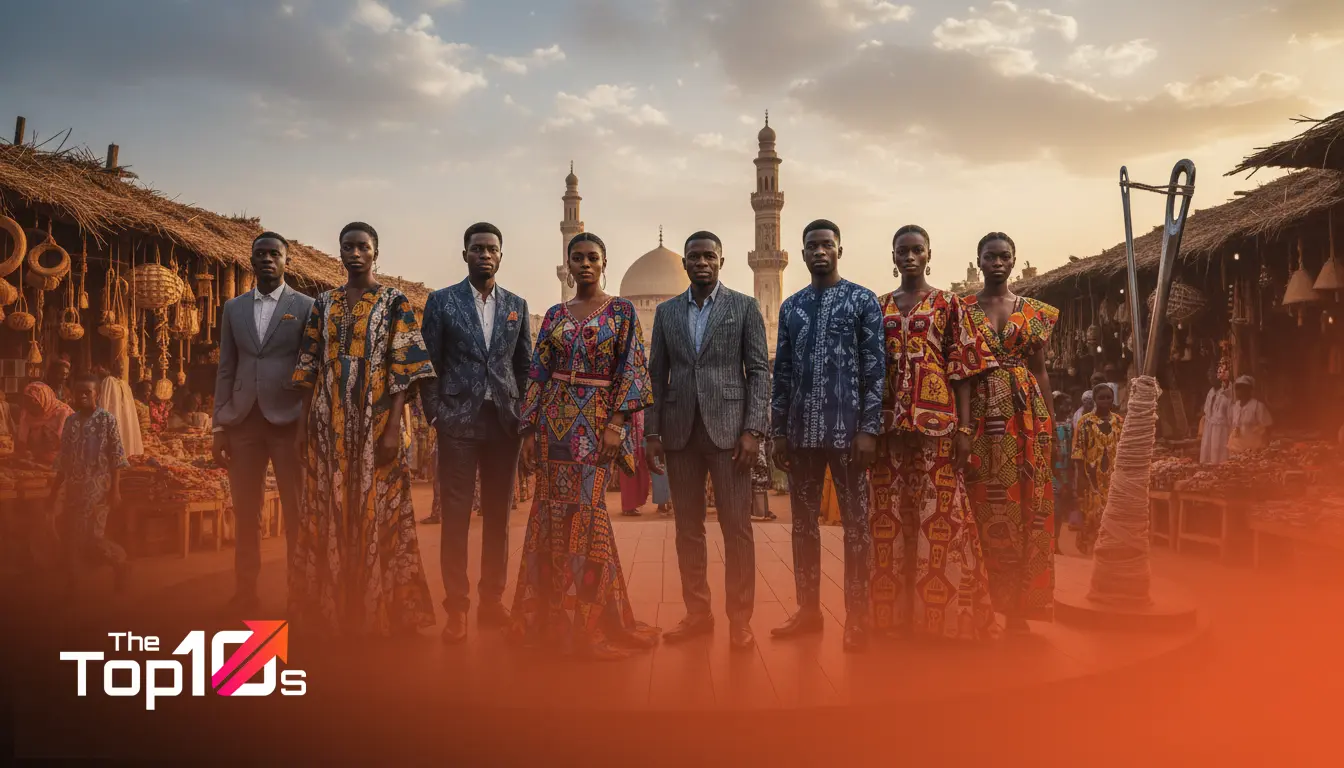
Walk down any street in Bamako on a Friday afternoon, and you witness a living runway. The Malian capital isn’t just a bustling metropolis; it is the beating heart of West African haute couture. The air practically vibrates with the rustle of stiff Bazin Riche and the rich, earthy tones of hand-dyed Bogolan. For anyone looking to elevate their wardrobe, finding the right creative partner here is less about shopping and more about curating an identity.
But with thousands of ateliers and boutiques scattered from Bamako-Coura to ACI 2000, identifying true design excellence requires a keen eye. You aren’t just looking for someone who can sew; you want a visionary who understands the delicate balance between ancestral tradition and contemporary flair. Whether you need a show-stopping bridal ensemble or a sharp, modern suit for international business, the talent pool in this city runs deep.
This guide cuts through the noise. We explore the top fashion designers in Bamako, highlighting the creatives who are currently defining the aesthetic of the Sahel. These are the names whispered at weddings and shouted about on international runways.
Quick Takeaways
- Material Matters: The best designers in Mali define themselves by their mastery of local textiles like Bazin, Bogolan (mud cloth), and Lépi.
- Custom is King: Unlike Western markets dominated by ready-to-wear, Bamako’s fashion scene thrives on bespoke, made-to-measure creations.
- Sustainability: A growing number of local creatives are prioritizing eco-friendly dyes and locally grown cotton.
- Wait Times: High-demand designers often have waiting lists, especially before major holidays like Tabaski or Korité.
How We Identified Leading Fashion Designers
Selecting the most influential figures in Bamako’s fashion scene involves more than just counting Instagram followers. Our methodology focuses on the tangible elements of design and professional reputation. We looked for creatives who demonstrate consistency in their collections, moving beyond “one-hit wonders” to establish a cohesive brand language.
We analyzed craftsmanship quality—specifically how well a designer handles complex embroidery and fabric manipulation, which are hallmarks of Malian luxury. Public reception plays a role, too. We paid attention to which labels are consistently worn by local tastemakers, business leaders, and cultural icons. Finally, we considered the designer’s ability to innovate. Are they simply copying existing styles, or are they pushing the boundaries of what Malian fashion can look like?
List of 10 Best Fashion Designers in Bamako
| SNO | Name | Best For |
|---|---|---|
| 1 | Mariah Bocoum | The modern professional woman seeking global appeal with African roots. |
| 2 | Awa Meité | Eco-conscious consumers and lovers of avant-garde, structural design. |
| 3 | Cheick Oumar (Cheikha) | High-stakes ceremonial wear and luxury evening attire. |
| 4 | Namissa Thera (Ikal Look) | Trend-setters and younger audiences looking for “Instagram-worthy” aesthetics. |
| 5 | Papy Valérie | Men’s bespoke tailoring and contemporary formal wear. |
| 6 | Rokia Yattassaye | Elegant evening gowns and sophisticated casual wear. |
| 7 | House of Soudan | Premium ready-to-wear and quick turnaround requirements. |
| 8 | Mimi Plange (Mali Roots) | International luxury buyers and collectors of fashion art. |
| 9 | Sisters of Afrika | Casual luxury and everyday statement pieces. |
| 10 | Jean Kassim | Minimalists and lovers of understated elegance. |
Top 10 Fashion Designers In Bamako
The following creatives represent a mix of established legends and bold newcomers. Each brings a distinct perspective to apparel, offering something unique depending on your personal style needs.
1. Mariah Bocoum
Mariah Bocoum stands as a pillar in the Malian fashion industry. Her work is often described as a dialogue between the past and the future. She doesn’t just design clothes; she curates cultural artifacts that are wearable. Bocoum is renowned for taking traditional cuts and infusing them with a modern, sometimes Western-influenced sensibility that makes her pieces wearable in Paris, New York, or Bamako.
Her strength lies in versatility. While many local tailors stick rigidly to ceremonial wear, Bocoum’s collections frequently feature flowing maxis, structured jackets, and casual chic ensembles. She is a go-to for women who want to honor their heritage without feeling costumed.
Best For: The modern professional woman seeking global appeal with African roots.
2. Awa Meité
If you care about where your clothes come from, Awa Meité is the name to know. She is more than a designer; she is an advocate for the entire Malian textile supply chain. Meité focuses heavily on local cotton transformation, supporting local weavers and dyers. Her aesthetic is raw, artistic, and deeply connected to the earth.
Her silhouettes often feature loose, comfortable fits that prioritize movement and breathability, crucial for the Sahelian heat. The textures in her work are unmatched, often utilizing hand-spun cotton and natural leather accessories. Wearing Awa Meité makes a statement about supporting the local economy.
Best For: Eco-conscious consumers and lovers of avant-garde, structural design.
3. Cheick Oumar (Cheikha)
For decades, Cheikha has been a defining force in West African fashion. His reputation is built on architectural precision. When you look at a Cheikha piece, the first thing you notice is the structure. He treats fabric like a building material, creating shapes that enhance the wearer’s presence.
He is particularly skilled with Bazin, transforming the stiff, shiny fabric into elegant, fluid forms that defy expectation. His embroidery work is intricate but never overwhelming, striking a balance that appeals to high-end clientele including government officials and celebrities.
Best For: High-stakes ceremonial wear and luxury evening attire.
4. Namissa Thera (Ikal Look)
Namissa Thera brings a youthful, vibrant energy to the Bamako scene under her brand, Ikal Look. She represents the new guard of designers who are fearless with color. While traditional Malian fashion can be conservative, Thera plays with bold contrasts and unexpected accessories.
Her work often incorporates beading and non-traditional materials, mixing them with classic wax prints and cottons. She has a keen eye for accessories, often designing entire looks from head wraps to jewelry, ensuring a cohesive visual impact.
Best For: Trend-setters and younger audiences looking for “Instagram-worthy” aesthetics.
5. Papy Valérie
Specializing in men’s fashion, Papy Valérie has carved out a significant niche in a market often dominated by womenswear. He understands the modern Malian man—someone who respects the Grand Boubou but also needs a sharp blazer for a boardroom meeting.
His tailoring is impeccable. No loose threads, no bunching shoulders. He merges the classic European suit silhouette with African textiles, creating fusion pieces that command respect. His keen attention to fit makes him a favorite for grooms and business executives.
Best For: Men’s bespoke tailoring and contemporary formal wear.
6. Rokia Yattassaye
Rokia Yattassaye is synonymous with elegance. Her designs are often characterized by their femininity and grace. She eschews the overly boxy shapes sometimes found in traditional wear, opting instead for cuts that celebrate the female form.
Her use of Bogolan (mud cloth) is particularly noteworthy. Instead of the rough, heavy finish often associated with the fabric, she sources finer weaves that drape beautifully. Yattassaye proves that rustic fabrics can be transformed into red-carpet luxury.
Best For: Elegant evening gowns and sophisticated casual wear.
7. House of Soudan
While this is a label rather than a single individual, the creative direction behind House of Soudan deserves a spot on this list. They have mastered the art of “Bamako Chic.” Their collections are accessible yet undeniably high-end.
They are particularly strong in ready-to-wear collections, a growing sector in Mali. If you need a high-quality outfit without the weeks-long wait associated with bespoke tailoring, House of Soudan offers exceptional quality off the rack, with minor adjustments done on-site.
Best For: Premium ready-to-wear and quick turnaround requirements.
8. Mimi Plange (Mali Roots)
Though she has gained international fame, Mimi Plange’s influence ripples back to Bamako. Her designs often draw directly from Ndebele and Malian scarification patterns, translating body art into textile design. While she operates globally, her design philosophy is deeply rooted in West African storytelling.
Her pieces are architectural and bold. She is the designer for the person who wants to be the center of conversation. The pricing is higher tier, reflecting the global standard of her brand, but the investment yields collector-item quality.
Best For: International luxury buyers and collectors of fashion art.
9. Sisters of Afrika
This collaborative collective focuses on empowering women through fashion. Their designs are vibrant, utilizing a lot of Wax print and Indigo. What sets them apart is the wearability of their clothes. These are designs meant for movement, work, and daily life, not just special occasions.
They are excellent at mixing prints—a skill that requires a sophisticated eye to avoid clashing. Their kimonos and wrap dresses have become staples for expatriates and locals alike who want comfort without sacrificing style.
Best For: Casual luxury and everyday statement pieces.
10. Jean Kassim
Jean Kassim is a master of minimalism, a trait somewhat rare in a culture that loves maximalist expression. His designs are clean, sharp, and understated. He relies on the quality of the fabric and the precision of the cut rather than heavy embroidery or embellishment.
This approach appeals to a specific clientele who prefer “quiet luxury.” His linen sets and soft cotton tunics are perfect for the Sahelian climate, offering sophistication that whispers rather than shouts.
Best For: Minimalists and lovers of understated elegance.
What Defines a Great Fashion Designer in Bamako?
Understanding the local fashion ecosystem is crucial. In Bamako, a “designer” is often expected to be a technician as well as a visionary. The line between a tailor and a designer can blur, but the distinction lies in the creative process.
A true designer in this city understands the cultural weight of fabrics. For instance, they know that wearing a specific grade of Bazin Riche (like the “Gagnila”) communicates wealth and status. They understand that Bogolan isn’t just a pattern; it carries symbols of protection and history. Great designers innovate within these strict cultural codes. They might take the heavy embroidery usually reserved for a Boubou and apply it to a bomber jacket, bridging the generational gap.
Furthermore, the best creatives possess strong supply chain relationships. They don’t just buy fabric; they know the dyers in the markets of Bamako by name. They source unique hues that you won’t find on the racks of standard fabric sellers. For more insights on sourcing and style, you can visit this resource.
How to Choose the Right Fashion Designer for Your Needs
Selecting a designer is a partnership. To ensure you get exactly what you envision, consider these practical steps before committing to an atelier.
Assess Your Timeline
Time moves differently in the bespoke world. If you have an event in three days, do not approach a high-demand couture designer. Be realistic. Top-tier designers in Bamako often require 2 to 4 weeks for complex commissions, especially during wedding seasons or religious festivals.
Look at the Finishing
When you visit a studio, ask to see a finished garment inside out. The difference between a good tailor and a great designer is often in the lining. Are the seams surged? Is the embroidery backed correctly so it doesn’t scratch the skin? High prices should equal high comfort.
Clarify Sourcing Responsibilities
In Mali, it is common for clients to buy their own fabric and bring it to the designer. However, top designers often prefer to source the fabric themselves to ensure it behaves correctly for the specific design. Clarify this upfront. If you bring a stiff wax print for a design meant for flowing silk, the result will be disappointing.
Frequently Asked Questions
Do Bamako fashion designers sell online?
While digital adoption is growing, many established designers still rely on WhatsApp and physical studio visits. However, younger brands like Ikal Look and Sisters of Afrika often have robust Instagram pages where you can order via direct message. International shipping is becoming more common but can be expensive.
What is the average cost for a bespoke outfit?
Pricing varies wildly based on reputation and complexity. A simple custom dress from a skilled neighborhood creator might cost between 15,000 to 30,000 CFA. However, a fully embroidered Bazin ensemble from a top-tier designer like Cheick Oumar can easily range from 150,000 to over 500,000 CFA, excluding the cost of the fabric itself.
Can I ask for a replica of a Western design?
Technically, yes, but it is often discouraged if you are visiting a high-end designer. These creatives pride themselves on their original aesthetic. It is better to show them the Western style you like as a reference for the silhouette, then allow them to interpret it through their unique Malian lens.
What is the best fabric to wear in Bamako’s heat?
Local cotton is your best friend. Designers like Awa Meité specialize in hand-woven cotton that is incredibly breathable. While Bazin is popular for events, it can be hot; ask your designer to line it with lightweight cotton rather than synthetic polyester to improve comfort.
Next Steps for Your Wardrobe
Exploring the fashion scene in Bamako is an adventure in texture and color. Whether you are looking for the prestige of a heavy Bazin or the artistic flair of modern cotton, the city offers an artisan for every taste. Don’t be afraid to visit the ateliers, touch the fabrics, and discuss your vision directly with the creators.
Start by following the designers listed above on social media to get a feel for their current collections. Then, book a consultation. Fashion here is personal, and the best piece you will ever own is the one made specifically for you.