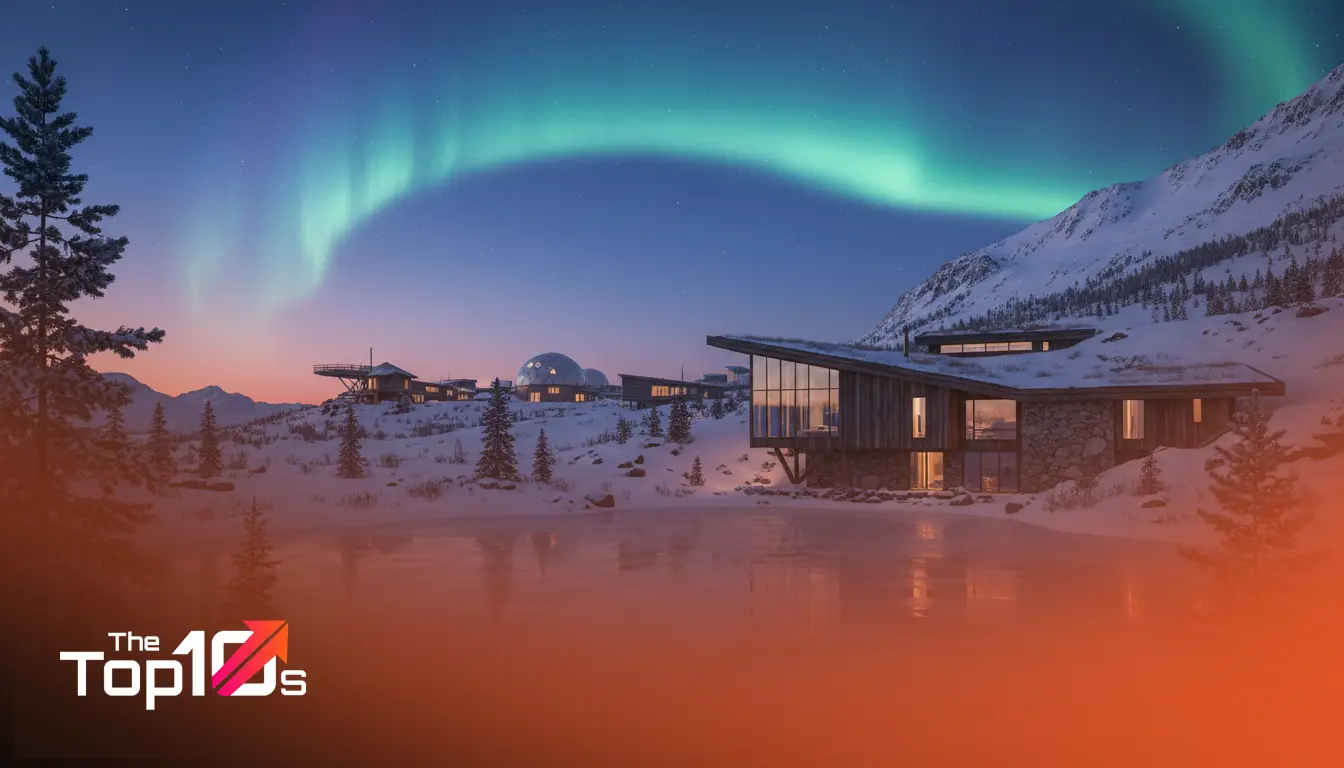
Choosing an architect in Alaska is a decision that extends far beyond aesthetics. In a state defined by its majestic landscapes, extreme climate, and unique logistical challenges, an architect is more than a designer—they are a strategist, a navigator of complex regulations, and a crucial partner in creating structures that are not only beautiful but also resilient, functional, and efficient. The right professional brings a synthesis of creative vision, technical precision, and deep local knowledge to a project, ensuring the final outcome is a sound investment that can withstand the rigors of the Last Frontier.
From navigating permafrost foundations and seismic zones to optimizing for limited daylight and heavy snow loads, the demands placed on Alaskan architecture are immense. An experienced architectural professional in the region understands these nuances intimately. They coordinate with engineers, contractors, and local planning departments to transform a concept into a tangible reality. This guide explores some of the top architects in Alaska, offering insights to help homeowners, developers, and business leaders make an informed decision for their next project.
How We Identified Leading Architects
To assemble this list of distinguished architectural professionals, we conducted a comprehensive review based on publicly available information. Our methodology was designed to identify individuals and firms that demonstrate a strong combination of design acumen, technical skill, and a history of successful project delivery within Alaska’s unique environment. The selection process considered several key signals:
- Depth of Professional Experience: We analyzed the history of firms and the careers of principal architects, noting their longevity and the breadth of projects undertaken within the state.
- Design Specialization and Focus: Consideration was given to firms with clear expertise in relevant areas, such as cold-climate residential design, public and institutional buildings, commercial developments, or sustainable architecture.
- Public Reputation and Industry Standing: We reviewed public-facing portfolios, client testimonials, and professional affiliations to gauge an architect’s standing within the local design and construction community.
- Familiarity with Alaskan Codes and Conditions: A critical factor was evidence of a deep understanding of local building codes, permitting processes, and the environmental challenges specific to different regions of Alaska, from the Southeast panhandle to the Interior.
This list is presented as a researched resource and does not constitute a direct endorsement or certification. The insights are based on general research signals and are intended to provide a starting point for your own due diligence.
Top 10 Architects in Alaska
KPB Architects
With a significant presence in Anchorage, KPB Architects has developed a substantial portfolio of major public and private projects across the state. The firm’s background is rooted in creating large-scale institutional, healthcare, and educational facilities. Their strength lies in managing complex projects that require extensive collaboration between multiple stakeholders, from government agencies to private corporations. Their designs often emphasize functionality, durability, and community integration, reflecting the practical needs of the Alaskan populace. KPB is known for its technical proficiency and systematic approach to project management from initial concept through construction administration.
Who this architect may be best suited for: Public institutions, healthcare organizations, and corporate clients planning large-scale, technically demanding new construction or renovation projects.
Bettisworth North Architects and Planners
A fixture in the Alaskan design community for decades, Bettisworth North operates from offices in Anchorage and Fairbanks, giving them a broad understanding of the state’s diverse regions. The firm’s work spans a wide spectrum, including community planning, landscape architecture, and building design for civic, educational, and commercial clients. Their philosophy often centers on creating spaces that foster community and reflect local identity. A notable strength is their integrated approach, combining architecture with planning to create cohesive and thoughtful environments that serve their users for the long term.
Who this architect may be best suited for: Municipalities, school districts, and developers seeking a holistic approach that integrates building design with site planning and community context.
MRV Architects
Based in Juneau, MRV Architects has cultivated a deep expertise in designing for the unique climate and culture of Southeast Alaska. Their portfolio showcases a wide range of projects, from custom residential homes to prominent civic buildings, often characterized by a sensitivity to the stunning natural surroundings. The firm is recognized for its collaborative process and ability to translate a client’s vision into a buildable reality, even in remote or challenging locations. Their strengths include creative problem-solving and an adept use of materials that respond to the region’s high precipitation and rugged terrain.
Who this architect may be best suited for: Clients in Southeast Alaska seeking custom residential, commercial, or public buildings with a design that is thoughtfully integrated into the local environment.
RIM Architects
RIM Architects is a firm with a significant Alaskan presence as well as offices beyond the state, bringing a combination of local knowledge and broad experience. Their work in Alaska covers hospitality, commercial, healthcare, and aviation sectors. They are known for delivering highly functional and technically sound buildings that meet the specific operational needs of their clients. One of their key strengths is navigating the logistical complexities of building in Alaska, including material procurement and construction in remote areas. Their design approach is often focused on efficiency, performance, and creating a strong brand identity for their commercial clients.
Who this architect may be best suited for: Businesses in the hospitality, aviation, and commercial sectors requiring an architect with deep logistical expertise and experience in performance-driven design.
McCool Carlson Green (MCG)
McCool Carlson Green, located in Anchorage, has earned a reputation for design excellence and innovation, particularly in the realm of public and educational facilities. Their work often features a modern aesthetic that is nonetheless responsive to Alaska’s environment and cultural heritage. The firm’s strength is its design-forward approach, which seeks to create inspiring and engaging spaces for learning, working, and community gathering. They are adept at incorporating sustainable design principles and advanced building technologies into their projects, pushing the boundaries of what is possible in a northern climate.
Who this architect may be best suited for: Educational institutions, cultural organizations, and public clients looking for innovative, award-caliber design that makes a strong architectural statement.
Livingston Slone
This Anchorage-based firm has a long history of providing architectural and engineering services throughout Alaska. Livingston Slone’s portfolio is diverse, with a significant focus on federal and military projects, as well as healthcare and technical facilities. Their core strength lies in their integrated, multidisciplinary approach, with architects and engineers working closely together under one roof. This facilitates a high degree of technical coordination and precision, which is essential for complex projects with stringent performance requirements, such as laboratories and medical centers.
Who this architect may be best suited for: Government agencies, military clients, and healthcare providers needing a firm with robust in-house engineering capabilities and experience with technically complex facilities.
EET_A
Formerly known as ECI, EET_A is an Anchorage firm with a strong focus on community-centric projects, including schools, libraries, and public safety buildings, particularly in rural and remote Alaska. They have extensive experience working with Alaska Native corporations and tribal governments, demonstrating a capacity for culturally sensitive design and meaningful community engagement. A key strength is their deep understanding of the social and logistical fabric of rural Alaska, allowing them to design buildings that are not only functional but also respected hubs of community life.
Who this architect may be best suited for: Tribal governments, rural school districts, and non-profits seeking a collaborative partner with proven experience in remote and culturally specific projects.
NVISION Architecture
NVISION Architecture in Anchorage has carved out a niche in commercial, retail, and custom residential design. The firm is known for its client-focused process, working to create spaces that are both aesthetically pleasing and aligned with the client’s operational or lifestyle goals. They bring a fresh, contemporary perspective to their projects. Their strengths include a nimble and responsive service model, making them a good fit for private developers and homeowners who value direct communication and a personalized design experience.
Who this architect may be best suited for: Private business owners, commercial developers, and individuals planning a custom home who are looking for a collaborative and modern design approach.
Stantec
As a large, international design firm with a significant local presence in Anchorage and Fairbanks, Stantec offers a vast pool of resources and specialized expertise. Their Alaskan portfolio is extensive, covering everything from transportation and industrial facilities to community buildings and environmental planning. Their primary strength is their ability to leverage global expertise and apply it to local challenges. They can assemble highly specialized teams to tackle exceptionally complex or large-scale infrastructure and building projects that might be beyond the scope of smaller, local firms.
Who this architect may be best suited for: Clients with large-scale infrastructure, industrial, or highly specialized projects that require the deep resources of a major international firm.
Mayer Sattler-Smith
This firm has developed a strong reputation for thoughtful and refined design, with a particular focus on custom residential and smaller-scale commercial and civic projects. Based in the Mat-Su Valley, they bring a keen eye for detail and a commitment to craft. Their work often displays a clean, modern sensibility that is carefully adapted to the Alaskan landscape and climate. A defining strength is their ability to create beautifully detailed and highly livable spaces, demonstrating that functional, resilient design can also be elegant and inspiring.
Who this architect may be best suited for: Homeowners seeking a high-end custom residence or clients with smaller commercial projects who prioritize meticulous design and a high level of craftsmanship.
What Defines a Great Architect in Alaska?
Beyond a strong portfolio, a great architect in Alaska possesses a unique set of skills tailored to the state’s demands. Their work is a constant negotiation between human needs and the power of nature.
- Mastery of Cold-Climate Design: This is non-negotiable. It involves deep knowledge of building science, including thermal bridging, vapor barriers, super-insulation, and passive solar strategies. The goal is to create a building that is warm, dry, energy-efficient, and durable against extreme temperature swings.
- Site-Specific Solutions: A great architect doesn’t apply a one-size-fits-all solution. They conduct thorough site analysis to address issues like permafrost, seismic risks, wind patterns, and snow accumulation, designing foundations, rooflines, and building orientations that respond directly to the land.
- Logistical Ingenuity: Building materials and labor can be extraordinarily expensive and difficult to transport to many parts of Alaska. A skilled architect designs with logistics in mind, potentially favoring prefabricated components or locally sourced materials to manage costs and timelines.
- Aesthetic Harmony with the Environment: The best Alaskan architecture complements, rather than competes with, the breathtaking natural scenery. This can be achieved through material choices (like timber and stone), building forms that echo the landscape, and large windows that frame iconic views and maximize natural light.
How to Choose the Right Architect for Your Needs
Selecting the right architect is a critical first step. Your final decision should be based on a combination of credentials, chemistry, and a clear alignment of vision. Here is a practical approach to making your choice.
1. Define Your Project Scope and Vision: Before you start interviews, have a clear idea of what you want to build, your approximate budget, and your desired timeline. Think about your functional needs and your aesthetic preferences.
2. Research and Review Portfolios: Look for architects whose past work resonates with you. Pay close attention to projects that are similar in scale and type to your own. A firm that specializes in large commercial buildings may not be the best fit for a custom remote cabin, and vice versa.
3. Ask Probing Questions: During your initial conversations, go beyond the basics. Ask questions like:
- “Can you describe your experience with projects in this specific region of Alaska?”
- “How do you approach the challenges of our local climate and ground conditions?”
- “What is your process for client communication and collaboration throughout the design phases?”
- “How do you manage project budgets and handle unforeseen costs or delays?”
4. Check Professional Standing: Ensure any architect you consider is licensed to practice in the State of Alaska. You can look up licensing information through the state’s professional licensing division.
5. Understand the Fit: The architect-client relationship is a long-term partnership. Choose someone you communicate well with and whose design philosophy aligns with your goals. The logistical and environmental considerations in Alaska are vastly different from those you might find when reviewing top 10 architects in Alabama, making local expertise and a strong working relationship critical factors.
Frequently Asked Questions
How much does it cost to hire an architect in Alaska?
Architectural fees in Alaska, as elsewhere, vary widely based on the project’s scope, complexity, and the architect’s experience. Fees are typically structured as a percentage of the total construction cost (often 8-15%), a fixed fee, or an hourly rate. It’s essential to discuss the fee structure upfront and ensure it is clearly outlined in your contract.
What is the single most important factor in Alaskan building design?
While many factors are critical, performance in a cold climate is arguably the most important. A building’s ability to provide a warm, dry, and safe interior environment while being energy-efficient and durable against extreme weather is the fundamental challenge that underpins all successful Alaskan architecture.
Do I need an architect for a small remodel or addition?
For minor cosmetic updates, you may not need an architect. However, for any project that involves changing the building’s structure, altering its footprint, or requiring a building permit, hiring an architect is highly advisable. They ensure the design is safe, compliant with codes, and well-integrated with the existing structure.
How long does the design phase typically take in Alaska?
The design phase can take anywhere from a few months to over a year, depending on the project’s complexity. In Alaska, it’s often strategic to complete the design and permitting process during the fall and winter months to be “shovel-ready” for the short summer construction season.
What are the key differences between building in Anchorage versus a remote village?
The differences are immense. Building in Anchorage offers access to a wider range of materials, labor, and established infrastructure. Building in a remote village involves extreme logistical challenges, including barging or flying in all materials and equipment. The design must be simpler, more robust, and planned with an intimate understanding of local conditions and limited resources.
Conclusion
The decision to build in Alaska is an ambitious one, and the architect you choose is your most important ally in this endeavor. The right professional brings more than just a blueprint; they provide foresight, expertise in a challenging environment, and the collaborative spirit needed to navigate a project from a simple idea to a fully realized structure. By prioritizing local knowledge, technical proficiency, and a shared vision, you can find a partner who will help you create a building that is not only visually striking but also a lasting, resilient, and valuable addition to the Alaskan landscape.