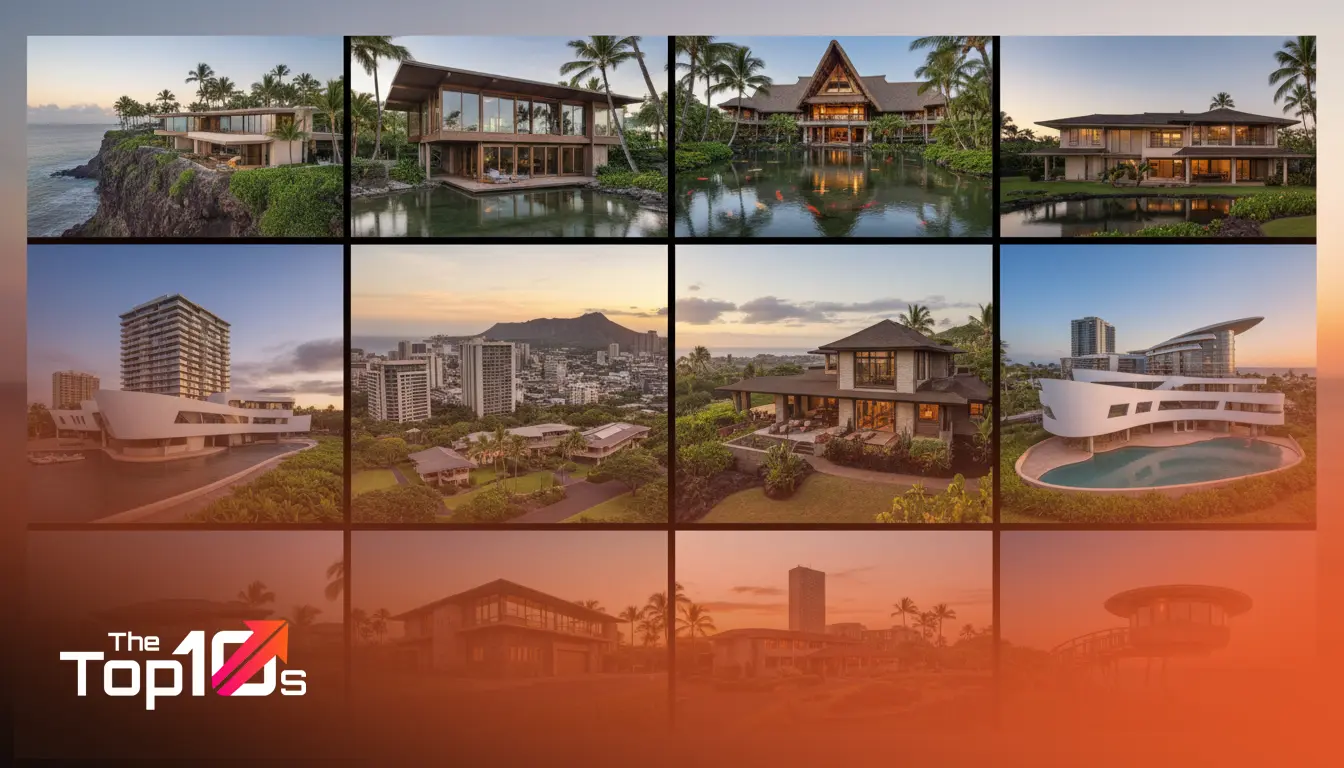
Choosing an architect in Hawaii is a decision that extends far beyond floor plans and building materials; it is an investment in a vision that must harmonize with one of the world’s most unique and delicate ecosystems. The process involves entrusting a professional with translating aspirations into a tangible structure that respects the islands’ culture, climate, and natural beauty. The difference between a successful project and a challenging one often lies in an architect’s ability to blend creative design with deep regulatory knowledge, facilitate clear communication, and expertly coordinate the complex logistics of building in an island state. Finding experienced architectural professionals in Hawaii means seeking partners who understand how to navigate land use ordinances, manage material sourcing, and design structures that are both resilient and breathtaking. An architect’s role is not just to design a building, but to guide a project from a conceptual dream to a functional, enduring reality.
How We Identified Leading Architects
This guide was developed by synthesizing publicly available information to identify some of the top architects in Hawaii. Our approach is based on a comprehensive review of signals that indicate professional expertise, client satisfaction, and industry recognition. We focused on several key areas to form our insights. The depth of an architect’s experience was considered, looking at the breadth and complexity of their project portfolios across residential, commercial, and institutional sectors. We also took into account educational backgrounds, professional licensure, and a firm’s stated design focus or philosophy.
Public reputation was another critical factor, analyzed through trends in client feedback, project showcases, and professional articles. The affiliations of these architects, whether they lead their own independent practice or are principals at established firms, provided context on their operational scale and collaborative resources. Crucially, we noted their familiarity with Hawaii’s specific building codes, environmental regulations, and unique zoning challenges. The overall professional standing of these architects within the local design and construction community helped round out our perspective. This list is a reflection of these research signals, intended to provide a starting point for your own due diligence, not as a direct endorsement or verification of credentials.
Top 10 Architects in Hawaii
De Reus Architects
With a portfolio that speaks to luxury and environmental sensitivity, De Reus Architects is a name synonymous with high-end residential and resort design in tropical locations. The firm, led by Mark de Reus, has cultivated a reputation over several decades for creating structures that feel deeply connected to their surroundings. Their work often features natural materials, expansive openings for seamless indoor-outdoor living, and a modern aesthetic that is both clean and warm. Specializing in what is often termed “tropical modernism,” the firm demonstrates a mastery of site-specific design, ensuring that each project responds thoughtfully to its unique landscape, views, and climate. Their strength lies in combining sophisticated design with a profound respect for the ‘aina (land). This firm is an excellent choice for clients seeking to create a world-class legacy estate or boutique resort that prioritizes architectural excellence and a deep sense of place.
Peter Vincent Architects (PVA)
For over 30 years, Peter Vincent Architects has been a cornerstone of the architectural community in Honolulu and beyond. The firm’s work is characterized by its versatility, spanning custom residential homes, commercial interiors, retail spaces, and large-scale hospitality projects. This breadth of experience provides them with a robust understanding of different project types and client needs. PVA’s design philosophy often balances timeless Hawaiian architectural principles with contemporary functionality. They are known for their meticulous attention to detail and a collaborative approach that keeps clients closely involved throughout the design and construction process. Their notable strength is their ability to deliver sophisticated and highly functional designs across a wide spectrum of project scales and budgets. PVA may be best suited for clients, from homeowners to commercial developers, who value a well-established firm with a proven track record and a deep, nuanced understanding of the local market.
Walker Warner Architects
While based in California, Walker Warner Architects has produced some of the most stunning and celebrated contemporary residential architecture in Hawaii. Their work on the islands is a masterclass in site-specific design, where structures are carefully crafted to integrate with dramatic coastal bluffs, lush volcanic landscapes, and serene shorelines. The firm’s principals, Brooks Walker and Greg Warner, guide a process that emphasizes simplicity, material honesty, and sustainability. Their Hawaiian projects are recognized for their powerful forms, elegant use of natural wood and stone, and innovative solutions for natural ventilation and light. Their key strength is the ability to create architecture that is both monumental in its vision and intimate in its human scale. This firm is an ideal match for discerning clients with exceptional sites who are looking to create a piece of landmark residential architecture that is both bold and deeply respectful of its natural setting.
Architects Hawaii Ltd. (AHL)
As one of the oldest and largest architectural firms in the Pacific, Architects Hawaii Ltd. (AHL) brings an unparalleled depth of experience to the table. Founded in 1946, AHL has played a significant role in shaping modern Hawaii, with a vast portfolio that includes major commercial towers, healthcare facilities, educational campuses, and civic buildings. Their specialization is broad, covering nearly every facet of the built environment. AHL’s strength is its multi-disciplinary approach, offering integrated services that include interior design, planning, and sustainable consulting. They are known for their technical proficiency and their ability to manage large, complex projects with many stakeholders. AHL is best suited for corporate, institutional, and government clients who require a full-service firm with the resources and experience to handle large-scale, technically demanding projects from initial planning through to completion.
Bohlin Cywinski Jackson (BCJ)
Bohlin Cywinski Jackson is an internationally recognized firm with a significant body of work in Hawaii, particularly in the realm of extraordinary private residences. While their portfolio includes iconic public and commercial projects around the world (including many Apple Stores), their approach to residential design is deeply personal and site-sensitive. In Hawaii, BCJ’s work is characterized by an exquisite level of craft, an innovative use of materials, and a design process that explores the phenomenological experience of a place. Their homes are designed to respond to the changing qualities of light, air, and landscape. The firm’s primary strength lies in its ability to translate a client’s personal vision into architecture of exceptional quality and timeless appeal. Clients seeking a truly bespoke, meticulously detailed home that pushes the boundaries of design and construction will find a strong partner in BCJ.
G70
G70 is a Honolulu-based, multi-disciplinary design firm that has been deeply involved in planning and designing for Hawaii’s future for over five decades. Their work is grounded in a commitment to sustainability and cultural awareness, integrating planning, architecture, landscape architecture, and civil engineering. G70 specializes in projects that require a holistic approach, from large-scale master planning for communities and resorts to complex institutional and commercial developments. Their key strength is their integrated, collaborative process and their focus on creating resilient and culturally appropriate design solutions. They are a leader in sustainable design practices tailored to the Hawaiian context. G70 is an excellent fit for developers, community organizations, and institutions focused on long-term, sustainable development that positively impacts the community and environment.
McClean Design
Another California-based firm with a powerful presence in Hawaii’s luxury real estate market, McClean Design is renowned for its glamorous and sophisticated take on modernism. Led by Paul McClean, the firm specializes in creating spectacular homes that erase the boundaries between inside and out, often featuring dramatic water features, soaring walls of glass, and incredible ocean views. Their designs are characterized by clean lines, a commitment to a minimalist material palette, and an emphasis on creating spaces perfect for entertaining. The firm’s notable strength is its ability to design homes that are both incredibly luxurious and effortlessly comfortable. McClean Design is best suited for clients who desire a show-stopping contemporary home that embodies the pinnacle of modern luxury living and makes the most of a dramatic coastal site.
Workshop-HI
Representing a more recent wave of architectural talent in Honolulu, Workshop-HI brings a fresh, craft-focused perspective to its projects. The firm engages in a diverse range of work, from thoughtful residential renovations and custom homes to creative commercial and community spaces. Their approach is hands-on and collaborative, often exploring innovative uses of common materials and celebrating the process of construction itself. They are known for creating designs that are clever, efficient, and imbued with a distinct sense of personality and place. The firm’s core strength is its design agility and its ability to deliver highly creative, budget-conscious solutions without sacrificing architectural integrity. Workshop-HI is a great choice for clients who appreciate a contemporary, design-forward aesthetic and are looking for a close, collaborative relationship with their architect to create a unique and personal space.
MW Group
MW Group is a versatile firm that provides integrated architecture, engineering, and construction services, offering a streamlined project delivery model. With a history in Hawaii stretching back decades, they have a diverse portfolio that includes government projects, commercial buildings, industrial facilities, and residential developments. Their specialization lies in managing projects where tight coordination between design and construction is critical for success, such as design-build contracts. The firm’s primary strength is its comprehensive, in-house capabilities, which can lead to greater efficiency and cost control. MW Group is an ideal partner for clients in the commercial, industrial, or governmental sectors who are looking for a single-source responsibility firm to take their project from concept to turnkey delivery.
Olson Kundig
Based in the Pacific Northwest but with a significant and growing number of projects in Hawaii, Olson Kundig is celebrated for its rugged yet refined architectural style. Led by principals like Tom Kundig and Jim Olson, the firm creates buildings that are deeply connected to the landscape and often feature innovative, kinetic elements—like moving walls or retractable roofs—that allow inhabitants to modulate their connection to the environment. Their work in Hawaii masterfully adapts this philosophy to the tropical climate, using raw, resilient materials like board-formed concrete, steel, and wood to create homes that are both tough and poetic. Their distinct strength is in creating “architecture as an experience,” where the building itself is an interactive and dynamic part of living. This firm is best suited for clients who are drawn to a powerful, industrial-tinged aesthetic and want a home that is a unique and engaging work of art.
What Defines a Great Architect in Hawaii?
Exceptional architecture in Hawaii is a delicate balance of art, science, and cultural reverence. It goes far beyond creating a visually appealing structure. A great architect here understands the unique “spirit of place,” or genius loci, and designs in a way that honors it. This involves a deep understanding of local architectural traditions, like the Kamaʻaina style, which emphasized wide eaves, lanais, and excellent cross-ventilation long before “sustainability” became a buzzword.
Functionality, aesthetics, and sustainability form a critical triad. Designs must withstand the challenges of the tropical climate—from intense sun and humidity to corrosive salt air and the potential for hurricanes. This means specifying durable materials and designing for resilience. Sustainability is not just an option but a responsibility, involving passive cooling strategies, rainwater harvesting, and the use of locally sourced materials where possible. A great architect in Hawaii also excels at client communication, serving as a translator and guide through the complexities of the design and permitting process. They leverage technology like 3D modeling and Building Information Modeling (BIM) to help clients visualize the final product and coordinate with engineers and builders effectively, ensuring the final structure is not just a passing trend but a valuable, livable, and enduring piece of the Hawaiian landscape.
How to Choose the Right Architect for Your Needs
Selecting the right architect is one of the most critical decisions you will make for your project. The ideal partner will not only have the technical skill and creative vision but also a working style and communication approach that aligns with yours. Here are some actionable steps to guide your choice:
First, clearly define your project scope, budget, and goals. Are you building a small family home, a commercial space, or a luxury retreat? Knowing what you want to achieve helps you narrow down architects who specialize in that area. Next, evaluate portfolios not just for their beauty, but for their problem-solving. Look for projects similar to yours in scale and complexity. How did the architect address site constraints? Does the work show a consistent philosophy that resonates with you?
Prepare a list of questions to ask potential architects during an initial consultation. Inquire about their design process, their fee structure (e.g., percentage of construction cost, hourly, or fixed fee), and how they handle budget and timeline management. Ask about their experience with your specific island’s planning and permitting department, as local knowledge is invaluable. While the environmental and regulatory specifics are unique to the islands, the core principles of vetting a professional are universal, whether you are reviewing the top 10 architects in Georgia or here in Hawaii. Finally, check references. Speaking with past clients can provide unparalleled insight into what it is truly like to work with the architect, from their communication habits to their ability to navigate the inevitable challenges of construction.
Frequently Asked Questions
What is the typical cost for architectural services in Hawaii?
Architectural fees in Hawaii can vary widely based on the project’s complexity, the architect’s experience, and the scope of services. Fees are often structured as a percentage of the total construction cost, typically ranging from 8% to 15% for new residential construction. For smaller projects or renovations, architects might charge an hourly rate or a fixed fee.
How long does the architectural design and permitting process usually take in Hawaii?
The timeline is highly variable. A simple residential project might take 6 to 12 months for design and permitting, while a complex custom home or commercial project can take much longer. Permitting timelines differ by county (e.g., Honolulu, Maui, Kauai, Hawaii County) and can be a significant portion of this pre-construction phase.
What is “tropical modernism” and why is it popular in Hawaii?
Tropical modernism is an architectural style that combines the clean lines and open floor plans of modernism with design strategies suited for a tropical climate. This includes features like deep roof overhangs for shade, large operable windows and doors for natural ventilation, indoor-outdoor living spaces like lanais, and the use of natural, resilient materials like wood, stone, and concrete.
Do I need an architect who lives on the same island as my project?
While not strictly necessary, having an architect with a strong local presence can be highly beneficial. They will have established relationships with local contractors, engineers, and permitting officials, and a more intuitive understanding of the specific microclimate and logistical challenges of building on that particular island.
How do architects in Hawaii design for hurricane and seismic risks?
Architects work closely with structural engineers to design buildings that comply with and often exceed Hawaii’s strict building codes for hurricane and seismic events. This involves specifying impact-resistant windows and doors, using robust structural connections (like hurricane ties), and designing foundations and building frames to withstand lateral forces from wind and ground shaking.
Is it more expensive to build a custom home in Hawaii compared to the mainland?
Generally, yes. Construction costs in Hawaii are significantly higher than in most of the U.S. mainland. This is due to the high cost of labor, the need to ship in most building materials, and the complex logistics of building in a remote island location.
Conclusion
The journey to creating a new space in Hawaii is as much about the process as it is about the outcome. The selection of an architect is the foundational step that shapes this entire journey. The right professional does more than draw plans; they act as your advocate, creative partner, and expert navigator through a complex landscape of design choices, regulatory hurdles, and construction realities. By prioritizing deep research, conducting thorough interviews, and aligning your vision with an architect’s expertise and communication style, you set the stage for a successful collaboration. A well-designed building in Hawaii is a legacy—a structure that not only meets your needs but also contributes positively to its stunning natural and cultural environment for decades to come.