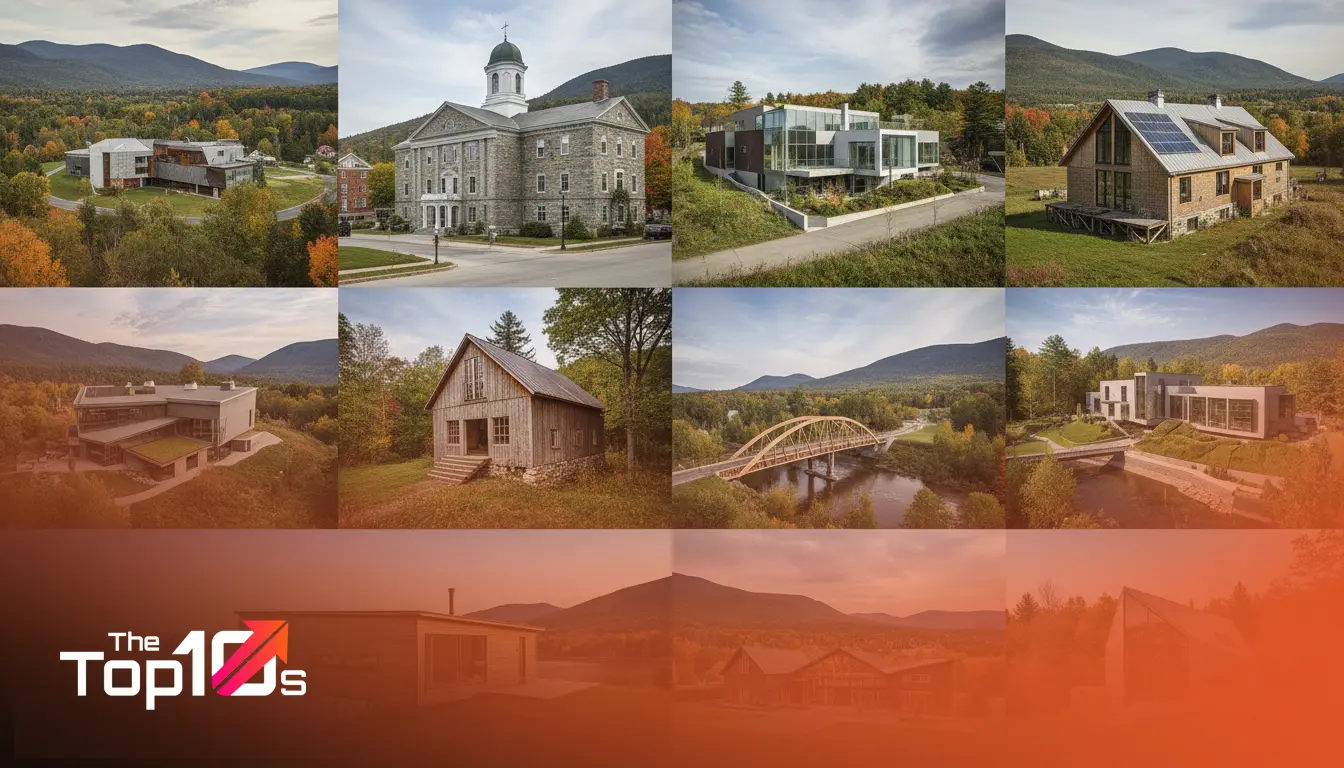
Choosing an architect in Vermont is a foundational decision that shapes not just a structure, but also your investment, daily experience, and interaction with the state’s unique landscape. The right professional brings more than just a blueprint to the table; they offer a blend of creative vision, technical precision, and an intimate understanding of Vermont’s challenging climate and stringent regulatory environment. Success in a building project, whether it’s a modern lakeside home, a commercial space in Burlington, or the renovation of a historic farmhouse, hinges on an architect’s ability to translate your goals into a functional, beautiful, and compliant reality. This guide explores some of the most respected architectural professionals in the Green Mountain State, providing insights to help you find the perfect partner for your project.
How We Identified Leading Architects
Our methodology for identifying leading architects in Vermont is grounded in a comprehensive analysis of publicly available information. We did not conduct direct interviews or verifications but instead focused on research signals that indicate a strong professional standing and a history of significant work. Our process considered several key factors: the depth and breadth of professional experience, the firm’s design focus and specializations, and the overall public and industry reputation. We reviewed portfolios for design innovation and technical execution, while also taking into account familiarity with Vermont’s specific zoning laws, environmental regulations, and building codes. The professionals included in this list are consistently associated with high-quality design, thoughtful planning, and a strong presence within the local design and construction community, reflecting a pattern of recognized expertise and client satisfaction.
Top 10 Architects in Vermont
Birdseye
With a portfolio that masterfully blends modern aesthetics with rugged Vermont landscapes, Birdseye has established a reputation for creating breathtaking residential architecture. Operating for several decades, the firm functions as a cohesive team of architects and builders, offering a uniquely integrated approach to design and construction. Their work is characterized by clean lines, natural materials like wood and stone, and large glass installations that frame the surrounding scenery. This integrated practice allows for exceptional quality control and a seamless transition from concept to completion. Birdseye is an ideal choice for clients seeking a high-end, contemporary home that feels deeply connected to its natural environment, where the architecture itself becomes a work of art.
Maclay Architects
At the forefront of sustainable and net-zero energy design, Maclay Architects is a firm driven by a mission to create buildings that are as environmentally responsible as they are beautiful. With extensive experience spanning over four decades, their work is rooted in the principles of building science and renewable energy. They specialize in projects that achieve the highest standards of energy efficiency, from passively heated homes to large-scale institutional buildings powered by solar. The firm’s expertise extends to deep energy retrofits and the use of healthy, non-toxic materials. Clients who prioritize long-term sustainability, energy independence, and a minimal carbon footprint will find a deeply aligned partner in Maclay Architects.
TruexCullins
Based in Burlington, TruexCullins is a multifaceted architecture and interior design firm with a broad and impressive portfolio. Their experience covers a wide spectrum, including custom residential homes, hospitality projects, corporate workplaces, and retail spaces. This diversity of work demonstrates a remarkable adaptability and a deep understanding of different project types and client needs. The firm is known for its collaborative process, working closely with clients to develop designs that are both functional and inspiring. Whether designing a chic downtown restaurant or a comfortable family home, their approach is consistently thoughtful and detail-oriented. TruexCullins is well-suited for clients seeking a comprehensive design solution from a single, highly experienced firm that can manage both architectural and interior design with finesse.
Smith & Vansant Architects
For those who appreciate the enduring appeal of traditional New England architecture, Smith & Vansant Architects offers unparalleled expertise. With a practice built over many years, the firm specializes in designing homes that honor historical precedent while incorporating modern amenities and building practices. Their portfolio features elegant farmhouses, classic shingle-style homes, and meticulous historic restorations that feel both timeless and comfortable. The firm is recognized for its deep knowledge of classical proportions, authentic materials, and fine craftsmanship. They excel at creating spaces that feel as if they have always been a part of the landscape. Smith & Vansant is the go-to choice for clients dreaming of a home with classic character, warmth, and enduring grace.
Joan Heaton Architects
Joan Heaton Architects is celebrated for its client-centric approach, creating custom residential spaces that are a direct reflection of the homeowners’ lifestyles and aspirations. The firm, with its extensive experience in the region, focuses on creating homes that are site-specific, energy-efficient, and thoughtfully detailed. Their work is often described as warm modernism, blending contemporary design elements with a sense of comfort and livability. The firm’s process is highly collaborative, ensuring that the final design is a true partnership between architect and client. Joan Heaton Architects is an excellent fit for individuals and families looking for a personalized design journey and a home that is uniquely tailored to their needs and values.
GKW Working
GKW Working is a Burlington-based firm known for its commitment to community-oriented and institutional projects. Their portfolio showcases a strong focus on affordable housing, educational facilities, and public spaces that serve a broader social purpose. With a history of successful collaborations with non-profits and municipalities, the firm has demonstrated expertise in navigating the complexities of publicly funded projects and community engagement. Their designs are practical, durable, and contextually sensitive, created to enhance the communities they serve. Developers, non-profit organizations, and public institutions seeking an architect with a deep understanding of mission-driven projects will find a capable and experienced partner in GKW Working.
Freeman French Freeman
As one of Vermont’s oldest and most established architectural firms, Freeman French Freeman has played a significant role in shaping the state’s built environment. Their long history provides them with an incredible depth of experience across a vast range of project types, including major healthcare facilities, university buildings, corporate headquarters, and historic preservation. The firm is known for its technical proficiency and its ability to manage large, complex projects from initial planning through construction administration. Their enduring presence is a testament to their reliability and professionalism. Freeman French Freeman is an ideal choice for large institutional, corporate, or public-sector clients requiring a firm with a proven track record and the capacity to handle significant architectural challenges.
Elizabeth Herrmann Architecture + Design
Specializing in compact, modern, and highly efficient residential design, Elizabeth Herrmann Architecture + Design has carved out a niche for creating beautifully crafted homes that make the most of smaller footprints. The firm’s work is guided by the principle that good design is not about size but about quality of space, light, and materials. Their projects often feature clever storage solutions, flexible living areas, and a strong connection to the outdoors, demonstrating that modest homes can be both elegant and highly functional. With a significant body of work in this area, the firm is a leader in the “not-so-big house” movement. This firm is perfectly suited for clients who value thoughtful, sustainable design and wish to build a smaller, more intimate home without compromising on style or quality.
Gossens Bachman Architects
Located in Montpelier, Gossens Bachman Architects has built a strong reputation for its work in sustainable community planning and development. The firm has deep expertise in designing multi-family housing, senior living facilities, and mixed-use projects that foster a sense of community. They are adept at creating buildings that are not only energy-efficient and environmentally conscious but also affordable and accessible. Their collaborative approach involves working closely with community stakeholders and developers to create vibrant, sustainable neighborhoods. Gossens Bachman is an excellent choice for developers and community groups focused on creating socially responsible and environmentally sound housing solutions.
Sellers & Co. Architects
With a practice centered in the Mad River Valley, Sellers & Co. Architects possesses specialized expertise in designing for mountain environments. Their portfolio is rich with stunning ski homes, resort facilities, and residences that embrace the four-season recreational lifestyle of Vermont. The firm has decades of experience in navigating the unique challenges of building on sloped sites and designing structures that can withstand heavy snow loads and harsh winter conditions. Their work often incorporates rustic materials and dramatic views, creating spaces that are both cozy and expansive. Clients looking to build a custom home or develop a property in one of Vermont’s premier mountain or resort communities will benefit from the firm’s highly relevant and localized expertise.
What Defines a Great Architect in Vermont?
A great architect in Vermont does more than design buildings; they act as a creative partner and a technical guide through a complex process. Their expertise must extend beyond aesthetics to encompass the state’s unique character. This includes a deep understanding of local architectural styles, from traditional Cape Cod and Colonial Revival to contemporary agrarian forms, and knowing how to reinterpret them for modern living. Functionality is paramount, especially when designing for Vermont’s distinct four seasons. This means planning for mudrooms to handle snowy boots, orienting windows to maximize winter sun, and engineering rooflines to manage heavy snow loads.
Sustainability is not just a trend here but a core value. A leading architect will be fluent in green building practices, energy efficiency standards, and renewable technologies. Furthermore, exceptional client communication is non-negotiable. They must be able to listen intently, translate abstract ideas into tangible plans using sketches and 3D modeling software, and facilitate a collaborative process that makes clients feel heard and respected. Ultimately, a great Vermont architect balances timeless design principles with the practical realities of the local climate, culture, and regulations.
How to Choose the Right Architect for Your Needs
Selecting the right architect is a critical step that requires careful consideration. Begin by clearly defining the scope, goals, and approximate budget for your project. This will help you narrow your search to firms with relevant experience. When you evaluate portfolios, look beyond the surface aesthetics. Ask yourself if the spaces seem functional, if the designs are responsive to their surroundings, and if the level of detail aligns with your own expectations. Architectural challenges can vary significantly by region; while Vermont architects focus on cold-climate design, understanding different state requirements, like those faced by top 10 architects in Utah dealing with arid conditions, highlights the importance of localized expertise.
When you meet with potential architects, come prepared with a list of questions. Inquire about their design philosophy, their process for managing budgets and timelines, and how they handle communication and client feedback. Ask about their experience with local planning boards and their familiarity with the specific regulations in your town. It’s also crucial to understand the distinction between a specialist and a generalist. If you are building a net-zero home, an architect specializing in sustainable design may be essential. For a more conventional project, a firm with broad experience might be ideal. Trust your intuition; the best architect-client relationships are built on mutual respect, clear communication, and a shared vision for the final outcome.
Frequently Asked Questions
What are the typical fees for an architect in Vermont?
Architectural fees in Vermont can vary widely based on the project’s scope, complexity, and the architect’s experience. Fees are often structured as a percentage of the total construction cost (typically 8-15%), a fixed fee, or an hourly rate. It is essential to discuss the fee structure upfront to ensure it aligns with your budget and project expectations.
Do I need an architect for a small renovation or addition?
While not always legally required for very small projects, hiring an architect for a renovation or addition can provide immense value. They can help optimize space, ensure structural integrity, create a cohesive design that blends with your existing home, and navigate the building permit process, often saving you time and money in the long run.
How does an architect handle Vermont’s climate in their designs?
Experienced Vermont architects design with the climate in mind. This includes specifying robust insulation and high-performance windows, designing roof systems to handle heavy snow, orienting the building to take advantage of passive solar heating in the winter, and selecting durable materials that can withstand freeze-thaw cycles.
What is the difference between an architect and a building designer?
A licensed architect has completed a professional degree, fulfilled a rigorous internship, and passed a comprehensive state board exam (the ARE). They are legally qualified to design a wide range of buildings. A building designer may have design experience but typically lacks the same level of accredited education and licensure, which can limit the scope and scale of projects they can legally undertake.
How long does the architectural design process typically take?
The design phase for a custom home in Vermont can take anywhere from a few months to over a year, depending on the project’s complexity and the client’s decision-making pace. This process is typically broken into stages: schematic design (initial concepts), design development (refining the design), and construction documents (detailed drawings for building).
How involved is an architect during the construction phase?
The architect’s involvement during construction, known as “construction administration,” is a critical service. They act as your advocate, visiting the site to observe progress, ensure the work conforms to the design documents, answer contractor questions, and help resolve any issues that arise, ensuring the quality and integrity of the final built project.
Conclusion
The journey to creating a new home or building in Vermont is a significant undertaking, and the architect you choose to lead the way is your most important partner. The right professional offers more than just drawings; they provide the expertise to navigate complex regulations, the creativity to solve design challenges, and the collaborative spirit to bring your unique vision to life. By investing time in careful research, asking thoughtful questions, and selecting an architect whose philosophy and experience align with your goals, you lay the most crucial foundation for a successful project. This deliberate process ensures that your final structure is not only beautifully designed and well-built but also a true and lasting reflection of your aspirations in the Green Mountain State.