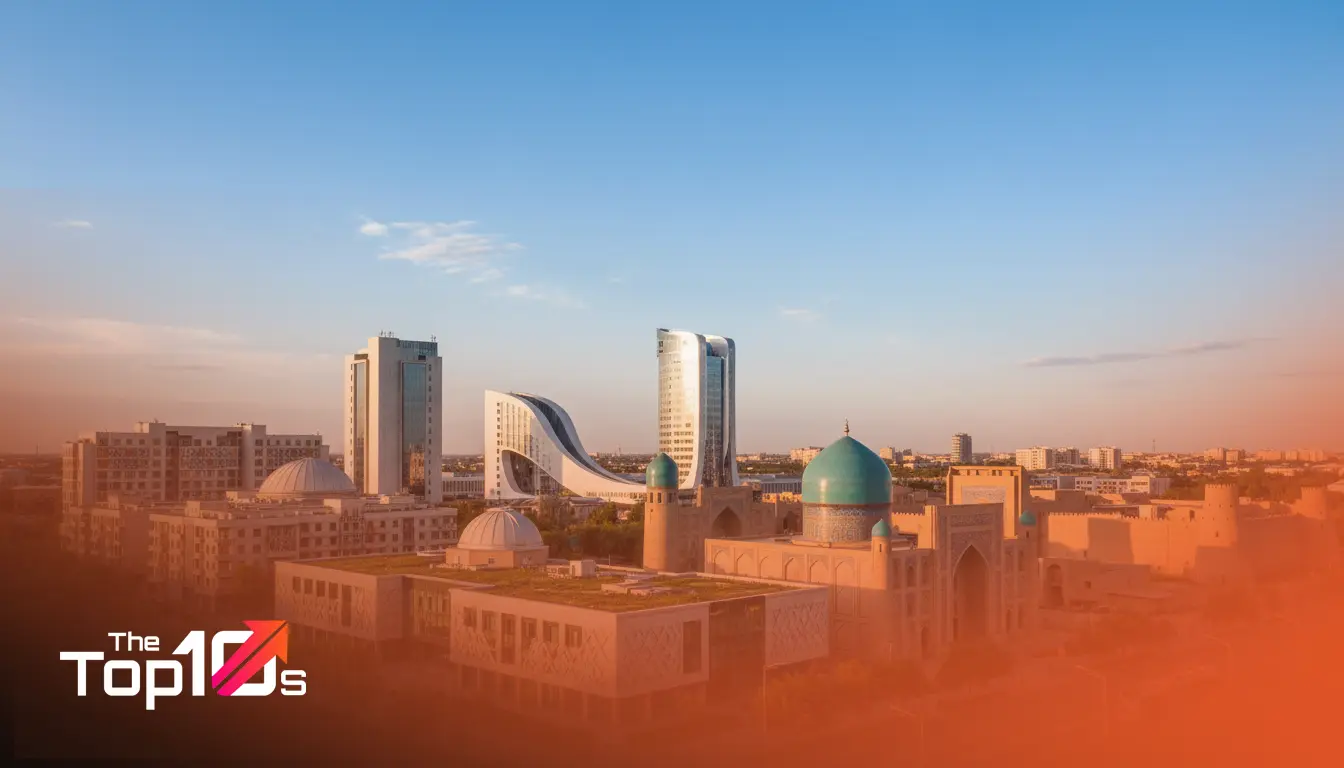
Uzbekistan is witnessing a construction renaissance. Walk through the streets of Tashkent today, and you will see a fascinating collision of eras—ancient blue-tiled madrasas standing stoically mere miles from glittering glass skyscrapers that wouldn’t look out of place in Dubai or Singapore. For anyone planning a building project here, whether it’s a bespoke private villa in the mountains of Charvak or a commercial hub in the capital, the stakes are incredibly high.
You aren’t just looking for someone to draw blueprints. You need a partner who understands the unique seismic activity of the region, the scorching Central Asian sun, and the delicate balance between respecting deep-rooted heritage and embracing modern functionality. Finding the best architects in Uzbekistan involves sifting through a rapidly expanding market where talent is abundant, but verified expertise is the real currency.
Many developers and homeowners overlook the complexity of local regulations. They assume design is purely aesthetic, only to realize later that the flow of the house doesn’t suit the Uzbek lifestyle of hospitality, or that the materials chosen can’t withstand the continental climate. This guide cuts through the noise to highlight the professionals shaping the skyline and defining the future of living spaces in the region.
Quick Takeaways: Hiring Design Talent
- Seismic Safety is Non-Negotiable: Uzbekistan is an earthquake-active zone; structural engineering knowledge is as vital as aesthetics.
- Cultural Context Matters: The best designs incorporate “mahalla” values—privacy for the family mixed with generous spaces for guests.
- Full-Service vs. Design-Only: Clarify early if you need a firm that handles permitting and construction supervision or just the design concept.
- Portfolio Verification: Always ask to visit a completed site, not just view 3D renderings.
How We Identified Leading Architects
Selecting the top tier of design professionals requires looking beyond flashy Instagram renders. Our methodology focuses on substance and built reality. We analyzed the local market based on several critical indicators that signal reliability and design maturity.
First, we looked at project diversity and scale. Does the firm have a track record of completing projects, or do their concepts remain on paper? We prioritized architects who have successfully navigated the transition from concept to occupancy.
Second, we considered reputation within the construction industry. In a tight-knit market like Uzbekistan, word travels fast among contractors and engineers. We looked for designers known for producing technically sound drawings that builders can actually execute without constant revisions.
Finally, we evaluated their regulatory knowledge. The ability to navigate local SNiP (construction norms and regulations) is what separates a dreamer from a professional. The names on this list represent entities and individuals who demonstrate a grasp of both the artistic and the bureaucratic sides of architecture.
Top 10 Architects In Uzbekistan
The following professionals and firms represent the vanguard of Uzbek architecture. They vary from boutique designers focused on luxury interiors to large-scale firms reshaping urban districts.
1. Studio ARIS
Specialization: Modern Residential & Commercial Interiors
Studio ARIS has carved out a distinct niche in Tashkent for transforming concrete shells into livable, breathing spaces. Their approach often leans towards minimalism but retains a warmth that appeals to local sensibilities. They don’t just fill a room with furniture; they manipulate light and volume to make smaller urban apartments feel expansive.
What stands out about their work is the attention to texture. Instead of relying solely on color, they use stone, wood, and local textiles to create depth. This firm is an excellent option for homeowners who want a contemporary European aesthetic without losing the cozy atmosphere essential for an Uzbek home.
2. Prime Tower Group
Specialization: Large-scale Commercial & Mixed-Use Complexes
If you are looking at the skyline of Tashkent City, you are likely seeing the influence of major firms like Prime Tower Group. They operate with a focus on high-density developments. Their strength lies in maximizing land utility while ensuring the building remains functional for thousands of daily users.
They bring a corporate level of discipline to project management. For developers or business owners looking to build office headquarters or retail centers, their team offers the technical rigor required for complex engineering challenges, including advanced HVAC integration and façade systems suited for the local climate.
3. ARC Architects
Specialization: Urban Planning & Public Spaces
ARC Architects brings a broader perspective to the table. Their portfolio suggests a deep interest in how a building interacts with the street and the community. They are not just designing isolated boxes; they are crafting environments. Their work often features open courtyards and transitional spaces that blur the line between indoor and outdoor.
This firm is particularly strong for projects that require a sensitive touch, such as inserting a new building into a historic neighborhood. They demonstrate a knack for respecting the existing urban fabric while introducing modern amenities.
4. Design House
Specialization: Luxury Private Villas
When budget is secondary to exclusivity, Design House enters the conversation. They focus on high-end residential projects where customization is key. You won’t find cookie-cutter layouts here. Every corner, from the molding on the ceiling to the layout of the private garden, is tailored to the specific client’s routine.
Their design language often merges classic European styles with Oriental grandeur. This makes them a favorite among clients who want their home to make a statement of prestige while offering absolute comfort.
5. DOME+Partners (Uzbekistan Branch)
Specialization: Sustainable Design & International Standards
With roots that extend internationally, DOME+Partners brings global best practices to the local market. They are pioneers in introducing sustainability discussions to Uzbek architecture. Their designs frequently utilize passive cooling techniques and energy-efficient glass, which is critical given the region’s extreme temperature variations.
This firm fits commercial clients and forward-thinking residential developers who want their buildings to be future-proof. Their usage of BIM (Building Information Modeling) technology allows for precise planning and fewer surprises during construction.
6. MB Studio
Specialization: Boutique Hospitality & Restaurants
Uzbekistan’s gastronomy scene is exploding, and MB Studio is designing the stages for it. They understand the psychology of space—how lighting affects mood, how acoustics impact conversation, and how flow affects service speed. Their commercial interiors are highly photogenic, acknowledging the importance of social media appeal for modern businesses.
If you are planning a boutique hotel in Bukhara or a trendy café in Tashkent, their ability to blend thematic storytelling with operational functionality makes them a strong contender.
7. ARCHICODE
Specialization: High-Tech & Industrial Architecture
ARCHICODE represents the pragmatic, engineering-forward side of design. They excel in projects where function dictates form, such as logistics centers, factories, and modern office blocks. However, they manage to avoid the “industrial” look feeling cold or sterile.
They are known for rigorous adherence to timelines and budgets. For investors and business owners, this reliability is often more valuable than artistic flair. They ensure the building works as a machine, efficiently and safely.
8. KNAUF Design Team (Collaborative Projects)
Specialization: Acoustic Solutions & Drywall Systems
While primarily a material giant, the design consultants associated with KNAUF in the region play a massive role in shaping modern Uzbek interiors. They collaborate with local architects to solve complex problems regarding sound insulation and fire safety.
Engaging professionals who specialize in these systems is crucial for multi-family housing or office blocks. They ensure that while the building looks good, neighbors aren’t hearing each other through paper-thin walls—a common complaint in newer developments.
9. Golden House (Design Division)
Specialization: Mass Market Residential Developments
As one of the leading developers, their in-house design teams set the standard for what the modern Uzbek middle class expects. They have mastered the art of the efficient floor plan. They know exactly how many square meters a family needs for a comfortable living room and how to orient a kitchen for maximum utility.
While they generally work on their own developments, observing their design trends offers immense value for smaller architects and independent builders trying to understand current market demands.
10. Mukhammadkhon Design
Specialization: Traditional Fusion
This studio focuses on keeping the soul of Uzbekistan alive in modern structures. They frequently employ traditional wood carving patterns, ceramic elements, and layout principles derived from historic Uzbek homes, but execute them with modern materials.
They are an ideal match for cultural centers, teahouses, or private homes where the owner wants to maintain a strong connection to national identity without sacrificing modern conveniences like underfloor heating or smart home systems.
What Defines a Great Architect in Uzbekistan?
Architecture in this region is about more than visual appeal; it is a battle against the elements and a negotiation with history. A truly great architect here understands the continental climate. Temperatures can swing from -20°C in winter to +45°C in summer. The design must create a thermal envelope that keeps occupants comfortable without bankrupting them on energy bills.
Furthermore, the seismic reality cannot be ignored. The Tashkent earthquake of 1966 changed the city forever, and that memory is embedded in the building codes. Competent architects prioritize structural integrity, working closely with engineers to ensure columns and beams are not just decorative, but lifesaving.
There is also the social fabric to consider. In Uzbekistan, hospitality is sacred. A home isn’t just for the nuclear family; it’s for hosting extended relatives and weddings. Great designs incorporate large “mehman-khana” (guest rooms) and separate private zones, respecting the traditional hierarchy of space.
If you are looking at regional expansion or comparing styles across Central Asia, seeing how designers operate in neighboring markets can be insightful. For instance, reviewing the approach of the Top 10 Architects in Kazakhstan can offer a broader perspective on regional trends regarding seismic safety and modern luxury.
How to Choose the Right Architect for Your Needs
Making the final decision can feel paralyzing. To simplify the process, start by defining your scope. Are you building a commercial empire or a family nest? A firm that excels at glass office towers might lack the nuance required for a warm, intimate family villa.
Ask these questions before signing a contract:
- “Can you show me a project you designed that was built five years ago?” (This reveals how their buildings age).
- “How do you handle the approval process with the local Khokimiyat (municipality)?”
- “Who will be my day-to-day contact?” (Often the principal architect sells the job, but a junior manages it).
Be wary of quotes that seem too low. In architecture, a cheap design often leads to expensive construction mistakes. If a drawing lacks detail, the contractor will have to improvise on-site, which is where costs spiral out of control. You are paying for a detailed roadmap; ensure you get one.
Frequently Asked Questions
Do I need a licensed architect for a private house in Uzbekistan?
Yes, to legally build and eventually register the property (obtain a “cadastre”), you need a project approved by local architectural authorities. Building without an approved plan can lead to fines or demolition orders.
How much do architects in Uzbekistan charge?
Fees vary wildly. Some charge a percentage of the total construction cost (usually 3-7%), while others charge per square meter of the designed space. High-end firms may charge significantly more for their brand and expertise.
Can architects handle the construction permissions?
Most established firms offer “author supervision” and can assist with the permitting process. However, this is usually an additional service on top of the design fee. It is highly recommended to have your architect involved in this stage to explain technical details to city officials.
What is the difference between an Interior Designer and an Architect?
An architect deals with the structure, exterior, safety, and layout of the building. An interior designer focuses on the internal finishes, furniture, and lighting. In Uzbekistan, many firms offer both services under one roof, which ensures the inside and outside work together seamlessly.
How long does the design process take?
For a standard private home, expect the design phase to take 2 to 4 months. Large commercial projects can take 6 months to a year before ground is broken. rushing this phase often leads to delays during construction.
Building Your Vision
Choosing the right architect in Uzbekistan is an investment in your future quality of life and the longevity of your asset. The professionals listed here represent a mix of innovation, tradition, and technical prowess. They are the ones bridging the gap between the rich architectural history of the Silk Road and the dynamic future of Central Asia.
Take your time. Meet with multiple firms. Look at their past work with a critical eye, not just for beauty, but for durability and logic. When you find a partner who listens to your vision and challenges you with their expertise, you will know you are ready to build.