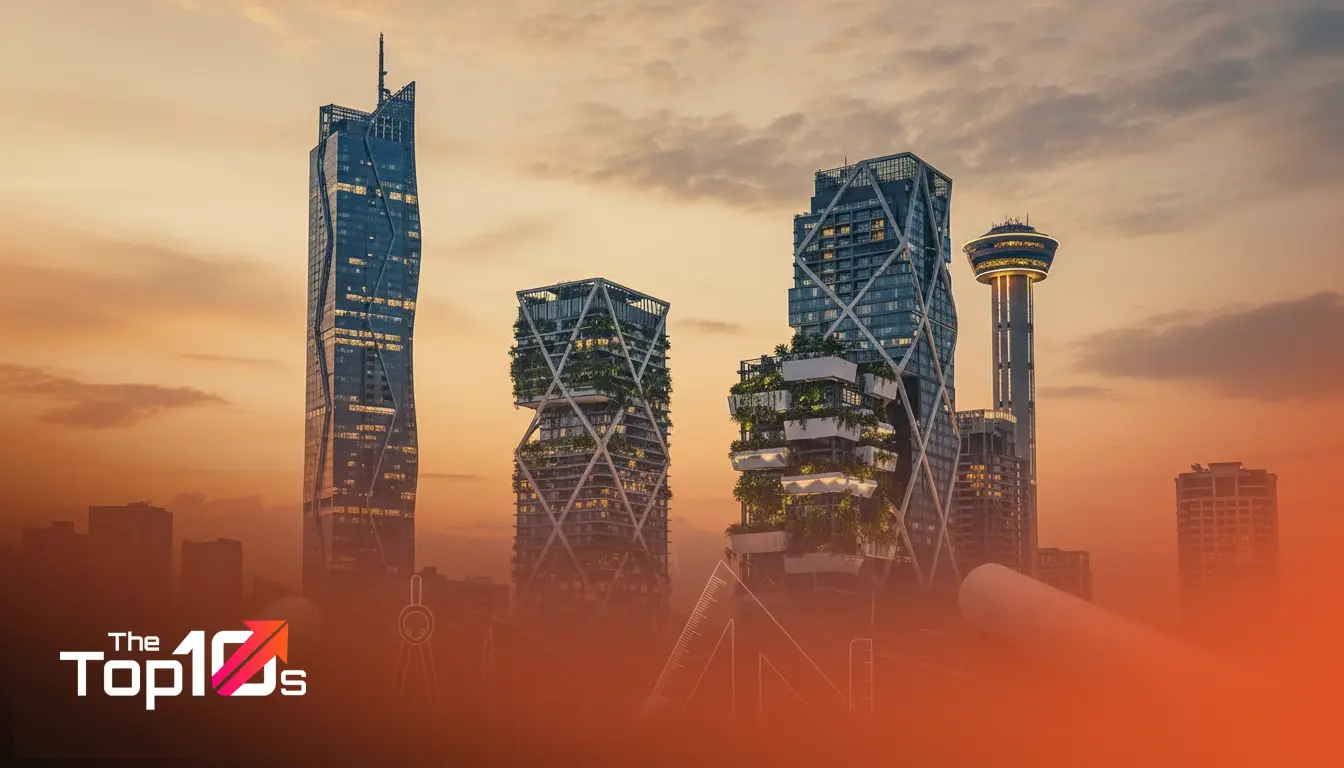
Building a home or commercial space in Metro Manila isn’t for the faint of heart. Between the distinct tropical climate, the intense urban density, and the complex web of local building codes, you need more than just a designer—you need a strategic partner. If you’ve driven through BGC or the quieter streets of New Manila recently, you’ve likely noticed a shift. Structures aren’t just concrete boxes anymore; they are breathing, living environments designed to handle both the scorching heat and the monsoon rains.
Quick Takeaways
- Climate is King: The best architects in Manila prioritize passive cooling and typhoon resilience over pure aesthetics.
- Specialization Matters: Some firms excel in high-rise condos, while others focus exclusively on bespoke private residences. Know what you need.
- Full Service vs. Design Only: Clarify if the firm handles project management and permits, or if they hand off the plans to a contractor.
- Budget Transparency: Top-tier professionals will be upfront about cost-per-square-meter estimates early in the conversation.
Choosing the right creative mind to lead your project determines whether you end up with a maintenance nightmare or a legacy asset. It’s not just about who makes the prettiest render. It’s about who understands how light hits a building in Quezon City versus Makati, and who can navigate the bureaucracy of construction permits without losing momentum.
Below, we look at the experienced architectural professionals in Manila who are shaping the city’s skyline and redefining modern Filipino living.
How We Identified Leading Architects
Selecting the names for this list wasn’t about counting awards or looking at Instagram follower counts. We looked at the tangible impact these professionals have on the built environment. Our methodology focused on consistency and execution.
We analyzed public portfolios to gauge design versatility—can they handle the constraints of a tight urban lot as well as they handle a sprawling estate? We also considered their reputation within the industry regarding project management. A great design that goes 50% over budget or two years over schedule is a failure in planning. We looked for firms with a track record of navigating the Philippines’ unique logistical challenges while maintaining high design standards.
List of 10 Best Architects in Manila
| Name | Best for |
|---|---|
| 1. Royal Pineda (Budji+Royal Architecture+Design) | Fusion of modern technology and organic Filipino materials. Luxury resorts and high-end residential projects. |
| 2. Jason Buensalido (Buensalido+Architects) | Forward-thinking homeowners who want their property to be a conversation piece and a statement of modern cultural identity. |
| 3. Ed Calma (Lor Calma & Partners) | High-end residential projects and institutional buildings. Clean lines, raw concrete, and sophisticated restraint. |
| 4. Gelo Mañosa (Mañosa & Co.) | Families who want a healthy, eco-centric home that honors Filipino heritage without sacrificing modern comforts. |
| 5. William Ti (WTA Architecture + Design Studio) | Developers looking to create spaces that engage the public and activate the street level. |
| 6. Anthony Nazareno (Nazareno + Guerrero Design Consultancy) | Resort-home vibe within the city. Sleek, international style that functions well in the Philippine climate. |
| 7. Cathy Saldaña (PDP Architects) | Developers and business owners who appreciate her team’s ability to balance aesthetic appeal with rental yield and operational efficiency. |
| 8. Jorge Yulo (Jorge Yulo Architects and Associates) | Clients who appreciate nuance and are willing to invest in bespoke details that standard contractors might find challenging to execute. |
| 9. Carlo Calma (Carlo Calma Consultancy) | Patrons of the arts and those who view their home as a living gallery. |
| 10. Anna Sy (CS Design Consultancy) | Homeowners seeking sophistication and layouts that facilitate grand entertaining. |
Top 10 Architects In Manila
These ten professionals and firms represent a mix of established legends and innovative studios pushing the boundaries of what tropical architecture can look like.
1. Royal Pineda (Budji+Royal Architecture+Design)
If you are looking for a fusion of modern technology and organic Filipino materials, Royal Pineda is often the first name that comes up. As the principal architect of Budji+Royal, he advocates for “Modern Filipino” architecture—a style that refuses to look like a copy of Western trends.
His work typically features open layouts that blur the line between indoors and outdoors, utilizing nature as a primary design element. Pineda’s strength lies in luxury resorts and high-end residential projects where the environment is the protagonist. For clients who want a home that feels like a permanent vacation spot while remaining distinctly Filipino, this firm is a top contender.
2. Jason Buensalido (Buensalido+Architects)
Jason Buensalido brings a youthful, avant-garde energy to the Manila scene. He isn’t afraid of color or unconventional geometry. His firm is known for challenging the “beige and brown” palette that dominated local housing for decades.
Buensalido’s designs often reinterpret traditional Filipino forms, like the bahay kubo, translating them into contemporary structures using triangular geometries and innovative ventilation strategies. This practice is ideal for forward-thinking homeowners who want their property to be a conversation piece and a statement of modern cultural identity.
3. Ed Calma (Lor Calma & Partners)
For decades, the name Calma has been synonymous with minimalism and uncompromised luxury. Ed Calma continues the legacy of his father, Lor Calma, creating structures that are often described as quiet, serene, and mathematically precise.
You won’t find unnecessary ornamentation in his work. Every line serves a purpose. His expertise shines in high-end residential projects and institutional buildings (like the Mind Museum). If your aesthetic leans towards clean lines, raw concrete, and sophisticated restraint, Calma provides a level of polish that few others can match.
4. Gelo Mañosa (Mañosa & Co.)
Carrying the torch for “Philippine Neo-Vernacular” architecture, Gelo Mañosa focuses heavily on sustainability rooted in local wisdom. The firm is deeply committed to green building practices, but not just by adding solar panels. They design for the wind and sun.
Mañosa & Co. is famous for using indigenous materials like bamboo, coconut, and shell in structural and decorative ways that pass modern building codes. This is the go-to firm for families who want a healthy, eco-centric home that honors Filipino heritage without sacrificing modern comforts.
5. William Ti (WTA Architecture + Design Studio)
William Ti acts as more than just a designer; he is an urbanist. His firm, WTA, is deeply involved in social architecture and making Manila a more walkable, livable city. They are known for “The Book Stop Project” and various friction-less design concepts.
While they handle residential projects, their standout strength is in commercial developments, malls, and institutional planning. Ti’s approach is highly analytical and community-focused. Developers looking to create spaces that engage the public and activate the street level often seek out WTA’s expertise.
6. Anthony Nazareno (Nazareno + Guerrero Design Consultancy)
Anthony Nazareno, alongside partner Christian Guerrero, has carved out a niche in modern tropical residential design. Their work is characterized by dramatic cantilevers, stone cladding, and expansive glass usage that somehow manages to keep the heat out.
They are masters of the “resort-home” vibe within the city. Their designs prioritize privacy and internal views, often creating an oasis feeling even in dense subdivisions. Clients looking for a sleek, international style that functions well in the Philippine climate frequently turn to Nazareno + Guerrero.
7. Cathy Saldaña (PDP Architects)
Cathy Saldaña is a powerhouse in both architecture and urban planning. As the head of PDP Architects, she has a diverse portfolio that ranges from island resorts to high-rise mixed-use towers.
What sets Saldaña apart is her holistic view of development. She understands the business side of architecture as well as the creative side. Her firm is particularly strong in hospitality and commercial retail design. Developers and business owners appreciate her team’s ability to balance aesthetic appeal with rental yield and operational efficiency.
8. Jorge Yulo (Jorge Yulo Architects and Associates)
Jorge Yulo is often referred to as an “architect’s architect.” His attention to detail and craftsmanship is obsessive in the best way possible. He doesn’t just design the shell of the house; he thinks about how the handrail feels and how the joinery connects.
His style is difficult to pigeonhole, moving fluidly between classical inspirations and modern execution. Yulo is best suited for clients who appreciate nuance and are willing to invest in bespoke details that standard contractors might find challenging to execute without his guidance.
9. Carlo Calma (Carlo Calma Consultancy)
Not to be confused with Ed Calma, Carlo Calma operates on the intersection of art and architecture. His works are sculptural, fluid, and often experimental. He treats buildings as large-scale art installations that people happen to live in.
His firm is known for using parametric design and fluid forms that defy the typical grid of the city. This approach attracts patrons of the arts and those who view their home as a living gallery. It is bold, expressive, and unapologetically unique.
10. Anna Sy (CS Design Consultancy)
Anna Sy brings a refined, timeless elegance to the Manila architectural scene. Her work often draws from classical proportions but simplifies them for a modern context. There is a sense of gravity and permanence in her designs.
CS Design Consultancy excels in high-end residential work where the goal is understated luxury. Her spaces are designed to age gracefully, avoiding trends that might look dated in five years. For homeowners seeking sophistication and layouts that facilitate grand entertaining, Sy is a top choice.
What Defines a Great Architect in Manila?
Designing for Manila requires a specific set of skills that goes beyond what is taught in design school. The environment here is unforgiving. A great architect understands Tropicality—the ability to design buildings that breathe. This means large overhangs to protect against heavy rains and strategic orientation to minimize solar heat gain.
Furthermore, resilience is non-negotiable. With the Philippines sitting on the Pacific Ring of Fire and in the typhoon belt, structural integrity is paramount. Leading professionals work closely with structural engineers to ensure safety without turning the house into a bunker.
Another often overlooked factor is Logistical Intelligence. Manila’s traffic and density affect construction timelines. Experienced architects know how to design for constructability—specifying materials that are available locally to avoid supply chain delays. Interestingly, looking at regional peers can offer perspective on these challenges. For instance, the Top 10 Architects in Bangkok face similar climatic and urban density issues, often resulting in shared design solutions across Southeast Asia.
How to Choose the Right Architect for Your Needs
Hiring an architect is akin to a short-term marriage. You will be communicating with this person constantly for 12 to 24 months. Here is how to ensure a good fit.
Check Their “Built” Portfolio
Renderings are easy to fake; completed buildings are the truth. Ask to see photos of projects that are at least three years old. How is the material holding up against the humidity? Is the white paint still white, or is it streaked with mold? This reveals their technical competence.
Define Your Scope
Are you looking for someone to just provide the blueprints, or do you need full project management? Some “starchitects” only provide the design vision and leave the execution to a contractor. If you are busy and don’t want to visit the site weekly, you need a firm that offers “Design and Build” services or comprehensive construction administration.
Discuss Budget Early
Many clients are shy about money in the first meeting. This is a mistake. Be clear about your ceiling. A skilled architect will tell you immediately if your wish list matches your budget. According to the United Architects of the Philippines (UAP), professional fees are standard, but construction costs can vary wildly based on the finishes specified by the designer.
Frequently Asked Questions
How much do architects charge in Manila?
Fees typically range from 7% to 12% of the total construction cost for comprehensive services. However, some celebrity architects may charge a fixed design fee that is significantly higher. Always clarify if this fee includes engineering (structural, electrical, plumbing) or if those are separate costs.
Do I really need an architect for a simple renovation?
For structural changes, yes. Beyond legality, an architect maximizes space. In Manila, where price per square meter is at a premium, reclaiming 5 square meters of usable space through smart design often pays for the architect’s fee itself.
What is the difference between an architect and a civil engineer?
While there is overlap, the architect focuses on the spatial planning, aesthetics, and functionality for the human user. The civil engineer ensures the skeleton of the building will stand up. You generally need both.
How long does the design process take?
For a standard residential project, expect the design phase (from concept to final blueprints) to take 3 to 5 months. Rushing this stage often leads to expensive “change orders” during construction.
Can architects help with building permits?
Most full-service firms will assist with the documentation needed for building permits, though they often hire “liaison officers” or permit specialists to handle the actual queuing at City Hall, as the process in Metro Manila can be bureaucratic.
Moving Forward With Your Project
Your choice of architect will dictate the quality of your daily life for years to come. Don’t rush the selection process. We recommend shortlisting three firms from the list above that align with your aesthetic preferences. Schedule a consultation with each. Pay attention to how well they listen to your needs versus how much they talk about their own style.
As we look toward 2026, the trend is moving heavily toward smart, adaptive, and resilient homes. The right partner will not just design for today, but will future-proof your investment against the changing climate and evolving technologies. Start the conversation, ask the hard questions, and build something that lasts.