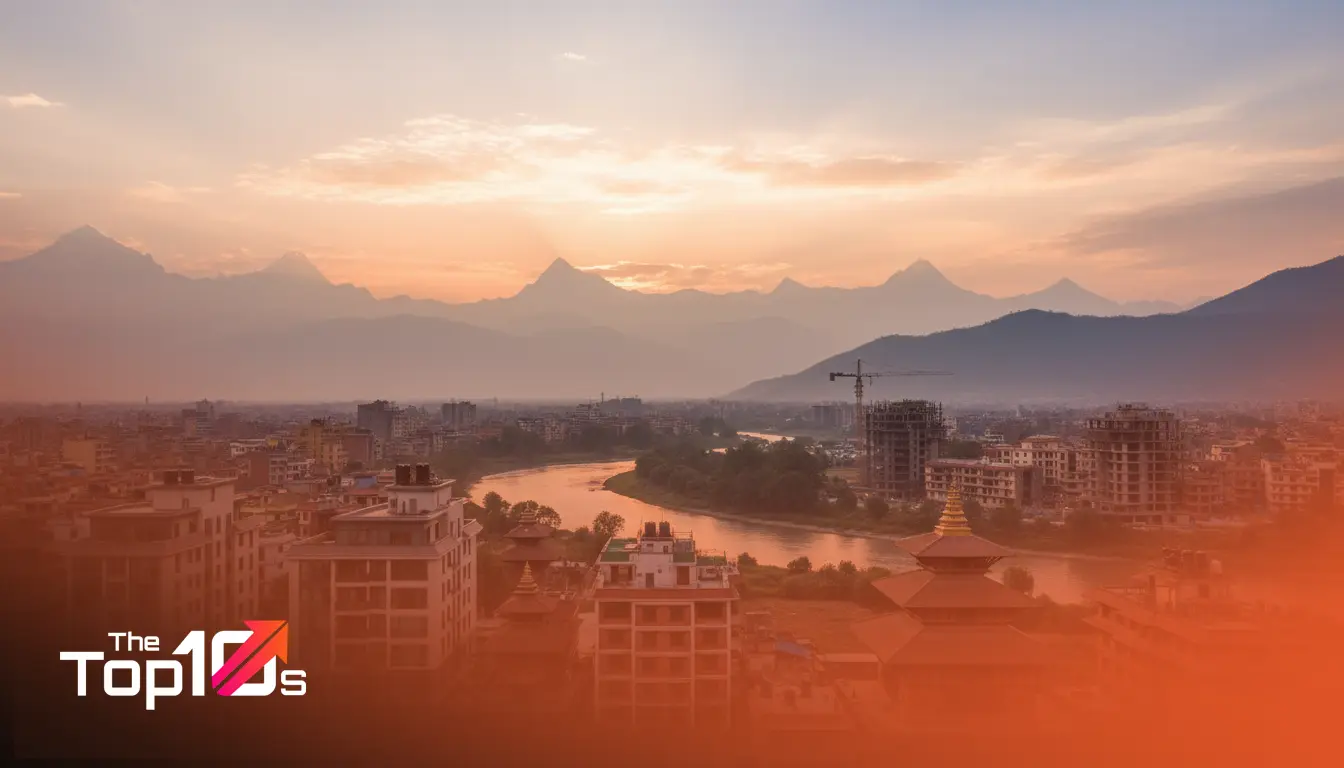
Walking through the streets of Kathmandu, you are immediately struck by a chaotic blend of history and rapid urbanization. You see centuries-old Newari brickwork standing shoulder-to-shoulder with modern glass facades and concrete high-rises. It is a city in transition. If you are planning to build here, whether it’s a dream home in Budhanilkantha or a commercial complex in Thapathali, the stakes are incredibly high.
This isn’t just about aesthetics. In a seismic zone like Nepal, architecture is literally a matter of life and safety. Choosing the right professional determines if your structure can withstand the next tremor, how it handles the monsoon rains, and if it truly feels like home amidst the bustle of the valley.
Finding a design partner who understands the intricate bylaws of the Kathmandu Metropolitan City (KMC) while possessing the creative vision to maximize small plots is rare. Many people assume all designers are the same, but the gap between a draftsman and a qualified architect is massive. This guide cuts through the noise to highlight professionals who are shaping the skyline of the capital.
Quick Takeaways: hiring in Kathmandu
- Safety First: Post-2015 earthquake regulations are strict. Ensure your architect prioritizes structural integrity over façade design.
- Regulatory Navigation: The “Naxa Pass” (blueprint approval) process is complex. You need a team that knows the local municipal bureaucracy inside out.
- Context Matters: The best designs in Kathmandu blend modern functionality with traditional elements like exposed brick (Dachi Appa) or timber.
- Fee Structures: Costs vary significantly. Some charge a percentage of construction cost (typically 2-5%), while others work on a lump sum basis.
How We Identified Leading Architects
Selecting the top architectural talent in a city as diverse as Kathmandu requires looking beyond flashy 3D renders. We analyzed the local industry based on signals of competence and reliability rather than just popularity. Our methodology focused on substantial criteria that impact the client experience.
We looked for professionals with a demonstrable track record of completed projects. A pretty design on paper means nothing if it cannot be built. We considered the depth of experience regarding local geography—knowing how soil conditions differ from Baluwatar to Bhaktapur is essential.
Furthermore, we evaluated the integration of engineering and design. In Nepal, the collaboration between the architect and the structural engineer is paramount. We also looked for firms that demonstrate a clear understanding of sustainable practices, considering the valley’s unique climate and energy challenges. Reputation among peers and past client feedback regarding project management and budget adherence also played a significant role in this curation.
List of 10 Best Architects in Kathmandu
| Name | Best for |
|---|---|
| Prabal Thapa (Prabal Thapa Architects) | Clients who prioritize eco-friendly living and want a home that breathes. |
| Saru Man Shakya (Siddhartha Art Gallery & Tusal) | Individuals looking for a home or space that feels like a piece of art. |
| Bibhuti Man Singh (Technical Interface) | Corporate developers and large-scale project planners. |
| Arun Pant (Design Cell) | Homeowners wanting a strictly modern, minimalist aesthetic. |
| Biresh Shah | Educational institutions and community-focused projects. |
| Wonaw & Associates | Hotel owners and luxury home builders. |
| Suman Narsingh Rajbhandari | Safety-conscious families and commercial buildings in high-density areas. |
| Swati Pujari (Scale Architectural Design) | Families building their “forever home.” |
| John Sanday Associates | Heritage property owners and conservation projects. |
| Grid Nepal Design Consultants | Real estate developers and commercial investors. |
Top 10 Architects In Kathmandu
The following list represents professionals and firms that have consistently delivered high-quality design, structural safety, and contextual relevance in the Kathmandu Valley.
1. Prabal Thapa (Prabal Thapa Architects)
Few names are as synonymous with sustainable architecture in Nepal as Prabal Thapa. His firm has been a pioneer in promoting energy-efficient designs that respect the local environment. If you walk into one of his buildings, you notice the temperature difference immediately—passive solar design is a hallmark of his work.
Specialization: Sustainable residential and institutional buildings.
Why they stand out: The firm excels at using local materials to reduce carbon footprints. They don’t just import foreign concepts; they adapt modern requirements to Nepali realities. Their work often includes courtyards and natural lighting solutions that reduce electricity dependency.
Best suited for: Clients who prioritize eco-friendly living and want a home that breathes.
2. Saru Man Shakya (Siddhartha Art Gallery & Tusal)
Saru Man Shakya represents a deep connection to the traditional aesthetics of the Kathmandu Valley, often reinterpreted for modern utility. His approach frequently involves the adaptive reuse of spaces and a keen eye for heritage conservation mixed with contemporary art spaces.
Specialization: Cultural heritage, galleries, and private residences.
Why they stand out: There is a distinct artistic flair to his work. It isn’t just about walls and roofs; it is about creating an experience. His designs often pay homage to the Malla-era architecture while providing the amenities required by modern lifestyles.
Best suited for: Individuals looking for a home or space that feels like a piece of art.
3. Bibhuti Man Singh (Technical Interface)
With decades of experience, Bibhuti Man Singh is a veteran in the field. His firm, Technical Interface, has handled some of the most significant infrastructure and institutional projects in the country. When a project is massive and technically complex, this is a name that often comes up in boardroom discussions.
Specialization: Large-scale commercial complexes, hotels, and institutional planning.
Why they stand out: The technical precision here is unmatched. They have a rigorous approach to building codes and functionality. You won’t find experimental fluff; you find solid, reliable, and functional architecture that stands the test of time.
Best suited for: Corporate developers and large-scale project planners.
4. Arun Pant (Design Cell)
Design Cell, led by Arun Pant, has carved a niche for sleek, contemporary designs that wouldn’t look out of place in Singapore or Tokyo, yet fit perfectly in Lazimpat. They bring a minimalist, clean aesthetic that is highly sought after by the younger generation of homeowners and businesses.
Specialization: Modern residential and high-end commercial interiors.
Why they stand out: Their use of space is incredibly efficient. In a city where land prices are skyrocketing, the ability to make a small plot feel spacious is a superpower. They focus heavily on clean lines, glass, and steel.
Best suited for: Homeowners wanting a strictly modern, minimalist aesthetic.
5. Biresh Shah
Biresh Shah is not just an architect; he is an academic and an urban planner. His perspective goes beyond the individual building to how it interacts with the street and the city. His work often reflects a deep intellectual engagement with the urban fabric of Kathmandu.
Specialization: Urban design, educational institutions, and public spaces.
Why they stand out: If you are concerned about how your building affects the neighborhood or want a campus-style layout, his expertise is vital. He balances density with open space, a rare commodity in the valley.
Best suited for: Educational institutions and community-focused projects.
6. Wonaw & Associates
This firm has gained traction for delivering high-quality residential and hospitality projects. They represent the new wave of Nepali architecture—professional, tech-savvy, and highly attuned to global design trends.
Specialization: Hospitality (Resorts/Hotels) and luxury residences.
Why they stand out: They are excellent at visualizing the end product. Their client presentation and use of 3D modeling help clients understand exactly what they are getting before a single brick is laid. They also handle the transition between exterior architecture and interior design seamlessly.
Best suited for: Hotel owners and luxury home builders.
7. Suman Narsingh Rajbhandari
Often associated with large engineering and architectural consortiums, architects in this sphere focus heavily on the structural interplay of architecture. Following the 2015 earthquake, professionals like Rajbhandari who bridge the gap between aesthetic design and seismic resilience became invaluable.
Specialization: Earthquake-resilient housing and commercial structures.
Why they stand out: Peace of mind. The designs prioritize load paths and shear walls without compromising the visual appeal. It is architecture with a safety helmet on.
Best suited for: Safety-conscious families and commercial buildings in high-density areas.
8. Swati Pujari (Scale Architectural Design)
Swati Pujari brings a refreshing sensitivity to residential design. Her work often emphasizes the “home” aspect of a house—how the kitchen relates to the dining area, or how light enters a reading nook. It is human-centric design at its best.
Specialization: Boutique residential and interior architecture.
Why they stand out: Communication. Clients frequently mention her ability to listen and translate vague ideas into concrete plans. Her designs are warm, textured, and livable, avoiding the cold feeling of sterile modernism.
Best suited for: Families building their “forever home.”
9. John Sanday Associates
While John Sanday is a British architect, his contribution to Nepali architecture, particularly in restoration and heritage, is legendary. The firm continues to operate with a deep respect for traditional Newari craftsmanship. Just as design challenges exist across the continent, finding the right expert is universal, whether you are looking in Nepal or searching for the top 10 architects in Colombo.
Specialization: Historic preservation, restoration, and traditional-style new builds.
Why they stand out: If you own an old Rana palace or a traditional Newari house and want to restore it, this is the gold standard. They understand lime mortar, timber carving, and traditional proportions better than almost anyone.
Best suited for: Heritage property owners and conservation projects.
10. Grid Nepal Design Consultants
Grid Nepal is a multi-disciplinary firm that handles everything from architecture to engineering and valuation. They are a “one-stop-shop” for many developers who want a streamlined process without coordinating between five different consultants.
Specialization: Commercial buildings, apartment complexes, and turnkey solutions.
Why they stand out: Efficiency and project management. They are well-versed in the bureaucratic hurdles of getting building permits in Kathmandu. Their designs are practical, market-ready, and cost-effective.
Best suited for: Real estate developers and commercial investors.
What Defines a Great Architect in Kathmandu?
Architecture in Nepal faces challenges that don’t exist in many other parts of the world. A great architect here needs a specific set of skills that goes beyond drawing pretty floor plans.
Mastery of Seismic Design
Since the Gorkha Earthquake of 2015, the definition of good architecture has shifted. It isn’t just about form; it’s about survival. A top-tier architect works hand-in-glove with structural engineers. They don’t treat columns and beams as annoyances to be hidden; they integrate them into the design. They understand the difference between a load-bearing wall system and a frame structure and will guide you to the safest choice for your soil type.
Navigating the “Naxa Pass”
The bureaucratic process of approving building blueprints (Naxa Pass) in Kathmandu is notorious. Bylaws regarding setbacks (distance from the road/neighbors), Floor Area Ratio (FAR), and ground coverage are strictly enforced. An inexperienced architect might design a masterpiece that gets rejected immediately by the municipality. The best professionals know exactly what is legal and how to maximize your space within those legal limits.
Climate Responsiveness
Kathmandu has a unique climate—chilly winters, hot summers, and a heavy monsoon. Great design accounts for this. It involves orienting the house to catch the southern sun in winter while shading it in summer. It means designing roof slopes and drainage systems that can handle torrential downpours without leaking. You can find more on regional climate considerations from the Ministry of Urban Development regarding building codes.
How to Choose the Right Architect for Your Needs
Hiring a professional is an investment. Here is how to ensure you get a return on that investment.
Check the Portfolio for “Built” Work
3D renderings can be deceptive. Anyone can make a digital image look good. Ask to see photos of completed buildings. Even better, ask if you can visit one. Look at the details: Are there cracks? Is the paint peeling? Does the house feel damp? These physical cues tell you more about an architect’s competence than any website.
Discuss the Fee Structure Upfront
Transparency is key. Some architects charge a lump sum for the design, while others charge a percentage of the total construction cost. Be clear about what this fee includes. Does it include site visits? Does it cover structural drawings, electrical, and plumbing designs? Or is it just for the architectural concept? Avoiding hidden costs starts with this conversation.
Assess Their Communication Style
Building a house takes time—often a year or more. You will be in a long-term relationship with this person. Do they listen to you? Do they explain technical terms in plain English? If they dismiss your ideas or seem too busy to answer questions during the initial consultation, that is a red flag.
Frequently Asked Questions
How much do architects in Kathmandu generally charge?
Fees vary widely based on experience and project scope. Generally, for a full-service agreement (design plus supervision), you might expect to pay between 2.5% to 5% of the estimated construction cost. Lump-sum rates for residential designs can range from NPR 100,000 to NPR 500,000+ depending on the complexity and the architect’s reputation.
Do I really need an architect for a small house?
Yes. Aside from the legal requirement to have a signed blueprint for municipal approval, an architect saves you money in the long run. They optimize space usage, prevent costly construction errors, and ensure the building is structurally sound. In a small house, efficient design is even more critical than in a large one.
What is the difference between an architect and a civil engineer?
An architect focuses on the spatial design, aesthetics, functionality, and human experience of the building. A civil engineer (specifically a structural engineer) focuses on the mathematics of keeping the building standing—calculating loads, steel reinforcement, and concrete grades. In Kathmandu, you need both working together.
Can architects help with government approvals?
Most established architectural firms will assist with the “Naxa Pass” process. They prepare the necessary municipal drawings and files. However, the administrative running around is sometimes handled by a liaison specialist or the client, depending on the agreement with the firm.
How long does the design process take?
A rushed design leads to a flawed building. Expect the design phase—from initial concept to final working drawings—to take anywhere from 4 to 12 weeks. This allows time for revisions, structural calculations, and detailed estimation.
Building Your Vision
Your choice of architect will shape your daily life for years to come. In Kathmandu, where the ground moves and the city evolves daily, this decision carries weight. Whether you lean towards the sustainable ethos of Prabal Thapa or the modern precision of Design Cell, the key is alignment.
Don’t just hire a name; hire a partner who respects your budget, prioritizes your safety, and understands your vision. Take the time to interview multiple professionals. Look at their past work. Ask the hard questions about earthquake safety and municipal bylaws. The right partnership will turn the stressful process of construction into the rewarding journey of creating something lasting. For further resources on professional standards, you can refer to the Society of Nepalese Architects (SONA).