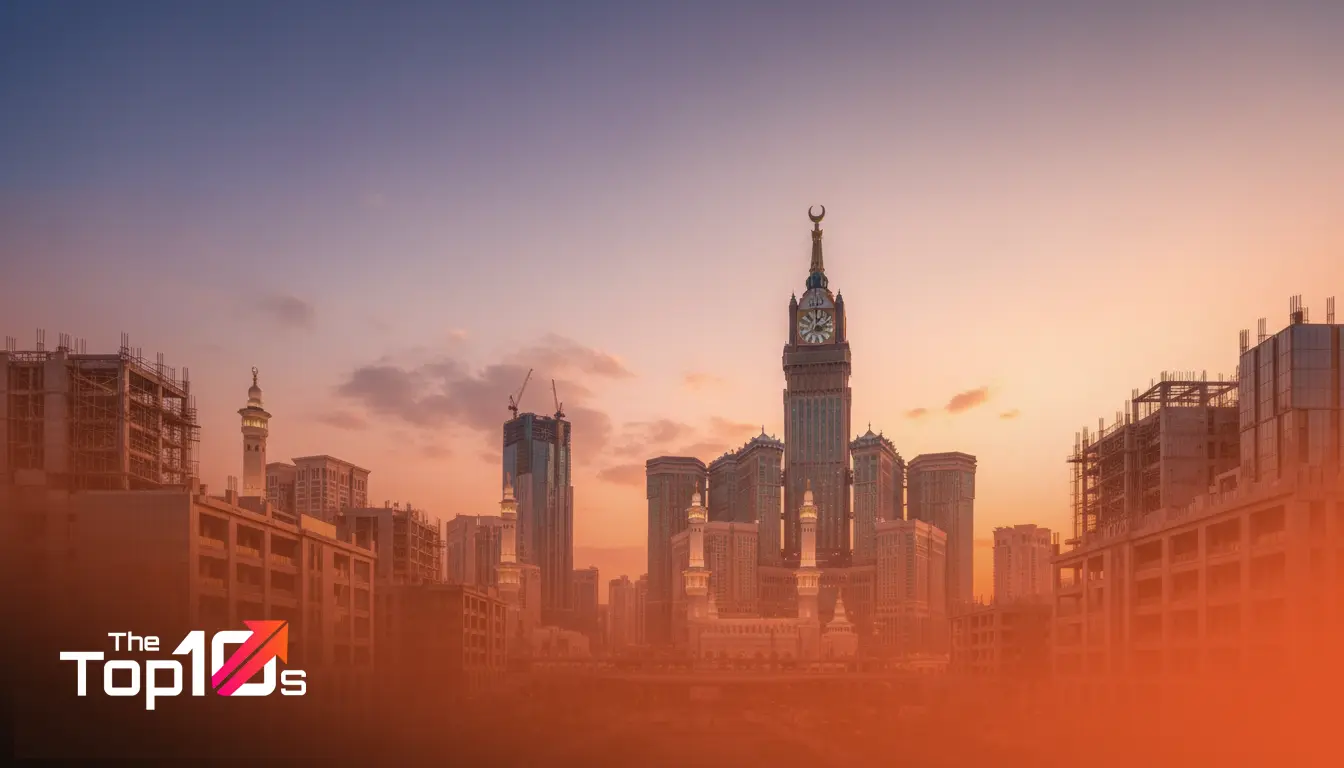
Building in Makkah is unlike construction anywhere else on Earth. You aren’t just dealing with rocky, mountainous terrain or extreme temperatures; you are navigating a city with profound spiritual significance, strict municipal regulations, and a constant influx of millions of visitors. Whether you are planning a private luxury villa in Al Awali or a commercial tower near the Central District, the architect you choose determines whether your project becomes a serene sanctuary or a logistical headache.
Here is the reality: many people assume that any licensed design firm can handle a project in the Holy City. But Mecca requires a specific localized expertise. You need a partner who understands the nuance of the Saudi Building Code (SBC), the flow of traffic during Hajj seasons, and the delicate balance between modern aesthetics and traditional Islamic identity. A generic blueprint simply won’t cut it here.
Finding the right creative partner involves sifting through hundreds of portfolios. To save you weeks of research, we have analyzed the market to highlight the professionals who are shaping the skyline of this historic city.
Quick Takeaways: Hiring in Mecca
- Local Code Knowledge is Non-Negotiable: Makkah Municipality has specific zoning laws regarding height, setbacks, and facade materials that differ from Riyadh or Dammam.
- Topography Matters: The mountainous geography often requires specialized structural engineering knowledge alongside architectural flair.
- Experience with High Density: Commercial projects must account for massive foot traffic and seasonal population spikes.
- Turnkey vs. Design-Only: Decide early if you want a firm that handles everything from sketching to construction supervision (consultancy), or just the design phase.
How We Identified Leading Architects
Selecting the names for this list wasn’t about looking at who has the flashiest Instagram feed. We approached this with the mindset of a developer looking for reliability and creativity. Our evaluation process focused on four distinct pillars that indicate genuine professional quality.
First, we looked at Project Relevance. An architect might be world-class at designing glass skyscrapers in Dubai, but that doesn’t mean they understand the privacy requirements of a Saudi family home in Mecca. We prioritized firms and individuals with a tangible footprint in the Western Region.
Second, we considered Reputation and Reliability. In the construction sector, word of mouth is currency. We looked for consistent positive feedback regarding project management—specifically, the ability to deliver designs that are actually buildable within budget. We also factored in their standing with the Saudi Council of Engineers, which is the baseline for professional legitimacy in the Kingdom.
Finally, we evaluated their Design Adaptability. The best architects in Mecca are those who can blend the aggressive modernization goals of Vision 2030 with the deep-rooted cultural heritage of the Hejaz region.
List of 10 Best Architects in Mecca
| Name | Best For |
|---|---|
| Zuhair Fayez Partnership (ZFP) | Developers or government entities planning large-scale infrastructure or mixed-use complexes who need a firm that has seen it all and minimizes risk. |
| Omrania | Clients looking for a “statement building” or luxury hospitality projects that need to stand out internationally. |
| Diyar Consultants | Private homeowners seeking high-end villas and investors developing boutique hotels. |
| Dar Al-Handasah | Corporate investors and large-scale developers working on projects that impact the public realm. |
| Talal Kurdi (Saudconsult) | Commercial clients prioritizing longevity, functionality, and ease of maintenance over avant-garde aesthetics. |
| Abnia Consulting Engineers | Families wanting a modern, open-concept villa that still adheres to local privacy norms. |
| Retaj Architects | Homeowners with specific customization needs who want a hands-on design partner. |
| Khatib & Alami | Business owners developing office buildings or mixed-use retail centers. |
| Edraak Architecture | Clients willing to take a creative risk to achieve a unique, award-worthy result. |
| Rawasem Architecture | Young families and residential developers looking for modern, marketable designs. |
Top 10 Architects in Mecca
The following professionals and design consultancies represent the upper echelon of architectural talent operating in Mecca today. They range from massive multi-disciplinary firms handling mega-projects to boutique studios specializing in residential luxury.
1. Zuhair Fayez Partnership (ZFP)
Specialization: Large-scale Commercial, Healthcare, and Residential Compounds
Experience: 45+ Years
It is impossible to discuss architecture in Saudi Arabia without mentioning ZFP. They are less of a solo architectural practice and more of an institution. In Mecca, where scale often meets complexity, their team is frequently the go-to for major developments. Their strength lies in their massive internal resources; they handle architectural design, engineering, and project management in-house.
Who they are best for: Developers or government entities planning large-scale infrastructure or mixed-use complexes who need a firm that has seen it all and minimizes risk.
2. Omrania
Specialization: Urban Planning, Hospitality, and Iconic Landmarks
Experience: 50+ Years
Omrania brings a distinct modern flair to their work. While they are renowned for reshaping Riyadh’s skyline, their work in the Western Region demonstrates a sophisticated understanding of context. They excel at “placemaking”—creating environments that feel like they belong to the city rather than just sitting on top of it. Their designs often feature intricate geometric facades that reinterpret traditional patterns for the 21st century.
Who they are best for: Clients looking for a “statement building” or luxury hospitality projects that need to stand out internationally.
3. Diyar Consultants
Specialization: Luxury Residential and High-End Commercial
Experience: 35+ Years
Based in the region, Diyar has a profound understanding of Hejazi architecture. They are particularly skilled at navigating the high-density requirements of Mecca. What sets them apart is their ability to design luxury spaces that prioritize privacy—a crucial element for local residential projects. Their portfolio suggests a mastery of maximizing square footage in difficult, irregular plots common in Mecca’s mountainous districts.
Who they are best for: Private homeowners seeking high-end villas and investors developing boutique hotels.
4. Dar Al-Handasah
Specialization: Mega-Projects, Transport Architecture, and Infrastructure
Experience: 65+ Years
If your project involves complex integration with city infrastructure, Dar is a heavyweight champion. They have been heavily involved in the massive expansions around the Holy Sites. While they might be overkill for a single family home, their architectural division is unparalleled for high-rise towers and developments that require rigorous technical coordination.
Who they are best for: Corporate investors and large-scale developers working on projects that impact the public realm.
5. Talal Kurdi (Saudconsult)
Specialization: Engineering-Led Design and Public Buildings
Experience: 50+ Years
Saudconsult, one of the oldest firms in the Kingdom, offers architectural services grounded in engineering reality. Their designs are practical, durable, and efficient. In a city like Mecca, where maintenance and climate resilience are vital, their approach ensures that buildings age gracefully. They favor clean lines and functional layouts over experimental forms.
Who they are best for: Commercial clients prioritizing longevity, functionality, and ease of maintenance over avant-garde aesthetics.
6. Abnia Consulting Engineers
Specialization: Modern Residential and Commercial Retail
Experience: 25+ Years
Abnia occupies a sweet spot between the massive conglomerates and small studios. They offer a personalized design approach but have the staff capacity to handle mid-sized commercial projects and sprawling private estates. Their recent work shows a pivot toward contemporary minimalism—clean white volumes and large glass panels, adapted with shading devices to handle the Mecca sun.
Who they are best for: Families wanting a modern, open-concept villa that still adheres to local privacy norms.
7. Retaj Architects
Specialization: Boutique Residential and Interior Architecture
Experience: 15+ Years
Retaj has carved out a niche for blending interior design seamlessly with exterior architecture. Their work feels intimate and highly detailed. Unlike larger firms that might hand your villa off to a junior associate, boutique firms like Retaj often provide more direct principal involvement. They are known for excellent space planning, making smaller plots feel spacious.
Who they are best for: Homeowners with specific customization needs who want a hands-on design partner.
8. Khatib & Alami
Specialization: Urban Design and Multi-use Complexes
Experience: 50+ Years
With a massive regional presence, Khatib & Alami brings deep resources to Mecca. Their architectural style is often described as “timeless corporate.” They are exceptionally strong in the planning phase, helping clients navigate the complex permitting landscape of the Makkah Municipality. Their designs are reliable, safe, and typically move through approval processes smoothly due to their technical thoroughness.
Who they are best for: Business owners developing office buildings or mixed-use retail centers.
9. Edraak Architecture
Specialization: Conceptual Design and Cultural Projects
Experience: 10+ Years
Edraak represents the new wave of Saudi architecture. They are less about cookie-cutter templates and more about narrative-driven design. Their work often involves extensive research into the site’s history and topography. If you have a challenging plot of land—perhaps on a steep slope—Edraak’s team is known for turning constraints into creative design features.
Who they are best for: Clients willing to take a creative risk to achieve a unique, award-worthy result.
10. Rawasem Architecture
Specialization: Contemporary Saudi Housing
Experience: 12+ Years
Rawasem has gained popularity for understanding the modern Saudi family’s lifestyle. Their designs often feature open Majlis areas that can be separated when needed, smart home integration, and sustainable cooling strategies. They balance the budget well, providing high-impact visuals without necessarily requiring the most expensive materials on the market.
Who they are best for: Young families and residential developers looking for modern, marketable designs.
What Defines a Great Architect in Mecca?
Architecture in Mecca requires a specific set of competencies that go beyond drawing pretty floor plans. The environment here is demanding, both physically and legally. A truly great architect in this region demonstrates a mastery of three specific variables.
Topographical Intelligence is the first hurdle. Unlike the flat plains of Riyadh, Mecca is defined by its valleys (wadis) and granite mountains. A skilled architect doesn’t just bulldoze the land flat; they work with the slope. This not only saves on excavation costs but results in a home that commands better views and natural airflow. If an architect looks at your sloped plot and immediately suggests a massive retaining wall without exploring stepped levels, proceed with caution.
Cultural Sensitivity vs. Modernity is the second factor. The trend is moving toward modernism—floor-to-ceiling windows and sharp angles. However, the cultural need for privacy remains. Great architects use “Mashrabiya” concepts (architectural screens) and strategic orientation to allow light in while blocking neighbors’ views. They understand how to design a Majlis that is accessible to guests without compromising the privacy of the family living room.
Regulatory fluency is the final differentiator. The Royal Commission for Makkah City and Holy Sites (RCMC) and the local municipality have strict codes. Great architects anticipate these hurdles. They know which districts allow for extra height and which materials are approved for facades. This foresight prevents months of delays during the permitting phase.
How to Choose the Right Architect for Your Needs
Hiring an architect is a relationship that will last anywhere from six months to three years. You need to ensure your personalities and expectations align before you sign a contract. Here is a framework for making that decision.
Analyze the Portfolio for “Buildability”
Many architects show impressive 3D renders, but you need to see photos of finished projects. Ask the architect: “Can you show me a project where you solved a difficult site problem?” You want to see evidence that their designs translate to reality. If you are looking at the broader region, you might compare these with the top 10 architects in Jeddah to see how styles differ between the coastal city and the Holy City.
Understand the Fee Structure
Architectural fees in Saudi Arabia generally fall into two categories: a lump sum or a percentage of construction costs (usually 4% to 8% depending on scope). Be wary of fees that seem too low. A cheap design fee often leads to expensive mistakes during construction because the drawings lacked detail. It is almost always worth paying more for detailed “execution drawings” (shop drawings) that give the contractor no room for error.
Check their Technology Stack
Ask if they use BIM (Building Information Modeling). BIM allows architects to build the project digitally before a single brick is laid. This helps identify clashes—like an AC duct hitting a structural beam—before they become expensive problems on site. In 2024 and beyond, reputable firms should be using this technology.
Frequently Asked Questions
How much does an architect cost in Mecca?
Costs vary significantly based on the firm’s reputation and scope. For a standard villa design, fees might range from 30,000 SAR to 80,000 SAR for the design package. Full supervision and consultancy services will cost significantly more, often calculated as a percentage of the total build cost.
Do I need a local architect, or can I hire one from Riyadh?
While you can hire from anywhere, a local architect is preferable for residential projects. They have established relationships with the Makkah Municipality (Amanah), which can speed up the approval of building permits. They are also available for site visits, which is difficult for remote firms.
What is the difference between an architect and an engineering consultant?
An architect focuses on the design, aesthetics, functionality, and spatial planning. An engineering consultant (or structural engineer) ensures the building will stand up and meets safety codes. In Saudi Arabia, you need a certified engineering office to stamp your drawings for legal approval, though many firms employ both.
How long does the design process take?
For a custom family villa, expect the design phase to take 3 to 5 months. This includes initial concepts, revisions, detailed electrical/plumbing drawings, and municipal approval. Rushing this stage often leads to regrets during construction.
Can these architects handle the construction too?
Most architects are design-only or design-and-supervise. They act as your advocate to ensure the contractor follows the plans. However, some larger firms offer “Design-Build” services where they handle everything. Always clarify this role upfront.
Final Thoughts on Building in Mecca
Embarking on a construction project in Mecca is a significant investment, both financially and emotionally. The architect you choose acts as your translator—taking your vision and converting it into a language that contractors and city officials understand.
Don’t just pick the firm with the lowest price. Look for the partner who asks you the hardest questions about how you live, how you plan to use the space, and your long-term goals for the property. With the rapid developments aligned with Saudi Vision 2030, the standards for construction are rising. By selecting a qualified, experienced professional from this list, you are ensuring your project stands the test of time in one of the most important cities in the world.