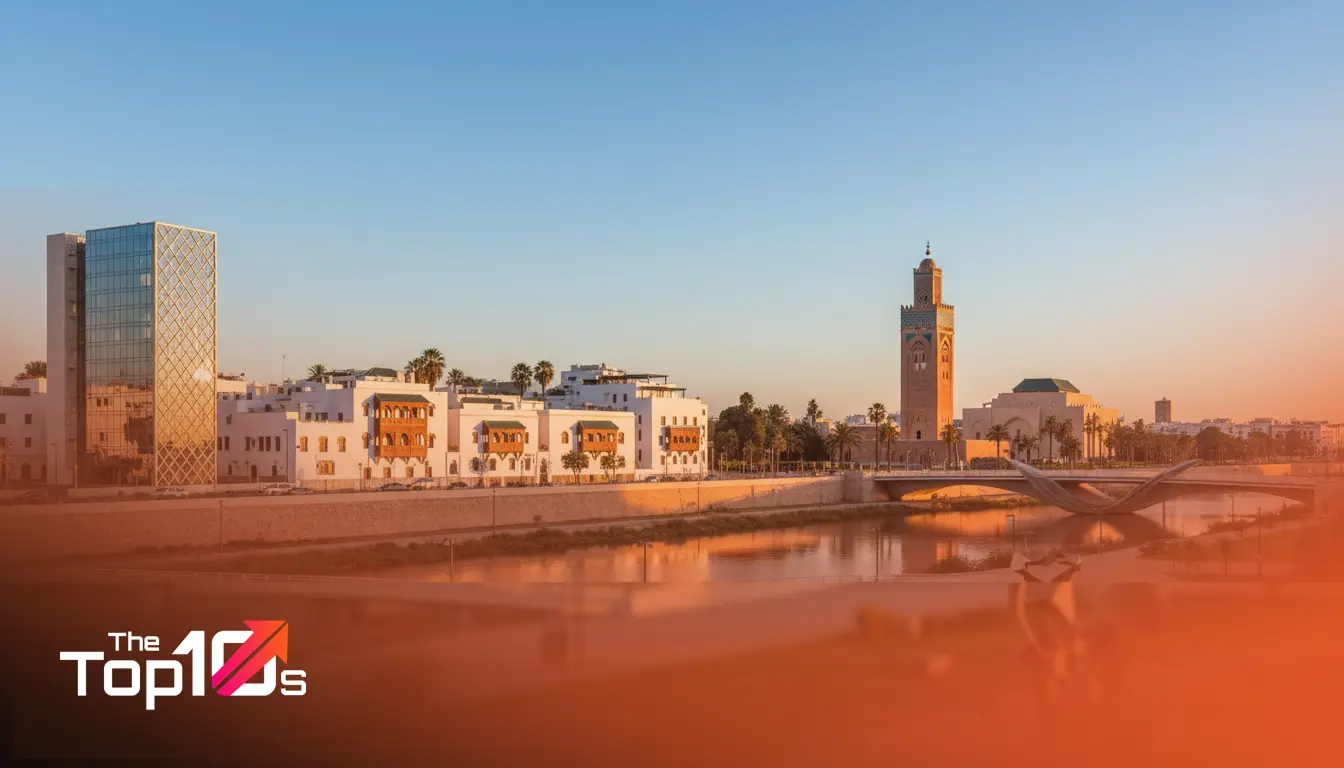
Building a property in Morocco’s capital is a unique undertaking. You aren’t just constructing walls and a roof; you are stepping into a city where ultra-modern administrative buildings sit just miles from centuries-old medina walls. Whether you are planning a minimalist villa in Souissi or a commercial complex in Agdal, the success of your project rests entirely on who translates your vision into blueprints.
Finding the right partner for this journey is often harder than securing the land itself. A great design professional does more than draw pretty pictures. They navigate the complex bureaucracy of the local urban agency, manage contractors who might operate on different timelines, and ensure your building can withstand the Atlantic humidity. If you are looking for the best architects in Rabat, you need someone who balances technical precision with artistic flair.
Many people assume that all licensed professionals offer the same level of service, but the difference between a standard draftsman and a true architectural partner can save you thousands of dirhams—and months of stress—down the line. We have analyzed the local market to help you distinguish between the two.
Quick Takeaways: hiring in Rabat
- Local Regulations matter: Rabat has strict zoning laws regarding height, facade colors, and density. Your architect must have a strong relationship with the Agence Urbaine.
- Climate specific design: The best designs account for coastal humidity and thermal insulation, moving beyond aesthetics to livability.
- Fee structures vary: Costs generally range between 5% to 10% of the total construction cost, depending on whether you need site supervision (suivi de chantier).
- Language barriers: Ensure your architect speaks your preferred language (English, French, or Arabic) fluently to avoid costly miscommunications.
How We Identified Leading Architects
Determining who truly leads the pack in architectural design involves more than just looking at glossy Instagram renders. Our evaluation process focuses on the substance behind the portfolio. We looked for professionals who demonstrate a consistent track record of delivering projects that actually get built, rather than just conceptual drawings that never leave the paper.
We analyzed public feedback, peer reputation within the Moroccan design community, and the diversity of their completed works. A key factor in our selection was versatility. The ability to switch from a high-end residential renovation to a corporate headquarters indicates a depth of technical knowledge that benefits any client. We also considered their standing regarding local licensing and their history of navigating Rabat’s specific administrative hurdles.
This list reflects trusted architects near Rabat who have established themselves through years of practice, client satisfaction, and design integrity. These are not rankings based on paid placements, but rather an observation of who is currently shaping the city’s skyline.
List of 10 Best Architects in Rabat
| Name | Best For |
|---|---|
| Tarik Zoubdi Architecte | Clients looking for contemporary, award-winning designs that prioritize social impact and sustainability. |
| Groupe 3 Architectes | Developers and corporate clients needing a firm with the capacity to handle complex, large-scale developments without missing deadlines. |
| Architecture 360 (Karim Chakor) | Homeowners who want an eco-conscious luxury home that reduces energy bills without sacrificing style. |
| Yassir Khalil Studio (YKS) | Clients seeking a sleek, “Miami-style” modern villa or a high-end showroom. |
| Myriam Soussan and Laurent Moulin (Archibuild) | Renovation projects and boutique commercial spaces where atmosphere and character are paramount. |
| Said Berrada Architects | Luxury hospitality developers and private clients building large estates who want a statement property. |
| Driss Kettani Architecte | Institutional projects or private homes where privacy, geometry, and light are the main requirements. |
| Khalid El Hitmi | Landowners with challenging plots who need creative spatial solutions. |
| Kilo Architectures | Commercial projects, retail spaces, or cultural centers looking for an iconic, landmark look. |
| Fikri Benabdallah | Risk-averse clients who prioritize a smooth process and regulatory compliance alongside quality design. |
Top 10 Architects In Rabat
The following professionals represent a mix of established veterans and innovative studios pushing the boundaries of Moroccan architecture.
1. Tarik Zoubdi Architecte
Tarik Zoubdi has carved out a reputation for meaningful, contextual architecture. Rather than imposing foreign styles onto a site, his approach often involves a deep study of the local environment and social needs. His work frequently receives international attention for its thoughtful use of materials and space.
Notable Strengths: Zoubdi shines in educational and cultural projects. He possesses a knack for using raw materials like concrete and local stone to create structures that feel grounded yet modern. His designs prioritize natural light and airflow, which is critical for the local climate.
Best For: Clients looking for contemporary, award-winning designs that prioritize social impact and sustainability over ostentatious luxury.
2. Groupe 3 Architectes
Established in the early 2000s, this firm has become a heavyweight in the Moroccan architectural scene. Founded by Omar Tijani and Skander Amine, the practice is known for tackling large-scale projects that require rigorous project management and high-level technical coordination.
Notable Strengths: Their portfolio is massive, spanning from luxury residential complexes to transport hubs like the layout for the Casablanca-Tangier high-speed train stations (Kenitra). They excel at merging functionality with striking geometric forms.
Best For: Developers and corporate clients needing a firm with the capacity to handle complex, large-scale developments without missing deadlines.
3. Architecture 360 (Karim Chakor)
Karim Chakor leads a team that views architecture through a holistic lens. The firm, Architecture 360, emphasizes the relationship between the building and its immediate environment. They argue that a building should improve the quality of life for its occupants, not just look good from the street.
Notable Strengths: This firm is particularly strong in bioclimatic design. If energy efficiency and thermal comfort are high on your priority list, their approach to passive cooling and solar orientation is impressive. They frequently work on high-end villas and corporate offices.
Best For: Homeowners who want an eco-conscious luxury home that reduces energy bills without sacrificing style.
4. Yassir Khalil Studio (YKS)
Yassir Khalil brings a sharp, modernist aesthetic to the table. His work often features clean lines, expansive glass facades, and a seamless flow between indoor and outdoor spaces. The studio operates with a philosophy that modern luxury lies in simplicity and precision.
Notable Strengths: YKS is known for meticulous attention to detail in interior architecture as well. They don’t just design the shell; they think about how the furniture and lighting will interact with the structure. Their residential villas in the Souissi district are often referenced as benchmarks for modern living.
Best For: Clients seeking a sleek, “Miami-style” modern villa or a high-end showroom.
5. Myriam Soussan and Laurent Moulin (Archibuild)
This duo brings a unique blend of perspectives to the Rabat scene. Archibuild is celebrated for its ability to reinterpret Moroccan traditions with a distinctly contemporary vocabulary. Their work often feels warm and habitable immediately, avoiding the sterile feeling that plagues some modern architecture.
Notable Strengths: They are experts in renovation and interior restructuring. If you have an older property that needs new life, they understand how to preserve the soul of the building while upgrading it for modern convenience.
Best For: Renovation projects and boutique commercial spaces where atmosphere and character are paramount.
6. Said Berrada Architects
With decades of experience, Said Berrada is a name synonymous with prestige in Morocco. His firm has handled some of the most exclusive residential addresses in the country. The style here is often grand, imposing, and undeniably luxurious.
Notable Strengths: Berrada understands the language of luxury. His designs often incorporate water features, grand entrances, and intricate detailing that reflects high craftsmanship. He also has significant experience with large hospitality projects.
Best For: Luxury hospitality developers and private clients building large estates who want a statement property.
7. Driss Kettani Architecte
Driss Kettani is part of a generation of Moroccan architects gaining global acclaim. His work often explores the poetics of space, using light and shadow as primary building materials. He gained significant recognition for the Taroudant University project, but his practice in Rabat covers a wide array of sectors.
Notable Strengths: Kettani represents the intellectual side of architecture. His designs are rigorous and geometric. He is particularly skilled at creating privacy in dense urban environments without making the building feel like a fortress.
Best For: Institutional projects or private homes where privacy, geometry, and light are the main requirements.
8. Khalid El Hitmi
Khalid El Hitmi creates spaces that feel deeply rooted in Moroccan culture while embracing futuristic technologies. His firm is adaptable, working on everything from public housing initiatives to private residences.
Notable Strengths: Problem-solving is a key asset here. El Hitmi is known for maximizing difficult plots of land. If your site has strange dimensions or challenging topography, his studio often finds creative solutions that others miss.
Best For: Landowners with challenging plots who need creative spatial solutions.
9. Kilo Architectures
Though they operate internationally, Kilo has made a significant mark in Morocco. Their approach is often experimental and bold. They are not afraid to use unconventional materials or forms to make a point.
Notable Strengths: Innovation drives this practice. They are excellent choices for commercial brands that want their building to serve as a marketing tool. Their designs stand out and provoke conversation.
Best For: Commercial projects, retail spaces, or cultural centers looking for an iconic, landmark look.
10. Fikri Benabdallah
A veteran in the field, Fikri Benabdallah brings a wealth of pragmatic experience. His firm has weathered changes in regulations and construction trends, offering clients a steady hand. He bridges the gap between traditional Moroccan aesthetics and the functional needs of the 21st century.
Notable Strengths: Reliability and administrative navigation. Benabdallah’s firm is well-versed in the approval processes in Rabat, which can speed up project timelines significantly compared to younger, less experienced firms.
Best For: Risk-averse clients who prioritize a smooth process and regulatory compliance alongside quality design.
What Defines a Great Architect in Rabat?
Choosing a partner for your project involves looking beyond the price tag. In Rabat, specific local factors determine whether an architect is truly “great” or just competent.
Mastery of Light and Climate
Rabat sits on the Atlantic coast. The air is humid, and the sun can be intense. Exceptional architects here don’t just install air conditioning and call it a day. They design specifically for cross-ventilation. They know which direction the prevailing winds come from and how to orient windows to capture light without capturing heat. If an architect isn’t talking to you about thermal inertia or orientation during the first meeting, that is a red flag.
The Blend of Heritage and Modernity
Morocco has one of the richest architectural histories in the world. A skilled professional knows how to respect this without creating a caricature. This might mean using local materials like Tadelakt (limestone plaster) in a modern bathroom or reinterpreting the traditional Mashrabiya screens to provide privacy on a contemporary facade. It is about nuance—referencing the past while building for the future.
Administrative Fluency
We cannot overstate this: the paperwork in Rabat can be daunting. The city cares deeply about its visual identity. A great architect acts as a diplomat. They understand what the urban agency will approve and what they will reject. They know how to negotiate for your vision within the strict legal framework. This administrative fluency can save you months of delays.
How to Choose the Right Architect for Your Needs
Once you have a shortlist, how do you make the final decision? It comes down to alignment.
Check the Chemistry
You will be working with this person for 12 to 24 months. If you don’t enjoy speaking with them, the process will be miserable. Do they listen more than they talk? do they explain technical terms in plain language? A good architect is an educator who guides you, not a dictator who imposes their will.
Review “Live” Projects
Ask to visit a construction site they are currently supervising. A finished photo tells you about the design; a construction site tells you about their management. Is the site organized? Does the architect command respect from the workers? This gives you a glimpse into the reality of working with them.
Clarify the Scope
Be explicit about what you are paying for. Some architects only provide the permit drawings and then walk away. Others offer “mission complète” (full service), which includes selecting contractors, checking invoices, and supervising the build quality. For most clients, especially those not in the construction industry, the full-service option is the safest route.
If you are exploring design options across the wider region, you might find similarities in how professionals handle heritage constraints, much like the top 10 architects in Giza, where blending ancient history with modern needs is a daily challenge.
Frequently Asked Questions
How much do architects in Rabat charge?
Fees generally float between 5% and 10% of the construction cost excluding land. For smaller renovations, some may charge a flat fee or an hourly rate. Always clarify if tax (TVA) is included in their quote.
Do I need an architect for a small renovation?
If you are changing the facade or the structural integrity of the building, Moroccan law usually requires a permit, which requires an architect. For interior cosmetic changes (painting, tiling), you generally do not need one, though a designer can still add value.
How long does it take to get a building permit in Rabat?
Timelines vary based on the complexity of the project and the responsiveness of the administration. On average, you should budget between 2 to 4 months for the permitting phase, provided the initial dossier is complete.
Can an architect help me find a contractor?
Yes, this is part of their value. Experienced architects have a rolodex of trusted contractors (plumbers, electricians, masons) whom they have vetted over previous projects. This reduces the risk of hiring unreliable workers.
What is the difference between an architect and an interior designer?
An architect is licensed to work on the structure and exterior of the building and is legally responsible for safety and permits. An interior designer focuses on the internal layout, finishes, furniture, and lighting. The best results often come when both collaborate.
Making Your Final Decision
Your choice of architect will define the backdrop of your life or business for years to come. In a city as culturally and climatically specific as Rabat, there is no substitute for local expertise. The professionals listed above represent the top tier of talent, but the “best” one is simply the one who understands your specific goals.
Take your time. Interview at least three firms. Ask hard questions about budgets and timelines. When you find a partner who respects your vision and brings technical rigor to the table, you will be well on your way to creating something exceptional. Start your research today, and build with confidence.