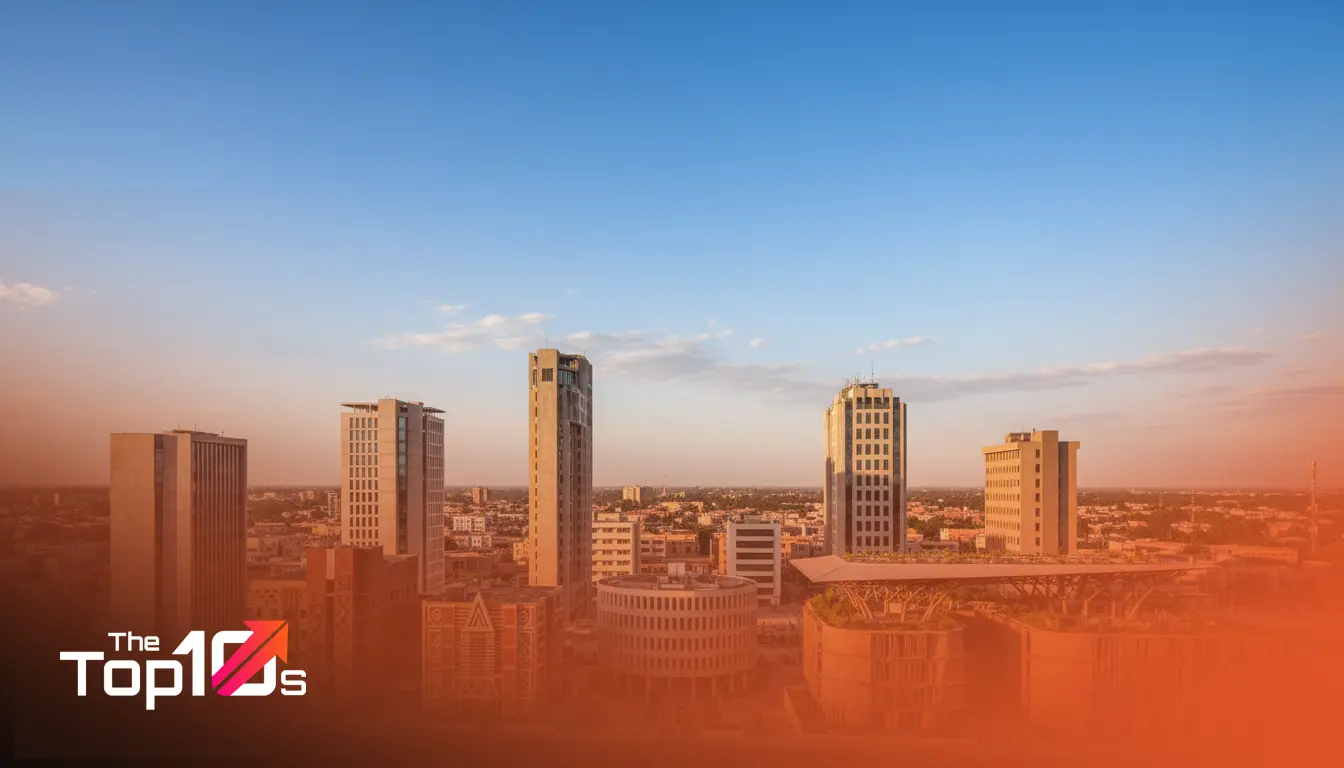
Building in Ouagadougou isn’t just about pouring concrete or stacking bricks. It is a negotiation with the Sahelian climate, a conversation with the red earth, and a careful balancing act between rapid urbanization and traditional heritage. Whether you are planning a family compound in Ouaga 2000 or a commercial complex in the city center, the person holding the pen matters just as much as the materials you use.
You might be thinking that hiring a professional architect is a luxury you can skip. Many people try to manage with a basic draftsman or a contractor to save money upfront. Here’s the thing: that approach often costs more in the long run through ventilation issues, structural repairs, or inefficient energy usage. In a city where temperatures regularly soar above 40°C, design isn’t just aesthetic; it’s a survival mechanism.
The right architectural partner transforms a plot of land into a livable, breathable environment. They understand how the harmattan winds move, how to orient a building to minimize solar heat gain, and how to navigate the administrative maze of obtaining a building permit (Permis de Construire) in Burkina Faso.
Quick Takeaways: Architectural Planning in Ouaga
- Climate is King: The best designs prioritize passive cooling and airflow to reduce reliance on air conditioning.
- Material Matters: Local materials like Compressed Earth Blocks (BTC) are seeing a resurgence alongside concrete for their thermal properties.
- Paperwork is Real: A registered architect is often required to get your blueprints approved by the municipal authorities.
- Scope Varies: Some professionals focus strictly on design, while others offer “clé en main” (turnkey) services, managing construction from start to finish.
How We Identified Leading Architects
Selecting the top design talent in Burkina Faso requires looking beyond flashy 3D renderings. Our evaluation process focused on finding professionals who demonstrate a deep understanding of the local context. We didn’t just look for pretty pictures; we looked for built realities.
We analyzed public portfolios and firm profiles based on several key indicators. First, we considered longevity and presence. Firms that have successfully delivered projects over the last decade demonstrate reliability. Second, we looked at stylistic versatility. Can the architect handle the rigorous demands of a corporate headquarters as well as the intimate nuance of a private residence?
We also factored in sustainability practices. Given the global shift toward green building—and the local necessity of thermal comfort—architects who utilize local materials and energy-efficient designs scored higher. Finally, we looked for evidence of professional standing within the Burkinabè construction community, specifically checking for affiliation with recognized professional bodies which suggest adherence to ethical and technical standards.
List of 10 Best Architects in Ouagadougou
| Name | Best for |
|---|---|
| Diébédo Francis Kéré (Kéré Architecture) | Institutional projects, cultural centers, or high-end sustainable developments |
| Cabinet d’Architecture G2 Conception | Commercial structure that maximizes rentable space while maintaining a distinct visual identity |
| Agence DAUPHIN | Contemporary villa that feels international yet respects the local climate constraints |
| Perspective Architecture | Corporate clients and government contracts |
| Cabinet ARCHI-CONSULT | First-time builders in Ouagadougou who need guidance through the bureaucratic process |
| B.A.D (Bureau d’Architecture et de Décoration) | Luxury residential projects and boutique commercial spaces |
| IMHOTEP Architectes | Multi-story buildings where structural integrity and safety are the paramount concerns |
| Agence KAURI | Culturally resonant design for cultural centers, guesthouses, or homes that reflect Burkinabè identity |
| AIC (Architecture Ingénierie Conseil) | Industrial facilities or specialized healthcare units |
| Sahel Architects | Architecture for the semi-arid climate, including deep overhangs, sun-shading devices, and cross-ventilation strategies |
Top 10 Architects In Ouagadougou
The following professionals and firms represent the vanguard of design in the capital. They range from globally celebrated pioneers to reliable local experts known for getting the job done.
1. Diébédo Francis Kéré (Kéré Architecture)
It is impossible to discuss architecture in Burkina Faso without starting here. As the first African recipient of the Pritzker Architecture Prize, Francis Kéré has fundamentally shifted the global perception of Burkinabè architecture. His work is characterized by “critical regionalism”—using local materials like clay and laterite stone combined with modern engineering.
While his firm operates globally, his impact on local design philosophy is immense. His projects often feature elevated roofs for passive ventilation and innovative use of local labor. He is the ideal choice for institutional projects, cultural centers, or high-end sustainable developments where the goal is to make a profound statement about heritage and future.
2. Cabinet d’Architecture G2 Conception
G2 Conception has established itself as a formidable player in the Ouagadougou construction sector. They are known for a pragmatic, modern approach that blends functionality with contemporary aesthetics. Their portfolio typically includes mixed-use buildings and office complexes that define the city’s modern skyline.
This firm is particularly strong in project management. Clients often praise their ability to translate complex requirements into clean, buildable plans. If you are a developer looking for a commercial structure that maximizes rentable space while maintaining a distinct visual identity, G2 represents a solid option.
3. Agence DAUPHIN
Agence DAUPHIN brings a refined touch to residential and commercial projects. Their work often reflects a mastery of light and space, ensuring that interiors feel expansive even within tighter urban plots. They have a reputation for attention to detail, particularly in the finishing stages, which is often a pain point in local construction.
Their designs frequently incorporate modern minimalist elements adapted for the Sahel. This makes them a strong candidate for homeowners who want a contemporary villa that feels international yet respects the local climate constraints.
4. Perspective Architecture
Perspective Architecture operates with a focus on technical rigor and urban integration. Their team understands the evolving density of Ouagadougou and designs structures that fit harmoniously into the existing urban fabric. They are often involved in larger-scale planning and public works.
What sets them apart is their approach to site analysis. They spend considerable time understanding the topography and existing infrastructure before drawing a line. This diligence minimizes costly surprises during the excavation and foundation phases. They are well-suited for corporate clients and government contracts.
5. Cabinet ARCHI-CONSULT
ARCHI-CONSULT is known for versatility. They have a broad portfolio that spans educational facilities, health centers, and private housing. Their strength lies in their adaptability; they do not force a signature style onto a client but rather listen to the specific needs of the project brief.
They are particularly adept at navigating municipal regulations, helping clients move from the sketch phase to the construction phase with fewer administrative hiccups. For a first-time builder in Ouagadougou who needs guidance through the bureaucratic process, ARCHI-CONSULT offers a reassuring hand.
6. B.A.D (Bureau d’Architecture et de Décoration)
As the name suggests, this firm bridges the gap between structural architecture and interior design. In many projects, the exterior shell and the interior flow are treated as separate entities, but B.A.D integrates them seamlessly. Their designs often feature custom interior elements that complement the building’s structure.
This holistic approach makes them a favorite for luxury residential projects and boutique commercial spaces (like hotels or restaurants) where the interior atmosphere is crucial to business success.
7. IMHOTEP Architectes
Drawing inspiration from the legendary Egyptian architect, this firm aspires to timelessness and durability. IMHOTEP is recognized for solid, imposing structures that convey a sense of permanence. They frequently utilize concrete and steel in expressive ways, creating buildings that feel secure and substantial.
Their team is highly technical, often employing advanced modeling software to visualize structural loads and thermal performance. This is the firm to call for multi-story buildings where structural integrity and safety are the paramount concerns.
8. Agence KAURI
Named after the cowrie shell, a symbol of wealth and tradition, Agence KAURI focuses on culturally resonant design. They are part of a growing movement of architects who are not afraid to use color, texture, and traditional motifs in modern construction.
Their work often feels warmer and more organic than the typical glass-and-steel blocks. If you are looking to build a cultural center, a guesthouse, or a home that reflects Burkinabè identity without sacrificing modern plumbing and electricity, KAURI is an excellent fit.
9. AIC (Architecture Ingénierie Conseil)
AIC positions itself at the intersection of architecture and engineering. This dual focus allows them to tackle technically complex projects where the design is heavily dictated by engineering constraints, such as industrial facilities or specialized healthcare units.
Their methodology is data-driven. They prioritize efficiency and budget adherence, often using value engineering to save clients money without compromising the building’s function. They are ideal for industrial or large-scale commercial investors.
10. Sahel Architects
This firm (or collective of professionals operating under similar principles) specializes in architecture for the semi-arid climate. Their designs are characterized by deep overhangs, sun-shading devices (brise-soleil), and cross-ventilation strategies. They fight the heat with physics, not just electricity.
They are strong proponents of “appropriate technology,” meaning they design buildings that can be maintained easily by local technicians. For NGOs or development agencies building in Ouagadougou or the surrounding provinces, Sahel Architects understands the logistical realities of the region.
What Defines a Great Architect in Ouagadougou?
You might wonder what actually separates the top tier from the average practitioner in this specific city. In Ouagadougou, talent isn’t just about drawing straight lines; it’s about understanding the environment.
Mastery of Thermal Comfort
The Sahelian climate is unforgiving. A great architect doesn’t just slap an AC unit on the wall and call it a day. They orient the building to avoid direct east-west sun exposure. They use thermal mass (thick walls) to absorb heat during the day and release it at night. If an architect isn’t talking to you about airflow direction in the first meeting, that’s a red flag.
Material Innovation
For decades, cement blocks were seen as the only “modern” choice. However, leading minds are now returning to Compressed Earth Blocks (BTC) and laterite stone. These materials breathe better than concrete and have a lower carbon footprint. The best architects know how to use these materials so they look sophisticated, not primitive.
Regulatory Navigation
Ouagadougou is growing fast, and urban planning regulations are constantly evolving to keep up. A top-tier professional stays updated on zoning laws, setbacks, and sanitation requirements. They ensure your investment is legal and won’t face demolition orders later because of a zoning violation.
How to Choose the Right Architect for Your Needs
Finding the right partner is about alignment. Just as we see rapid development requiring skilled design in other African hubs—check out our analysis of the top 10 architects in Bulawayo for comparison—Ouagadougou is experiencing a similar renaissance where the right choice is critical.
Define Your Project Scope
Are you building a personal villa, a commercial rental property, or a specialized facility? Some firms excel at the technical specifications of a hospital, while others are better at the artistic flow of a luxury home. Be clear about your end goal before you interview anyone.
Ask About “Suivi de Chantier”
Designing the plan is only half the battle. Ask the architect if they offer site supervision (suivi de chantier). In Burkina Faso, having the architect visit the site regularly ensures the masons are actually following the plans. This accountability is often worth the extra fee.
Check Their Portfolio for Aging
Don’t just look at photos taken on the day the building opened. Ask to see buildings they completed five years ago. How is the paint holding up? Are there cracks? Did the design handle the rainy season well? A building’s durability tells you more about the architect’s competence than a digital rendering ever could.
Frequently Asked Questions
Do I legally need an architect to build a house in Ouagadougou?
For most permanent structures, yes. To obtain a building permit (Permis de Construire) from the municipal authorities, your plans typically need to be stamped by an architect registered with the Ordre des Architectes du Burkina Faso (OAB).
How do architects in Burkina Faso charge for their services?
Fees vary. Some charge a percentage of the total estimated construction cost (usually between 5% and 10%), while others may charge a flat fee based on the square footage and complexity of the design. Always clarify if site supervision is included in this fee.
Can architects build with earth bricks (BTC) instead of cement?
Absolutely. Many top architects in Ouagadougou now specialize in BTC construction. It is often encouraged for its superior thermal properties, keeping the house cooler than cement blocks.
What is the difference between an architect and a techno-designer?
An architect has undergone advanced university training and licensure, focusing on design theory, safety, and legal compliance. A techno-designer or draftsman usually handles technical drawings but may lack the comprehensive training regarding structural engineering and complex planning regulations.
How long does the architectural design process take?
For a standard residential home, the design phase—including sketches, revisions, and final technical drawings—usually takes between one to three months. However, obtaining the building permit after the design is finished can take additional time depending on municipal processing speeds.
Next Steps for Your Project
Embarking on a construction project in Ouagadougou is an exciting venture. The city is vibrant, expanding, and full of potential. However, the difference between a dream home and a stressful money pit often comes down to the planning phase.
Don’t rush the selection process. Schedule consultations with two or three of the firms listed above. Bring your land documents and a list of your needs. Listen to how they respond to your ideas—do they push back with constructive technical advice, or do they just say “yes” to everything? You want a partner who will guide you, not just a yes-man.
Invest in good design now, and your building will pay you back in comfort and durability for decades to come.