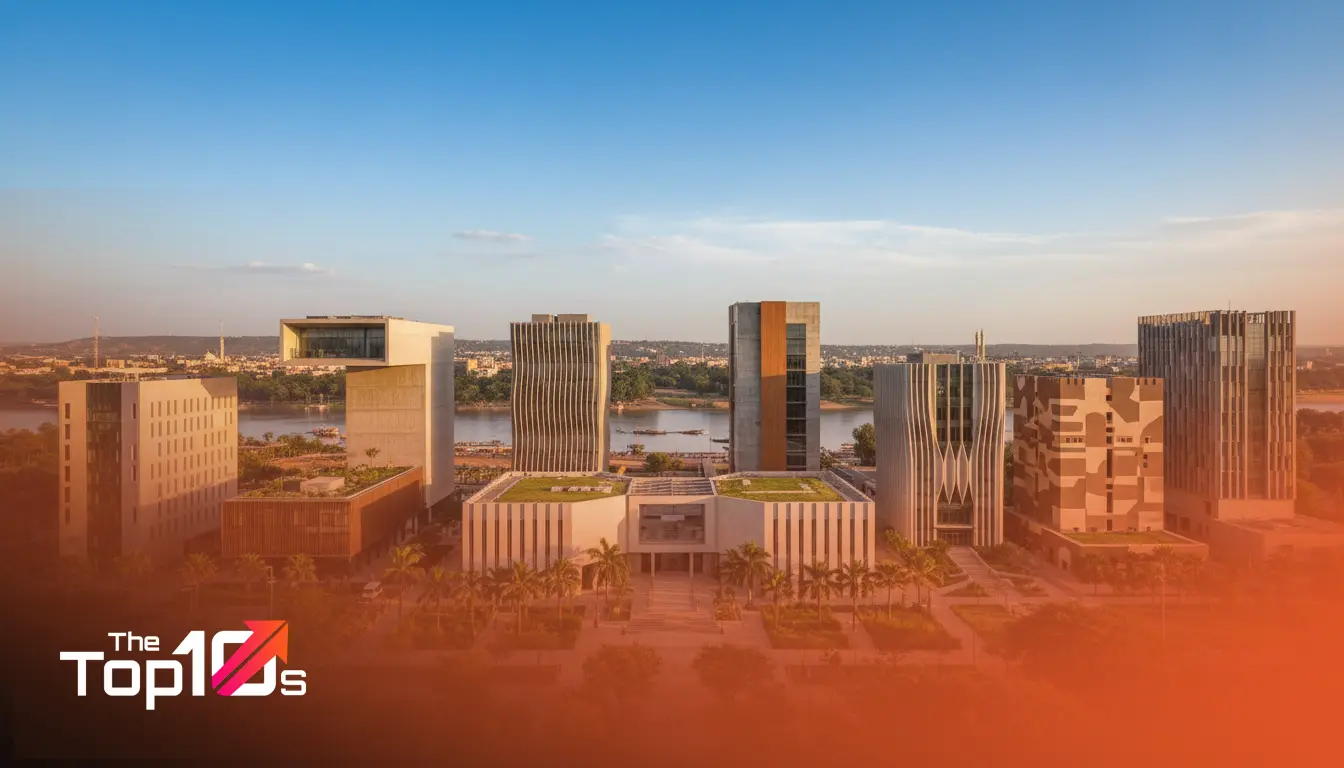
- Climate is King: The best designs in Bamako prioritize passive cooling and airflow to handle the Sahelian heat.
- Regulatory Compliance: Always verify your architect is registered with the Ordre des Architectes du Mali (OAM).
- Diverse Styles: Options range from modern concrete minimalism in ACI 2000 to neo-Sudano-Sahelian earth styles.
- Full-Service Matters: Look for firms that handle the process from the initial sketch to the final permis de construire (building permit).
- Communication: Choose a professional who speaks your language, both literally and stylistically.
Building in Bamako is an adventure. Whether you are looking at a plot in the bustling ACI 2000 district, a riverside spot in Badalabougou, or a quieter corner in Kalabancoro, the heat and the dust dictate the rules. You can’t just drop a European-style glass box in the middle of Mali and expect it to work without massive energy costs.
That is where a skilled architect becomes your most valuable asset. It isn’t just about drawing pretty lines; it is about understanding how the sun hits the façade at 2 PM in April and how to navigate the local bureaucracy to get your project off the ground.
You might be wondering who actually leads the design scene here. The architectural landscape in Mali is robust, blending rich historical traditions with modern engineering. Finding the right partner, however, takes a bit of digging.
How We Identified Leading Architects
Selecting a design partner is personal, but we wanted to provide a list based on objective markers of quality. We didn’t just pick names out of a hat. Our selection methodology focuses on professionals who demonstrate a deep understanding of the local environment and regulatory framework.
We looked for firms and individuals with a proven track record of completed projects in the region. Theoretical designs are nice, but standing structures prove competence. We also considered their standing with the Ordre des Architectes du Mali, as registration is non-negotiable for legal compliance.
Furthermore, we analyzed the breadth of their portfolios. Does the firm only do commercial high-rises, or can they handle the nuances of a private family residence? We also looked for a balance between aesthetic innovation and practical functionality—specifically, how well their buildings handle the Malian climate.
List of 10 Best Architects in Bamako
| Name | Best for |
|---|---|
| Cabinet d’Architecture et d’Urbanisme (CAU) | Large-scale commercial complexes, corporate clients, and large-scale developers |
| Cabinet KENE | Contemporary villas, residential design for clients who want a modern feel |
| Bureau d’Études d’Architecture et d’Urbanisme (BEAU) | Structural integrity, functional efficiency, and clients who prioritize durability and space optimization |
| Groupe 4 Architecture | |
| Arcade Mali | Project management, clients managing a project from abroad, and busy professionals who cannot visit the construction site every day |
| Cabinet d’Architecture et de Décoration (CAD) | Interior design, residential clients who are particular about their interior design and want a seamless transition between the architecture and the décor |
| L’Atelier d’Architecture et de Design | Commercial retail spaces, modern apartments, and clients developing a property intended for the rental market in an upscale neighborhood |
| Sahel Architecture | Eco-conscious clients, bioclimatic design, and passive cooling techniques |
| Bati-Concept | Efficiency, speed, and business owners who need to get a facility up and running within a tight timeframe |
| Archi-Mali Projects | Community and institutional projects, NGOs, government bodies, and public safety codes and accessibility standards |
Top 10 Architects In Bamako
Here are ten architectural firms and professionals who are shaping the skyline of Bamako and offering distinct approaches to design and construction.
1. Cabinet d’Architecture et d’Urbanisme (CAU)
If you are looking for experience, CAU often stands out as a pillar in the local industry. They have established a reputation for handling large-scale projects that require rigorous planning and coordination. Their work frequently spans public buildings and large commercial complexes.
Their strength lies in navigating complex urban planning regulations. For a developer looking to build a multi-story office or a mixed-use complex in a dense neighborhood, CAU brings the necessary technical weight to the table. They are generally best suited for corporate clients or large-scale developers who need a steady hand.
2. Cabinet KENE
Cabinet KENE has made a name for itself by blending modern architectural needs with local context. They don’t just copy-paste western designs; they interpret them for the Malian reality. You will often see their work characterized by clean lines that still respect the local building materials and climate constraints.
This firm is particularly strong in residential design for clients who want a contemporary feel without sacrificing thermal comfort. If you want a modern villa that feels at home in Bamako rather than alien to it, KENE is a strong contender to consider.
3. Bureau d’Études d’Architecture et d’Urbanisme (BEAU)
BEAU represents the technical side of the coin. In Mali, the line between architecture and engineering can sometimes blur, and BEAU excels where these two disciplines meet. Their approach is often pragmatic, focusing heavily on structural integrity and functional efficiency.
They are an excellent choice for clients who prioritize durability and space optimization over purely decorative flair. If you have a challenging plot of land or specific structural requirements, their technical focus helps mitigate risks early in the planning phase.
4. Groupe 4 Architecture
Creativity drives Groupe 4. This team is often associated with projects that try to break the mold visually. They experiment with façade treatments and volumetric compositions that catch the eye. However, they manage to keep their designs grounded enough to be buildable.
This firm attracts clients who want a “signature” look. Whether it is a boutique hotel or a high-end private residence, Groupe 4 fits the bill for those who view their building as a statement piece rather than just a utility.
5. Arcade Mali
Arcade brings a comprehensive approach to the design process. They are known for their project management capabilities, often assisting clients from the initial sketch right through to site supervision. This holistic view is crucial in Bamako, where disconnects between the architect and the contractor can lead to delays.
Homeowners who are managing a project from abroad often find this level of oversight reassuring. Arcade is well-suited for the diaspora community or busy professionals who cannot visit the construction site every day.
6. Cabinet d’Architecture et de Décoration (CAD)
As the name suggests, CAD places a heavy emphasis on the interior experience as well as the exterior shell. They understand that a house must be lived in, not just looked at. Their designs often feature thoughtful interior flows and detailed finishing specifications.
This firm is ideal for residential clients who are particular about their interior design and want a seamless transition between the architecture and the décor. If you care deeply about lighting, flow, and material finishes, CAD warrants a conversation.
7. L’Atelier d’Architecture et de Design
This studio often appeals to a younger, more modern demographic. Their designs tend to be minimalist and sharp, utilizing concrete and glass in interesting ways while employing shading devices to protect against the sun. They represent the new wave of Bamako design.
They are a great match for commercial retail spaces or modern apartments. If you are developing a property intended for the rental market in an upscale neighborhood, their contemporary style tends to attract high-value tenants.
8. Sahel Architecture
Sahel Architecture focuses deeply on bioclimatic design. They acknowledge that electricity is expensive and outages happen. Consequently, their designs prioritize natural ventilation, thermal mass, and passive cooling techniques. They often draw inspiration from traditional Sudano-Sahelian architecture but update it with modern materials.
This is the go-to firm for the eco-conscious client. If you want to reduce your long-term air conditioning bills and build something that feels authentically Malian, their expertise is invaluable.
9. Bati-Concept
Bati-Concept is known for efficiency and speed without cutting corners. They have a streamlined process that helps move projects through the approval and design phases relatively quickly. Their portfolio is diverse, ranging from small renovations to medium-sized commercial buildings.
They are well-suited for business owners who need to get a facility up and running within a tight timeframe. Their pragmatic approach to construction detailing helps avoid common onsite bottlenecks.
10. Archi-Mali Projects
Rounding out our list is Archi-Mali, a firm that excels in community and institutional projects. They have experience working with NGOs and government bodies, which requires a high level of transparency and documentation. Their designs are often functional, accessible, and robust.
If you are planning a school, a clinic, or a community center, their familiarity with public safety codes and accessibility standards makes them a safe and reliable choice.
What Defines a Great Architect in Bamako?
You might think architecture is the same everywhere, but context changes everything. A great architect in New York creates airtight glass towers; a great architect in Bamako creates breathable sanctuaries.
Mastery of Thermal Comfort
The defining trait of a top-tier professional here is their ability to design for heat. This involves knowing how to orient a building to minimize direct solar gain while maximizing cross-ventilation. It involves choosing materials—like hollow concrete blocks, compressed earth bricks (BTC), or stone—that regulate temperature effectively.
Regulatory Navigation
Bamako’s urban planning landscape is evolving. A skilled architect knows the Plan Urbanisme inside and out. They know exactly how much of your plot you can build on (coefficient d’emprise au sol) and how high you can go. More importantly, they have the professional standing to facilitate the approval of your permis de construire.
Cultural Sensitivity
Family structures in Mali can be different from those in the West. Great designs often incorporate spaces for extended family gatherings, separate receiving areas for guests, and outdoor cooking spaces that are crucial for daily life. Understanding these cultural nuances prevents the design of a house that looks good but feels wrong to live in.
Interestingly, looking at how other cities in the region handle these challenges can offer perspective. For example, the top 10 architects in Cotonou face similar heat but significantly higher humidity, leading to different ventilation strategies that can be fascinating to compare with Sahelian approaches.
How to Choose the Right Architect for Your Needs
Selecting someone to design your future property is a hiring decision you will live with for decades. Here is how to get it right.
Review the “Buildability” of Their Portfolio
Don’t just look at the 3D renderings. Ask to see photos of the construction process. Does the architect visit the site? Do their finished buildings look like the drawings? In Bamako, the gap between a digital render and the finished reality can be wide if the architect lacks technical oversight.
Discuss Budget Honestly
Construction costs in Mali have fluctuated due to material import prices (cement, iron). A good architect will be upfront about the cost per square meter. Ask them how they handle “value engineering”—the process of reducing costs without sacrificing the design intent.
Check Registration
Verify that your candidate is a member of the Ordre des Architectes du Mali. This is not just a badge; it is a legal requirement for signing off on architectural plans for permits. Working with an unregistered draftsman might save money initially but can lead to legal headaches later.
Communication Style
Your project might take a year or more. Do you want to spend that year with someone who dictates to you, or someone who listens? During your first meeting, notice if they ask about your lifestyle, your family, and your long-term goals, or if they just start talking about their own style.
Frequently Asked Questions
Do I really need an architect for a residential house in Bamako?
Yes. Beyond the design value, obtaining a building permit in Mali requires architectural plans signed by a registered professional. Furthermore, a good architect prevents costly structural mistakes that are common when building informally.
How much do architects charge in Mali?
Fees vary, but they are typically calculated as a percentage of the total construction cost, often ranging between 5% and 10%. Some architects may charge a flat fee for smaller projects or specific design phases. Always get this in a written contract.
Can architects in Bamako also handle construction?
Some firms offer “design-build” services where they handle both design and construction. However, traditionally, the architect acts as your advocate to oversee a separate construction contractor. This ensures quality control, as the person building isn’t the same person inspecting the work.
What are “BTC” bricks, and should I use them?
BTC (Briques de Terre Comprimée) are compressed earth blocks. Many architects recommend them because they offer superior thermal insulation compared to cement blocks, keeping your home cooler. They also support the local economy and are environmentally friendly.
How long does the design process usually take?
For a standard family villa, expect the design phase (from concept to final technical drawings) to take anywhere from 2 to 4 months. This allows time for revisions, soil studies, and permit applications.
Moving Forward With Your Project
Building in Bamako offers a unique opportunity to create something that stands the test of time and climate. The architects listed above represent a mix of technical precision, artistic flair, and local wisdom. The key is to find the one whose philosophy aligns with your vision.
Don’t rush the selection process. Meet with two or three firms. Visit a site they are currently working on. The dust of Bamako is unforgiving to poor planning, but for a well-designed project, it becomes the backdrop to a beautiful, enduring home. Check resources like ArchDaily’s Mali projects to gather more visual inspiration before your first meeting.