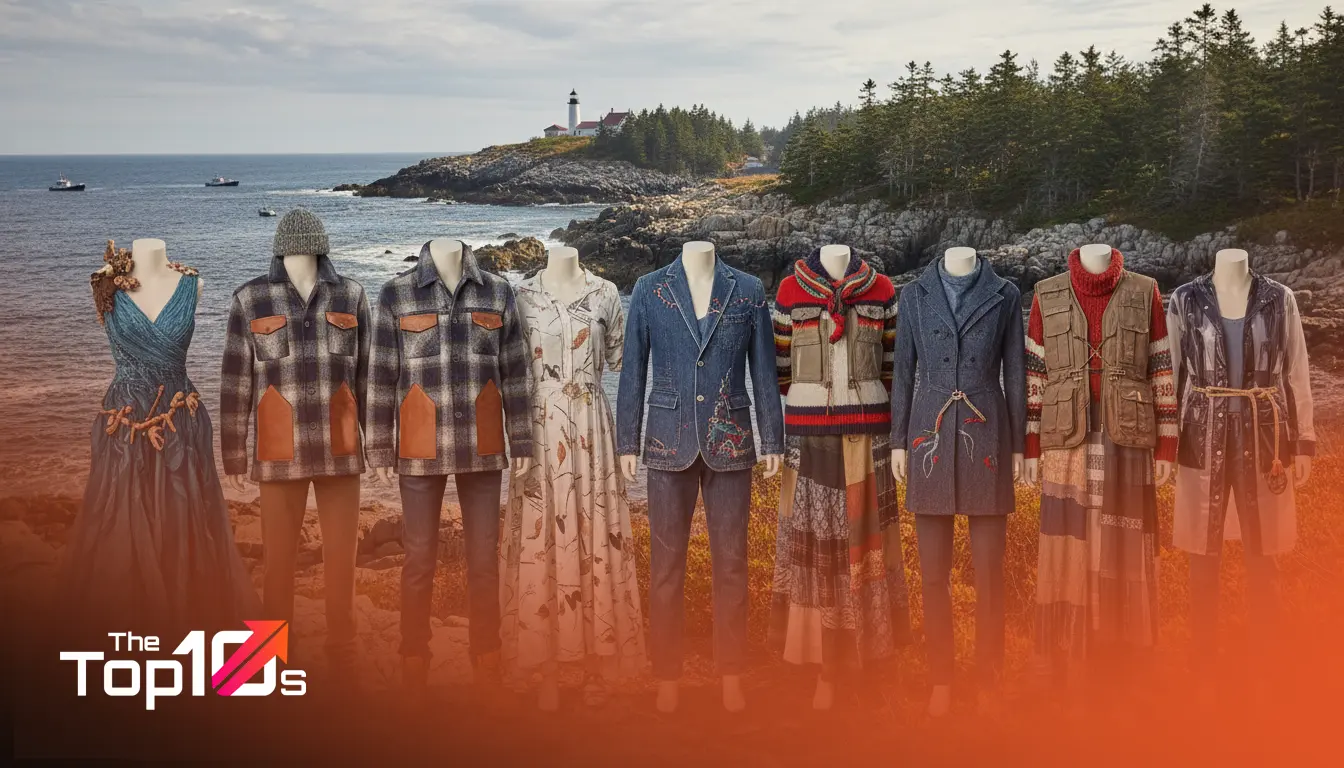
Think Maine fashion is nothing but heavy flannel shirts and bean boots? You might want to take a second look. While the state certainly respects functionality—winter here is no joke—there is a thriving, sophisticated design community operating quietly along the rocky coast. The creative energy in Portland, Brunswick, and mid-coast towns has evolved into a hub for “slow fashion,” where meticulous craftsmanship meets modern aesthetics.
Finding the right designer in the Pine Tree State isn’t just about buying a garment; it’s about investing in a philosophy. Whether you are looking for the perfect tailored oxford, a bespoke bridal gown, or sustainable knitwear that lasts a lifetime, local creators are prioritizing quality materials and ethical production over fast-fashion trends. This guide cuts through the noise to highlight the creative minds shaping the way Maine dresses.
Quick Takeaways
- Function Meets Form: Maine designers almost always prioritize durability and fabric quality due to the regional climate.
- Sustainability Focus: Many local studios champion “slow fashion,” using deadstock fabrics or natural fibers to minimize waste.
- Accessibility: Unlike major fashion capitals, Maine designers are often accessible for direct consultations and custom adjustments.
- Diverse Aesthetics: The scene ranges from rugged, nautical-inspired gear to delicate, high-end couture.
How We Identified Leading Fashion Designers
Curating a list of top design talent requires looking beyond Instagram follower counts. To bring you a truly representative selection of Maine’s fashion sector, we focused on indicators of genuine craftsmanship and professional longevity. We looked for designers who have established a clear, recognizable voice in the industry.
Our selection process weighed several factors heavily. We prioritized professionals with verifiable experience in garment construction and textile selection. We also looked at the sustainability of their business models—specifically, how they source materials and where their production takes place. Finally, we considered community reputation. In a tight-knit state like Maine, word-of-mouth regarding quality and client service is arguably the most reliable metric available. The individuals listed below represent a mix of established industry veterans and rising talents who are redefining New England style.
List of 10 Best Fashion Designers in Maine
| SNO | Name | Best For |
|---|---|---|
| 1 | Jill McGowan | Professionals seeking high-quality, impeccably fitted shirts and tunics that work for both the office and casual settings. |
| 2 | Natasha Durham (Rough & Tumble) | Individuals looking for investment-grade leather bags and accessories that improve with age. |
| 3 | Alaina Marie | Shoppers who want colorful, durable statement pieces that tell a distinct story about Maine’s maritime culture. |
| 4 | Whitney Reynolds & Ben Waxman (American Roots) | Consumers who prioritize ethical manufacturing and want high-quality, American-made casual wear. |
| 5 | Bristol Ivy | Fiber art enthusiasts and those who appreciate architectural, structural knitwear design. |
| 6 | E.L.F. (Erica Lutz Fashion) | Brides and event-goers looking for one-of-a-kind, romantic gowns created with personal attention to detail. |
| 7 | Kurier (Kimberly Hoeger) | Fashion lovers seeking handmade footwear and accessories with a retro-modern flair. |
| 8 | Brook DeLorme (Brook There) | Women seeking sustainable, organic lingerie and loungewear that feels like a second skin. |
| 9 | Jacki Loring | Clients needing dramatic, custom-made apparel for events, performance, or artistic expression. |
| 10 | Kittery Trading Post (In-House Design Team) | Outdoor enthusiasts looking for apparel designed specifically for Northeast weather conditions. |
Top 10 Fashion Designers in Maine
1. Jill McGowan
If you have ever searched for the perfect white button-down, you have likely crossed paths with the work of Jill McGowan. Based in Portland, McGowan launched her label with a singular mission: to fix the fit issues that plagued women’s shirting. She recognized early on that standard sizing often failed to account for real body variations, leading to gaping buttons and uncomfortable shoulders.
Her approach blends classic American sportswear with European tailoring techniques. McGowan uses high-quality cottons and linens, often sourced from the same mills used by heritage menswear brands. The result is a collection that feels timeless rather than trendy. Her studio has become a staple for professional women who refuse to sacrifice comfort for polish.
Best Suited For: Professionals seeking high-quality, impeccably fitted shirts and tunics that work for both the office and casual settings.
2. Natasha Durham (Rough & Tumble)
Natasha Durham represents the intersection of rugged utility and high-end design. Operating out of Brunswick, her brand, Rough & Tumble, began as a quest to create a bag that she actually wanted to carry. What started as a small project has exploded into a cult favorite brand known for its distinctive leather bags that prioritize function without looking industrial.
Durham’s design genius lies in versatility. Many of her pieces are convertible, shifting from tote to backpack to crossbody with a simple strap adjustment. She utilizes premium Italian, French, and domestic leathers, often incorporating distinctive textures. While primarily known for accessories, her influence on the Maine aesthetic—practical luxury—is undeniable.
Best Suited For: Individuals looking for investment-grade leather bags and accessories that improve with age.
3. Alaina Marie
Authenticity is a buzzword in fashion, but Alaina Marie Harris lives it. Based in South Portland, she took a material ubiquitous to the Maine waterfront—marine-grade bait bag mesh—and reimagined it as a fashion textile. Her clutch bags and accessories are instantly recognizable by their vibrant colors and durable, textured weave.
Her design evolution has been fascinating to watch. While the mesh “bait bag” clutch remains her signature, she has expanded her aesthetic to include bold patterns and lifestyle accessories that capture the spirited, colorful side of coastal living. It is a brilliant example of taking a utilitarian, local material and elevating it through thoughtful design context.
Best Suited For: Shoppers who want colorful, durable statement pieces that tell a distinct story about Maine’s maritime culture.
4. Whitney Reynolds & Ben Waxman (American Roots)
Fashion is political, and nowhere is that more evident than at American Roots in Westbrook. Founded by Whitney Reynolds and Ben Waxman, this company isn’t just about making clothes; it’s about rebuilding the American supply chain. They specialize in fleece and casual wear, but the design element here is deeply rooted in ethical labor and fabric sourcing.
Their design philosophy centers on classic American comfort—hoodies, quarter-zips, and vests—executed with 100% USA-sourced materials and union labor. Reynolds leads the creative direction, ensuring that while the silhouettes are familiar, the fit and finish exceed what you typically find in mass-market fleece. It is straightforward, honest clothing designed for real life.
Best Suited For: Consumers who prioritize ethical manufacturing and want high-quality, American-made casual wear.
5. Bristol Ivy
Maine has a long history with wool, and Bristol Ivy is pushing that history into the future. As a knitwear designer and teacher, she is known globally for breaking the rules of traditional knitting. Her designs often feature structural anomalies, unexpected construction methods, and a sculptural approach to yarn that turns a sweater into a piece of art.
Ivy’s work requires a high level of technical understanding. She doesn’t just draft a pattern; she manipulates the geometry of the fabric. Her collections are often published for hand-knitters, allowing the audience to become part of the creation process, though her finished samples demonstrate a high-fashion sensibility that rivals avant-garde runway pieces.
Best Suited For: Fiber art enthusiasts and those who appreciate architectural, structural knitwear design.
6. E.L.F. (Erica Lutz Fashion)
In the realm of custom bridal and evening wear, Erica Lutz brings a whimsical, fairy-tale aesthetic to the Maine coast. Operating under the E.L.F. moniker, Lutz specializes in bespoke creations that often incorporate intricate lacework, vintage materials, and soft, romantic silhouettes. Her studio offers an antidote to the “bridal factory” experience found in big-box stores.
What sets Lutz apart is her collaborative design process. She works closely with clients to construct garments that fit their specific body types and personal visions. Her work often features hand-dyed fabrics and custom reconstruction, allowing brides to incorporate heirloom textiles into modern designs.
Best Suited For: Brides and event-goers looking for one-of-a-kind, romantic gowns created with personal attention to detail.
7. Kurier (Kimberly Hoeger)
Kimberly Hoeger, the creative force behind Kurier in Portland, designs with a deep appreciation for heritage craft. Her work focuses on leather and textiles, specifically clogs and handbags that channel a vintage 70s vibe while remaining thoroughly modern. Hoeger’s design strength is her eye for mixing textures—pairing a smooth vegetable-tanned leather with a hairy suede or a bold print.
Kurier is a testament to the “maker” culture in Maine. Every piece feels substantial and human-made. Hoeger’s clog designs, in particular, have garnered a loyal following because they balance the practical need for comfortable footwear with a stylish, chunky aesthetic that pairs perfectly with the region’s layered fashion.
Best Suited For: Fashion lovers seeking handmade footwear and accessories with a retro-modern flair.
8. Brook DeLorme (Brook There)
Sustainability is the core pillar for Brook DeLorme. Her lingerie and basics brand, Brook There, focuses on organic cottons and real-silk blends, prioritizing the health of the wearer and the environment. Based in the Greater Portland area, DeLorme’s design aesthetic is minimalist, structural, and incredibly intimate.
She avoids underwires and heavy padding, relying instead on intelligent cutting and high-quality elastic to provide support. This creates a silhouette that is natural and comfortable. Her color palettes often reflect the muted, earthy tones of the Maine landscape—granite grays, pine greens, and sky blues.
Best Suited For: Women seeking sustainable, organic lingerie and loungewear that feels like a second skin.
9. Jacki Loring
Jacki Loring is a name often associated with textile innovation and costume design within the state. Her background spans theater and high fashion, giving her a dramatic flair that translates into unique custom garments. Loring understands how fabric moves under light and how construction impacts performance.
Her work often involves custom commissions where storytelling is key. Whether designing for a stage production or a private client’s gala event, Loring brings a theatrical level of detail to the garment. She is known for not shying away from bold structures or complex pattern-making challenges that other designers might avoid.
Best Suited For: Clients needing dramatic, custom-made apparel for events, performance, or artistic expression.
10. Kittery Trading Post (In-House Design Team)
While Kittery Trading Post is a retailer, their impact on Maine’s functional fashion identity is massive through their private label development. The design teams responsible for their in-house apparel lines understand the specific rigors of New England weather better than almost anyone. This isn’t high couture, but it is high-stakes design.
These designers focus on technical specifications: water column ratings, breathability, and thermal retention. They represent the practical side of Maine design, creating garments that allow people to live and work comfortably outdoors. Their work influences how the general population of the state dresses daily.
Best Suited For: Outdoor enthusiasts looking for apparel designed specifically for Northeast weather conditions.
What Defines a Great Fashion Designer in Maine?
The fashion ecosystem in Maine differs significantly from New York or Los Angeles. Here, a great designer is defined by their ability to balance durability with elegance. The local consumer is educated and demanding; they know the difference between a synthetic blend and pure merino wool, and they expect their garments to survive more than one season.
Successful designers in this region also tend to be highly accessible. They operate studios where you can often meet the person cutting the fabric. This transparency builds trust. You aren’t just buying a brand name; you are supporting a neighbor who contributes to the local economy. Furthermore, the best designers here have embraced the “Maine aesthetic”—a look that is polished but never fussy, prepared for the elements but welcome at a dinner party.
While Maine focuses on wool and heavy textiles, designers in warmer climates prioritize breathability—much like you’ll find when exploring the Top 10 Fashion Designers in Louisiana. Understanding these regional distinctions helps you appreciate the intentional material choices made by local creators.
How to Choose the Right Fashion Designer for Your Needs
Selecting a designer is personal. Before you commit to a custom piece or invest in a high-end collection, consider the following factors to ensure the partnership yields the results you want.
Identify Your Primary Goal
Are you looking for everyday wear or a special occasion piece? Designers like Jill McGowan or American Roots are excellent for building a daily wardrobe, while someone like Erica Lutz is the go-to for one-off event wear. Knowing the designer’s specialization prevents mismatched expectations.
Ask About Materials
Maine designers take pride in their supply chains. Ask where the fabric comes from. Is it organic cotton? Is the leather vegetable-tanned? Understanding the materials will give you insight into the longevity and care requirements of the garment. If you have sensory sensitivities to wool or linen, this conversation is crucial.
Understand the Timeline
“Slow fashion” is called that for a reason. Custom work or small-batch production takes time. If you are commissioning a piece, ask about lead times upfront. A custom bag or gown might require weeks or even months of work. If you need something immediately, look for designers who maintain ready-to-wear inventory.
Frequently Asked Questions
Are Maine fashion designers expensive?
Generally, you will pay a premium compared to mass-market fast fashion, but the pricing is often competitive relative to luxury designer brands. You are paying for higher labor standards, better materials, and domestic production, which translates to a lower “cost per wear” over the garment’s life.
Can I visit these designers’ studios?
Many Maine designers, especially those in Portland and Brunswick, have open studios or storefronts. However, smaller independent designers often work by appointment only. It is always best to check their website or call ahead before dropping by.
Do these designers offer custom sizing?
This varies by designer. Creators focusing on bridal or bespoke wear (like E.L.F.) operate almost exclusively on custom sizing. Ready-to-wear designers (like Jill McGowan) typically stick to standard size charts, though they often offer a wider range of fits than average retailers.
Is sustainable fashion common in Maine?
Yes, sustainability is a massive focus in the Maine design community. From upcycling marine materials to using organic fibers and deadstock fabrics, eco-conscious production is more the rule than the exception here.
Where can I buy Maine-made fashion?
Beyond the designers’ own websites and studios, look for boutiques in Portland’s Old Port, Freeport, and Rockland. Many local boutiques curate collections from various regional artists, giving you a chance to see different styles in one place.
Final Thoughts
Exploring the fashion landscape of Maine reveals a community deep in talent and rich in integrity. These designers aren’t chasing the fleeting trends of the moment; they are building wardrobes intended to last. Whether you are drawn to the structural knitwear of Bristol Ivy or the rugged elegance of a Rough & Tumble bag, choosing a Maine designer means choosing quality.
To move forward, take some time to browse the portfolios of the creators listed above. Look for the aesthetic that resonates with your personal style. If possible, visit a studio or a local boutique to feel the fabrics and see the construction firsthand. In a world of disposable clothing, the Maine approach offers a refreshing return to permanence and pride in what we wear.