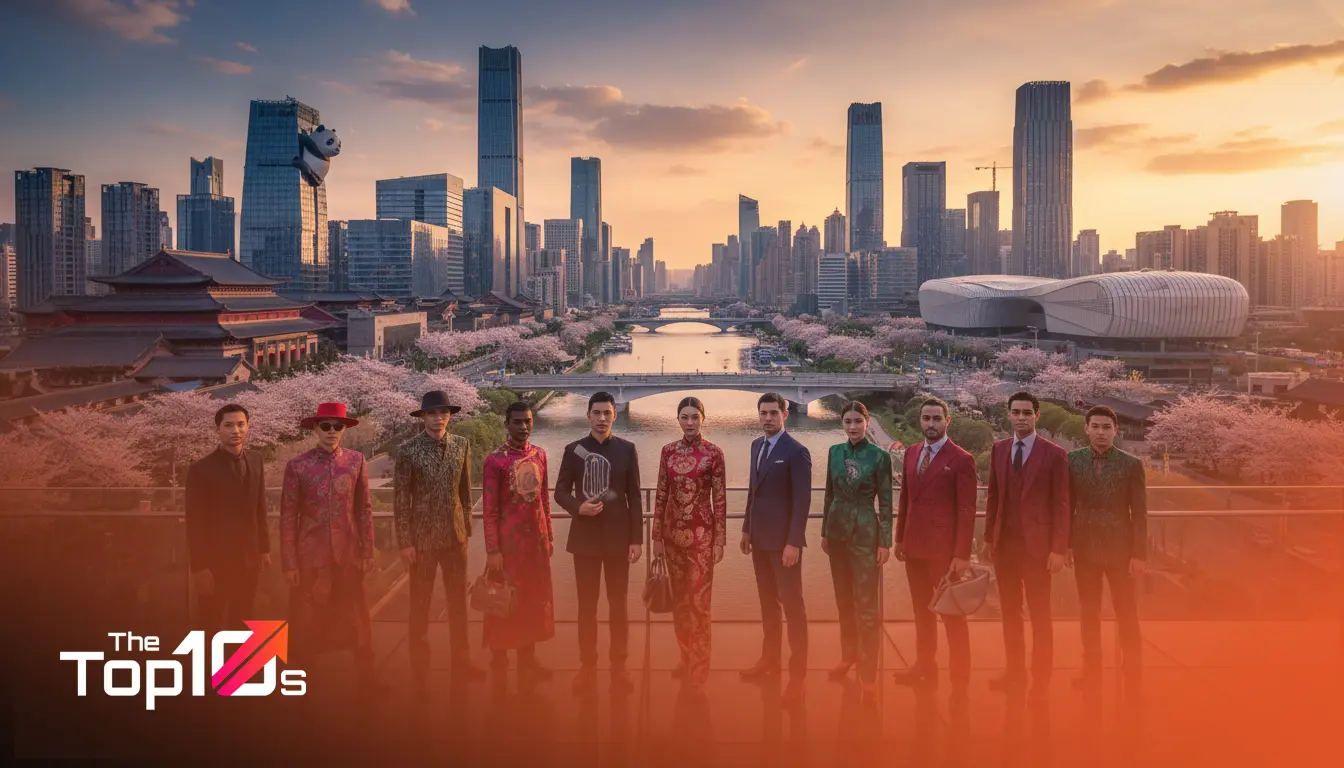
Walk through the open-air lanes of Taikoo Li in Chengdu, and you will notice something distinct about the energy. Unlike the polished, business-first vibe of Shanghai or the political rigidity of Beijing, Chengdu offers a fashion atmosphere that is unapologetically relaxed yet wildly experimental. It is a city where centuries-old Shu embroidery techniques sit comfortably alongside cyberpunk streetwear.
For retailers, brand owners, and fashion enthusiasts, understanding the creative forces behind this city is crucial. You aren’t just looking for someone who can sketch a dress; you are looking for visionaries who understand the unique “chill” culture of Southwest China while commanding global aesthetics. Finding the best fashion designers in Chengdu means filtering through a saturated market to find true craftsmanship and original voice.
Quick Takeaways: Chengdu’s Design Scene
- Streetwear Dominance: The city is the undisputed capital of Chinese streetwear, heavily influenced by local hip-hop culture.
- Heritage Fusion: Top designers often integrate traditional Sichuan symbols (like pandas, bamboo, and Shu brocade) without looking kitschy.
- Inclusivity: Chengdu’s fashion is known for being gender-fluid and body-positive compared to other Asian capitals.
- Sourcing Proximity: Designers here have excellent access to unique Western China textiles and artisan workshops.
How We Identified Leading Fashion Designers
Selecting the top talent in a city as dynamic as Chengdu requires looking beyond Instagram follower counts. We approached this list by analyzing the substance behind the style. Our selection process prioritized professionals who have demonstrated consistency over multiple seasons, rather than one-hit wonders.
We evaluated candidates based on their originality in silhouette and fabric use, their standing within the local creative community, and their ability to run a viable commercial operation. We looked for designers who have successfully showcased at regional events like Chengdu Fashion Week or have a strong retail presence in key districts like Chunxi Road. The goal was to highlight creative directors and independent designers who bridge the gap between avant-garde art and wearable apparel.
List of 10 Best Fashion Designers in Chengdu
| SNO | Name | Best For |
|---|---|---|
| 1 | Mao Baobao (CHICCO MAO) | Clients looking for statement pieces, red-carpet attire, or bold editorial looks that photograph exceptionally well. |
| 2 | Lei Qian (1807) | Retailers targeting Gen Z consumers and brands looking for collaborations in the urban streetwear space. |
| 3 | Wang Chang (DONSEE10) | Eco-conscious buyers and boutiques that prioritize sustainability without sacrificing modern design. |
| 4 | MaSiWei (A Few Good Kids) | Mass-market retail partnerships and pop-up events targeting music fans and streetwear collectors. |
| 5 | Yang Lu (LUYANG BY YANGLU) | Department stores and boutiques looking for “rack appeal”—clothes that catch the eye immediately. |
| 6 | The Creative Team at Republique | Niche buyers looking for exclusive, artsy pieces that won’t be found in major shopping malls. |
| 7 | Zhang Na (Reclothing Bank) | High-end sustainable concept stores and art galleries. |
| 8 | Li Wei | Cultural institutions, museums, and brands looking to infuse heritage storytelling into their lines. |
| 9 | Design Lead at 13DE MARZO | Youth-focused retailers and e-commerce platforms dependent on visual impact. |
| 10 | Local Shu Brocade Artisans (Various Studios) | Luxury souvenir markets and high-net-worth individuals seeking cultural heritage pieces. |
Top 10 Fashion Designers in Chengdu
The following list represents a mix of established industry veterans, streetwear icons, and rising talents who are defining the aesthetic of Southwest China.
1. Mao Baobao (CHICCO MAO)
Mao Baobao is a name that frequently surfaces when discussing high-end distinctiveness in the region. Known for his label CHICCO MAO, he brings a rigorous architectural approach to garment construction. His background usually involves extensive exposure to Italian design principles, which he melds with local sensibilities.
Notable Strengths: His work often features sharp tailoring and geometric cuts that empower the wearer. He is particularly skilled at using retro elements to create futuristic silhouettes.
Best Suited For: Clients looking for statement pieces, red-carpet attire, or bold editorial looks that photograph exceptionally well.
2. Lei Qian (1807)
You cannot talk about Chengdu fashion without mentioning the explosion of streetwear, and Lei Qian is a central figure in this movement. As a driving force behind the brand 1807, he has helped define the “Chengdu Cool” aesthetic that has spread across the nation.
Notable Strengths: Lei possesses an innate understanding of youth culture and subcultural trends. His designs often focus on oversized fits, heavy-weight cottons, and graphic storytelling that resonates with the local hip-hop scene.
Best Suited For: Retailers targeting Gen Z consumers and brands looking for collaborations in the urban streetwear space.
3. Wang Chang (DONSEE10)
If you are interested in where ethics meet aesthetics, Wang Chang is the designer to watch. Operating the label DONSEE10, she represents the growing wave of sustainable fashion in Western China. Her approach goes beyond just using organic cotton; it involves a philosophical commitment to reducing waste.
Notable Strengths: Wang excels in deconstruction and creating multi-functional garments. Her designs often allow a single piece to be worn in multiple ways, extending the garment’s lifecycle.
Best Suited For: Eco-conscious buyers and boutiques that prioritize sustainability without sacrificing modern design.
4. MaSiWei (A Few Good Kids)
While primarily known as a rap superstar with the Higher Brothers, MaSiWei has transitioned into a legitimate fashion mogul with his label, A Few Good Kids (AFGK). He represents the blurring lines between music, celebrity, and apparel design.
Notable Strengths: His strength lies in branding and approachable, highly wearable designs. He masters the art of the varsity jacket and logo-heavy basics that create an instant sense of community among wearers.
Best Suited For: Mass-market retail partnerships and pop-up events targeting music fans and streetwear collectors.
5. Yang Lu (LUYANG BY YANGLU)
Yang Lu is a designer who brings color theory to the forefront. His work stands out in a sea of monochrome for its vibrant use of geometric patterns and bold hues. He views fashion as a mood enhancer, and his collections reflect a playful yet sophisticated spirit.
Notable Strengths: His ability to mix contrasting colors and complex prints is unmatched locally. He creates ready-to-wear collections that feel custom-made due to their intricate detailing.
Best Suited For: Department stores and boutiques looking for “rack appeal”—clothes that catch the eye immediately.
6. The Creative Team at Republique
Republique isn’t just a store; it’s a cultural institution in Chengdu, and its in-house design team deserves recognition. They curate and create fashion that speaks to the avant-garde consumer who shops in the backstreets of the city.
Notable Strengths: They specialize in unique sourcing and limited-run productions. Their design ethos is anti-trend, focusing instead on texture, draping, and artistic expression.
Best Suited For: Niche buyers looking for exclusive, artsy pieces that won’t be found in major shopping malls.
7. Zhang Na (Reclothing Bank)
Though she operates on a national level, Zhang Na’s influence and projects often intersect deeply with Chengdu’s environmentally conscious circles. Her project, Reclothing Bank, turns old clothes and textile waste into high-fashion items.
Notable Strengths: She is a master of upcycling. She takes “trash” and transforms it into luxury, using techniques that highlight the history of the original fabric.
Best Suited For: High-end sustainable concept stores and art galleries.
8. Li Wei
With strong ties to the academic side of fashion in Sichuan, Li Wei represents the intellectual side of design. Often involved with local textile universities, his work explores the anthropology of clothing.
Notable Strengths: Deep knowledge of traditional Chinese garment construction. He often incorporates elements of Shu embroidery into modern coats and dresses.
Best Suited For: Cultural institutions, museums, and brands looking to infuse heritage storytelling into their lines.
9. Design Lead at 13DE MARZO
This brand has taken Chengdu (and social media) by storm with its distinctive “teddy bear” motifs and detachable elements. The creative direction here focuses on interactivity and distinct visual identity.
Notable Strengths: Creating viral products. The designs are engineered to be shared on social media, featuring 3D elements and playful concepts.
Best Suited For: Youth-focused retailers and e-commerce platforms dependent on visual impact.
10. Local Shu Brocade Artisans (Various Studios)
It would be remiss to list trusted fashion designers near Chengdu without acknowledging the collective of modern artisans reinventing Shu Brocade. Several boutique studios are now adapting this ancient silk weaving technique for bomber jackets and sneakers.
Notable Strengths: Unparalleled craftsmanship. These designers treat fabric like gold, creating textiles that are incredibly durable and visually iridescent.
Best Suited For: Luxury souvenir markets and high-net-worth individuals seeking cultural heritage pieces.
What Defines a Great Fashion Designer in Chengdu?
Chengdu is not a place where rigid rules apply. A great designer here understands the concept of “An Yi” (comfort and ease). The clothing might look aggressive or avant-garde, but it almost always retains a level of wearability that allows the user to navigate the city’s relaxed lifestyle.
Furthermore, the top creative minds in this region are masters of cultural remixing. They don’t just copy Western trends; they digest them and spit them out with a spicy, local twist. Whether it’s integrating the rebellious spirit of local rap music or the delicate threads of silk history, the design must feel authentic to the soil it grew from.
While other cities might prioritize speed, Chengdu designers often prioritize narrative. The best professionals here can explain why a pocket is placed a certain way or what story a specific print tells. This connection to storytelling is what separates a generic garment maker from a true designer.
Interestingly, the ecosystem here differs slightly from the coast. While you might look at the top 10 fashion designers in Shenzhen for high-tech manufacturing integration, Chengdu designers are generally more focused on artistic expression and brand identity.
How to Choose the Right Fashion Designer for Your Needs
Finding the right partner is about alignment. Here is how to ensure you make the right choice:
- Assess their Supply Chain Access: A designer might have great sketches, but do they have relationships with the factories in neighboring districts? Ask them specifically about their production partners.
- Look for Niche Expertise: Don’t hire a streetwear specialist to design a bridal gown. The disciplines in Chengdu are quite segmented. If you need technical outerwear, look for someone with experience in performance fabrics.
- Evaluate Communication Style: Chengdu locals are known for being friendly but laid back. Ensure that their “chill” attitude doesn’t translate to missed deadlines. Set clear milestones early in the relationship.
- Check Their “Real” Portfolio: Ignore the sketches. Ask to see photos of finished samples. The transition from paper to product is where many inexperienced designers fail.
Frequently Asked Questions
Is it cheaper to hire fashion designers in Chengdu compared to Shanghai?
Generally, yes. Operational costs and studio rents are lower in Chengdu than in Shanghai or Beijing, which often translates to more competitive rates for design services. However, top-tier talent with a national reputation will still command premium fees.
Can Chengdu designers handle western sizing?
Most experienced fashion design professionals in Chengdu are well-versed in international sizing standards, especially those producing streetwear, which favors oversized silhouettes. Always provide your own size charts or tech packs to ensure accuracy.
What represents the “Chengdu Style”?
Chengdu style is characterized by a mix of high-street luxury, vintage americana, and bold accessories. It is less corporate than Shanghai and more flamboyant than Beijing. Think oversized hoodies paired with luxury handbags and rare sneakers.
Where can I meet these designers?
The best place to network is during Chengdu Fashion Week or by visiting the boutique clusters in Taikoo Li and the indie shops around Yulin. Many designers also have studios in the creative parks converted from old factories on the city outskirts.
Do these designers work with sustainable fabrics?
Yes, there is a growing movement toward sustainability in the region. Designers like Wang Chang are leading this charge, and access to natural fibers like hemp and silk in the broader Sichuan province makes eco-design very viable here.
Next Steps for Your Search
Identifying the right creative partner in Chengdu is an exciting process because the talent pool is so diverse. Do not just settle for the first portfolio you see. Take the time to understand the specific vibe of your project and match it with a designer who lives and breathes that aesthetic.
Start by researching the specific brands mentioned above to see which visual language resonates with you. Reach out to them with a clear brief, and pay attention to how they interpret your vision. In a city known for its spice and flavor, you want a designer who adds just the right amount of heat to your collection.