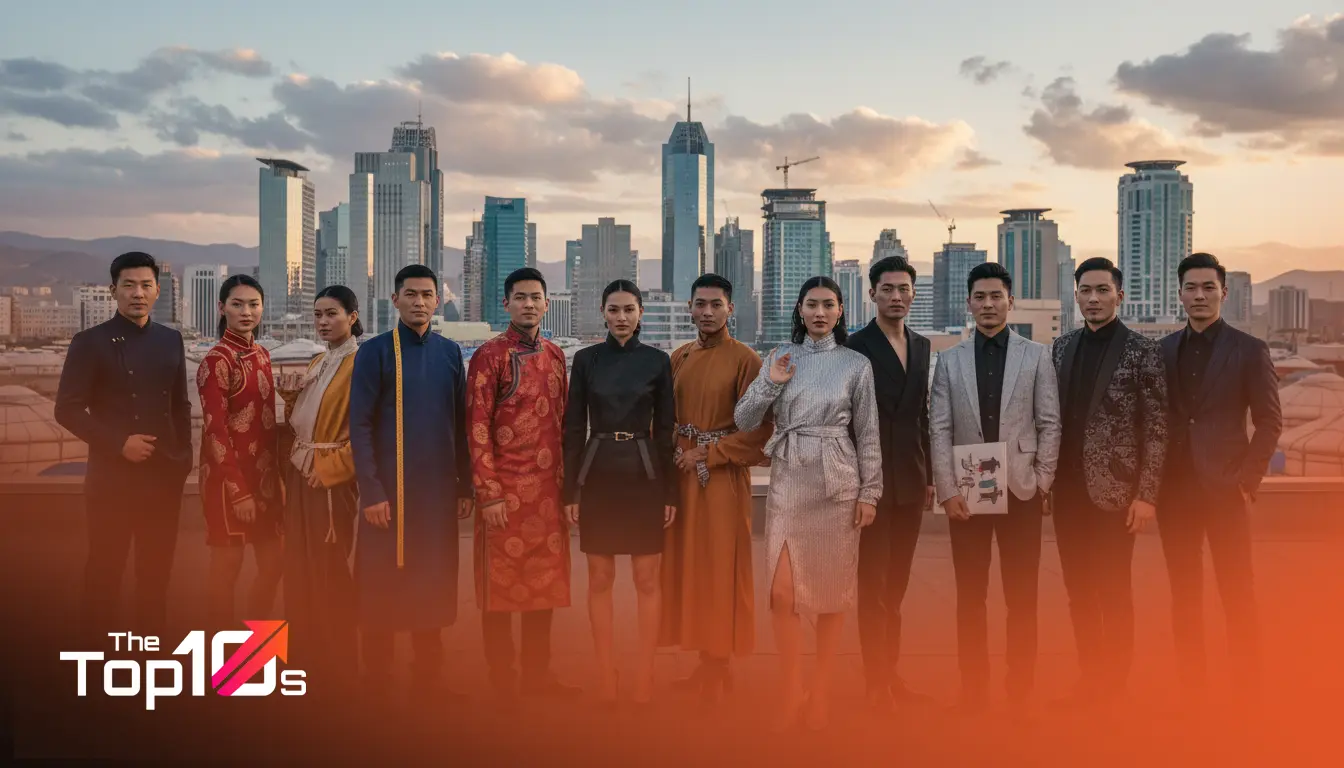
Quick Takeaways: The Ulaanbaatar Fashion Scene
- Heritage Meets High Street: The most successful designers effortlessly blend the traditional “Deel” silhouette with modern urban streetwear.
- Material Mastery: Expect a heavy focus on world-class cashmere, yak wool, and leather, necessitated by the harsh Mongolian climate.
- Sustainability is Native: “Slow fashion” isn’t a buzzword here; it’s a cultural standard rooted in nomadic traditions of zero waste.
- Accessibility: Unlike Paris or Milan, many top designers in Ulaanbaatar remain accessible for bespoke consultations and custom tailoring.
If you haven’t been watching the fashion scene in Ulaanbaatar, you’ve been missing one of the most fascinating cultural shifts in Central Asia. Walk down Peace Avenue today, and the stereotype of purely traditional nomadic wear vanishes. Instead, you see a sharp, avant-garde fusion where ancient history crashes into futuristic design.
Finding the right fashion designer in Ulaanbaatar isn’t just about buying clothes; it is about investing in pieces that tell a story of resilience and artistry. The city has become a quiet powerhouse for creatives who know how to work with some of the most luxurious organic fibers on earth while adhering to contemporary aesthetics. Whether you are looking for a modernized Deel for the Naadam festival, a bespoke cashmere coat for the brutal winter, or cutting-edge streetwear, the talent pool here is surprisingly deep.
But with so many boutiques popping up in the Zaisan area and downtown, distinguishing true craftsmanship from fast-fashion imitations takes a keen eye. This guide cuts through the noise to highlight the creative minds defining Mongolian style right now.
How We Identified Leading Fashion Designers
Selecting the names for this list wasn’t about looking at follower counts or who shouts the loudest on social media. We took a more analytical approach to understand who is genuinely driving the industry forward. Our criteria focused on substance over hype.
First, we looked at material expertise. In Mongolia, a designer who doesn’t understand the physics of wool, felt, and leather cannot survive. The best creators know how to manipulate these dense fabrics into flowing, wearable silhouettes without adding bulk.
Second, we analyzed brand consistency and longevity. We looked for professionals who have moved past the “one-hit wonder” phase and established a recognizable design language. These are individuals who run functional studios, deliver collections on time, and have a proven track record of client satisfaction.
Finally, we considered cultural integration. The most compelling fashion designers in Ulaanbaatar are those who respect the geometric patterns and cuts of Mongolian heritage but aren’t afraid to deconstruct them for a global audience.
List of 10 Best Fashion Designers in Ulaanbaatar
| SNO | Name | Best For |
|---|---|---|
| 1 | Michel & Amazonka | Clients who want statement pieces that scream luxury and cultural pride. |
| 2 | Ariunaa Suri | The avant-garde enthusiast. |
| 3 | Mandkhai Jargalsaikhan (Mandkhai) | Those seeking “cool girl” knitwear. |
| 4 | Katya Zol | Professionals looking for elegant day-to-night wear that carries a distinct ethnic touch. |
| 5 | Tsolo Munkh | Collectors and art lovers. |
| 6 | Nomungerel B. (Monalun) | Bridal clients and women seeking ethereal, romantic cocktail attire. |
| 7 | Oyun Lkhagvatsend (Oyun) | The corporate power player. |
| 8 | B. Battsetseg (Baba) | The creative class and younger fashion enthusiasts who want to experiment with color and shape. |
| 9 | Zaya Bilguun (Muse Art House) | Individuals building a capsule wardrobe who want foundational pieces that have a bit of personality. |
| 10 | Bolor Munkh | Performance artists and anyone looking for outerwear that breaks the mold. |
Top 10 Fashion Designers In Ulaanbaatar
These ten designers represent the spectrum of Mongolian fashion, from high-end couture to sustainable ready-to-wear.
1. Michel & Amazonka
You cannot talk about the current state of Mongolian fashion without mentioning the Choigaalaa sisters, Michel and Amazonka. They have effectively become the face of modern Mongolian couture. If you saw the viral outfits from the recent Olympic opening ceremonies, you have already seen their work. They specialize in “couture prêt-à-porter,” blending intricate embroidery with sharp European tailoring.
Best Suited For: Clients who want statement pieces that scream luxury and cultural pride. Their work is perfect for red-carpet events or high-stakes social gatherings where making an impression is non-negotiable.
2. Ariunaa Suri
Ariunaa Suri brings a distinct edge to the table. A graduate of styling schools in Germany, she returned to Ulaanbaatar to create a brand that feels architectural and moody. Her approach is often described as “mystery of nature.” She works heavily with organic fabrics but treats them with a grunge-luxury aesthetic that feels at home in Berlin or Tokyo just as much as in Mongolia.
Best Suited For: The avant-garde enthusiast. If you prefer asymmetry, muted earth tones, and clothes that feel like wearable armor against the elements, her studio is the place to go.
3. Mandkhai Jargalsaikhan (Mandkhai)
While many designers use cashmere, Mandkhai reinvents it. Coming from a family deep in the cashmere business, she founded her eponymous label to prove that knitwear doesn’t have to be boring or shapeless. She treats cashmere like a sculptor treats clay. Her designs are vibrant, durable, and resistant to the pilling that plagues lesser quality knits. She manufactures directly in Mongolia, ensuring total quality control.
Best Suited For: Those seeking “cool girl” knitwear. This is not your grandmother’s sweater; it’s for buyers who want luxury tactile feelings combined with streetwear credibility.
4. Katya Zol
Katya Zol stands out as one of the first Mongolian designers to successfully showcase at New York Fashion Week, bringing the country’s aesthetic to a Western audience. Her design philosophy centers on elegance and fluidity. She often incorporates felt and wool but processes them in a way that makes the garments move beautifully. Her ability to mix bright, traditional colors with modern cuts makes her work instantly recognizable.
Best Suited For: Professionals looking for elegant day-to-night wear that carries a distinct ethnic touch without looking like a costume.
5. Tsolo Munkh
Based between Paris and Ulaanbaatar, Tsolmandakh Munkhuu creates work that is closer to art than simple clothing. Her designs are heavily influenced by Buddhism and the raw, open spaces of the steppes. You will often see exaggerated volumes, intricate pleating, and mixed media in her work. She uses embroidery and appliqué techniques that utilize traditional symbolism in abstract ways.
Best Suited For: Collectors and art lovers. Her pieces are investments, ideal for someone who views their wardrobe as a curated gallery of expression.
6. Nomungerel B. (Monalun)
Nomungerel, the creative force behind Monalun, offers a softer, more romantic perspective on Ulaanbaatar style. While many local designers lean into the “warrior” aesthetic of leather and fur, Monalun plays with silk, chiffon, and delicate prints, often layering them with heavier Mongolian textures. The result is a whimsical, feminine look that is incredibly sophisticated.
Best Suited For: Bridal clients and women seeking ethereal, romantic cocktail attire. Her custom dresses are highly sought after for summer weddings in the countryside.
7. Oyun Lkhagvatsend (Oyun)
Oyun takes a pragmatic yet luxurious approach to design. Her label is synonymous with high-end ready-to-wear that fits the lifestyle of the modern Ulaanbaatar executive. The cuts are clean, the palette is usually neutral and sophisticated, and the finishing is impeccable. She focuses heavily on how a garment sits on the body during a busy workday.
Best Suited For: The corporate power player. If you need a wardrobe that commands respect in the boardroom but remains comfortable for a 12-hour day, Oyun’s designs are the gold standard.
8. B. Battsetseg (Baba)
Battsetseg brings a youthful, playful energy to the list. Her brand, Baba, often experiments with bright colors, oversized silhouettes, and quirky patterns that challenge the seriousness of traditional fashion. Despite the playful vibe, the construction is serious, utilizing high-quality local wools and felts.
Best Suited For: The creative class and younger fashion enthusiasts who want to experiment with color and shape.
9. Zaya Bilguun (Muse Art House)
Muse Art House under Zaya Bilguun has carved out a niche for accessible luxury. The design ethos here is about “everyday elevation.” Zaya excels at taking standard garments—a blazer, a skirt, a coat—and adding a single, defining detail that transforms the piece. Whether it is a unique button placement or a contrasting lining, the details matter here.
Best Suited For: Individuals building a capsule wardrobe who want foundational pieces that have a bit of personality.
10. Bolor Munkh
Bolor is a name associated with structural integrity and innovative textile use. She often experiments with treating leather and fur to create textures that look entirely new. Her designs can be futuristic, often resembling costumes from a sci-fi movie set on the steppes, yet they remain surprisingly wearable.
Best Suited For: Performance artists and anyone looking for outerwear that breaks the mold. Her coats are conversation starters.
What Defines a Great Fashion Designer in Ulaanbaatar?
The criteria for excellence in Ulaanbaatar differ slightly from other fashion capitals. Here, the environment dictates design just as much as trends do. A great designer in this region must master the art of thermal regulation. Creating a garment that looks sleek but can withstand temperatures of -30°C is a technical feat, not just an artistic one.
Furthermore, cultural sensitivity is paramount. The “Deel” is not just a piece of clothing; it is a symbol of Mongolian identity. Top designers know how to iterate on this garment—altering the collar, shortening the hem, changing the fastening—without disrespecting its origins. It is a delicate balance between preservation and innovation.
Asian design philosophies vary wildly across the continent. While Ulaanbaatar focuses on heritage textiles and weather resistance, designers elsewhere might prioritize tech-fabrics and minimalism, similar to the creative output seen among the top 10 fashion designers in Taipei, which offers a contrasting perspective on modern Asian design.
How to Choose the Right Fashion Designer for Your Needs
Selecting the right creative partner depends heavily on what you actually need the garment to do. Before booking a consultation, consider the following:
Define the Occasion
Are you attending the Naadam festival? If so, you need a designer like Michel & Amazonka or Katya Zol who understands formal national dress. If you are looking for office wear, Oyun or Muse Art House will likely align better with your daily needs.
Assess Your Timeline
Custom work in Ulaanbaatar is generally faster than in Europe, but good craftsmanship still takes time. A complex, embroidered piece can take 4 to 8 weeks. Be wary of any designer who promises a bespoke suit or complex dress in under a week; corners are likely being cut.
Material Preferences
If you have sensitive skin or specific ethical requirements regarding animal products, bring this up immediately. While most designers work with wool and leather, many are now offering sustainable, cruelty-free alternatives or specific organic cotton blends. Designers like Mandkhai are particularly good at explaining the sourcing of their fibers.
Frequently Asked Questions
How much does a custom outfit cost in Ulaanbaatar?
Prices vary significantly based on the designer and materials. A high-quality custom Deel from a top designer might range from $300 to over $1,000 USD. Intricate evening wear or cashmere coats can go higher. However, compared to Western bespoke standards, the value for craftsmanship is exceptionally high.
Do these designers sell online?
Many of the established names like Michel & Amazonka and Mandkhai have robust e-commerce platforms that ship internationally. However, for smaller independent studios, you may need to contact them via Instagram or WhatsApp to arrange orders, especially for custom measurements.
Is Mongolian cashmere really different?
Yes. The severe winters in Mongolia cause the goats to produce a finer, longer, and softer undercoat compared to goats in milder climates. Designers in Ulaanbaatar have first-pick access to this premium fiber, meaning the cashmere you buy locally is often superior to what is exported for mass production.
Can I get a modern suit made in Ulaanbaatar?
Absolutely. While the city is famous for traditional wear, the tailoring culture is strong. Designers like Oyun and many bespoke tailors in the city center specialize in Western-style suits, often using high-end English or Italian wools alongside local fabrics.
What is the best time to visit for fashion shopping?
Late spring and early summer are ideal. This is when designers release their collections for the Naadam festival (July), which are often their most creative and colorful releases of the year.
Final Thoughts on Ulaanbaatar Style
Choosing a fashion designer in Ulaanbaatar is an opportunity to step away from mass-produced uniformity and engage with a culture that values the lifespan of a garment. The designers listed here are not just making clothes; they are preserving a heritage of craftsmanship while pushing the boundaries of modern design.
Take the time to visit their showrooms if you are in the city, or explore their digital portfolios. Look at the stitching, feel the density of the wool, and talk to them about their process. Whether you opt for the architectural boldness of Ariunaa Suri or the knitwear perfection of Mandkhai, you are buying into a narrative that is uniquely Mongolian. Your wardrobe will thank you for the upgrade.