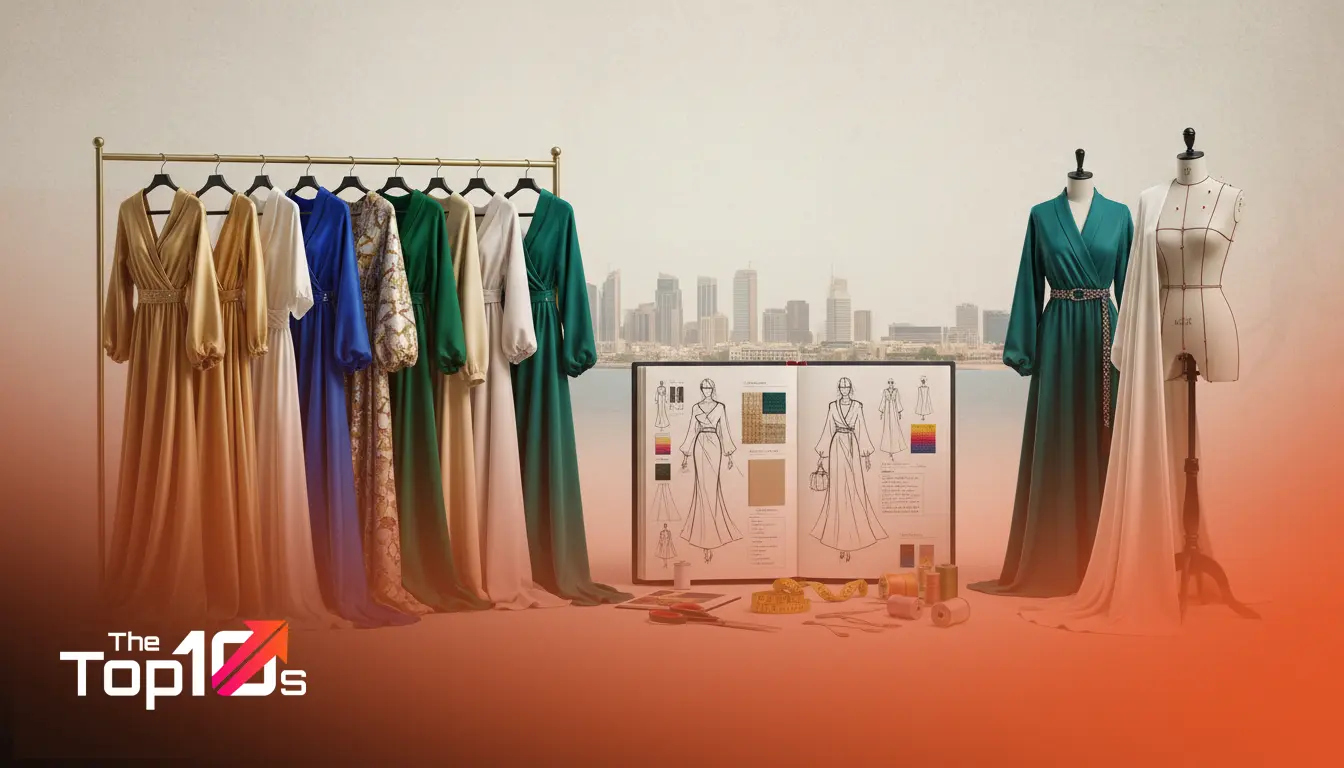
Quick Takeaways: The Ajman Fashion Scene
- Cultural Fusion: The best local designers blend traditional Emirati silhouettes with contemporary global trends.
- Fabric First: Expect a heavy emphasis on high-quality textiles like crepe, chiffon, and raw silk, often sourced specifically for the humid climate.
- Customization is Key: Unlike fast fashion, the top designers in Ajman focus almost exclusively on made-to-measure and bespoke creations.
- Bridal Dominance: A significant portion of the region’s top talent specializes in elaborate wedding couture and evening gowns.
You might think you need to drive into Dubai to find high-end fashion, but that would be a mistake. Ajman has quietly cultivated a vibrant, sophisticated sartorial culture that rivals its larger neighbors. The focus here isn’t just on brand labels; it is about the intimacy of the fit, the precision of the cut, and the personal relationship between the creator and the client.
Finding the right creative partner to translate your vision into fabric can be daunting. Are you looking for a heavily embroidered Jalabiya for a family gathering, or a sharp, minimalist suit for the boardroom? The talent pool in Ajman is diverse, ranging from masters of traditional embroidery to avant-garde innovators redefining modest fashion.
This guide cuts through the noise. We aren’t just listing names; we are looking at who is truly delivering craftsmanship, consistency, and style right now.
How We Identified Leading Fashion Designers
Curating a list of top design talent requires more than just scrolling through Instagram feeds. We took a granular approach to understand who is actually shaping the local style narrative. Our methodology focuses on substance over follower counts.
First, we analyzed craftsmanship and technical skill. A great sketch means nothing if the garment pulls at the seams or hangs poorly. We looked for designers known for their understanding of pattern making and structural integrity. Experience plays a massive role here; navigating complex fabrics like organza or velvet requires a steady hand that only comes with time.
Second, we evaluated reputation and client satisfaction. In a tight-knit community like Ajman, word of mouth is the ultimate currency. We paid attention to consistent feedback regarding timelines, fitting accuracy, and how well designers handle the pressure of wedding season deadlines.
Finally, we considered creative identity. We looked for professionals who have a distinct point of view—creatives who aren’t just copying Pinterest boards but are bringing fresh ideas to traditional garments. Whether operating out of a dedicated atelier, a boutique in the Al Jurf district, or a private studio, these are the names setting the standard.
List of 10 Best Fashion Designers in Ajman
| SNO | Name | Best For |
|---|---|---|
| 1 | The House of Fatma Al Mulla | Women looking for conversation-starting pieces that blend tradition with modern pop-art aesthetics. |
| 2 | Zahra Couture | Brides-to-be who want elaborate, royal-aesthetic gowns with hand-stitched detailing. |
| 3 | Al Muna Fashion Design | Ramadan collections, Eid gatherings, and Henna nights. |
| 4 | The Urban Draper | Men seeking a perfectly fitted Kandura that maintains its crispness throughout the day. |
| 5 | Hamsa Design Studio | Professionals and university students who value comfort and understated elegance. |
| 6 | Layla’s Atelier | Family photo shoots, special occasions, and milestone celebrations. |
| 7 | Noir Et Blanc | Evening events where you want to stand out through silhouette rather than color. |
| 8 | Eco-Thread Ajman | The eco-conscious consumer looking for unique, one-of-a-kind pieces. |
| 9 | Royal Velvet Designs | Winter weddings and desert evening gatherings. |
| 10 | The Ajman Embroidery Collective | Adding a touch of authentic heritage to any modern garment. |
Top 10 Fashion Designers in Ajman
1. The House of Fatma Al Mulla (Concept & Influence)
Specialization: Contemporary Modest Wear & Pop-Culture Fusion
While often operating across the broader UAE, the influence of creatives like Fatma Al Mulla resonates deeply in Ajman’s modern fashion circles. Known for bridging the gap between art and apparel, this design philosophy appeals to the younger demographic in the emirate. The focus here is on wit, bold prints, and reinterpreting the abaya for the modern working woman. Her approach demonstrates how traditional cultural attire can serve as a canvas for personal expression without losing its core identity.
Best For: Women looking for conversation-starting pieces that blend tradition with modern pop-art aesthetics.
2. Zahra Couture
Specialization: Bridal and Heavy Evening Wear
In the heart of Ajman’s bustling wedding market, Zahra Couture stands out for intricate detailing. The design team here understands that an Emirati wedding dress is not just a garment; it is a centerpiece. With over a decade of presence in the region, they excel at heavy beadwork and embroidery that doesn’t compromise the movement of the dress. Their strength lies in their ability to take a heavy fabric and structure it so it feels weightless on the bride.
Best For: Brides-to-be who want elaborate, royal-aesthetic gowns with hand-stitched detailing.
3. Al Muna Fashion Design
Specialization: Traditional Jalabiyas and Kaftans
If you appreciate the heritage of the Gulf, Al Muna represents the preservation of classic techniques. This design house focuses on the Jalabiya, elevating it from daily house wear to luxury occasion wear. Their use of color is particularly noteworthy; they often employ rich jewel tones—emeralds, rubies, and deep sapphires—paired with gold thread work. The designers here are masters of the “flow,” ensuring fabrics drape flatteringly across various body types.
Best For: Ramadan collections, Eid gatherings, and Henna nights.
4. The Urban Draper (Menswear)
Specialization: Bespoke Kanduras and Formal Suits
Men’s fashion in Ajman is often overlooked, but The Urban Draper (a representative name for the high-end bespoke tailoring niche in Ajman) brings precision to the forefront. This isn’t about standard tailoring; it’s about architectural fits. They focus on the stiffness of the collar, the drop of the cuff, and sourcing premium Japanese and Italian fabrics. The designers here understand the nuance between a summer work Kandura and a formal event piece, adjusting fabric weight accordingly.
Best For: Men seeking a perfectly fitted Kandura that maintains its crispness throughout the day.
5. Hamsa Design Studio
Specialization: Minimalist Abayas
Moving away from heavy embellishments, Hamsa Design Studio champions the “less is more” philosophy. Their creative director focuses on cut and silhouette rather than decoration. Using premium crêpe and linen, they create Abayas that look almost architectural. The genius here is in the hidden details—pockets, magnetic closures, and adjustable lengths that make the garments highly practical for the busy woman in Ajman.
Best For: Professionals and university students who value comfort and understated elegance.
6. Layla’s Atelier
Specialization: Mother-Daughter Matching Sets
A growing trend in Ajman is coordinated family outfits, and Layla’s Atelier has cornered this niche with charm and sophistication. The challenge with children’s formal wear is making it comfortable while matching the elegance of adult couture. The designers at Layla’s use softer linings and non-irritating fabrics for the mini-versions while maintaining the high-fashion look of the mother’s ensemble. It represents a delightful blend of practicality and high style.
Best For: Family photo shoots, special occasions, and milestone celebrations.
7. Noir Et Blanc
Specialization: Monochromatic Contemporary Wear
As the name suggests, this design house plays strictly within the spectrum of black, white, and greys. It creates a stark, modern contrast to the typically colorful regional fashion. The designers here experiment with textures—mixing leather with chiffon, or silk with matte cotton—to create visual interest without using color. It is a bold choice that appeals to the fashion-forward crowd in Ajman who frequent art galleries and high-end cafes.
Best For: Evening events where you want to stand out through silhouette rather than color.
8. Eco-Thread Ajman
Specialization: Sustainable and Upcycled Fashion
Sustainability is finally making waves in the Northern Emirates. The creatives behind Eco-Thread are pioneering the use of organic cottons and recycled polyester blends in local fashion. They are particularly skilled at upcycling vintage textiles into modern jackets and skirts. Their design process is slower and more deliberate, often involving natural dyes that give their garments a distinct, earthy palette that is rare in the glittery world of UAE fashion.
Best For: The eco-conscious consumer looking for unique, one-of-a-kind pieces.
9. Royal Velvet Designs
Specialization: Winter Collections and Heavy Fabrics
While the UAE is known for heat, the winter season in the desert requires specific attire. Royal Velvet Designs specializes in heavier, luxurious fabrics suitable for the cooler months. They are renowned for their velvet bishts and heavier silk brocades. The designers here are experts in lining and structure, ensuring that heavier garments don’t add unnecessary bulk to the wearer’s frame.
Best For: Winter weddings and desert evening gatherings.
10. The Ajman Embroidery Collective
Specialization: Hand-Embroidery and Talli Work
This isn’t a single designer but a collective of master artisans who collaborate with various boutiques. They are the guardians of ‘Talli’—traditional Emirati embroidery. Many top socialites commission this collective directly to add authentic heritage elements to modern dresses. Their work represents the intersection of history and high fashion, ensuring that ancient techniques survive in the 21st century.
Best For: Adding a touch of authentic heritage to any modern garment.
What Defines a Great Fashion Designer in Ajman?
Identifying top talent in Ajman involves looking at different metrics than you might use in Paris or New York. The local context dictates specific requirements for a designer to be considered truly “great.”
Material Mastery for the Climate
The most skilled designers understand the physics of heat and humidity. A dress might look stunning on a mannequin, but if it is made from non-breathable synthetic satin, it is useless in Ajman’s climate. Top designers prioritize natural fibers or high-tech blends that allow for airflow while maintaining structure.
The Balance of Modesty and Modernity
This is the tightrope walk of the region. Exceptional designers know how to push boundaries without breaking cultural codes. They innovate with cuts, layering, and opacity to create silhouettes that feel fresh and exciting while respecting conservative sensibilities.
The Consultation Process
In Ajman, the relationship is personal. You aren’t just buying a SKU; you are commissioning a piece of art. The best designers are also excellent listeners. They interpret what a client isn’t saying—understanding their insecurities and highlighting their best features through strategic draping and tailoring.
If you are exploring options in neighboring emirates, reviewing the Top 10 Fashion Designers in Sharjah can provide a broader perspective on regional trends and help you compare styles across the Northern Emirates.
How to Choose the Right Fashion Designer for Your Needs
Selecting a designer is a financial and emotional investment. Before you commit to a deposit, consider this framework to ensure your vision aligns with their capabilities.
Check the “Inside” Work
When visiting a studio, don’t just look at the outside of the sample garments. Flip them inside out. Check the lining. Are the seams finished cleanly? Is there an allowance for future alterations? A designer who hides messy work inside the garment will likely cut corners on your final piece.
Understand Their Sourcing
Ask where their fabrics come from. A designer who sources exclusively from mass-market local wholesalers might limit your options. The top-tier professionals usually have relationships with textile mills in Europe or exclusive suppliers in India and Japan, giving you access to materials no one else has.
Clarify the Alteration Policy
Even the best bespoke garments often need a tweak after the final fitting. Before signing a contract, ask about their alteration policy. Do they charge extra for final adjustments? How long do these adjustments take? A reputable designer will usually include one or two rounds of alterations in the base price.
Frequently Asked Questions
What is the average lead time for a custom dress in Ajman?
For standard evening wear, expect a timeline of 2 to 3 weeks. However, for bridal couture or heavily embroidered pieces, you should book at least 2 to 3 months in advance, especially during the peak wedding season (October to April).
Do designers in Ajman charge a consultation fee?
Most independent designers and boutiques offer a complimentary initial consultation. However, if you require them to create original sketches or source specific fabric samples before committing to the project, they may charge a design fee, which is often deductible from the final cost of the garment.
Can I bring my own fabric to a designer?
This depends on the designer’s business model. “Cut and sew” tailors will happily work with your fabric. However, high-end fashion designers often prefer to use their own sourced textiles because they can guarantee the quality and know exactly how the fabric will behave during the construction process.
Is it cheaper to get clothes made in Ajman compared to Dubai?
Generally, yes. Overheads for studios in Ajman are typically lower than in Dubai, and these savings are often passed down to the client. You can often get comparable craftsmanship for 20-30% less than you would pay for a similar service in downtown Dubai.
Next Steps for Your Style Journey
Your wardrobe is an extension of your biography. Choosing a fashion designer in Ajman isn’t just about getting a piece of clothing; it’s about finding a collaborator who can help you tell your story. Don’t be afraid to visit multiple studios. Feel the fabrics, chat with the creative directors, and trust your gut.
Start by identifying one key piece you need—perhaps a versatile abaya or a tailored suit—and test a designer with that smaller project. If they deliver on quality, fit, and experience, you have found a partner for your sartorial future. The talent is here; you just have to know where to look.