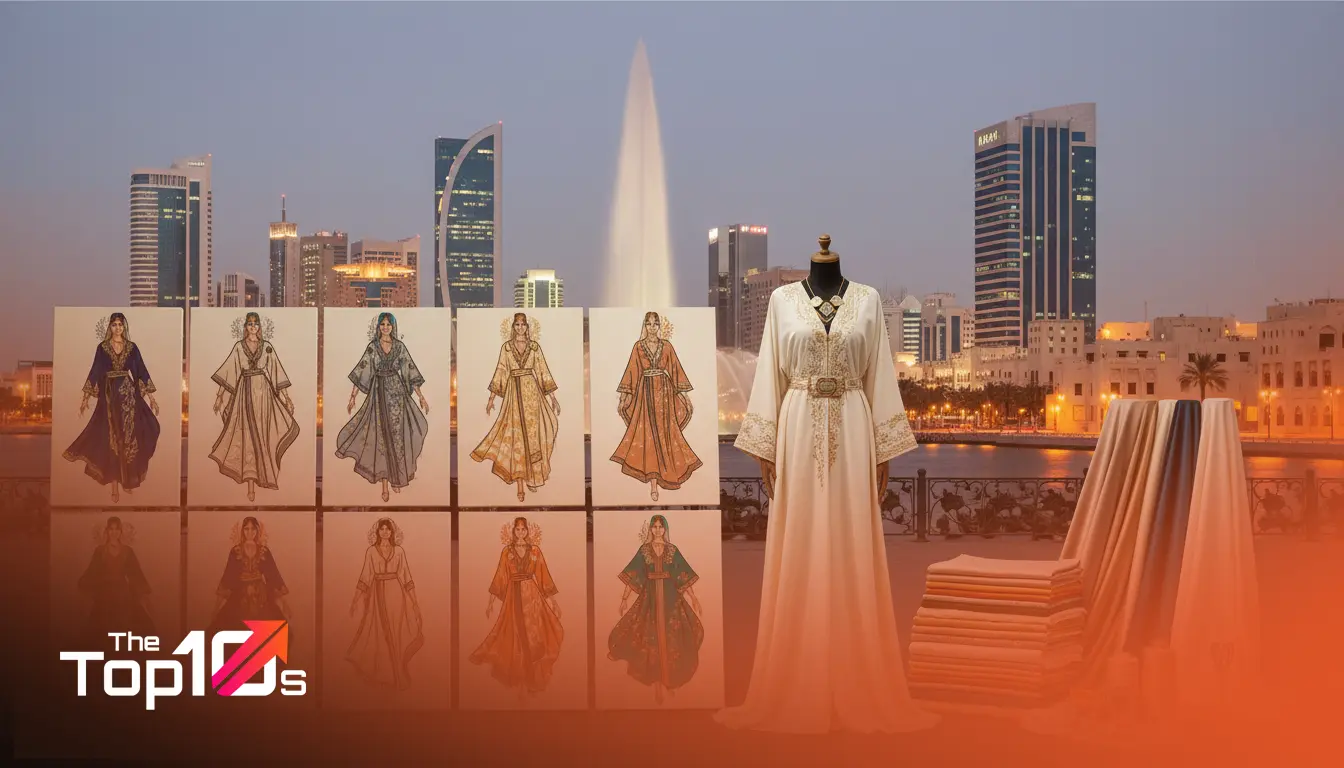
Jeddah has always moved to a slightly different rhythm than the rest of the Kingdom. With its proximity to the Red Sea and a history steeped in trade and pilgrimage, the city possesses a cosmopolitan flair that directly influences its style. You aren’t just looking for someone who can sketch a dress or tailor a suit; you are looking for an artist who understands the unique blend of tradition, humidity-appropriate fabrics, and the sheer glamour required for Jeddah’s social season.
Finding the right creative partner for your wardrobe isn’t always straightforward. The market is flooded with options ranging from high-end couture houses to avant-garde streetwear labels. Whether you need a bridal gown that commands a ballroom or everyday pieces that merge modesty with modern trends, the “Bride of the Red Sea” has talent in abundance. But how do you sift through the noise to find quality?
This guide cuts through the clutter. We focus on the creators shaping the local aesthetic—professionals who understand draping, textile sourcing, and the cultural nuances of Saudi fashion.
Quick Takeaways: Jeddah Fashion Scene
- Diversity is Key: The scene ranges from ultra-traditional abaya designers to edgy, contemporary streetwear.
- Climate Matters: Top Jeddah designers prioritize breathable, luxury fabrics like linen, silk, and crepe due to the coastal humidity.
- Lead Times: For custom couture or bridal wear, expect a booking window of 3 to 6 months.
- Consultation Style: The best designers offer collaborative sessions, not just off-the-rack sales.
How We Identified Leading Fashion Designers
Selecting the top talent in a city as vibrant as Jeddah requires looking beyond Instagram follower counts. Our approach relies on analyzing markers of quality and professional consistency. We looked for designers who have established a clear voice in the industry.
Key indicators included the longevity of the brand and the designer’s educational background or apprenticeship history. We also considered the production quality—examining how seams are finished, how fabrics are sourced, and the attention to detail in the final garment. Feedback from local clientele played a massive role; consistent praise regarding fit, timeliness, and customer service signals a trustworthy professional. Finally, we looked for versatility and innovation. The names on this list represent those who aren’t just following trends but are actively setting them for the region.
List of 10 Best Fashion Designers in Jeddah
| SNO | Name | Best For |
|---|---|---|
| 1 | Hatem Alakeel (Toby) | Individuals looking for structured, tailored pieces that blend traditional silhouettes with modern, international geometry. |
| 2 | Arwa Al Banawi | The contemporary woman seeking chic, versatile streetwear and statement suits. |
| 3 | Nasiba Hafiz | Those who love color, vintage vibes, and standing out in a crowd without wearing heavy couture. |
| 4 | Yahya Al Bishri | High-profile events, weddings, and clients who appreciate fashion as a form of art and cultural expression. |
| 5 | Daneh Buahmad (Daneh) | Modern wardrobe staples, high-quality jumpsuits, and elegant separates. |
| 6 | Nora Al Shaikh | Architectural evening wear and elevated resort wear. |
| 7 | Safiyah Al-Shehri | Luxury abayas and kaftans that serve as the centerpiece of an outfit. |
| 8 | Mohammed Ashi (Ashi Studio) | Brides and red-carpet attendees wanting sculptural, avant-garde couture. |
| 9 | Mariam Bin Mahfouz (Sotra) | Everyday luxury, trendy modest wear, and feminine silhouettes. |
| 10 | Reem Al Kanhal | Creative professionals and those who view fashion as experimental expression. |
Top 10 Fashion Designers in Jeddah
Here are ten designers and fashion houses that have made a significant impact on Jeddah’s sartorial landscape, offering a mix of luxury, creativity, and wearable art.
1. Hatem Alakeel (Toby)
Hatem Alakeel is a name synonymous with the modernization of traditional Saudi attire. Through his brand, Toby, he reimagined the thobe, taking it from a standard garment to a statement of individual style. His work typically involves sharp lines, contrasting collars, and impeccable tailoring that appeals to the modern man who respects heritage but demands contemporary flair.
While his roots are in menswear, Alakeel has successfully expanded into womenswear, bringing that same architectural precision to shirts and dresses. He operates with a deep understanding of structure. You won’t find sloppy hems here; everything is calculated.
Best For: Individuals looking for structured, tailored pieces that blend traditional silhouettes with modern, international geometry.
2. Arwa Al Banawi
If you walk through the cooler, art-centric districts of Jeddah, you will likely spot Arwa Al Banawi’s influence. She bridges the gap between high-end fashion and urban streetwear. Her designs often feature empowering slogans, oversized blazers, and vibrant prints that tell stories of Arab culture through a global lens.
Al Banawi is particularly skilled at mixing fabrics—think velvet suits paired with graphic tees. Her aesthetic speaks to the “on-the-go” woman who refuses to sacrifice comfort for style. It is luxury, but it feels approachable and energetic.
Best For: The contemporary woman seeking chic, versatile streetwear and statement suits.
3. Nasiba Hafiz
Nasiba Hafiz brings a retro, eccentric energy that feels distinctly “Jeddah.” Unlike the monochrome palettes often found in luxury fashion, Hafiz embraces bold color, eccentric patterns, and flowy silhouettes reminiscent of the 1960s and 70s. Her designs often utilize light, airy fabrics perfect for the coastal heat.
She isn’t afraid to experiment with shape. You might find asymmetrical hemlines or unexpected cutouts in her collections. Her clothes have a sense of humor and joy, making them popular for day wear and semi-formal gatherings where personality is the priority.
Best For: Those who love color, vintage vibes, and standing out in a crowd without wearing heavy couture.
4. Yahya Al Bishri
For those seeking absolute authority and experience, Yahya Al Bishri is a pillar of the Saudi fashion industry. With decades of experience, his work has graced runways from Paris to Jeddah. He is known for fusion designs, often incorporating Arabic calligraphy and traditional motifs into modern gowns and menswear.
His approach is theatrical yet refined. Al Bishri handles heavy embroidery and complex layering with the ease of a master. His pieces often feel like ceremonial garments, carrying a weight of importance and luxury that few others can replicate.
Best For: High-profile events, weddings, and clients who appreciate fashion as a form of art and cultural expression.
5. Daneh Buahmad (Daneh)
Daneh Buahmad’s label, Daneh, is the epitome of effortless chic. She understands the practical needs of women living in the Gulf. Her designs focus on textiles that breathe and cuts that flatter without restricting movement. There is a minimalism to her work that feels sophisticated rather than simple.
You will often see neutral palettes in her collections, elevated by interesting textures or subtle details like specialized stitching or unique buttons. It is the kind of clothing that transitions seamlessly from a business meeting to a dinner alongside the Corniche.
Best For: Modern wardrobe staples, high-quality jumpsuits, and elegant separates.
6. Nora Al Shaikh
Nora Al Shaikh offers a perspective that is architectural and global. She often draws inspiration from her travels, infusing her Jeddah-based brand with international flavors. Her aesthetic is polished and feminine but retains a strong structural element.
Her use of color blocking and modern drapery sets her apart. She manages to make voluminous skirts and dresses look light and manageable. Clients often turn to her for “event wear” that feels modern rather than stuffy or overly embellished.
Best For: Architectural evening wear and elevated resort wear.
7. Safiyah Al-Shehri
In the realm of modest fashion, specifically abayas and kaftans, Safiyah Al-Shehri has carved out a distinct niche. She treats the abaya not just as a covering, but as a canvas. Her designs often feature intricate hand-embroidery and unique fabric combinations that add depth to the garment.
Her work respects the traditional requirements of modesty while pushing the boundaries of what an abaya can look like. Whether it is through the use of tweed for winter or sheer silk overlays for summer, she keeps the garment evolving.
Best For: Luxury abayas and kaftans that serve as the centerpiece of an outfit.
8. Mohammed Ashi (Ashi Studio)
While Ashi Studio has a global footprint, Mohammed Ashi’s influence and roots remain deeply connected to the region’s appreciation for grandeur. He is the go-to for dramatic, sculptural couture. His gowns are often monochromatic—whites and blacks—allowing the texture and shape to do the talking.
His construction techniques are advanced, often involving many hours of hand-pleating and embroidery. Wearing an Ashi piece is a commitment to drama; these are not dresses for sitting quietly in the corner.
Best For: Brides and red-carpet attendees wanting sculptural, avant-garde couture.
9. Mariam Bin Mahfouz (Sotra)
Sotra, founded by Mariam Bin Mahfouz, captures the playful side of Jeddah’s fashion scene. The brand is known for its accessibility and fresh take on modest wear. “Sotra” translates to modesty or covering, but the brand executes this with ruffles, pastel colors, and feminine prints.
The vibe is youthful and breezy. It appeals to a demographic that wants to look put-together without the heaviness of traditional formal wear. The finishing is clean, and the price point is often more accessible than the high couture houses.
Best For: Everyday luxury, trendy modest wear, and feminine silhouettes.
10. Reem Al Kanhal
Reem Al Kanhal creates clothing for the woman who values individuality. Her designs are experimental, often playing with asymmetry and unexpected volumes. She describes her style as “wandering,” meaning it doesn’t stay stuck in one genre.
What makes her work stand out in Jeddah is the quirky detailing—a collar that turns into a scarf, or sleeves that can be adjusted. She creates interactive clothing that the wearer can adapt to their mood.
Best For: Creative professionals and those who view fashion as experimental expression.
What Defines a Great Fashion Designer in Jeddah?
The criteria for excellence in Jeddah differ slightly from Paris or New York. Here, a great designer must master the art of the “reveal and conceal.” They need to understand how to create silhouettes that are modest yet undeniably alluring.
Fabric knowledge is non-negotiable. Jeddah is hot and humid for much of the year. A designer who insists on using heavy, non-breathable polyesters will not last long in this market. The top professionals use natural fibers—cottons, linens, and silks—or high-tech blends that allow air circulation.
Furthermore, the social culture relies heavily on weddings and private gatherings. A great designer here understands the logistics of these events. They know that a dress needs to look good while the wearer is seated for dinner, standing in a receiving line, or dancing. If your search extends beyond the Red Sea coast, you might want to compare these aesthetics with the top 10 fashion designers in Riyadh to see how regional influences differ.
How to Choose the Right Fashion Designer for Your Needs
Finding a name on a list is step one. Ensuring they are the right fit for you is step two. Before you pay a deposit, consider the following strategy.
Review the Portfolio for Consistency
Does the designer have a signature style, or is their work all over the place? Versatility is good, but you want to hire someone for what they excel at. If you want a structured suit, don’t hire a designer famous for flowy, bohemian kaftans.
Understand the Timeline
Custom fashion is slow fashion. Ask upfront about production schedules. A rush job often compromises the quality of the stitching or the fit. Be honest about your deadline. If you need a dress in two weeks, you are likely looking for ready-to-wear with minor alterations, not bespoke couture.
Assess Communication
During your initial consultation, pay attention to how much the designer listens. Do they ask about your personal style, your comfort levels, and the specific event? Or do they just dictate what is “trendy”? The best outcome comes from a partnership, not a dictatorship.
Frequently Asked Questions
What is the difference between ready-to-wear and couture in Jeddah?
Ready-to-wear (RTW) refers to garments produced in standard sizes (S, M, L) available for immediate purchase. Couture, or bespoke, involves creating a unique garment from scratch, tailored specifically to your measurements and design preferences.
How much does a custom dress cost in Jeddah?
Prices vary wildly based on the designer’s reputation and fabric choices. A custom evening gown from a mid-range designer might start around 3,000 SAR, while bridal couture from a top-tier house can easily exceed 20,000 to 50,000 SAR.
Do these designers offer alterations for existing clothes?
Generally, high-profile fashion designers only alter garments they have created. For adjusting clothes from other brands, you are better off visiting a specialized tailor or alteration house.
Is it necessary to book an appointment?
Yes. Most established designers in Jeddah operate by appointment only, especially for consultations. Walk-ins are usually limited to browsing ready-to-wear collections in their boutiques.
Can I request modest modifications to a designer’s existing design?
Absolutely. This is standard practice in Saudi Arabia. Most designers are happy to add sleeves, adjust necklines, or lengthen hemlines to suit your modesty requirements.
Next Steps for Your Wardrobe
Investing in pieces from local designers supports the creative economy and guarantees you a look that mass-market brands cannot replicate. Whether you are preparing for a wedding season or simply upgrading your daily rotation, the talent in Jeddah is world-class.
Start by browsing the social media pages of the designers listed above to see whose aesthetic resonates with you. Book a consultation with your top two choices. Remember, the goal is to find clothing that makes you feel confident and comfortable in your own skin. Fashion is personal; choose the designer who helps you express that best.