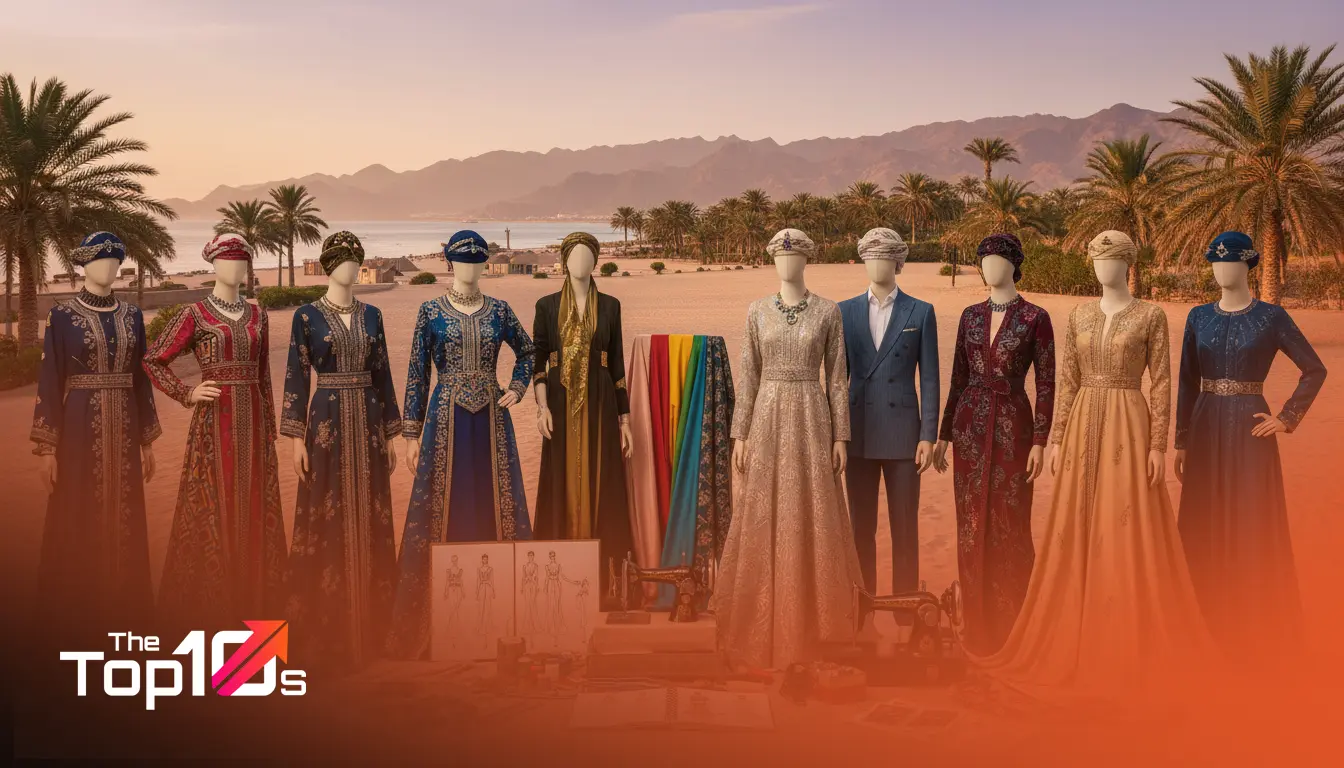
When you think of fashion in Oman, the mind often drifts to the bustling boutiques of the capital. But down in the south, Salalah offers a completely different aesthetic rhythm. This isn’t just about the Khareef season; it is about a deep-rooted history of textiles that sets the Dhofar region apart from the rest of the Gulf. The local style here is heavier, richer, and incredibly distinct—think velvet, intricate gold embroidery, and cuts that celebrate Dhofari heritage while embracing modern luxury.
Finding the right creative partner to execute your vision in this unique market can be challenging. You aren’t just looking for someone who can sew; you want a visionary who understands how a heavy velvet thobe moves, or how to adapt a bridal gown for a humid coastal evening. Whether you are looking for a bespoke Dhofari dress for a wedding or a contemporary abaya for daily wear, the talent pool here is impressive if you know where to look.
Quick Takeaways: Salalah’s Design Scene
- Heritage Rules: The top talent here specializes in the Thobe Dhofari—mastery of velvet and metallic thread is non-negotiable.
- Fabric First: Due to the tropical climate, designers who understand breathable yet structured fabrics are in high demand.
- Lead Times: The best ateliers are often booked months in advance of the wedding season.
- Hybrid Styles: Modern designers are increasingly blending traditional Omani silhouettes with Western cuts.
How We Identified Leading Fashion Designers
Curating a list of the top fashion designers in Salalah requires looking beyond simple Instagram follower counts. The fashion ecosystem in Dhofar operates differently than in major western metropolises. Word-of-mouth reputation carries significant weight, as does the longevity of a designer’s atelier.
We evaluated these professionals based on their grasp of textile science—specifically their ability to source high-grade materials that withstand local conditions. We also looked at their versatility. Can they transition from traditional heavy embroidery to lighter, contemporary ready-to-wear pieces? Finally, we considered client feedback regarding the consultation process. A talented designer who dictates rather than collaborates rarely produces a garment the client loves. The names below represent a mix of nationally recognized Omani designers with strong footholds in Salalah, and local design houses defining the southern aesthetic.
List of 10 Best Fashion Designers in Salalah
| SNO | Name | Best For |
|---|---|---|
| 1 | Amal Al Raisi | Clients seeking high-end, red-carpet-worthy kaftans and jalabiyas that exude sophistication. |
| 2 | The House of Dhofar Artisans | Authentic, heavy-embroidery Thobe Dhofaris for weddings and formal cultural events. |
| 3 | Bthaina (Buthaina Al Zadjali) | Modern women wanting ethereal, feminine aesthetics for engagement parties or Eid celebrations. |
| 4 | Endemage (Lubna and Nadia Al Zakwani) | Contemporary separates and dresses that work for both office functions and evening dinners. |
| 5 | Nawal Al Hooti | The bold dresser who isn’t afraid of color and wants a piece that tells a story. |
| 6 | Dibaj (Afaf & Aida Al Farsi) | Dreamy, romantic bridal and evening wear with a soft color palette. |
| 7 | Atelier Zuhra | The bride who wants a dramatic, princess-cut gown that reflects light from every angle. |
| 8 | Noora Karim | Practical luxury and everyday couture that respects modest traditions. |
| 9 | Al Malakiyyah Fashion | Luxury abayas that feature heavy embellishment and premium jet-black fabrics. |
| 10 | Alef | Minimalist, architectural cuts and contemporary modest wear. |
Top 10 Fashion Designers In Salalah
1. Amal Al Raisi
While her brand has reached international runways, Amal Al Raisi remains a definitive influence on style in Salalah. She is arguably the most recognizable name in Omani fashion today. Her work bridges the gap between traditional Omani heritage and international luxury standards. For women in Salalah looking for bridal wear or evening gowns that honor local roots without feeling dated, she is often the first port of call.
Best Suited For: Clients seeking high-end, red-carpet-worthy kaftans and jalabiyas that exude sophistication.
2. The House of Dhofar Artisans
This isn’t a single person, but a collective of master cutters found in the Al Haffa and Saada districts who define the region’s couture. In Salalah, some of the most prestigious “designers” are the head cutters in these specialized heritage ateliers. They possess knowledge passed down through generations regarding the specific cut (short front, trailing back) of the traditional Dhofari dress. Their ability to manipulate heavy velvet into a flattering silhouette is unmatched.
Best Suited For: Authentic, heavy-embroidery Thobe Dhofaris for weddings and formal cultural events.
3. Bthaina (Buthaina Al Zadjali)
Buthaina Al Zadjali has carved a niche that resonates deeply with the younger, fashion-forward demographic in the south. Her label, Bthaina, focuses on fluid silhouettes and intricate embellishments that sparkle without overpowering the wearer. Her designs often feature the gold thread work loved in Salalah but applied to lighter, airier fabrics like tulle and chiffon.
Best Suited For: Modern women wanting ethereal, feminine aesthetics for engagement parties or Eid celebrations.
4. Endemage (Lubna and Nadia Al Zakwani)
The sister duo behind Endemage has successfully brought Omani patterns into the 21st century. Their relevance to the Salalah market comes from their architectural approach to embroidery. They frequently draw inspiration from Omani flora and historical architecture, translating these rigid structures into soft, wearable art. Their pieces are popular among professionals in Salalah who want to make a statement.
Best Suited For: Contemporary separates and dresses that work for both office functions and evening dinners.
5. Nawal Al Hooti
A veteran in the industry, Nawal Al Hooti is celebrated for her fusion creations. She has a particular talent for taking the distinct “Omani cool” and mixing it with vibrant colors and textures often found in Indian or African textiles. This cross-cultural flair works exceptionally well in Salalah, a trade hub that has historically welcomed diverse influences.
Best Suited For: The bold dresser who isn’t afraid of color and wants a piece that tells a story.
6. Dibaj (Afaf & Aida Al Farsi)
Dibaj represents the softer side of Omani couture. The Al Farsi sisters focus heavily on romance and nostalgia in their designs. Their collections often feature pastels and intricate hand-beading that appeal to brides in Salalah looking for something different from the traditional heavy reds and greens. Their attention to finishing details is often cited as superior to many competitors.
Best Suited For: Dreamy, romantic bridal and evening wear with a soft color palette.
7. Atelier Zuhra
For the ultra-luxury segment in Salalah, Atelier Zuhra is the pinnacle. While based in Dubai/Muscat, their influence dominates the high-society weddings of Dhofar. Led by Rayan Al Sulaimani, the brand is known for its mosaic-like application of acrylics and mirrors. These gowns are heavy, structured, and incredibly dramatic—perfect for the grand ballrooms of Salalah’s luxury hotels.
Best Suited For: The bride who wants a dramatic, princess-cut gown that reflects light from every angle.
8. Noora Karim
Noora Karim brings a practical yet elegant approach to traditional wear. She understands the modern Omani woman’s need for comfort without sacrificing cultural identity. Her modifications to the traditional abaya and thobe often involve clever cuts that allow for better movement, which is essential for the active lifestyle in Dhofar.
Best Suited For: Practical luxury and everyday couture that respects modest traditions.
9. Al Malakiyyah Fashion
Focusing on the Abaya market, Al Malakiyyah has established a strong reputation in the southern region. In Salalah, the abaya is not just a covering; it is a style statement. This design house excels at incorporating the Dhofari love for velvet and crystals into black abayas, creating a “local luxury” look that is distinct from the styles seen in the capital.
Best Suited For: Luxury abayas that feature heavy embellishment and premium jet-black fabrics.
10. Alef
Alef is for the minimalist. In a region known for maximalism, Alef stands out by doing the opposite. Their designs rely on sharp tailoring, monochromatic blocks, and high-quality linens and cottons. This aesthetic is gaining traction among the younger generation in Salalah who prefer understated elegance over heavy embroidery.
Best Suited For: Minimalist, architectural cuts and contemporary modest wear.
What Defines a Great Fashion Designer in Salalah?
The criteria for excellence in Salalah differ slightly from other fashion capitals. Here, a designer must be a master of cultural context. The Dhofari dress code is specific. A great designer knows exactly where the embroidery should sit on a Thobe to ensure it doesn’t scratch or weigh down the wearer incorrectly. They understand that the “tail” of the dress has a specific drape that signals elegance.
Climate adaptability is another marker of quality. Salalah experiences the Khareef (monsoon), bringing mist and humidity. A skilled designer will steer you away from fabrics that frizz or lose shape in damp conditions, suggesting alternatives like treated crepes or specific silk blends that hold their structure.
Finally, communication styles here lean towards the personal. The best designers in the region act almost as family consultants, understanding the hierarchy of events at a wedding and suggesting wardrobes that fit each specific occasion, from the Henna night to the main reception.
How to Choose the Right Fashion Designer for Your Needs
Selecting a designer is an investment of both money and trust. Start by defining your timeline. If you want a fully encrusted velvet Thobe Dhofari, you cannot walk into an atelier two weeks before the event. These pieces often require 3 to 6 months of hand-work.
Ask about their sourcing. Does the designer import their own fabrics, or will they send you to the souq with a shopping list? The most convenient designers handle the entire supply chain, ensuring the velvet matches the thread perfectly. If you are comparing styles across the Sultanate, it is helpful to look at how designers in the capital approach similar challenges, as this can give you a benchmark for pricing and innovation.
Be clear about your budget upfront. In Salalah, “custom” can range from affordable tailoring to investment-grade couture. A transparent designer will tell you immediately if your vision fits within your financial constraints or if adjustments need to be made to the fabric choices to make it work.
Frequently Asked Questions
How much does a custom Dhofari Thobe cost in Salalah?
Prices vary wildly based on the complexity of the embroidery. A simple machine-embroidered piece might start around 80 OMR, while a hand-stitched, crystal-encrusted velvet gown from a top designer can easily exceed 800 OMR.
Do these designers offer consultations for bridal parties?
Yes, most of the top-tier designers listed above prefer to handle the entire bridal party. This ensures color coordination and a cohesive aesthetic for the wedding photos. It is best to book these group consultations at least 4-5 months in advance.
Can I find sustainable fashion designers in Salalah?
Sustainability is a growing trend. While fewer designers market themselves exclusively as “eco-friendly,” many local ateliers operate on a slow-fashion model by default—making garments to order (zero waste) and using high-quality natural fibers meant to last for decades.
Is it better to buy fabric myself or let the designer source it?
For high-end couture, let the designer source it. They have access to suppliers that retail buyers do not. However, for traditional daily wear sewn at local tailoring houses, buying your own fabric from the souq is standard practice and part of the experience.
Do these designers cater to men as well?
While this list focuses primarily on womenswear, the luxury market for men in Salalah is robust. Many male-focused designers specialize solely in the Omani Dishdasha and the Mussar (turban), often operating out of specialized boutiques in the central market area.
Next Steps for Your Style Journey
Finding the perfect fashion designer in Salalah is about aligning their signature style with your personal needs. Don’t rush the process. Visit their studios, touch the fabrics they use, and look closely at the finishing on the inside of the garments—that is where the true quality lies.
Your next move should be to shortlist three names from this list that resonate with your aesthetic. Schedule a consultation not to buy, but to chat. See who listens to your ideas and who adds value to your vision. Whether you choose the heritage richness of a traditional atelier or the modern lines of a contemporary designer, the talent in Salalah is more than capable of bringing your sartorial dreams to life.