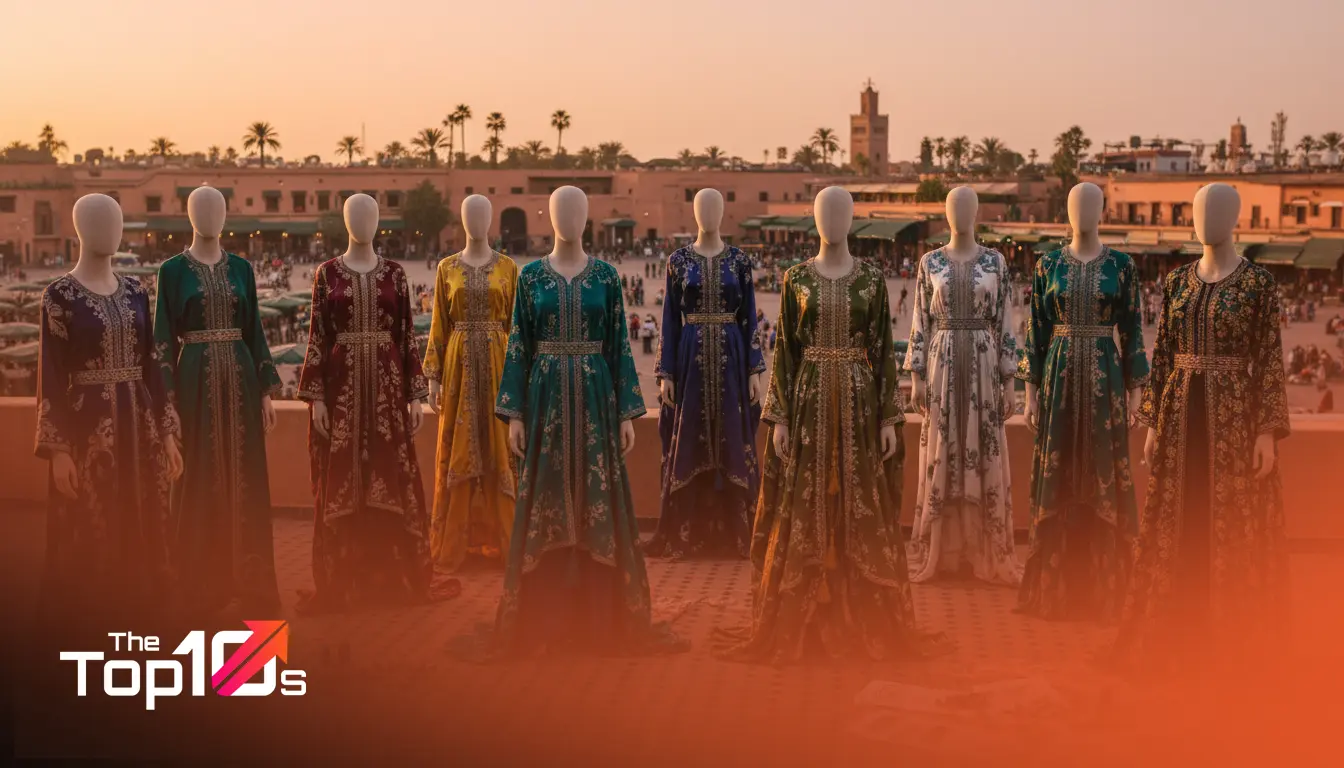
There is a specific energy that hits you when you land in the Red City. It’s not just the scent of spices or the warmth of the sun; it’s a visual feast that has inspired creators for decades. From Yves Saint Laurent to Talitha Getty, this corner of North Africa has long served as a muse for the stylish. But today, the conversation isn’t just about who visits; it’s about the incredible talent living and creating right here.
Finding the top fashion designers in Marrakech isn’t merely about shopping; it is an exploration of culture. The local aesthetic masterfully blends centuries-old craftsmanship—think hand-woven wool and intricate embroidery—with sharp, contemporary silhouettes. Whether you are a buyer looking for the next big boutique label, a traveler wanting a bespoke kaftan, or an enthusiast studying global style, the talent pool here is deep and distinct.
You might be wondering where to look in a city that balances chaotic souks with serene, high-end ateliers. The landscape changes quickly. New voices emerge from the creative district of Sidi Ghanem, while established houses in Gueliz continue to refine their couture. This guide cuts through the noise to highlight the professionals shaping the industry right now.
Quick Takeaways: Navigating Marrakech Fashion
- Fusion is Key: The most successful designers often mix traditional Moroccan “Beldi” techniques with Western cuts.
- Appointments Matter: Unlike fast fashion, many top ateliers in Marrakech require a booking for a personalized viewing.
- Sidi Ghanem vs. Medina: Know your geography. The industrial zone (Sidi Ghanem) houses modern showrooms, while the Medina offers hidden gems and traditional workshops.
- Slow Fashion Ethos: Expect production timelines that respect the artisan’s pace, especially for pieces involving hand-embroidery (sfifa).
How We Identified Leading Fashion Designers
Selecting the most influential creatives in a city teeming with artisans requires a specific lens. We didn’t just look for whoever has the most Instagram followers. Instead, we analyzed the substance behind the label. Our research focused on consistency in design and the ability to translate a vision into wearable art.
We looked for professionals who demonstrate a mastery of materials—those who understand how North African cotton behaves or how to structure a heavy velvet for a modern coat. We also considered the “hand” of the work. In Marrakech, the collaboration between the designer and the maalem (master craftsman) is sacred. The designers listed here are those who respect this relationship, resulting in garments that feel substantial and authentic.
Finally, we evaluated their standing within the broader design community. Are their collections evolving? Do they offer a distinct point of view that separates them from the mass-produced tourist ware? The names below represent a mix of avant-garde innovators and guardians of elegant tradition.
List of 10 Best Fashion Designers in Marrakech
| SNO | Name | Best For |
|---|---|---|
| 1 | Artsi Ifrach (Maison Artc) | Collectors and individuals who view fashion as wearable art and are not afraid of volume, color, and drama. |
| 2 | Norya Ayro | The stylish traveler looking for chic, effortless pieces that transition from day to night. |
| 3 | Fadila El Gadi | Professionals and connoisseurs seeking timeless elegance that honors history without looking like a costume. |
| 4 | Randall Bachner (Marrakshi Life) | Fans of sustainable fashion who prioritize comfort, texture, and gender-neutral silhouettes. |
| 5 | Amine Bendriouich | A younger, edgier demographic looking to make a statement with pieces that have a rebellious spirit. |
| 6 | Hanane Hotait (Moor) | Women who want versatile pieces that carry the soul of Marrakech but fit seamlessly into a modern wardrobe. |
| 7 | Laetitia Trouillet (Lalla Marrakech) | Shoppers looking for high-quality, fun gifts or easy-to-wear vacation pieces. |
| 8 | Isabelle Topolina | People who love color, vintage vibes, and clothing that starts a conversation. |
| 9 | Robert Merloz | Luxury buyers who appreciate the technical side of fashion and want durable, beautifully made leather items. |
| 10 | Zineb Joundy | The modern woman attending a gala or wedding who wants to look regal but not old-fashioned. |
Top 10 Fashion Designers in Marrakech
Here are ten creative forces currently defining the aesthetic of the city.
1. Artsi Ifrach (Maison Artc)
Professional Background: Artsi Ifrach is less of a conventional garment maker and more of a textile artist. After living in Tel Aviv and Paris, he settled in Marrakech to create a brand that defies categorization. His work is regularly featured in high-end editorials and museum exhibitions.
Area of Specialization: Avant-garde couture and “one-of-a-kind” pieces.
Approximate Experience: Over 20 years in the creative industry.
Notable Strengths: Ifrach possesses an uncanny ability to deconstruct vintage fabrics—antique tapestries, metal threads, and old ceremonial items—and reconstruct them into sculptural clothing. He does not follow seasons; he creates memories.
Studio/Label: Maison Artc
Best Suited For: Collectors and individuals who view fashion as wearable art and are not afraid of volume, color, and drama.
2. Norya Ayro
Professional Background: Originally from Algeria and raised in Paris, Norya Ayron launched her eponymous label inside the famous Le Jardin restaurant in the Medina. She quickly became a favorite among visiting celebrities and locals alike for her fresh take on traditional wear.
Area of Specialization: Resort wear, modern abayas, and jumpsuits.
Approximate Experience: Established her Marrakech brand in the early 2010s.
Notable Strengths: She excels at print selection. Norya takes the comfortable, flowing silhouette of the Gandoura and updates it with bold, psychedelic, or geometric prints that work as well in New York as they do in the desert.
Studio/Label: Norya Ayron
Best Suited For: The stylish traveler looking for chic, effortless pieces that transition from day to night.
3. Fadila El Gadi
Professional Background: A true icon of Moroccan fashion, Fadila El Gadi studied in Rabat and later honed her skills in Naples. She brings a disciplined, almost architectural approach to her work, maintaining a long-standing school to train young artisans in embroidery.
Area of Specialization: High-end ready-to-wear and elegant evening coats.
Approximate Experience: 30+ years in fashion design.
Notable Strengths: Her genius lies in subtlety. She uses the finest Passementerie (embroidery) techniques but applies them to modern fabrics like cashmere, silk, and linen in neutral or jewel tones. It is luxury that whispers rather than shouts.
Studio/Label: Fadila El Gadi
Best Suited For: Professionals and connoisseurs seeking timeless elegance that honors history without looking like a costume.
4. Randall Bachner (Marrakshi Life)
Professional Background: A former New York fashion photographer, Randall Bachner moved to Marrakech and fell in love with the weaving culture. He launched Marrakshi Life with a focus on vertical integration, managing the entire process from spinning yarn to the final stitch.
Area of Specialization: Unisex slow fashion, hand-woven cottons.
Approximate Experience: Founded Marrakshi Life in 2013.
Notable Strengths: The commitment to the loom is impressive. Bachner’s team weaves their own fabrics in their Sidi Ghanem atelier. The result is a distinct, slouchy, comfortable aesthetic that feels incredibly raw yet refined.
Studio/Label: Marrakshi Life
Best Suited For: Fans of sustainable fashion who prioritize comfort, texture, and gender-neutral silhouettes.
5. Amine Bendriouich
Professional Background: The “bad boy” of Moroccan fashion, Amine Bendriouich was the first Moroccan designer to show a unisex collection. Based in Marrakech and Berlin, he brings a punk-rock, urban sensibility that challenges local conservative norms.
Area of Specialization: Urban streetwear, genderless clothing, and experimental tailoring.
Approximate Experience: Active since the late 2000s.
Notable Strengths: Amine is a storyteller who uses clothes to comment on identity and culture. His cuts are sharp, often utilizing unexpected materials or graphic elements that reflect the chaotic beauty of modern city life in North Africa.
Studio/Label: Amine Bendriouich Couture & BS
Best Suited For: A younger, edgier demographic looking to make a statement with pieces that have a rebellious spirit.
6. Hanane Hotait (Moor)
Professional Background: Hanane Hotait brings a sophisticated eye to her brand, Moor. She focuses on the intersection of Moroccan heritage and contemporary minimalism. Her boutique in Gueliz is a testament to clean lines and curated aesthetics.
Area of Specialization: Modern embroidery application on tunics and jackets.
Approximate Experience: 15+ years in the luxury sector.
Notable Strengths: Hotait is brilliant at “restraint.” She knows exactly how much embroidery to use so that a garment feels Moroccan but remains wearable in a corporate or casual western setting. Her color palettes are often earthy and soothing.
Studio/Label: Moor
Best Suited For: Women who want versatile pieces that carry the soul of Marrakech but fit seamlessly into a modern wardrobe.
7. Laetitia Trouillet (Lalla Marrakech)
Professional Background: While she started with playful handbags, Laetitia Trouillet has expanded her universe into apparel that reflects her bohemian lifestyle. A French expat, she captures the “Marrakech Boheme” vibe perfectly.
Area of Specialization: Accessories, velvet jackets, and towel-fabric beachwear.
Approximate Experience: Founded the brand around 2005.
Notable Strengths: Fun and accessibility characterize her work. She uses vintage African fabrics and vibrant velvets to create simple, functional shapes. Her designs are not about pretension; they are about joy and color.
Studio/Label: Lalla Marrakech
Best Suited For: Shoppers looking for high-quality, fun gifts or easy-to-wear vacation pieces.
8. Isabelle Topolina
Professional Background: Isabelle, the force behind Topolina, is a hunter of prints. She scours markets for vintage fabrics—from floral tablecloths to 70s curtains—and turns them into charming, retro-inspired clothing.
Area of Specialization: Vintage upcycling, patterned coats, and loafers.
Approximate Experience: Established presence in Marrakech for over a decade.
Notable Strengths: Her eye for pattern clashing is legendary. A Topolina coat is instantly recognizable. She manages to make vintage prints look fresh by applying them to classic, simple cuts like the loafer or the trench coat.
Studio/Label: Topolina
Best Suited For: People who love color, vintage vibes, and clothing that starts a conversation.
9. Robert Merloz
Professional Background: With a pedigree that includes working alongside Yves Saint Laurent, Robert Merloz brings serious French couture techniques to his Marrakech atelier. He focuses on leather and fine fabrics.
Area of Specialization: Leather goods, structured bags, and embroidered textiles.
Approximate Experience: Decades of high-level fashion industry experience.
Notable Strengths: Precision. The stitching and finishing on Merloz’s work are impeccable. He often incorporates subtle Moroccan motifs into very structured, Western accessories and garments.
Studio/Label: Maroc’n Roll / Robert Merloz
Best Suited For: Luxury buyers who appreciate the technical side of fashion and want durable, beautifully made leather items.
10. Zineb Joundy
Professional Background: Zineb Joundy represents the new guard of Moroccan luxury. Her approach is intellectual and deeply rooted in the architecture of clothing. She often shows privately and works closely with her clientele.
Area of Specialization: Contemporary caftans and structured evening wear.
Approximate Experience: 10+ years designing in Morocco.
Notable Strengths: She strips away the excess often associated with traditional weddings and focuses on the silhouette. Her designs often feature innovative cuts that drape the body in unexpected ways, modernizing the caftan for a new generation.
Studio/Label: Zineb Joundy Atelier
Best Suited For: The modern woman attending a gala or wedding who wants to look regal but not old-fashioned.
What Defines a Great Fashion Designer in Marrakech?
The fashion ecosystem in Marrakech is unique because it relies heavily on a symbiotic relationship between the designer and the artisan. A truly great designer here acts as a conductor. They do not just sketch; they understand the limits and possibilities of the loom, the leather tannery, and the embroidery needle.
You will notice that the best fashion designers in Marrakech share a respect for provenance. They don’t just buy fabric; they often commission it. Whether it is sourcing vintage carpets to repurpose into jackets or working with women’s cooperatives in the Atlas Mountains for wool, the supply chain is personal. If you are looking to connect with these professionals, understanding this slow, deliberate process is crucial.
Furthermore, cultural intelligence plays a massive role. The top creatives know how to honor Moroccan heritage—the hooded djellaba, the button loops of the kaftan—without turning it into a caricature. They innovate within the tradition, adding zippers, changing lengths, or mixing denim with silk to create something that feels relevant to a global audience.
How to Choose the Right Fashion Designer for Your Needs
With so many options, narrowing down your choice depends on what you actually need the garment to do for you. Here is a practical framework to help you decide.
Assess Your Timeline
Are you in Marrakech for three days or two weeks? Designers like Norya Ayron or Lalla typically have ready-to-wear stock you can buy immediately. However, if you want a custom piece from an atelier like Fadila El Gadi or a bespoke jacket from Artsi, you might need to allow time for fittings or production. Always ask about lead times upfront.
Understand the “Fit”
Moroccan traditional clothing often favors a loose, draped fit. If you are looking for structured, tailored western-style clothing, ensure the designer specializes in that. Look at the shoulders and the waistlines in their portfolio. Designers like Amine Bendriouich or Robert Merloz will have a different approach to fit than those strictly doing resort wear.
Budget for Craftsmanship
Be realistic about pricing. Hand-embroidery is labor-intensive and priced accordingly. If a price seems too good to be true, it is likely machine-made rather than hand-finished. When you buy from the top designers, you are paying for the fair wages of the skilled artisans behind the scenes.
Frequently Asked Questions
Do I need an appointment to visit these designers?
For showrooms in Sidi Ghanem (the industrial district) or high-end ateliers in Gueliz, appointments are highly recommended and often required. Shops located within the Medina or hotels are generally open to walk-ins.
Can I order custom clothing if I am not in Marrakech?
Many of these designers have adapted to a global clientele. Brands like Marrakshi Life and Norya Ayron have robust online stores and can ship internationally. For bespoke couture, you may need to provide detailed measurements or a virtual consultation.
Is sustainable fashion prominent in Marrakech?
Yes, sustainability is inherent to many local brands. Upcycling vintage fabrics and small-batch production are standard practices for designers like Maison Artc and Topolina, reducing waste significantly compared to mass-market fashion.
What is the difference between a designer kaftan and one from the souk?
The difference lies in fabric quality, cut, and finish. Designer pieces use higher-grade silks, linens, or cottons and feature consistent stitching. Souk items are often mass-produced with synthetic blends. A designer piece is built to last years, whereas a tourist market find is often fast fashion.
Are these designers expensive?
Prices vary wildly. You might find accessories or simple tunics for $100-$200 USD, while intricate couture pieces or hand-embroidered coats can range from $800 to several thousand dollars depending on the complexity of the work.
Next Steps for Your Style Journey
Exploring the work of the top fashion designers in Marrakech is an adventure that takes you from the dusty pink alleyways of the Medina to the sleek showrooms of the new city. Don’t just browse online; go and feel the fabrics. Talk to the shop assistants about how the piece was made.
If you are planning a trip, bookmark three or four of these names that resonate with your personal style. Reach out to them on Instagram or via their websites before you fly. By engaging with these creatives, you aren’t just buying clothes; you are investing in a living, breathing artistic heritage that continues to reinvent itself.