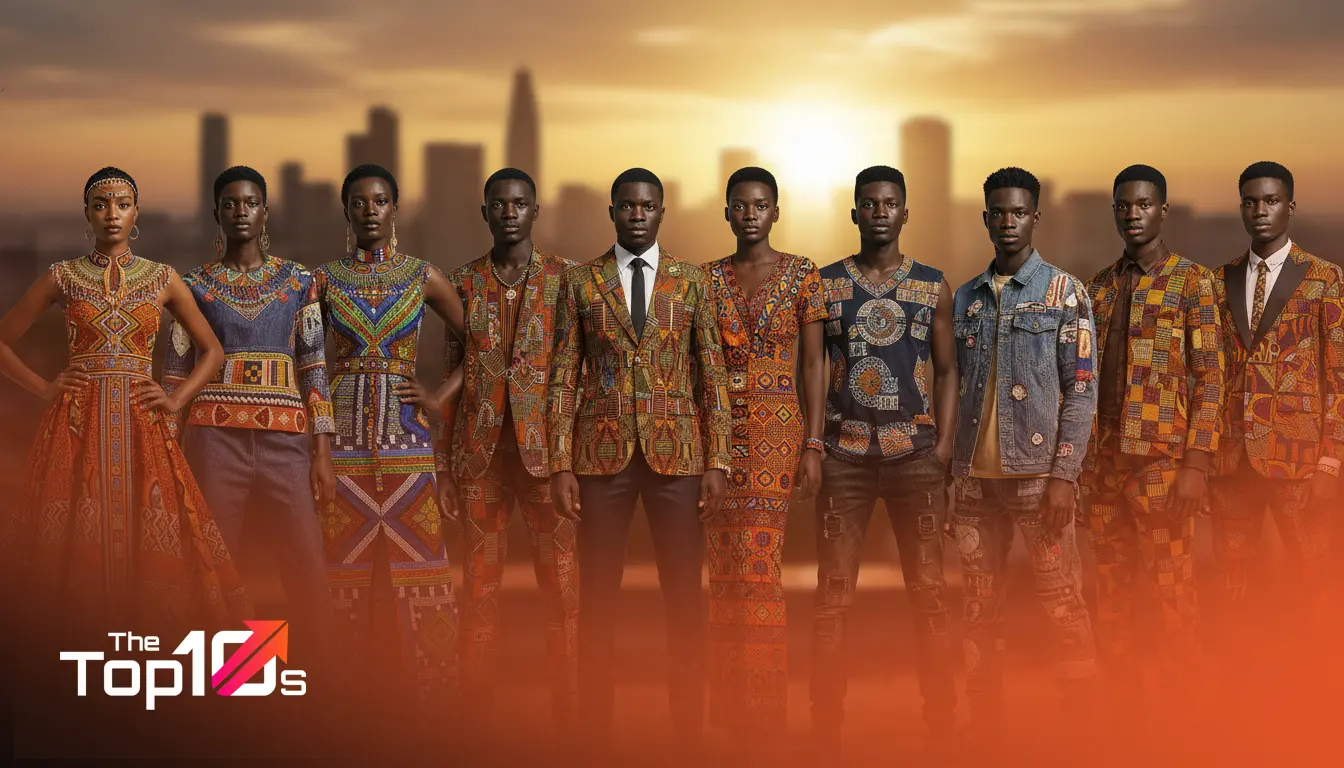
Walk through the streets of Nairobi on a Friday, or attend a gallery opening in Westlands, and you will notice something distinct. The reliance on imported labels is fading. In its place, a bold, sophisticated aesthetic is taking root—one that is homegrown, authentic, and incredibly stylish. Choosing the right fashion designer in Kenya isn’t just about finding clothes that fit; it’s about aligning with a creative vision that understands our climate, our culture, and our evolving sense of identity.
For many, the challenge isn’t a lack of talent in the region; it is the sheer volume of it. How do you distinguish between a tailor who can sew a pattern and a designer who can build a wardrobe? The difference lies in the philosophy, the finishing, and the ability to translate personality into fabric. Whether you are looking for high-end couture for a red-carpet event, sustainable workwear, or a bespoke bridal gown, the Kenyan fashion scene has matured into a powerhouse of diversity.
Quick Takeaways: The Kenyan Design Shift
- Sustainability is Standard: Many top designers now prioritize eco-friendly fabrics and ethical production methods by default.
- Bespoke vs. Ready-to-Wear: Know the difference. Some designers only do custom measurements (bespoke), while others offer standard sizes (ready-to-wear).
- Global Fusion: The best aesthetics currently blend traditional African silhouettes with contemporary, functional western cuts.
- Investment Dressing: Local luxury focuses on longevity—garments meant to last a decade, not a season.
How We Identified Leading Fashion Designers
Compiling a list of the “best” is always subjective, but to make this useful for you, we looked beyond just popularity or Instagram follower counts. We analyzed the tangible elements that matter when you actually spend money on a garment.
Our selection methodology focused on consistency in production quality. A great sketch means nothing if the hem falls apart after two washes. We looked for designers with a proven track record of delivering finished goods that rival international luxury standards. We also considered their distinct design signature—can you recognize their work without looking at the label? Finally, we reviewed client feedback regarding professionalism, timelines, and the ability to interpret a client’s needs into a wearable reality. These are professionals who treat fashion as both an art form and a serious business.
List of 10 Best Fashion Designers in Kenya
| SNO | Name | Best for |
|---|---|---|
| 1 | Deepa Dosaja | The woman who wants to make a statement without shouting |
| 2 | KikoRomeo (Iona & Ann McCreath) | The art lover |
| 3 | John Kaveke | The man who is tired of the standard navy blue suit |
| 4 | Katungulu Mwendwa | The modern working woman who values comfort as much as style |
| 5 | Wambui Mukenyi | Anyone with a wedding on the calendar |
| 6 | Anyango Mpinga | The cosmopolitan traveler |
| 7 | Ogake Mosomi | The bride who has a specific vision that cannot be found in a shop |
| 8 | Jamil Walji | The celebrity or the socialite |
| 9 | Akinyi Odongo | Female executives, politicians, and leaders |
| 10 | Hamaji | The nature lover and the free spirit |
Top 10 Fashion Designers In Kenya
Here are the creatives currently defining the aesthetic of the region, ranging from established legends to influential modernists.
1. Deepa Dosaja
If you are looking for conscious luxury, Deepa Dosaja is often the first name that comes up. With over two decades in the industry, her brand has become synonymous with “slow fashion.” She was one of the first in the region to strictly adhere to the Global Organic Textile Standard (GOTS), ensuring that every thread is as kind to the earth as it is to your skin.
Specialization: Her work is instantly recognizable by its fluid silhouettes, hand-painted floral fabrics, and intricate embroidery. She focuses primarily on bespoke couture and high-end ready-to-wear for women.
Who this is for: The woman who wants to make a statement without shouting. If you appreciate natural fabrics like silk and linen and want a garment that feels like wearable art, Deepa’s studio is your destination.
2. KikoRomeo (Iona & Ann McCreath)
KikoRomeo, meaning “Adam’s Apple” in Kiswahili, is a legacy brand that has successfully reinvented itself for the modern era. Founded by Ann McCreath and now co-directed by her daughter Iona, the brand bridges the gap between heritage and contemporary art. They are credited with transforming the perception of African textiles from “curio” to high fashion.
Specialization: They excel in sustainable menswear and womenswear, often utilizing hand-dyed cottons and linens. Their cuts are architectural and distinct, often playing with asymmetry and volume.
Who this is for: The art lover. If you want clothes that tell a story about Kenyan heritage while looking thoroughly modern in a New York or London boardroom, KikoRomeo fits the bill.
3. John Kaveke
When discussing menswear in Kenya, John Kaveke is the authority. Having studied in Barcelona and practiced for years in Nairobi, he brings a European sartorial edge to African masculinity. Kaveke does not shy away from color or unconventional fabric choices for men, yet he maintains a strict discipline in tailoring.
Specialization: Bespoke men’s suiting and “smart casual” with an edge. He is known for using leather, beadwork, and bold hues in jackets and trousers that retain a masculine structure.
Who this is for: The man who is tired of the standard navy blue suit. Kaveke is for the groom who wants to stand out or the executive who leads with creativity.
4. Katungulu Mwendwa
Katungulu Mwendwa represents the new guard of Kenyan minimalism. Her approach is refreshing in a market that often leans towards maximalist prints. She focuses on trans-seasonal designs—clothes that can be layered and worn throughout the year, regardless of the weather.
Specialization: Contemporary women’s wear that borrows heavily from traditional African unisex utilitarianism. Think oversized coats, structured pants, and breathable cotton separates in earth tones.
Who this is for: The modern working woman who values comfort as much as style. Her pieces are designed to transition seamlessly from a morning meeting to an evening dinner.
5. Wambui Mukenyi
Starting as a self-taught designer, Wambui Mukenyi has built a fashion empire that creates the dreamiest bridal and occasion wear in the country. Her rise to the top was fueled by her ability to listen to what modern Kenyan brides actually want, moving away from stiff, imported synthetics to fluid, flattering cuts.
Specialization: Bridal gowns, bridesmaid dresses, and evening galas. Her “Luxe” collection often features high-quality crepes, tulles, and satins designed to flatter curvy African body types.
Who this is for: Anyone with a wedding on the calendar. Whether you are the bride or a guest, Wambui delivers high-glamour looks that photograph beautifully.
6. Anyango Mpinga
Anyango Mpinga creates clothes with a conscience. Her brand is heavily narrative-driven, often using fashion to discuss social issues like the Free As A Human initiative. But beyond the activism, the clothes are impeccably designed. She creates pieces that feel ethereal yet grounded.
Specialization: She is famous for her deconstructed white shirts and bold, proprietary prints. Her aesthetic is sophisticated, featuring laser-cut detailing and asymmetrical skirts.
Who this is for: The cosmopolitan traveler. Her clothes pack well, wear well, and serve as excellent conversation starters regarding ethical production and design meaning.
7. Ogake Mosomi
If you want a dress that fits like a second skin, you go to Ogake. With a background in fine art, she approaches fashion design with a sculptor’s eye. She is arguably the leading name in bespoke bridal production in Kenya, known for creating custom fabrics rather than just buying what is available on the market.
Specialization: High-end bespoke bridal and evening wear. She is particularly skilled in corsetry and structure, ensuring gowns provide support without looking heavy.
Who this is for: The bride who has a specific vision that cannot be found in a shop. Ogake is for the client who wants to be involved in every step of the creation process, from sketch to final stitch.
8. Jamil Walji
Jamil Walji is the wildcard of the Kenyan fashion industry. He brings the drama. Known for his couture approach, Walji does not design for the faint of heart. His creations are often avant-garde, utilizing volume, texture, and unexpected materials to create silhouettes that command attention.
Specialization: Couture and red-carpet showstoppers. He mixes fabrics in ways most wouldn’t dare, creating distinct, one-of-a-kind pieces.
Who this is for: The celebrity or the socialite. If you are hosting a gala or attending an awards show and want to ensure no one else looks like you, Walji is the designer to call.
9. Akinyi Odongo
Akinyi Odongo is a powerhouse who understands the intersection of fashion and corporate power. As the founder of Akinyi Odongo Kenya, she designs for the woman in the C-suite. Her clothes project authority, elegance, and competence.
Specialization: High-end corporate wear and Afro-fusion elegance. She uses high-quality linens and cottons to create structured jackets and dresses that respect conservative work environments while remaining stylish.
Who this is for: Female executives, politicians, and leaders. Her designs are made for women who need to command a room immediately upon entering.
10. Hamaji
Hamaji, meaning “nomad” in coastal dialect, captures the bohemian spirit of Kenya. The brand focuses on botanical dyes and natural fibers, working with rural artisans to create garments that feel organic and free-spirited. It is the antithesis of fast fashion.
Specialization: Boilersuits, kimonos, and flowing dresses made from natural fibers like hemp and silk. The color palette is usually derived from plants, roots, and bark.
Who this is for: The nature lover and the free spirit. If your style leans towards effortless cool and you care deeply about the environmental footprint of your wardrobe, Hamaji is an excellent choice.
What Defines a Great Fashion Designer in Kenya?
Not every tailor with a sewing machine is a designer. When you are looking for top-tier talent in this region, specific markers separate the hobbyists from the professionals.
Mastery of Local and Global Fabrics
A great designer understands how fabric behaves in the East African climate. They know that heavy synthetics are a nightmare in Mombasa heat, and that linen needs a specific weight to drape correctly. The best designers in Kenya are now blending imported Italian wools with locally sourced cottons and artisanal weaves, creating a hybrid textile culture that is unique to the region.
The “Inside-Out” Rule
You can tell the quality of a designer by turning the garment inside out. Are the seams serged perfectly? Is the lining attached seamlessly? Is there tailored structuring? Leading designers ensure the interior of the garment is just as beautiful as the exterior. This attention to construction is what ensures a garment lasts for years rather than months.
Client Communication
Kenyan fashion is heavily skewed towards bespoke service. Therefore, a designer’s ability to interpret a client’s vague ideas (“I want to look elegant but not stiff”) into a sketch is crucial. The top designers have systems in place—consultations, fittings, and final adjustments—that make the client feel heard and valued.
How to Choose the Right Fashion Designer for Your Needs
Selecting a designer is a personal relationship. To ensure you don’t end up with a “what I ordered vs. what I got” scenario, consider these factors.
Define the Occasion: Are you building a work wardrobe or prepping for a wedding? Designers like Akinyi Odongo are better for the former, while Ogake Mosomi reigns supreme for the latter. Don’t ask an avant-garde designer to make a conservative business suit unless you know they have that range.
Understand the Timeline: True luxury takes time. A bespoke suit or gown can take anywhere from four to eight weeks to produce. If a designer promises you a complex couture gown in three days, be skeptical. Quality construction cannot be rushed.
Budget Transparency: High-end fashion in Kenya is an investment. Be clear about your budget upfront. The best designers will tell you immediately if your budget aligns with their material costs and labor. It is better to have a frank conversation about money before the scissors touch the fabric.
You can find more resources on the Kenyan fashion ecosystem to help guide your purchasing decisions.
Frequently Asked Questions
How much does a bespoke dress cost in Kenya?
Costs vary wildly depending on the designer and fabric. However, for a bespoke evening gown from a top-tier designer, you can expect to pay anywhere from KES 30,000 to over KES 150,000 for intricate bridal work. Ready-to-wear pieces from luxury local brands typically range between KES 8,000 and KES 25,000.
Do these designers offer ready-to-wear options?
Yes, many do. Brands like KikoRomeo, Deepa Dosaja, and Katungulu Mwendwa offer ready-to-wear collections that you can buy off the rack or order online. However, designers like Ogake Mosomi focus almost exclusively on made-to-measure services.
Can I find sustainable fashion designers in Nairobi?
Absolutely. Kenya is actually a leader in the sustainable fashion movement on the continent. Designers like Deepa Dosaja and Hamaji strictly use natural dyes, organic fabrics, and ethical labor practices. Always ask about the fabric source if sustainability is a priority for you.
How far in advance should I book a bridal designer?
For a wedding gown, you should start consulting with designers at least 4 to 6 months in advance. This allows time for sourcing specific fabrics, multiple fittings, and the intricate hand-finishing that luxury bridal wear requires.
Do Kenyan designers make clothes for men?
Yes, the menswear scene is thriving. John Kaveke and KikoRomeo are excellent starting points for men looking for bespoke suits, shirts, and casual wear that fits better than generic mall brands.
Next Steps for Your Wardrobe
Upgrading your style with local luxury is one of the most rewarding investments you can make. The clothes fit better, last longer, and support the local creative economy. Start small if you are hesitant—perhaps a shirt from KikoRomeo or a dress from Katungulu Mwendwa.
Visit their studios. Feel the fabrics. Have a conversation about what suits your body type. Fashion in Kenya has moved beyond simple tailoring; it is now about curating an identity. The designers listed above are ready to help you craft yours.