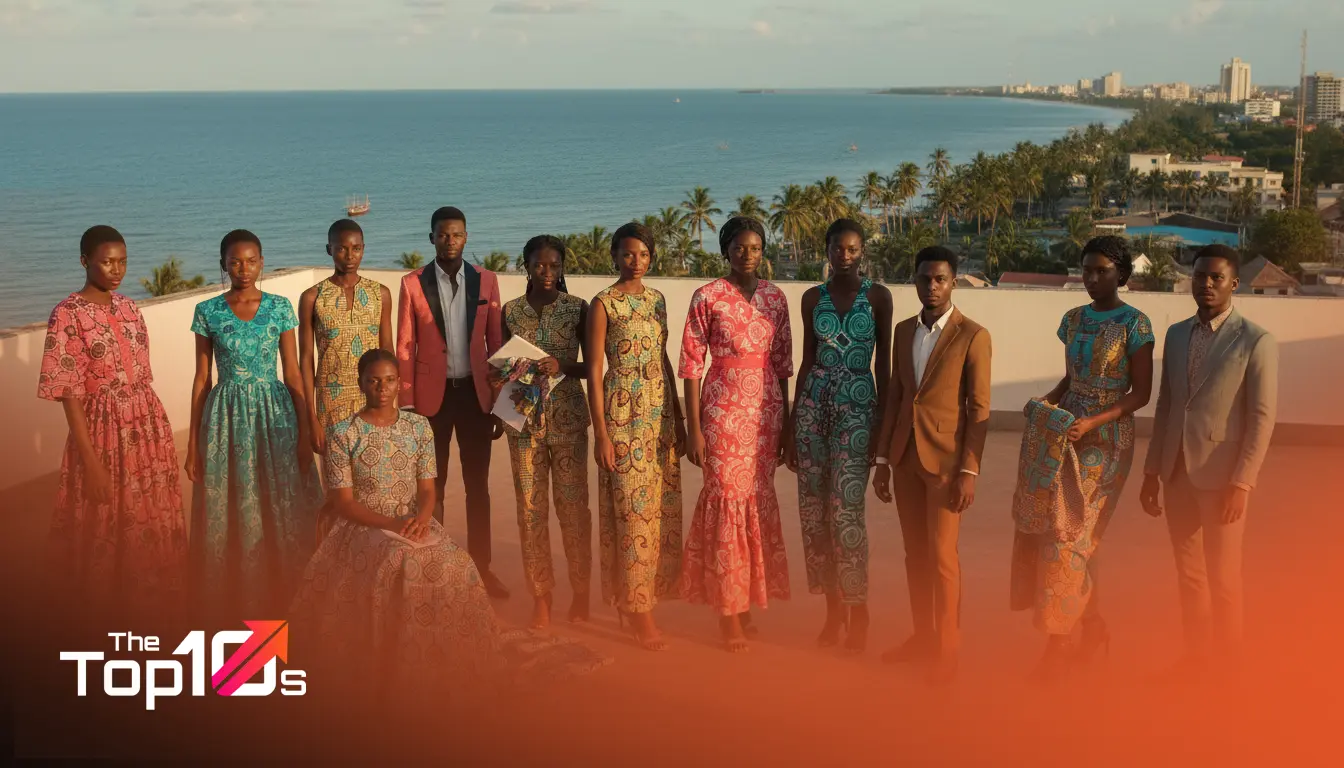
The fashion scene in Maputo isn’t just buzzing; it is practically vibrating with energy. If you walk through the upscale avenues of Polana or the bustling markets where raw fabric changes hands, you quickly realize that Mozambican style is not a monolith. It is a sophisticated dialogue between deep-rooted African heritage and sharp, contemporary global trends. For anyone looking to commission a bespoke piece or stock a retail boutique, finding the right creative partner is essential.
You might be wondering why Mozambique has suddenly appeared on the global luxury radar. It comes down to a unique blend of fearlessness and technical precision. The best fashion designers in Mozambique aren’t just making clothes; they are storytelling through textiles, often blending the iconic Capulana wax prints with silk, leather, and intricate beading that rivals European ateliers.
Choosing a designer here is about more than just aesthetics. It involves understanding the climate, the social context of the clothing (from boardrooms to traditional Lobolo ceremonies), and the artisan’s ability to deliver. Whether you are a buyer looking for the next breakout label or a fashion enthusiast hunting for a one-of-a-kind gown, this guide cuts through the noise to highlight the true heavyweights of the industry.
Quick Takeaways: The Mozambican Aesthetic
- Fusion is Key: The top talent effortlessly blends traditional Capulana fabrics with modern, structured western silhouettes.
- Custom Culture: Unlike many western markets, “made-to-measure” is the standard here, not the exception. Expect a high level of personalization.
- Versatility: Most designers showcased here transition seamlessly between haute couture runways and ready-to-wear collections.
- Sourcing Matters: The leading names have solved the supply chain puzzle, sourcing high-grade materials that withstand the tropical humidity.
How We Identified Leading Fashion Designers
Compiling a list of this nature requires looking beyond Instagram follower counts or flashy runway finales. We analyzed the local industry based on indicators that matter to paying clients and serious buyers. Our selection methodology prioritizes consistency in output—meaning the designer delivers quality collections season after season, rather than one-off hits.
We examined the technical complexity of their garments. A great sketch does not always translate to a well-constructed garment. We looked for experienced fashion design professionals in Mozambique who demonstrate mastery in pattern making, finishing, and fit. Furthermore, we considered their business footprint. Does the designer have an established atelier? Do they dress prominent public figures or participate in credible platforms like Maputo Fashion Week? Public reputation and the ability to manage client expectations played a significant role in who made the final cut.
List of 10 Best Fashion Designers in Mozambique
| SNO | Name | Best For |
|---|---|---|
| 1 | Taibo Bacar | The client who wants international luxury standards with a distinct African soul. Perfect for red carpet events or high-stakes corporate wear. |
| 2 | Shaazia Adam | Brides and women attending formal galas who prioritize grace and intricate detailing over architectural stiffness. |
| 3 | Pinto Música | Clients who want to make a loud, culturally rich statement. Ideal for cultural ceremonies or artistic events. |
| 4 | Omar Adelino | The fashion-forward risk-taker who wants to stand out at a party or awards show. |
| 5 | Eliana Murargy | Professional women building a capsule wardrobe of high-quality, investment pieces. |
| 6 | Nivaldo Thierry | Grooms, business executives, and anyone needing a suit that fits like a second skin. |
| 7 | Wumbire (George Wumbire) | Musicians, artists, and younger buyers looking for distinct, wearable daily pieces. |
| 8 | Mima-te | The everyday woman who wants to elevate her daily wardrobe with locally made designer pieces. |
| 9 | Cuccina | Tourists and expats looking for wearable souvenirs, or locals wanting chic, breathable weekend wear. |
| 10 | Ideias a Metro | Eco-conscious consumers and those looking for the perfect accessory to finish a look. |
Top 10 Fashion Designers in Mozambique
The following creatives represent the pinnacle of Mozambican design. Each brings a distinct perspective, ranging from avant-garde architectural shapes to soft, romantic bridal wear.
1. Taibo Bacar
If there is one name that has become synonymous with Mozambican luxury, it is Taibo Bacar. His brand has transcended local borders, earning recognition in Milan and Paris. Bacar started his career with a background in IT but quickly pivoted to follow his creative instincts. He is widely respected for his ability to manipulate high-end fabrics, particularly leather and silk, into forms that flatter the female silhouette.
Area of Specialization: High-end luxury women’s wear and accessories.
Experience: Established in 2008 (15+ years).
Notable Strengths: His attention to detail is obsessive. Bacar is known for creating timeless pieces that do not feel tied to a single season. His fusion of African prints with haute couture cuts creates a look that is globally relevant yet locally grounded.
Best Suited For: The client who wants international luxury standards with a distinct African soul. Perfect for red carpet events or high-stakes corporate wear.
2. Shaazia Adam
Shaazia Adam represents the softer, more ethereal side of the Maputo fashion narrative. Her work is often characterized by sophisticated elegance and a restrained color palette. While many local designers lean into loud, clashing prints, Adam often finds power in subtlety. Her designs frequently feature intricate beadwork and embroidery, showcasing a level of hand-finishing that is rare in ready-to-wear.
Area of Specialization: Bridal and evening wear.
Experience: Over a decade of active design presence.
Notable Strengths: Fabric selection is her forte. She gravitates towards chiffons, lace, and silks that offer movement. Her label is also celebrated for its inclusivity, offering flattering cuts for a diverse range of body types.
Best Suited For: Brides and women attending formal galas who prioritize grace and intricate detailing over architectural stiffness.
3. Pinto Música
To discuss Mozambican fashion without mentioning Pinto Música would be an oversight. He is often referred to as a master of the Capulana. Música does not just use the fabric; he transforms it. His designs are theatrical, bold, and unapologetically African. He understands the cultural weight of the textiles he works with and creates garments that feel like celebrations.
Area of Specialization: Avant-garde and conceptual runway pieces using Capulana.
Experience: 15+ years in the industry.
Notable Strengths: Creativity and volume. Música is not afraid to take risks with oversized sleeves, complex pleating, or mixed patterns. He turns traditional fabric into art.
Best Suited For: Clients who want to make a loud, culturally rich statement. Ideal for cultural ceremonies or artistic events.
4. Omar Adelino
Omar Adelino brings a youthful, edgy energy to the list. His work often challenges traditional gender norms and silhouette expectations. There is a sharpness to his tailoring that appeals to a modern, cosmopolitan demographic. While he respects tradition, he is certainly not bound by it. His collections often feature daring cuts, sheer fabrics, and a touch of dark romance.
Area of Specialization: Contemporary evening wear and glamorous cocktail attire.
Experience: Emerged prominently in the early 2010s.
Notable Strengths: Adelino excels at “the entrance dress.” His designs are constructed to be photographed. He uses structure and draping to create dramatic effects that look incredible in motion.
Best Suited For: The fashion-forward risk-taker who wants to stand out at a party or awards show.
5. Eliana Murargy
Eliana Murargy brings a structured, almost architectural approach to fashion design. Her background includes formal training, which is evident in the precision of her seams and the cleanliness of her lines. Murargy’s aesthetic is polished and cosmopolitan. She designs for the powerful woman—politicians, CEOs, and industry leaders who need clothes that command respect without shouting.
Area of Specialization: Tailored women’s wear and business luxury.
Experience: 12+ years shaping the local luxury market.
Notable Strengths: Fit and finish. You will rarely find a loose thread or a crooked hem on a Murargy piece. Her ability to tailor jackets and trousers for the female form is exceptional.
Best Suited For: Professional women building a capsule wardrobe of high-quality, investment pieces.
6. Nivaldo Thierry
While many designers focus heavily on women’s wear, Nivaldo Thierry has carved out a massive reputation starting with menswear before expanding his repertoire. Known for his “dandy” aesthetic, Thierry brings a level of sartorial excellence to Maputo that rivals Savile Row. His suits are legendary, but his recent expansions into women’s couture have been equally well-received.
Area of Specialization: Bespoke menswear and structured women’s couture.
Experience: Over 15 years perfecting the bespoke process.
Notable Strengths: Tailoring. Thierry understands the geometry of the body. He uses high-quality wools and blends that breathe in the heat but maintain their crispness.
Best Suited For: Grooms, business executives, and anyone needing a suit that fits like a second skin.
7. Wumbire (George Wumbire)
Wumbire represents the pulse of the street. George Wumbire’s brand captures the vibrant urban energy of Mozambique’s youth. This is not stiff, formal wear; it is cool, functional, and deeply stylish. He often mixes denim with African prints, creating a “street-lux” vibe that appeals to a younger, trend-conscious audience.
Area of Specialization: Urban wear and Afro-futuristic casual styles.
Experience: A rising force over the last 8 years.
Notable Strengths: Accessibility and trend interpretation. Wumbire has a knack for seeing what is happening in global street culture and remixing it with a Mozambican twist.
Best Suited For: Musicians, artists, and younger buyers looking for distinct, wearable daily pieces.
8. Mima-te
Founded by the Chiziane twin sisters, Mima-te is a brand built on joy and femininity. The name itself suggests care and pampering. Their designs are approachable yet distinct, often utilizing bright colors and playful cuts. They have successfully bridged the gap between exclusive high fashion and accessible boutique wear.
Area of Specialization: Ready-to-wear and smart casual.
Experience: Established presence for over a decade.
Notable Strengths: Commercial viability. Mima-te makes clothes that real women want to wear to brunch, work, or weddings. Their sizing and cuts are realistic and flattering.
Best Suited For: The everyday woman who wants to elevate her daily wardrobe with locally made designer pieces.
9. Cuccina
Cuccina is a brand that celebrates the boldness of African print with modern, minimalist cuts. The philosophy here seems to be “let the print do the talking.” By keeping the silhouettes clean and simple—shift dresses, wide-leg trousers, boxy tops—the vibrant patterns of the Capulana are allowed to shine without looking costumey.
Area of Specialization: Modern resort wear and casual chic.
Experience: A staple in the Maputo boutique scene.
Notable Strengths: Curation of prints. The team behind Cuccina has an excellent eye for selecting textile patterns that are unique, avoiding the generic prints found in every market stall.
Best Suited For: Tourists and expats looking for wearable souvenirs, or locals wanting chic, breathable weekend wear.
10. Ideias a Metro
While technically a broader design house, Ideias a Metro deserves a spot for their innovative approach to accessories and textile manipulation. They often collaborate with other designers or create standalone pieces that redefine how accessories complete an outfit. Their work with bags, belts, and jewelry often incorporates fabric scraps, promoting a cycle of sustainability.
Area of Specialization: Accessories and sustainable textile innovation.
Experience: Long-standing presence in the creative arts sector.
Notable Strengths: Upcycling and craftsmanship. They prove that luxury can be created from what is left behind, turning offcuts into coveted items.
Best Suited For: Eco-conscious consumers and those looking for the perfect accessory to finish a look.
What Defines a Great Fashion Designer in Mozambique?
Identifying talent in this region involves specific nuances that differ from Paris or New York. The context of the environment plays a huge role. A great designer here must master the balance between visual impact and climate reality. Maputo is humid and hot for much of the year. The best designers understand that a heavy velvet gown, no matter how beautiful, is impractical. They innovate with breathable linings and natural fibers.
Furthermore, the cultural definition of “greatness” involves the ability to handle the “Capulana evolution.” For decades, wax print was traditional attire. Today, the mark of a top-tier designer is their ability to take this ubiquitous fabric and force it to behave in new ways—structuring it into blazers, draping it for evening gowns, or deconstructing the pattern to create something entirely new.
Client communication is also a critical differentiator. In a market heavily reliant on custom orders, the designer acts as a consultant. They must interpret a client’s vague desire for “something elegant for a wedding” into a concrete sketch that respects the client’s body and budget. The trusted fashion designers near Mozambique who succeed are those who manage this relationship with empathy and professionalism.
How to Choose the Right Fashion Designer for Your Needs
Selecting a creative partner can be intimidating. You are entrusting someone with your appearance and your money. Here is a practical framework to help you decide.
Review the “Inside” of the Garment
When visiting an atelier, ask to see a finished piece. Turn it inside out. Are the seams surged or French-seamed? Is the lining attached properly? The interior of the garment tells you everything about the longevity of the piece. Designers like Nivaldo Thierry or Eliana Murargy pride themselves on interiors that are as beautiful as the exteriors.
Clarify the Timeline
“Mozambican time” can sometimes be a reality, but professional designers operate on strict schedules. Be clear about your deadline. If you have a wedding on the 15th, do not tell the designer the 14th. Give yourself a two-week buffer for final alterations. High-demand designers like Taibo Bacar may have waiting lists of several months.
Assess Their Fabric Access
Does the designer require you to bring your own fabric, or do they source it? Top-tier designers usually prefer to source their own materials because they know how specific textiles drape and behave. If you must provide the fabric, ask for a swatch sample first to ensure it matches their vision.
Define Your Budget Strategy
Bespoke is labor-intensive. Understand that you are paying for pattern drafting, fittings, and exclusive design rights. If your budget is tight, ask if they have a “ready-to-wear” line (like Mima-te) which is often more accessible than their custom couture services.
Frequently Asked Questions
Do Mozambican fashion designers ship internationally?
Yes, many established brands like Taibo Bacar and Shaazia Adam have experience with international logistics. However, shipping costs and customs duties can be significant. It is best to contact the atelier directly via WhatsApp or email to discuss courier options before purchasing.
What is the average lead time for a custom dress in Maputo?
For a standard evening dress, expect a timeline of 3 to 6 weeks. For bridal wear or complex couture involving beading, 3 to 6 months is standard. Always book your slot as early as possible, especially during the wedding season (August to December).
Can I wear traditional Capulana for a formal corporate event?
Absolutely. The trend has shifted significantly. Designers like Eliana Murargy create “corporate Capulana” looks—blazers, pencil skirts, and structured shifts—that are perfectly acceptable and even admired in Mozambican boardrooms.
Is it cheaper to buy fabric at the market and take it to a tailor?
It is generally cheaper, but you compromise on design protection and finish quality. A neighborhood tailor copies instructions; a fashion designer creates a vision and ensures structural integrity. You are paying for the expertise, not just the sewing.
How do I make an appointment with these designers?
Most top designers in Mozambique operate by appointment only. Social media (particularly Instagram) is the primary business directory. Send a professional message or call the number in their bio. Walk-ins are rarely accommodated at the high-end level.
Final Thoughts on Mozambican Style
The fashion landscape in Mozambique is one of the most exciting in Southern Africa. It is a space where history is being rewritten with every stitch. Choosing to work with one of these top 10 fashion designers in Mozambique is an investment in quality and cultural expression. Whether you gravitate towards the architectural drama of Omar Adelino or the classic luxury of Taibo Bacar, the talent available is world-class.
Don’t just admire the photos online. If you are in the region, visit their ateliers and feel the fabrics yourself. Fashion is a tactile experience, and these creators are masters of their craft. Take the time to discuss your vision with them, and you will walk away with a garment that carries a story worth wearing.