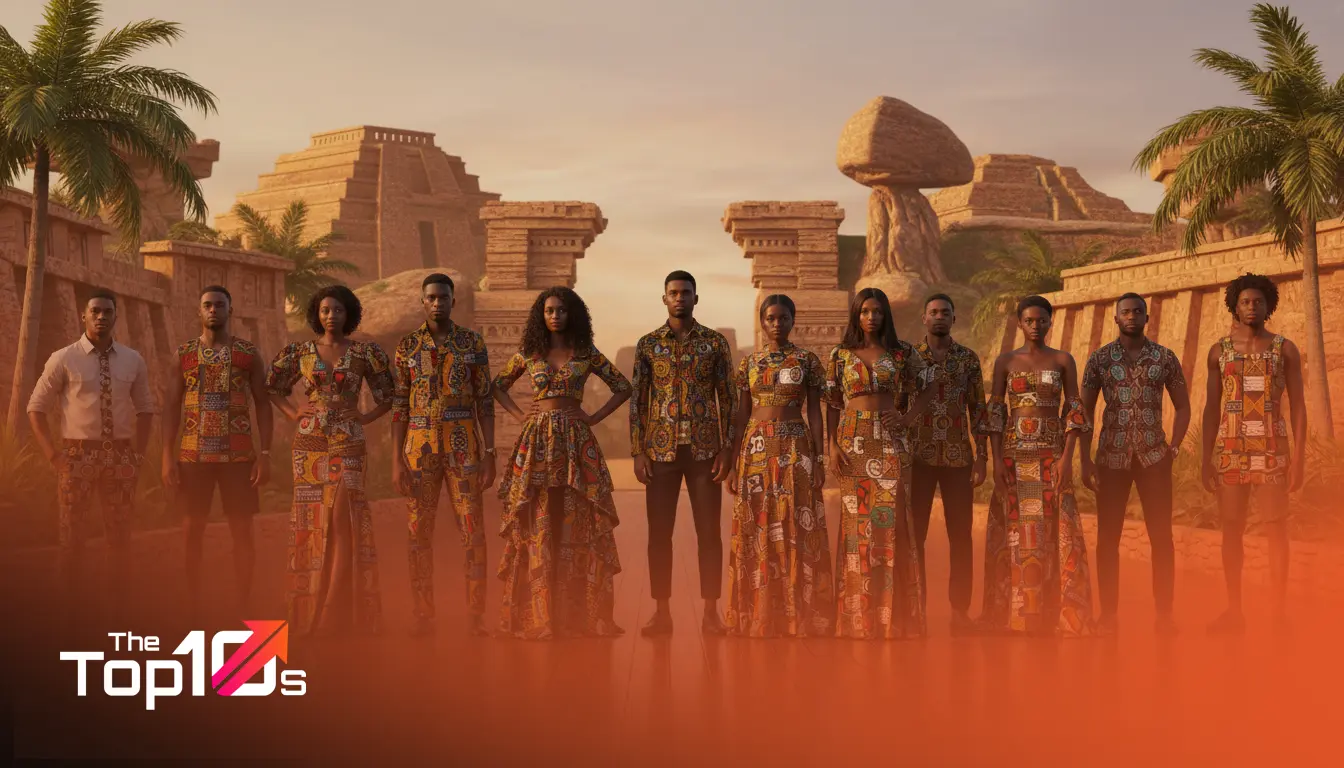
Zimbabwe’s fashion scene is currently undergoing a massive transformation. Walk through the streets of Harare or browse the curated feeds of Bulawayo’s creatives, and you’ll notice something undeniable: the local aesthetic has moved far beyond simple souvenir t-shirts or generic tailoring. We are seeing a sophisticated blend of heritage storytelling, sustainable innovation, and avant-garde couture that rivals international runways.
You might be wondering why this matters to you. Whether you are looking for a bespoke wedding gown, revamping your corporate wardrobe, or sourcing for a retail boutique, understanding who holds the needle in this country is crucial. The talent here is resilient. Despite economic hurdles that often complicate fabric sourcing and production, these creatives deliver world-class garments.
Finding the right creative partner is about more than just who has the most Instagram followers. It comes down to construction quality, design philosophy, and the ability to translate a vision into a wearable reality. This guide introduces you to the minds shaping the visual identity of Zimbabwe right now and heading into 2026.
Quick Takeaways: Zimbabwean Fashion
- Resilience is Key: Local designers are masters of improvisation, often creating luxury from limited resources.
- Heritage Meets Modernity: The top aesthetic trend involves deconstructing traditional prints and remixing them with industrial or minimalist silhouettes.
- Slow Fashion Focus: Many leading labels prioritize made-to-measure and sustainable practices over mass production.
- Location Matters: While Harare is the commercial hub, Bulawayo creates some of the most avant-garde, culturally rooted designs.
How We Identified Leading Fashion Designers
Selecting the top talent in a diverse market isn’t a guessing game. To curate this list, we looked past the hype and focused on tangible metrics of quality and professionalism. We analyzed the consistency of their collections over the last few years. A great designer doesn’t just produce one hit outfit; they maintain a cohesive voice season after season.
We also evaluated craftsmanship. In fashion, the truth is always on the inside of the garment. We looked for designers known for clean finishing, proper lining, and structural integrity. Public reputation played a significant role as well. We listened to client feedback regarding timelines, communication, and the overall service experience. Finally, we considered their adaptability—how well they handle the shift between high-concept runway pieces and wearable commercial garments.
List of 10 Best Fashion Designers in Zimbabwe
| SNO | Name | Best For |
|---|---|---|
| 1 | Ishmael Tsakatsa (Zargue’sia) | The client who wants to make a grand entrance at a gala, wedding, or awards ceremony. |
| 2 | Tapfumanei Munenge | Celebrities, brides looking for non-traditional gowns, and anyone brave enough to be the center of attention. |
| 3 | Joyce Chimanye (Zuvva) | The professional woman who wants to wear her heritage without looking costumey. |
| 4 | Nkululeko Ncube (Ara Kani) | Artists, musicians, and fashion-forward individuals who prefer edge over elegance. |
| 5 | Danayi Madondo (Haus of Stone) | The eco-conscious buyer and those who prioritize comfort and breathability alongside style. |
| 6 | Ngoni Motsi (Soznio) | Grooms, corporate executives, and men building a capsule wardrobe. |
| 7 | Nkanyeziyethu Malunga (Ganu) | Cultural events, heritage celebrations, and art collectors. |
| 8 | Sohail (Sohail Designs) | Bridals, Eid celebrations, and women seeking luxury modest wear. |
| 9 | Richard T. Mharapara (Ric Chasers) | Gen Z, influencers, and casual wear enthusiasts. |
| 10 | Maita Marimo | The sophisticated traveler and women who love soft, romantic silhouettes. |
Top 10 Fashion Designers In Zimbabwe
Here are the creatives currently defining the country’s sartorial identity, ranging from established icons to boundary-pushing contemporaries.
1. Ishmael Tsakatsa (Zargue’sia)
Specialization: Christian-influenced Couture & High Elegance
Ishmael Tsakatsa is a name synonymous with opulence and romance. Launching his brand Zargue’sia in 2013, he has firmly established himself as a heavyweight in the luxury sector. His aesthetic often draws from Victorian and Renaissance eras, blended with a modern African touch. You won’t find fast fashion here; this is about drama, ruffles, and heavy fabrics that command attention.
Notable Strengths: Tsakatsa possesses a rare ability to manipulate fabric into structural art. His understanding of volume and silhouette makes him a favorite for red-carpet events and high-profile weddings. He was the first Zimbabwean designer to showcase at Paris Fashion Week, a testament to his global appeal.
Best For: The client who wants to make a grand entrance at a gala, wedding, or awards ceremony.
2. Tapfumanei Munenge
Specialization: Haute Couture & Avant-Garde Womenswear
Often referred to as the “Couture Prince” of Zimbabwe, Tapfumanei Munenge does not do subtle. His work is characterized by bold structural elements, sequins, and unapologetic glamour. He treats fashion as performance art. If you attend a high-society event in Harare, chances are the most talked-about dress in the room came from his studio.
Notable Strengths: Munenge is fearless with texture. He mixes lace, velvet, and sheer paneling in ways that seem risky but always land perfectly. His corsetry work is also highly regarded, offering clients a tailored fit that enhances the natural hourglass shape.
Best For: Celebrities, brides looking for non-traditional gowns, and anyone brave enough to be the center of attention.
3. Joyce Chimanye (Zuvva)
Specialization: Afro-Urban Ready-to-Wear
Joyce Chimanye is a veteran who has seen the industry through its many phases. Her brand, Zuvva, is perhaps the most commercially successful and recognizable label on this list. She mastered the art of taking traditional print fabrics and cutting them into contemporary, everyday shapes long before it became a global trend.
Notable Strengths: Scalability and wearability define her work. While she can do custom pieces, her strength lies in creating clothes that professional women can wear to the office and then to a dinner date. She also focuses heavily on mentorship, shaping the next generation of designers.
Best For: The professional woman who wants to wear her heritage without looking costumey.
4. Nkululeko Ncube (Ara Kani)
Specialization: Deconstructed Streetwear & Dark Avant-Garde
Hailing from Bulawayo, Nkululeko Ncube brings a rebellious edge to the list. His brand, Ara Kani, challenges gender norms and traditional silhouettes. Think industrial detailing, straps, deconstructed tailoring, and a predominantly monochromatic palette. His work often reflects a moodier, more artistic side of Zimbabwean youth culture.
Notable Strengths: Ncube excels at storytelling through complex detailing. His garments often feature intricate braiding, weaving, and layering techniques that require hours of handwork. He represents the future of Zimbabwean design—conceptual yet rooted in skilled craftsmanship.
Best For: Artists, musicians, and fashion-forward individuals who prefer edge over elegance.
5. Danayi Madondo (Haus of Stone)
Specialization: Sustainable Minimalism & Ethereal Aesthetics
If you are looking for tranquility in clothing form, Haus of Stone is the destination. Danayi Madondo champions “slow fashion.” Her designs are breezy, inclusive, and deeply connected to spiritual and mental well-being. She often utilizes linen, cotton, and eco-friendly dyes to create garments that feel as good as they look.
Notable Strengths: Her mastery of drapery is exceptional. She creates clothes that accommodate fluctuating body shapes, making them incredibly practical. Furthermore, her commitment to ethical production practices appeals to the conscious consumer of 2026.
Best For: The eco-conscious buyer and those who prioritize comfort and breathability alongside style.
6. Ngoni Motsi (Soznio)
Specialization: Bespoke Menswear & Suiting
The menswear market in Zimbabwe is competitive, but Ngoni Motsi has carved out a distinct niche with Soznio. He focuses on the modern gentleman who has outgrown off-the-rack suits. His aesthetic is sharp, clean, and heavily influenced by British tailoring traditions, yet adapted for the African climate.
Notable Strengths: Fit is everything for Motsi. He understands the male physique and knows how to structure a jacket to broaden shoulders or slim the waist. His fabric selection, often involving high-grade wools and cashmeres, sets him apart.
Best For: Grooms, corporate executives, and men building a capsule wardrobe.
7. Nkanyeziyethu Malunga (Ganu)
Specialization: Cultural Preservation & Textile Art
Nkanyeziyethu Malunga uses fashion as a vehicle for history. Her brand, Ganu, is celebrated for revitalizing traditional Ndebele aesthetics. She often incorporates indigenous knowledge systems into her designs, using beadwork and prints that carry specific cultural meanings. This is clothing with a soul and a backstory.
Notable Strengths: Her research-driven approach ensures that every garment respects the culture it draws from. She is particularly skilled at modernizing traditional female attire, making it relevant for the 21st-century woman while maintaining its dignity.
Best For: Cultural events, heritage celebrations, and art collectors.
8. Sohail (Sohail Designs)
Specialization: Modest Fashion & Intricate Embellishment
Sohail has become a go-to name for modest fashion that refuses to compromise on style. Catering largely (though not exclusively) to the Muslim community and women who prefer coverage, his designs are fluid and elegant. He is known for abayas and kaftans that feature heavy, jewel-encrusted detailing.
Notable Strengths: His embroidery work is some of the best in the country. Sohail understands how to add weight and luxury to a garment through beading without making it look cluttered. His color palettes are often rich and regal.
Best For: Bridals, Eid celebrations, and women seeking luxury modest wear.
9. Richard T. Mharapara (Ric Chasers)
Specialization: Urban Culture & Youth Lifestyle
Ric Chasers represents the pulse of the streets. Richard Mharapara started with a clear vision of dressing the cool kids of Harare. His brand creates high-end streetwear—hoodies, bomber jackets, and tracksuits that are cut with the precision of luxury items. It’s a brand that blurs the line between a music video aesthetic and high fashion.
Notable Strengths: Branding. Mharapara understands hype and community building better than almost anyone else. His clothes are status symbols among the youth demographic. The durability of his activewear is also a key selling point.
Best For: Gen Z, influencers, and casual wear enthusiasts.
10. Maita Marimo
Specialization: Global Chic & Soft Femininity
Maita Marimo designs for the globetrotter. Having trained and showcased internationally, her aesthetic is polished and cosmopolitan. She favors silks, chiffons, and soft tailoring. Her pieces wouldn’t look out of place in a New York boutique or a Parisian café.
Notable Strengths: She has an incredible eye for prints and color coordination. Maita’s designs are never jarring; they flow. She is also known for consistency in sizing, which can sometimes be a challenge with local bespoke designers.
Best For: The sophisticated traveler and women who love soft, romantic silhouettes.
What Defines a Great Fashion Designer in Zimbabwe?
Understanding the local landscape is vital. A great designer here isn’t just an artist; they are a problem solver. The most successful creatives are those who have mastered the supply chain. Since Zimbabwe does not manufacture a wide variety of luxury textiles domestically, top designers must have reliable networks to source high-grade fabrics from across Africa, Asia, or Europe.
Furthermore, the ability to balance “Instagram fashion” with durability is a defining trait. We are seeing a shift away from clothes that only look good in photos. The best designers are focusing on the tactile experience—how the garment feels against the skin and how it moves. They prioritize the “inside” of the garment, ensuring seams are reinforced and linings are breathable, which is essential in our climate.
Communication style is the final differentiator. The Zimbabwean market relies heavily on bespoke, made-to-measure services. This requires a designer to be an excellent listener, capable of managing client expectations and navigating the delicate process of fitting and adjustments.
How to Choose the Right Fashion Designer for Your Needs
Picking a designer is like picking a business partner for a short-term project. Here is a practical framework to help you decide.
Assess Your Timeline Honestly
Custom garments take time. If a designer tells you they need three weeks, believe them. Quality sourcing and tailoring cannot be rushed. If you have an event in five days, look for designers with ready-to-wear rails (like Zuvva or Ric Chasers) rather than demanding a bespoke gown from a couturier.
Review the “Real” Portfolio
Don’t just look at the stylized photoshoots with professional lighting. Look at the photos of their real brides or clients tagged in their posts. How does the fabric sit on a normal body? diverse body types? This gives you a true indication of their tailoring skills.
Define Your Budget Structure
Be clear about costs upfront. Some designers charge a consultation fee, while others include it in the final price. Ask about fabric costs—do you need to buy the fabric yourself, or does the designer provide it? If you are looking for more insights on budgeting for luxury services, you can check this resource on planning for bespoke experiences.
Check Their Specialization
Don’t ask a streetwear designer to make a wedding gown, and don’t ask a bridal specialist to make corporate uniforms. While many claim versatility, you will get the best results by sticking to a designer’s primary area of genius.
Frequently Asked Questions
How much does a bespoke dress cost in Zimbabwe?
Pricing varies wildly based on fabric and complexity. A simple custom evening dress might start around USD 150, while intricate bridal couture from top-tier designers can range from USD 800 to over USD 3,000. Always get a detailed quote before work begins.
Do Zimbabwean designers provide the fabric?
It depends on the studio. Designers like Ishmael Tsakatsa and Maita Marimo usually source their own exclusive fabrics to maintain quality control. However, many smaller ateliers are happy to work with fabric you provide, provided it suits the design.
Can I order these brands online?
Digital adoption is growing. Brands like Haus of Stone and Ric Chasers have functional online stores or robust social media sales channels. However, for bespoke couture, an in-person consultation in Harare or Bulawayo is almost always required for measurements.
Is sustainable fashion growing in Zimbabwe?
Absolutely. There is a strong movement towards upcycling and using natural fibers, driven by designers like Danayi Madondo and Nkanyeziyethu Malunga. The scarcity of imported fabrics has inadvertently fueled a creative, eco-friendly approach to design.
What is the lead time for a wedding gown?
For a custom bridal gown, you should approach a designer at least 3 to 6 months in advance. This allows time for fabric sourcing (which may involve shipping), multiple fittings, and intricate hand-finishing.
Next Steps for Your Wardrobe
Zimbabwe’s fashion industry is brimming with talent that deserves global recognition. Whether you are drawn to the avant-garde edge of Ara Kani or the timeless elegance of Soznio, there is a creative voice here that matches your personal style.
Don’t just admire their work from a distance. Start by following these designers on social media to understand their current aesthetic. If you are in Harare or Bulawayo, visit their showrooms. Booking a consultation is the best way to feel the fabrics and discuss how they can elevate your personal brand. Investing in local design isn’t just about clothes; it’s about wearing a piece of the country’s creative future.