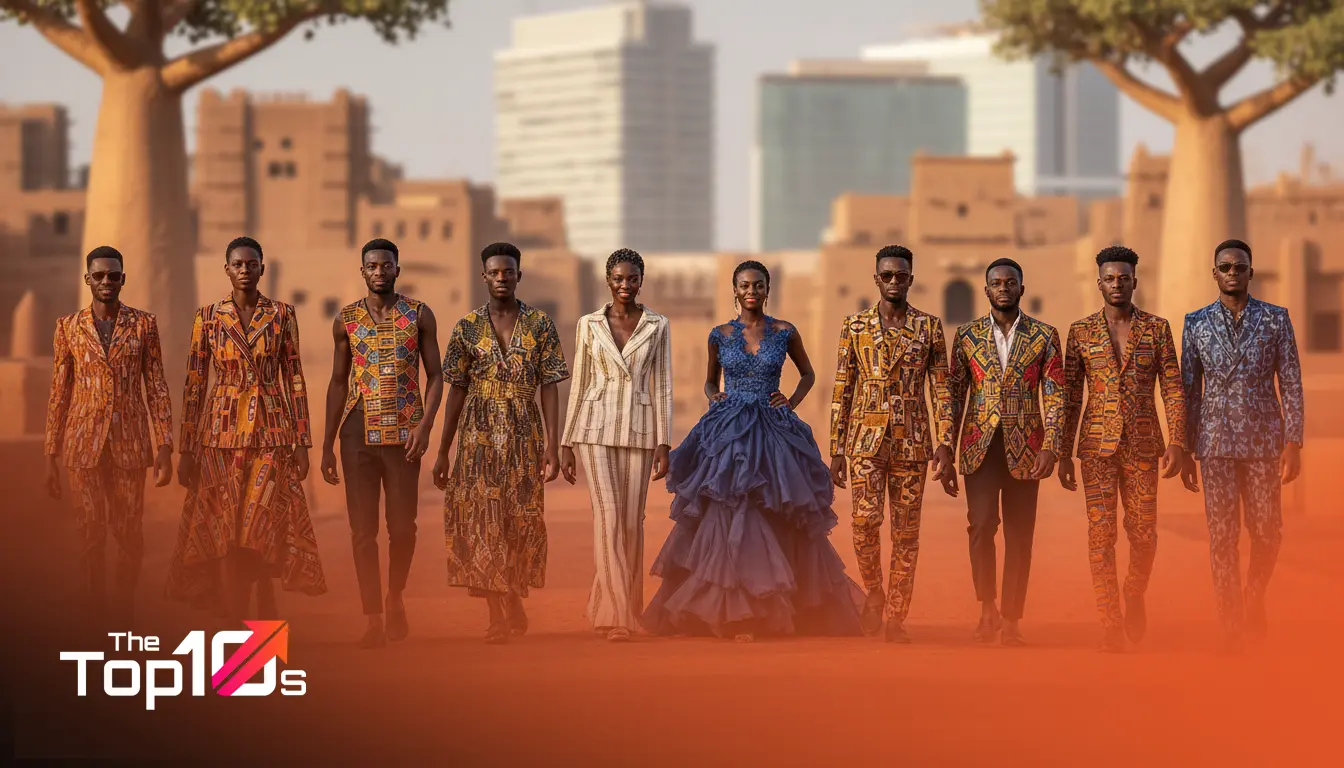
Walk through the bustling streets of Bamako on a Friday, and you aren’t just seeing clothes; you are witnessing art in motion. The distinct rustle of starched Bazin Riche, the intricate storytelling woven into Bogolan (mud cloth), and the bold, geometric cuts define a fashion culture that is arguably unrivaled in West Africa. Finding the right creative partner in this vibrant scene, however, takes more than just a Google search. It requires understanding who truly masters the needle.
Mali’s sartorial reputation is built on a legacy of craftsmanship that dates back centuries, yet the current wave of talent is fiercely modern. Whether you are a boutique owner looking to source unique pieces, a bride planning a traditional wedding, or someone who simply appreciates high-quality tailoring, the options can be overwhelming. You might be wondering how to distinguish between a commercial tailor and a true fashion designer.
Quick Takeaways: Sourcing Fashion in Mali
- Material Matters: The best designers in Mali don’t just sew; they understand the chemistry of dyeing Bazin and the texture of hand-woven cotton.
- Custom vs. Ready-to-Wear: Most top-tier Malian fashion operates on a made-to-measure basis, though ready-to-wear is growing.
- Timeline Expectations: intricate embroidery and dyeing processes mean “fast fashion” doesn’t exist here. Quality takes time.
- Local Presence: Many top creatives operate through ateliers in Bamako neighborhoods like Hippodrome or Badalabougou rather than digital storefronts.
This guide cuts through the noise to highlight the creative minds shaping the industry right now. We aren’t just listing names; we are looking at the specific strengths, styles, and philosophies that make these the best fashion designers in Mali today.
How We Identified Leading Fashion Designers
Curating a list of top-tier talent in a market as informal and dynamic as Mali’s requires looking beyond Instagram follower counts. Our approach focuses on the tangible elements of garment creation and professional standing. We analyzed designers based on their consistency in delivering collections that respect traditional techniques while pushing boundaries.
We looked for professionals who demonstrate a mastery of local textiles. In Mali, a designer’s relationship with the fabric dyer (the “teinturier”) is as critical as their relationship with the client. We prioritized designers who have established a clear signature style—those whose work you can recognize across a room without needing to see the label.
Furthermore, reputation plays a massive role in Bamako. We considered feedback regarding reliability, fitting accuracy, and the ability to meet deadlines, which is often a pain point in the bespoke fashion industry. The selected names represent a mix of established veterans who have dressed First Ladies and emerging talents who are redefining street style for the younger generation.
List of 10 Best Fashion Designers in Mali
| SNO | Name | Best for |
|---|---|---|
| 1 | Mariah Bocoum | The woman who wants to wear cultural heritage to a corporate boardroom or an international gala. |
| 2 | Awa Méité | Collectors and those who view clothing as a statement piece. |
| 3 | Namissa Thera (Ikalook) | The modern professional or student who wants to support local industry but prefers jeans and a blazer over a full kaftan. |
| 4 | Cheick Dia (Dia Couture) | Grooms, politicians, and men who need to command a room. |
| 5 | Fadi Maiga | People who appreciate subtle luxury. |
| 6 | Papy Valérie (House of Papy Kanne) | The bride who wants a show-stopping reception dress, or anyone attending a high-profile gala. |
| 7 | Ibrahim Guindo (Iguindo) | Expatriates and business leaders who want sharp, well-fitted clothing that feels professional rather than purely ceremonial. |
| 8 | Raki Thiam | Women looking for vacation wardrobes or breezy weekend outfits that still carry a distinct African identity. |
| 9 | Barou Fashion | Those who value tradition and want a wardrobe staple that will last for ten years without going out of style. |
| 10 | Tima Creation | Fashion risk-takers who love vibrant color and want a cohesive, pre-styled look right off the hanger. |
Top 10 Fashion Designers in Mali
Here are the creatives currently setting the standard for Malian elegance and innovation.
1. Mariah Bocoum
Mariah Bocoum is a name that frequently surfaces when discussing the intersection of Malian heritage and international runway standards. She has spent years cultivating a brand that feels deeply rooted in African aesthetics without being confined by them. Her work often features a sophisticated blend of traditional bogolan patterns applied to flowing, contemporary silhouettes.
Area of Specialization: High-end ready-to-wear and Afro-bohemian chic.
Why She Stands Out: Bocoum has a unique ability to make heavy traditional fabrics look weightless. She often utilizes cotton and natural dyes, championing environmental consciousness in her production methods. Her accessories, often designed to complement her garments, are equally renowned.
Who This Is For: The woman who wants to wear cultural heritage to a corporate boardroom or an international gala. If you are looking for versatility and comfort without sacrificing elegance, her collections are the gold standard.
2. Awa Méité
If fashion is art, Awa Méité is one of Mali’s finest painters. She is not just a designer; she is a preservationist. Méité is famous for her holistic approach, where she oversees the entire chain of production, from the cotton fields to the final stitch. She is a massive advocate for local cotton transformation, and her designs reflect a raw, organic beauty that is rare in modern fashion.
Area of Specialization: Avant-garde couture and leather accessories.
Why She Stands Out: Her pieces are sculptural. She doesn’t just drape fabric; she constructs it. You will often see bold, oversized accessories and leatherwork integrated directly into the clothing. Her commitment to the “Made in Mali” label is absolute, employing dozens of local artisans.
Who This Is For: Collectors and those who view clothing as a statement piece. If you want a garment that tells a story about the Niger River and the hands that wove the thread, Méité is the trusted fashion designer near Mali you should seek out.
3. Namissa Thera (Ikalook)
Representing the younger, digital-savvy generation, Namissa Thera founded Ikalook to bridge the gap between traditional tailoring and modern urban wear. She recognized that young Bamakoises wanted to wear local prints but in styles that worked for a fast-paced, modern lifestyle. Her brand is accessible, fun, and incredibly photogenic.
Area of Specialization: Urban ready-to-wear and casual chic.
Why She Stands Out: Thera mastered the art of the “mix and match.” She frequently pairs Bogolan with denim or jersey fabrics, making traditional prints wearable for everyday errands or office work. Her cuts are younger, shorter, and more fitted than the traditional boubou.
Who This Is For: The modern professional or student who wants to support local industry but prefers jeans and a blazer over a full kaftan. It is excellent for entry-level buyers looking to explore Malian fashion.
4. Cheick Dia (Dia Couture)
When it comes to men’s tailoring and the majestic art of the Grand Boubou, Cheick Dia is a heavyweight. Dia Couture represents the pinnacle of masculine elegance in Mali. While he designs for women as well, his reputation is cemented in his ability to structure the heavy, starched Bazin fabric into sharp, commanding silhouettes for men.
Area of Specialization: Men’s ceremonial wear and high-end Bazin embroidery.
Why He Stands Out: Precision. Working with Bazin requires a heavy hand and precise embroidery machines. Dia’s embroidery work is intricate but never cluttered. He understands the “language” of the boubou—how it should rustle and how it should sit on the shoulders.
Who This Is For: Grooms, politicians, and men who need to command a room. If you need an outfit for a major Tabaski celebration or a high-stakes wedding, Dia Couture delivers the necessary gravitas.
5. Fadi Maiga
Hailing from the northern regions of Mali, Fadi Maiga brings a distinct aesthetic influence to the Bamako fashion scene. She is the founder of the brand “Yara Création.” Her work is a beautiful homage to the diverse ethnic groups of the north, blending Songhai and Tuareg influences with modern cuts.
Area of Specialization: Cultural fusion and hand-woven textiles.
Why She Stands Out: Maiga is known for her subtle use of indigo and intricate beadwork. She is not afraid to modernize sacred symbols, but she does so with immense respect. Her designs often feature lighter, airier fabrics suited for the Sahelian heat.
Who This Is For: People who appreciate subtle luxury. Her clothes are not “loud” in the way some Bazin designs are; they are understated, elegant, and rich in cultural subtext.
6. Papy Valérie (House of Papy Kanne)
Papy Kanne is synonymous with glamour. He is the designer often turned to by Mali’s elite for red carpet events and televised appearances. His style is unapologetically opulent, often featuring crystals, lace, and complex draping techniques that rival European fashion houses.
Area of Specialization: Evening wear and bridal couture.
Why He Stands Out: He has an architectural eye for the female form. He understands corsetry and structure in a way that many local tailors do not. His ability to fuse Western evening gown silhouettes with African prints sets him apart.
Who This Is For: The bride who wants a show-stopping reception dress, or anyone attending a high-profile gala. This is for when you want all eyes on you.
7. Ibrahim Guindo (Iguindo)
Ibrahim Guindo is a technician of the trade. Having trained extensively, he brings a very geometric, precise approach to his work. He is part of the new wave of designers who are moving away from the “total look” (wearing one print head to toe) and introducing color blocking and asymmetry.
Area of Specialization: Minimalist cuts and corporate wear.
Why He Stands Out: His finishing is impeccable. Inside and out, Guindo’s garments are constructed to international standards. He often uses solid colors to break up busy prints, creating a look that is easier for international clients to adopt.
Who This Is For: Expatriates and business leaders who want sharp, well-fitted clothing that feels professional rather than purely ceremonial.
8. Raki Thiam
Raki Thiam is a designer who celebrates femininity. Her brand focuses on soft lines, pastel colors (often rare in Malian fashion), and fluidity. She has successfully carved out a niche for women who find the traditional heavy Bazin too restrictive.
Area of Specialization: Soft tailoring and resort wear.
Why She Stands Out: Thiam experiments with silk and chiffon, mixing them with wax prints. Her clothes have movement. She is also known for excellent customer service and a collaborative design process with her clients.
Who This Is For: Women looking for vacation wardrobes or breezy weekend outfits that still carry a distinct African identity.
9. Barou Fashion
Barou is a veteran presence in Bamako. While some designers chase fleeting trends, Barou focuses on the timeless classicism of Malian clothing. He is particularly skilled at the “Soweto” cut and other classic modifications of the tunic and trouser set.
Area of Specialization: Traditional classics and political attire.
Why He Stands Out: Consistency. You know exactly what you are going to get with Barou: high-quality embroidery, durable stitching, and a fit that respects the wearer’s stature. He is a favorite among the older generation who value propriety over flashiness.
Who This Is For: Those who value tradition and want a wardrobe staple that will last for ten years without going out of style.
10. Tima Creation
Rounding out our list is Tima Creation, a brand that has gained traction for its innovative use of accessories to anchor a look. Tima understands that in Mali, the outfit isn’t finished until the jewelry and headwrap match. Her designs often come as complete concepts.
Area of Specialization: Total-look styling and accessories.
Why She Stands Out: Her bold use of color contrast is her signature. She frequently pairs unexpected colors—teal and orange, purple and yellow—in ways that work harmoniously. Her beadwork integration into collars and cuffs is also noteworthy.
Who This Is For: Fashion risk-takers who love vibrant color and want a cohesive, pre-styled look right off the hanger.
What Defines a Great Fashion Designer in Mali?
Identifying the “best” in a country brimming with talent requires looking at specific criteria. In Mali, the definition of a great designer goes beyond sketching a pretty picture. It is deeply rooted in the logistics of production.
Mastery of “Bazin Riche”
Bazin is not just a fabric; it is a currency of style. A top designer must understand the stiff, glossy nature of high-quality damask cotton. They need to know how to cut it so it maintains its architectural shape without being uncomfortable. If a designer cannot handle Bazin, they are missing a massive segment of the local culture.
The Dyer Connection
Unlike in Europe where you buy colored fabric, in Mali, the fabric is often bought white and then hand-dyed. Great designers have exclusive relationships with master dyers. They create custom colors and patterns that you cannot find in the market. This collaboration creates a unique visual signature that separates a true label from a street tailor.
Finishing Techniques
The historical weakness of some West African tailoring has been the finishing—zippers that break, hems that fall, or linings that bunch up. The experienced fashion design professionals in Mali listed above have solved this. They use industrial machines for overlocking and ensure that the inside of the garment is as beautiful as the outside.
How to Choose the Right Fashion Designer for Your Needs
Selecting a designer is a personal choice, but there are practical steps you can take to ensure you are happy with the final result. Malian fashion operates on its own rhythm, and knowing the rules of engagement helps.
Assess Your Timeline First
If you need an outfit for a wedding next week, do not go to a couture house like Dia or Méité; they are often booked months in advance. Be honest about your deadlines. For quick turnarounds, look for ready-to-wear brands like Ikalook.
Check the Portfolio for “The Fit”
Look closely at their past work. Do the clothes sit well on the shoulders? Is there bunching at the waist? Malian tailoring is often generous (loose fitting), so if you want a European slim fit, you need to verify the designer has experience with those specific cuts.
Discuss Sourcing Upfront
Who provides the fabric? In many cases, clients bring their own Bazin or Wax print to the tailor. However, top designers often prefer to source the fabric themselves to ensure quality. Clarify this policy before you commit, as it significantly affects the price.
Start Small
If you are engaging a new designer for a major event, test them with a simpler garment first. Have them make a simple shirt or tunic. This allows you to evaluate their communication style, adherence to deadlines, and fit accuracy before investing in a complex, embroidered gown.
If you want to read more about the intricacies of the industry, you can check this resource for deeper insights into African textile heritage.
Frequently Asked Questions
How much does a custom outfit typically cost in Mali?
Pricing varies wildly. A simple tailored suit from a neighborhood tailor might cost $30-$50 (excluding fabric), while a fully embroidered Bazin gown from a top designer like Cheick Dia or Mariah Bocoum can range from $200 to over $800 depending on the complexity of the embroidery and the quality of the base fabric.
Do these designers ship internationally?
Many of the modern designers, such as Awa Méité and Mariah Bocoum, have experience shipping to Europe and North America. However, you should expect to pay a premium for DHL or similar courier services, and you will likely need to provide very specific measurements or a sample garment for sizing.
What is the difference between Bogolan and Bazin?
Bogolan (mud cloth) is a heavy, hand-woven cotton fabric dyed with fermented mud, native to Mali and deeply cultural. It is matte, textured, and warm. Bazin is a polished, beaten cotton damask (often imported from Europe but dyed in Mali) that is shiny, stiff, and makes a distinctive rustling sound. Bazin is generally considered more formal.
Can I communicate with these designers in English?
French is the primary language of business in Mali, along with Bambara. While some internationally focused designers speak English, you will have a much smoother experience if you can communicate in French or have a translator assist you with technical details like measurements and design tweaks.
How long does a custom order take?
For high-end embroidery work, expect a lead time of 3 to 6 weeks. Simple cuts might be done in 10 days, but during peak seasons like Ramadan or Tabaski, top designers may close their order books months in advance.
Next Steps for Your Fashion Journey
Exploring the world of Malian fashion is an investment in culture and artistry. The designers listed here represent the best of a thriving industry, offering everything from ancient textile preservation to futuristic cuts.
To move forward, identify the style that resonates with your personal aesthetic—be it the regal structure of Bazin or the earthy warmth of Bogolan. Reach out to these designers via their social channels, which is often where they are most active. Prepare your measurements, be patient with the creative process, and get ready to wear something truly unique.