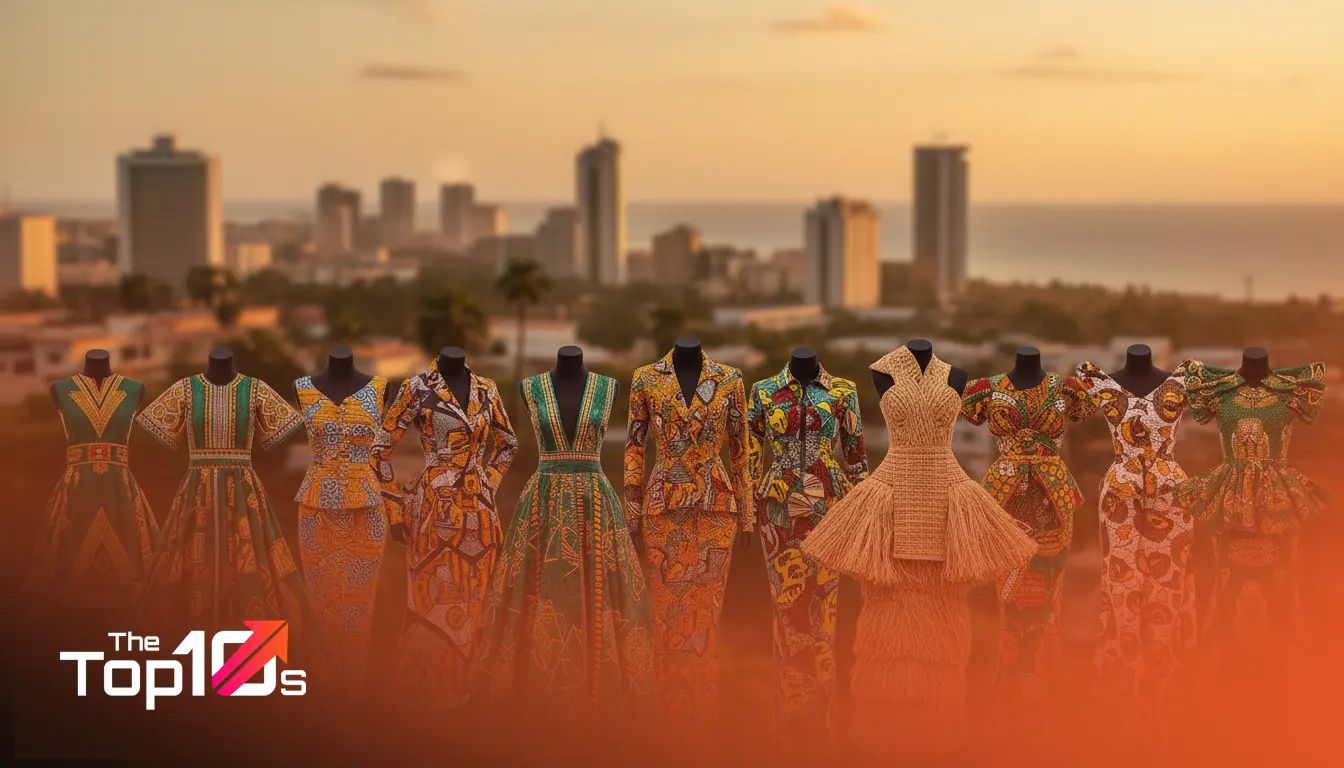
When you walk through the streets of Libreville, something becomes immediately clear: style isn’t just a hobby here; it’s a form of communication. From the intricate beadwork seen at high-profile weddings to the sharp, tailored lines worn by business professionals in the city center, Gabon’s sartorial expression is vibrant and deeply personal. If you are looking to elevate your wardrobe or understand the Central African aesthetic, knowing the best fashion designers in Gabon is the perfect starting point.
You might be wondering what makes this region so distinct. It’s the seamless blend of heritage—think ancestral Raffia weaving and Bazin richness—with a cosmopolitan, forward-thinking edge. Finding the right creative partner to translate your vision into fabric can be tricky, though. With so much talent emerging, it’s easy to get overwhelmed by the choices.
We’ve curated a guide to help you navigate this bustling creative environment. Whether you need a bespoke suit for a gala or a contemporary ready-to-wear piece that tells a story, these designers represent the pinnacle of Gabonese craftsmanship.
Quick Takeaways: Gabonese Fashion at a Glance
- Material Matters: The top designers often mix imported luxury fabrics with locally sourced Raffia and traditional prints.
- Custom is King: While ready-to-wear is growing, the heart of Gabonese fashion remains in bespoke, made-to-measure tailoring.
- Global Fusion: Expect to see strong influences from Paris and Milan blended with Bantu aesthetics.
- Patience Pays: True craftsmanship takes time; typical turnaround for couture pieces can range from two to six weeks.
How We Identified Leading Fashion Designers
Selecting the top talent isn’t about looking at who has the most Instagram followers. Our approach focuses on the tangible elements that matter to a client. We looked for professionals who demonstrate a consistent track record of quality construction. A great sketch is one thing, but the ability to execute that design with precise stitching, high-quality linings, and durable finishing is what separates a hobbyist from a master.
We also considered stylistic identity. The designers listed here aren’t just copying trends; they are setting them. We analyzed their participation in regional showcases, their reputation among local clientele for reliability, and their ability to adapt to modern demands while respecting traditional codes. Feedback regarding client service and studio professionalism also played a major role in this selection process.
List of 10 Best Fashion Designers in Gabon
| SNO | Name | Best For |
|---|---|---|
| 1 | Chouchou Lazare | Clients needing a show-stopping gown or suit for a major formal event. |
| 2 | Teddy Ondo Ella | The modern trendsetter looking for wearable art that works in London, New York, or Libreville. |
| 3 | Angèle Epouta | Cultural enthusiasts who want a garment that carries history and heritage. |
| 4 | Yezdad (Yezdad Designs) | Grooms and professionals who want to move beyond the standard black or grey suit. |
| 5 | Olga O | The executive woman who needs a wardrobe that transitions from the boardroom to a cocktail dinner. |
| 6 | Doriane Nguema | Weddings, garden parties, and celebratory milestones. |
| 7 | Gloria Nguimbi (Glo’Creation) | Artists, performers, and anyone who refuses to blend into the background. |
| 8 | Romero Couture | Building a foundational business wardrobe. |
| 9 | Sessi Edi | The environmentally conscious consumer who values uniqueness. |
| 10 | Beely Fashion | Matching sets (“Aso Ebi” style) and everyday stylish wear. |
Top 10 Fashion Designers In Gabon
Here is a look at the creatives shaping the visual language of Gabon today. Each brings a unique perspective to the table, ensuring there is something for every aesthetic preference.
1. Chouchou Lazare
If you talk to anyone deeply embedded in the Libreville fashion scene, Chouchou Lazare is a name that commands respect. He is often regarded as a mentor figure within the industry, known for bridging the gap between classic tailoring and artistic expression. His work doesn’t scream for attention; it commands it through structure.
Specialization: Haute Couture and structured evening wear.
Why they stand out: Lazare has an architectural approach to clothing. He understands how to build a garment that supports and enhances the wearer’s silhouette. His experience shines through in his ability to handle difficult fabrics like heavy brocades and delicate silks with equal proficiency.
Best for: Clients needing a show-stopping gown or suit for a major formal event.
2. Teddy Ondo Ella
Teddy Ondo Ella represents the new wave of Gabonese creativity that isn’t afraid to look outward. Having showcased on international runways, he brings a global standard to local production. His work is a fascinating dialogue between Gabonese heritage and modern streetwear aesthetics.
Specialization: Luxury Ready-to-Wear and Afro-fusion.
Why they stand out: What’s interesting about Teddy is his use of Abacost (a specific tailored style) and Raffia in contexts where you wouldn’t expect them. He manages to make traditional elements look futuristic. His brand storytelling is exceptionally strong, appealing to a younger, diaspora-connected audience.
Best for: The modern trendsetter looking for wearable art that works in London, New York, or Libreville.
3. Angèle Epouta
There is a raw authenticity to Angèle Epouta’s work that is hard to replicate. She is a champion of indigenous materials, specifically the use of Raffia, which she manipulates in ways that make it feel as soft and fluid as cotton. Her designs are a tribute to African queens, rooted deeply in the soil of the continent.
Specialization: Traditional textiles and contemporary ethnic chic.
Why they stand out: While many designers use African prints, Epouta transforms the texture of the material itself. Her garments often feature intricate hand-weaving techniques that require days of manual labor. This dedication to artisanal preservation makes her pieces collectors’ items.
Best for: Cultural enthusiasts who want a garment that carries history and heritage.
4. Yezdad (Yezdad Designs)
Menswear in Central Africa is competitive, and Yezdad has carved out a distinct niche. This isn’t just about putting a man in a suit; it’s about redefining masculinity through color and cut. The brand focuses heavily on the “gentleman” aesthetic but with a distinct African flair.
Specialization: Bespoke Menswear and ceremonial suits.
Why they stand out: The precision of the cut is the main draw here. Yezdad jackets sit flush against the shoulders, and the trousers break exactly where they should. He often uses bold colors—deep maroons, emerald greens, and royal blues—that many traditional tailors shy away from.
Best for: Grooms and professionals who want to move beyond the standard black or grey suit.
5. Olga O
Elegance is the watchword for Olga O. Her designs are frequently spotted at high-society gatherings and diplomatic functions. She has a way of making simplicity look expensive, focusing on clean lines rather than excessive embellishment.
Specialization: Sophisticated women’s wear and office chic.
Why they stand out: Olga O excels at fit. She understands the diversity of the female form and cuts patterns that flatter curves without being restrictive. Her fabric choices tend to be flowy and breathable, suitable for the tropical climate while maintaining a polished look.
Best for: The executive woman who needs a wardrobe that transitions from the boardroom to a cocktail dinner.
6. Doriane Nguema
Doriane Nguema brings a whimsical, romantic touch to the industry. Her designs often feel light, airy, and celebratory. She is a favorite for younger clients and those looking for bridal party attire that feels fresh rather than stuffy.
Specialization: Bridal and cocktail attire.
Why they stand out: Her use of lace and sheer fabrics is masterful. She knows how to reveal skin strategically to create allure without losing sophistication. There is a youthfulness to her palette, often utilizing pastels and vibrant florals that stand out in a crowd.
Best for: Weddings, garden parties, and celebratory milestones.
7. Gloria Nguimbi (Glo’Creation)
If you are looking for artistry that pops, Glo’Creation is a studio you need to visit. Gloria Nguimbi treats fabric like a canvas. Her work is often characterized by bold contrasts and asymmetry, challenging the standard rules of garment construction.
Specialization: Avant-garde and artistic casual wear.
Why they stand out: It’s the unpredictability. One collection might focus on structured denim, while the next dives into flowing Ankara prints. She creates clothes for people who have a strong personality and want their outfit to match their energy.
Best for: Artists, performers, and anyone who refuses to blend into the background.
8. Romero Couture
Another heavyweight in the menswear division, Romero Couture offers a different flavor compared to Yezdad. The focus here is on classic, timeless luxury. Think of the Savile Row aesthetic, but adapted for the Gabonese man.
Specialization: Classic tailoring and business suits.
Why they stand out: Reliability and consistency. Clients know exactly what they are getting with Romero: a suit that fits perfectly and lasts for years. The stitching is durable, and the attention to detail—like buttonhole stitching and lapel width—is meticulous.
Best for: Building a foundational business wardrobe.
9. Sessi Edi
Sessi Edi is gaining traction for a commitment to eco-conscious design principles. In an industry often criticized for waste, this designer looks at how to maximize fabric usage and repurpose materials into stunning new creations.
Specialization: Sustainable fashion and upcycled chic.
Why they stand out: The creativity born from restriction is evident here. By mixing scraps of high-end fabrics with new textiles, Sessi Edi creates patchwork aesthetics that are surprisingly cohesive and chic. It’s fashion with a conscience.
Best for: The environmentally conscious consumer who values uniqueness.
10. Beely Fashion
Rounding out our list is Beely Fashion, a brand that captures the everyday joy of Libreville. This is accessible fashion that doesn’t compromise on style. It is widely appreciated for bridging the gap between custom tailoring and ready-to-wear convenience.
Specialization: Smart casual and family attire.
Why they stand out: Versatility is the key strength. Beely can outfit a whole family for a portrait session or create a set of matching outfits for a couple. The turnover time is generally faster than the high-couteriers, making them a practical choice for urgent needs.
Best for: Matching sets (“Aso Ebi” style) and everyday stylish wear.
What Defines a Great Fashion Designer in Gabon?
Understanding the local fashion ecosystem requires looking beyond the sketchpad. A truly great designer in this region acts as a cultural translator. They must navigate the delicate balance of respecting traditional codes—such as modesty in certain ceremonial contexts—while delivering the modern flair that younger generations crave.
Fabric knowledge is non-negotiable. In a tropical climate with high humidity, a designer must know which linings breathe and which synthetics will become uncomfortable within minutes. The top professionals distinguish themselves by sourcing authentic Wax prints from reputable distributors rather than using cheap imitations that fade after one wash.
Furthermore, the relationship between client and creator is intimate here. It involves multiple fittings and honest conversations about body image. The best designers possess the emotional intelligence to guide a client away from an unflattering trend toward a style that genuinely enhances their natural features.
How to Choose the Right Fashion Designer for Your Needs
Finding the perfect match for your sartorial project involves a few strategic steps. Don’t just walk into the first studio you see. Consider these factors to ensure you get the best result.
Assess Your Timeline
If you need a dress for a wedding next Saturday, approaching a bespoke couture specialist like Chouchou Lazare might result in disappointment. Be realistic. High-end custom work requires at least three fittings. For tighter deadlines, look for designers who offer ready-to-wear collections that can be quickly altered.
Inspect the “Inside”
Here is a pro tip: when visiting a showroom, turn a garment inside out. The true test of a designer’s quality is the interior finish. Are the seams surged or French-seamed? Is the lining attached loosely or properly anchored? A messy interior usually signals that the garment won’t hold its shape over time.
Define Your Budget Early
Pricing varies wildly. You have independent tailors who charge modest fees and luxury houses that command premium prices for brand prestige. Be upfront about your budget. A good designer will tell you what is achievable within your range, perhaps by suggesting alternative fabrics, rather than promising the moon and delivering a subpar product.
For more insights on navigating the apparel industry and sourcing quality garments, you can explore additional resources here to broaden your understanding of textile standards.
Frequently Asked Questions
Do Gabonese designers work with international clients?
Yes, many of the top designers, especially those like Teddy Ondo Ella and Chouchou Lazare, are accustomed to working with international clients. They often conduct consultations via video call and require detailed measurement charts. However, shipping logistics should be discussed upfront.
What is the difference between a tailor and a fashion designer in Gabon?
A tailor generally focuses on the assembly and alteration of clothes based on a picture you provide. A fashion designer creates the concept, advises on styling, creates a custom pattern for your body type, and oversees the entire aesthetic direction of the piece.
Can I bring my own fabric to these designers?
It depends on the designer. Some, particularly those focused on bespoke menswear or traditional wear, welcome clients bringing their own high-quality fabrics. However, couture houses often prefer to source the material themselves to guarantee the final drape and quality of the garment.
How much does a custom outfit typically cost?
Prices fluctuate based on complexity and reputation. A simple custom dress might start around 50,000 XAF (approx $80 USD), while an intricate couture gown or a bespoke suit from a top-tier designer can easily exceed 500,000 XAF ($800+ USD), excluding the cost of luxury fabrics.
Is sustainable fashion growing in Gabon?
Absolutely. There is a strong movement toward “slow fashion.” Designers are increasingly using natural fibers like Raffia and cotton, and employing zero-waste cutting techniques to minimize textile waste, driven by both environmental concerns and material costs.
Next Steps for Your Wardrobe
Upgrading your style is an investment in yourself. The designers listed above represent the best of Gabon’s creativity, but the magic happens when you collaborate with them. Start by identifying one or two whose aesthetic resonates with you. Follow their current work, visit their ateliers if possible, and start a conversation.
Don’t be afraid to ask questions about their process or request to see fabric swatches. The right designer will appreciate your interest in the details. Whether you choose the structural mastery of a veteran or the bold innovation of a newcomer, you are supporting a vibrant industry that puts African creativity on the global map.