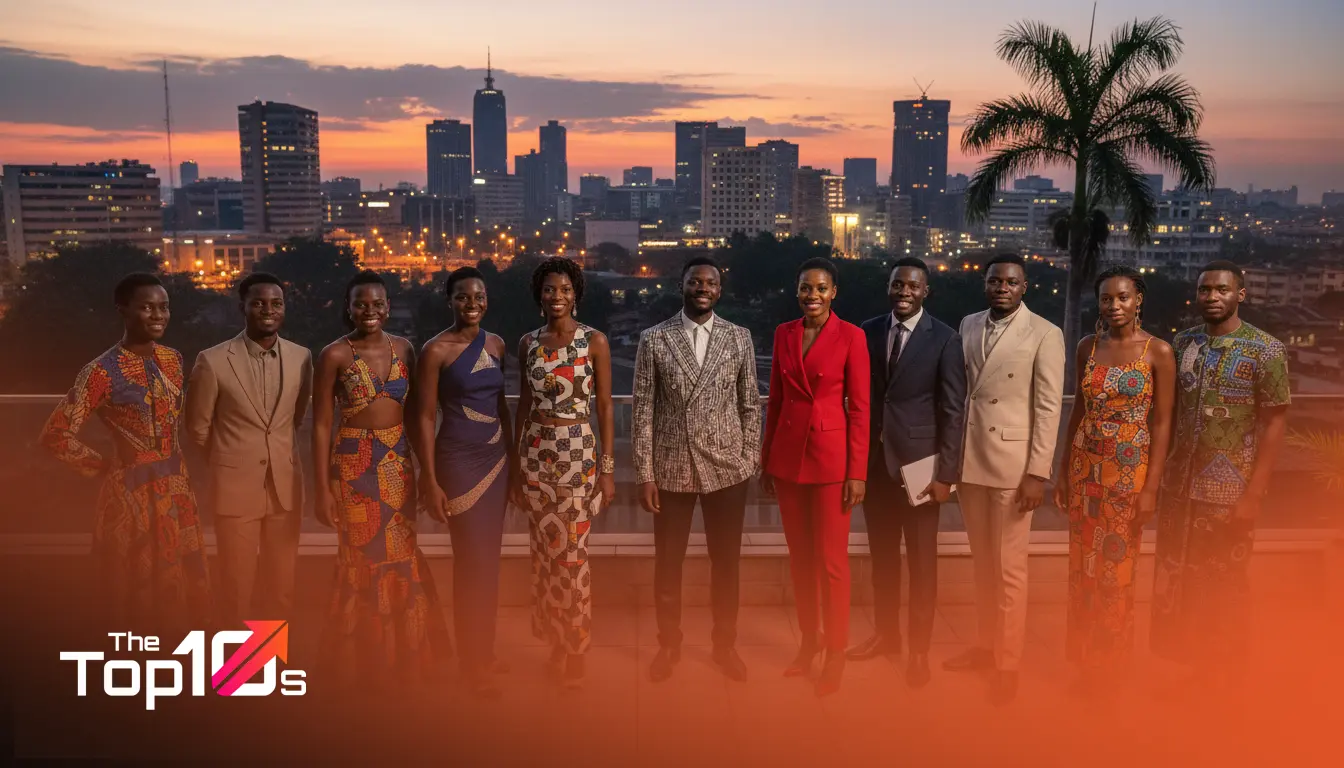
Walk through the bustling streets of Nairobi—from the upmarket studios in Kilimani to the vibrant stalls of the CBD—and you’ll quickly realize something: this city doesn’t just wear clothes; it speaks through them. For a long time, the global conversation about fashion centered on Paris, Milan, or New York. But right here in East Africa, a distinct, powerful aesthetic has taken root, blending traditional heritage with sharp, modern innovation.
Finding the right creative partner to translate your personal style into fabric isn’t always straightforward. The options are vast, ranging from high-end luxury houses to talented bespoke tailors. You might be looking for a gown that commands attention at a gala, or perhaps a functional yet stylish wardrobe for the boardroom. The challenge often lies in distinguishing between someone who can simply sew and a visionary who understands silhouette, fabric behavior, and your unique body architecture.
Quick Takeaways: Nairobi Fashion Scene
- Diversity is Key: The market ranges from sustainable luxury and bridal couture to Afro-futurist streetwear.
- “Made in Kenya” is Premium: Local production has moved far beyond basic souvenirs; it now represents world-class finishing and ethical labor practices.
- Consultation Matters: The best designers prioritize the initial meeting to align on fabrics and fit before cutting a single thread.
- Lead Times Vary: Unlike fast fashion, custom pieces from top studios often require 2–6 weeks for production.
This guide cuts through the noise to highlight the creative minds shaping how Nairobi dresses today. We aren’t just listing names; we are looking at consistency, quality, and that undeniable “wow” factor.
How We Identified Leading Fashion Designers
Selecting the most influential creators in a city as dynamic as Nairobi requires more than just scrolling through Instagram feeds. Our approach focuses on the tangible elements of fashion design that affect the client experience. We looked for professionals who have demonstrated longevity in the industry, proving they can survive the fickle nature of fashion trends.
We prioritized designers who show a mastery of construction. A great sketch means nothing if the hemline is uneven or the lining bunches up. We also analyzed their specialization areas. Some excel at the fluidity of silk for evening wear, while others work magic with structured cottons and wools. Finally, we considered reputation—listening to what real clients say about their professionalism, ability to meet deadlines, and how their garments hold up after multiple wears.
List of 10 Best Fashion Designers in Nairobi
| SNO | Name | Best for |
|---|---|---|
| 1 | Deepa Dosaja | The woman who values sustainability and wants ethereal, comfortable, yet luxurious gowns for garden weddings or high-tea events. |
| 2 | Katungulu Mwendwa | The modern professional or creative who prefers subtle sophistication and structured separates over loud embellishments. |
| 3 | Ogake Mosomi | Brides and gala attendees who want a one-of-a-kind, fitted masterpiece that commands the room. |
| 4 | KikoRomeo (Iona & Ann McCreath) | Men and women looking for artsy, cultural statement pieces that are ethical and conversation starters. |
| 5 | David Avido (Looks Like Avido) | Younger buyers or the young-at-heart who want to embrace Afro-futurism and street culture. |
| 6 | The cosmopolitan woman who travels frequently and needs a wardrobe that transitions seamlessly from a Nairobi meeting to a dinner in London. | |
| 7 | Wambui Mukenyi | Women seeking high-glamour evening wear and bridal parties looking for cohesive, stylish looks. |
| 8 | Jamil Walji | Red carpet appearances, music videos, or anyone who wants to be the absolute center of attention with a piece of wearable art. |
| 9 | Yvonne Afrostreet | The everyday fashionista looking for stylish, affordable, and culturally relevant outfits for weekends and work. |
| 10 | Mohamed Bana | Grooms and men looking for sophisticated ceremonial wear that respects tradition while looking sharp. |
Top 10 Fashion Designers in Nairobi
Here are the creatives currently defining style in the capital, each bringing a distinct flavor to the Kenyan fashion narrative.
1. Deepa Dosaja
If you are looking for conscious luxury, Deepa Dosaja stands in a league of her own. With over three decades of experience, she has dressed international stars like Lupita Nyong’o, yet her studio remains accessible to women who appreciate profound craftsmanship. Her philosophy centers on “slow fashion,” emphasizing natural fabrics like silk, linen, and organic cotton.
Notable Strengths: Her hand-painted floral prints and intricate embroidery are instantly recognizable. The garments are finished to an incredibly high standard, often using French seams, ensuring the inside looks as beautiful as the outside.
Best Suited For: The woman who values sustainability and wants ethereal, comfortable, yet luxurious gowns for garden weddings or high-tea events.
2. Katungulu Mwendwa
Katungulu Mwendwa rejects the cliché that African fashion must always be loud or heavily printed. Her aesthetic is minimal, architectural, and deeply rooted in functionality. She draws inspiration from traditional African cultures but interprets them through modern, geometric silhouettes.
Notable Strengths: Her understanding of layering and trans-seasonal wear is exceptional. She often uses locally sourced materials and works with artisan groups for detailing, creating pieces that feel contemporary but have a soul.
Best Suited For: The modern professional or creative who prefers subtle sophistication and structured separates over loud embellishments.
3. Ogake Mosomi
When the conversation turns to bridal fashion in Nairobi, Ogake Mosomi is frequently the first name mentioned. She has carved out a niche for bespoke bridal and evening wear that rivals international couture houses. Her studio focuses heavily on the client’s personality, ensuring the dress reflects the wearer rather than just following a trend.
Notable Strengths: Her corset work and fabric manipulation are superb. She understands how to structure a gown to support and flatter different body types without sacrificing comfort.
Best Suited For: Brides and gala attendees who want a one-of-a-kind, fitted masterpiece that commands the room.
4. KikoRomeo (Iona & Ann McCreath)
A legacy brand in the Kenyan sphere, KikoRomeo has successfully transitioned from a heritage house to a contemporary force, now co-led by mother-daughter duo Ann and Iona McCreath. They are pioneers in sustainable fashion, frequently utilizing hand-woven cottons and linens.
Notable Strengths: Their menswear and unisex collections are particularly strong. They excel at blending art with fashion, often collaborating with local visual artists to create unique textile prints that tell a story.
Best Suited For: Men and women looking for artsy, cultural statement pieces that are ethical and conversation starters.
5. David Avido (Looks Like Avido)
Rising from Kibera, David Avido represents the new energy of Nairobi. His work is vibrant, bold, and unapologetically street-focused. He gained global attention not just for his designs but for his community impact. His clothes are often constructed from Ankara wax prints but cut in modern streetwear silhouettes—bomber jackets, cargo pants, and bucket hats.
Notable Strengths: Mixing patterns and utilitarian design. He creates clothes that are practical for city life but visually electric.
Best Suited For: Younger buyers or the young-at-heart who want to embrace Afro-futurism and street culture.
6. Anyango Mpinga
Anyango Mpinga creates for the global nomad. Her brand is synonymous with the classic white shirt, which she reimagines in countless ways, often pairing it with bold skirts or trousers. There is a sense of fluidity and grace in her work that appeals to an international audience.
Notable Strengths: Her focus on detailing—laser cutting, intricate collars, and cuffs—adds a layer of luxury to ready-to-wear pieces. She also integrates spiritual symbolism and messages of empowerment into her prints.
Best Suited For: The cosmopolitan woman who travels frequently and needs a wardrobe that transitions seamlessly from a Nairobi meeting to a dinner in London.
7. Wambui Mukenyi
Starting as a self-taught designer, Wambui Mukenyi has built a powerhouse brand known for glamour. She has a keen eye for what the Kenyan woman wants to wear to a wedding or a red-carpet event. Her evolution from custom Ankara pieces to high-end luxe bridal and occasion wear demonstrates incredible business acumen and design growth.
Notable Strengths: She excels at using luxurious fabrics like velvet and tulle. Her designs are often romantic, featuring sweeping skirts and dramatic necklines.
Best Suited For: Women seeking high-glamour evening wear and bridal parties looking for cohesive, stylish looks.
8. Jamil Walji
If fashion is art, Jamil Walji is the artist. Known for his avant-garde approach, Walji doesn’t just make clothes; he creates sculptures around the body. He is one of the few couturiers in the region who truly pushes the boundaries of shape and volume.
Notable Strengths: His draping techniques are masterful. He creates structured, dramatic pieces that often defy gravity, using texture and volume to create impact.
Best Suited For: Red carpet appearances, music videos, or anyone who wants to be the absolute center of attention with a piece of wearable art.
9. Yvonne Afrostreet
For those who love the vibrancy of African prints but want them in trendy, wearable cuts, Yvonne Afrostreet is a go-to. She has managed to commercialize the “Afro-chic” look effectively, making it accessible without losing the bespoke feel. Her designs are ubiquitous at Kenyan social events for a reason.
Notable Strengths: Fit and variety. She offers a wide range of silhouettes that flatter the curvy African figure, from infinity dresses to well-tailored blazers.
Best Suited For: The everyday fashionista looking for stylish, affordable, and culturally relevant outfits for weekends and work.
10. Mohamed Bana
Mohamed Bana brings a sense of regal elegance to the industry. His work often bridges the gap between traditional coastal aesthetics and modern tailoring. He is particularly adept at menswear, creating suits and kaftans that feel majestic.
Notable Strengths: His eye for color combinations and embroidery is distinct. He knows how to add embellishment to menswear without making it look costumey.
Best Suited For: Grooms and men looking for sophisticated ceremonial wear that respects tradition while looking sharp.
What Defines a Great Fashion Designer in Nairobi?
The distinction between a good tailor and a great designer is often misunderstood. In Nairobi, a true designer brings a holistic vision to the table. It starts with fabric intelligence. The local markets, like Gikomba or Eastleigh, are flooded with textiles, but a top-tier designer knows how to distinguish between high-grade cotton and synthetic blends that won’t breathe in the Nairobi heat.
Another defining factor is the finishing. You might find a dress that looks great from a distance, but upon closer inspection, the zippers pucker or the hem is raw. The designers listed above prioritize the interior of the garment as much as the exterior. They also understand the local context—creating clothes that fit the lifestyle of a city that is both a business hub and a social playground.
Great designers also act as consultants. They won’t just sew what you ask for if they know it won’t flatter your frame. They will guide you toward cuts and colors that enhance your natural features, improving your overall personal brand effectively.
How to Choose the Right Fashion Designer for Your Needs
Before committing to a consultation, consider these factors to ensure a smooth collaboration.
Assess Your Timeline
Good things take time. If you have an event this Saturday, walking into a bespoke atelier on Tuesday is a recipe for stress. Most reputable designers in Nairobi operate on a schedule of 3 to 6 weeks for custom pieces. Be honest about your deadlines upfront.
Review Their Portfolio for Consistency
Don’t just look at their “hero” pieces. Look at their client photos. Do the clothes fit real people as well as they fit the models? A designer who can only dress a size 6 model may not have the technical skill to tailor for curves or different body proportions.
Understand the Pricing Structure
Custom fashion is an investment. You are paying for the fabric, the labor, the overhead of the studio, and the intellectual property of the design. Ask for a clear breakdown. Does the price include fittings? What happens if you lose or gain weight before the final fitting?
Communication Style
Fashion design is a relationship. You need someone who listens to you. If you feel steamrolled during the consultation, it’s a red flag. The best outcome happens when the designer’s expertise meets your personal preference.
Common Myths vs. Facts
Myth: “Designers are always more expensive than importing clothes.”
Fact: While luxury designers charge a premium, many local ready-to-wear brands offer better quality-to-price ratios than imported fast fashion, which often falls apart after a few washes.
Myth: “Made in Kenya means Kitenge only.”
Fact: As seen in the list above, Nairobi designers work with silk, denim, jersey, wool, and recycled materials. The “African aesthetic” is about more than just wax print; it’s about spirit and craftsmanship.
Frequently Asked Questions
Do these designers offer ready-to-wear options?
Yes, many designers like Katungulu Mwendwa, Yvonne Afrostreet, and Anyango Mpinga have ready-to-wear lines available in their studios or online. However, brands like Ogake Mosomi focus primarily on made-to-measure services.
Can I bring my own fabric to these designers?
It depends on the designer. Some, particularly those who design their own textiles (like Deepa Dosaja), prefer to work with their curated fabrics to ensure quality. Others, essentially operating as high-end tailors, may allow you to bring fabric, but they will inspect it first to ensure it suits the design.
How much does a custom dress cost in Nairobi?
Pricing varies wildly. A simple custom dress from a commercial designer might start around KES 8,000 to KES 15,000, while a complex bridal gown from a top couturier can range from KES 80,000 to over KES 250,000 depending on the intricacies.
Do I need an appointment?
For the established names on this list, booking an appointment is standard protocol. This ensures they can dedicate time to your consultation without interruptions.
Next Steps for Your Wardrobe
Upgrading your style is an exciting process, and Nairobi offers a wealth of talent to help you get there. Don’t be afraid to visit a few studios to get a feel for the vibe and quality. Start small—perhaps commission a single shirt or a simple dress—to test the relationship before committing to a major project like a wedding gown.
The right designer will do more than just sell you clothes; they will help you build a wardrobe that makes you feel confident, comfortable, and distinctly you. Take the time to explore these local talents and invest in pieces that tell a story.