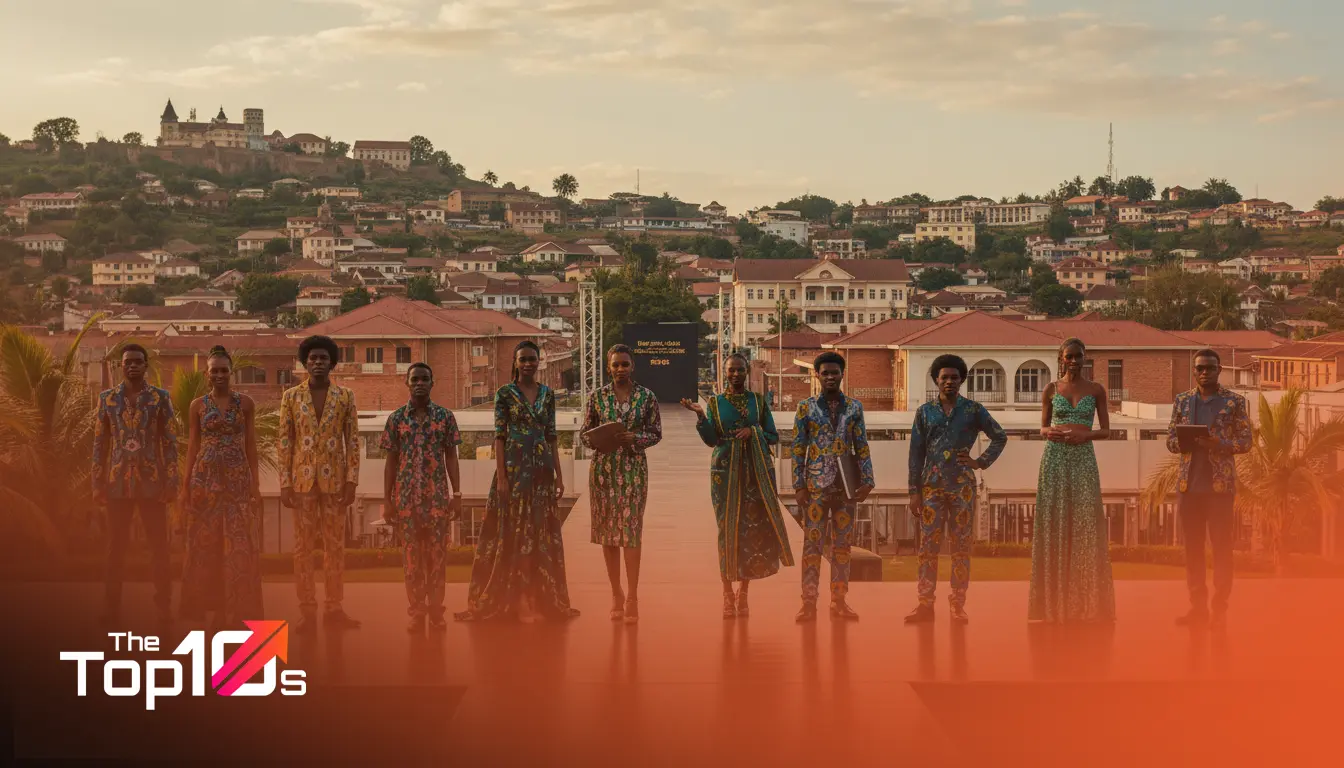
Walk through the bustling streets of Analakely or the upscale neighborhoods of Ivandry, and you notice something immediately: Antananarivo has a distinct style pulse. It’s not just about importing trends from Paris or Milan. It is about a deep-rooted respect for textiles, sharp tailoring, and a fusion of traditional Malagasy aesthetics with modern silhouettes.
Finding the right creative partner to shape your wardrobe isn’t always straightforward. You might be looking for a bespoke suit for a corporate function, a bridal gown that incorporates wild silk, or simply ready-to-wear pieces that tell a story. The talent pool in the capital is deep, but visibility varies. Some of the best artisans work from quiet ateliers known only by word of mouth, while others headline international fashion weeks.
This guide cuts through the noise. We are looking at the best fashion designers in Antananarivo who are currently shaping the industry. These are the professionals combining technical skill with creative vision to deliver clothing that fits both your body and your lifestyle.
Quick Takeaways
- Heritage Matters: Many top designers blend modern cuts with traditional Lamba or local silk.
- Lead Times: Custom work (Bespoke) in Tana usually requires 2-4 weeks; plan ahead for wedding season.
- Consultation is Key: The best results come from open dialogue about fabric choice and lifestyle needs.
- Versatility: Most designers listed handle both formal ceremonial wear and contemporary casual chic.
How We Identified Leading Fashion Designers
Selecting the top creative minds in a city as culturally rich as Antananarivo requires more than looking at Instagram follower counts. We analyzed the local market based on consistent output and reputation. A flashy sketch means nothing if the final garment doesn’t sit right on the wearer.
Our criteria focused on craftsmanship and longevity. We looked for professionals who understand the specific challenges of local sourcing—knowing where to get the best cotton, silk, and raffia. We also considered client satisfaction regarding timelines. In the world of custom apparel, delivering a dress three days after the event is a disqualifier, no matter how beautiful the stitching is.
Finally, we looked for a distinct design identity. The names on this list aren’t just copying global trends; they are interpreting them through a Malagasy lens. These designers demonstrate a clear understanding of structure, color theory, and the human form.
List of 10 Best Fashion Designers in Antananarivo
| SNO | Name | Best For |
|---|---|---|
| 1 | Ben & Co (The Tailoring Authority) | The professional man who needs a suit that rivals Savile Row quality. |
| 2 | Bogasy (Modern Malagasy Identity) | Individuals who want to wear their heritage proudly in a corporate or social setting. |
| 3 | Sih Rakout (The Avant-Garde creative) | Galas, red carpet events, or anyone wanting to make a loud, stylish statement. |
| 4 | Jaomatana (The Fusion Master) | People who love color and want clothing that reflects a sunny, artistic personality. |
| 5 | Tantely Rakotoarivelo (Silk & Sophistication) | Brides and attendees of high-society weddings. |
| 6 | Tachou (Feminine Grace) | The modern working woman who needs to transition from a board meeting to a dinner date. |
| 7 | Eric Raisina (Textile Alchemist) | Collectors and true connoisseurs of fashion craftsmanship. |
| 8 | Vida (Bold & Edgy) | Musicians, artists, and urbanites looking for something with grit. |
| 9 | Clarel (The Classicist) | Conservative formal events where elegance is required but flashiness is discouraged. |
| 10 | Sariaka (Young Energy) | Weekend outings, vacations, and casual social gatherings. |
Top 10 Fashion Designers in Antananarivo
Here are the creatives setting the standard for style in the capital. Whether you need avant-garde couture or impeccable business attire, these professionals deliver results.
1. Ben & Co (The Tailoring Authority)
If you ask anyone in Antananarivo about high-end menswear, Ben & Co is usually the first name mentioned. This fashion house has established itself as the gold standard for suits and formal attire. It isn’t just about sewing cloth; it’s about architectural precision.
Area of Specialization: High-end Menswear, Bespoke Suits, Official Attire.
Notable Strengths: Their mastery of the “perfect fit” is widely recognized. They excel in structured garments that command authority, making them a favorite among politicians, business leaders, and grooms.
Best For: The professional man who needs a suit that rivals Savile Row quality.
2. Bogasy (Modern Malagasy Identity)
Bogasy represents the new wave of Malagasy fashion that honors the past without being stuck in it. The brand creates pieces that feel incredibly current yet deeply rooted in local culture. They often play with the concept of the Lamba (traditional shawl) integrated into modern cuts.
Area of Specialization: Contemporary Ready-to-Wear, Smart Casual, Neo-Traditional.
Notable Strengths: Exceptional branding and storytelling. Their fabric choices are breathable and practical for the Tana climate while maintaining an air of sophistication.
Best For: Individuals who want to wear their heritage proudly in a corporate or social setting.
3. Sih Rakout (The Avant-Garde creative)
For those who view fashion as art, Sih Rakout offers something different. This designer is known for breaking rules. You won’t find standard, boring silhouettes here. The designs often feature asymmetry, bold textures, and a fearless approach to volume.
Area of Specialization: Couture, Creative Evening Wear, Editorial Fashion.
Notable Strengths: Sih Rakout has a talent for deconstruction—taking a garment apart and putting it back together in a way that surprises the eye. The detailing is often intricate and hand-finished.
Best For: Galas, red carpet events, or anyone wanting to make a loud, stylish statement.
4. Jaomatana (The Fusion Master)
Jaomatana is a household name for a reason. His work is a celebration of color and pattern. He doesn’t shy away from boldness. His designs often incorporate pop-art influences mixed with traditional motifs, creating a look that is energetic and joyful.
Area of Specialization: Colorful Ready-to-Wear, Stage Wear, Accessories.
Notable Strengths: His ability to mix prints that technically shouldn’t work together, yet somehow look perfect. He captures the vibrancy of Madagascar’s biodiversity in his clothing.
Best For: People who love color and want clothing that reflects a sunny, artistic personality.
5. Tantely Rakotoarivelo (Silk & Sophistication)
When the occasion calls for elegance, Tantely Rakotoarivelo answers with silk. This designer has a profound respect for raw materials. The focus here is on drapery and how fabric moves with the body. It is luxury in its quietest, most confident form.
Area of Specialization: Women’s Haute Couture, Bridal, Evening Gowns.
Notable Strengths: The manipulation of wild silk. Tantely knows how to dye and cut this challenging fabric so it looks fluid rather than stiff.
Best For: Brides and attendees of high-society weddings.
6. Tachou (Feminine Grace)
Tachou has carved out a niche by understanding exactly what makes women feel beautiful. The designs are rarely over-complicated. Instead, they focus on enhancing natural curves and providing comfort without sacrificing style.
Area of Specialization: Cocktail Attire, Feminine Casual, Office Chic.
Notable Strengths: Fit consistency. Tachou’s garments are known to be wearable for long hours, bridging the gap between “looking good” and “feeling good.”
Best For: The modern working woman who needs to transition from a board meeting to a dinner date.
7. Eric Raisina (Textile Alchemist)
While often associated with his success in Cambodia, Eric Raisina is a Malagasy icon whose influence in Antananarivo remains strong. His “Haute Texture” approach involves creating his own fabrics. He treats fiber like clay, molding it into unique structures.
Area of Specialization: High Fashion, Textile Art, luxury wraps/shawls.
Notable Strengths: Innovation in fabric. You are not just buying a dress; you are buying a textile that doesn’t exist anywhere else in the world.
Best For: Collectors and true connoisseurs of fashion craftsmanship.
8. Vida (Bold & Edgy)
Vida brings a bit of rock and roll to the Tana fashion scene. Known for utilizing leather and heavier materials, this brand appeals to a younger, edgier demographic. It’s street style elevated to a designer level.
Area of Specialization: Urban wear, Leather goods, Edgy casual.
Notable Strengths: Durability and attitude. The clothes are built to last and designed to give the wearer a sense of toughness and cool.
Best For: Musicians, artists, and urbanites looking for something with grit.
9. Clarel (The Classicist)
Clarel focuses on timeless beauty. You won’t find fleeting fads in his collections. Instead, you find garments that could be worn today or ten years from now without looking dated. There is a strong emphasis on embroidery and delicate detailing.
Area of Specialization: Classic Evening Wear, Ceremonial outfits.
Notable Strengths: Hand-finishing and embroidery. The attention to detail on collars and cuffs sets these pieces apart from mass-produced items.
Best For: Conservative formal events where elegance is required but flashiness is discouraged.
10. Sariaka (Young Energy)
Representing the younger generation of design talent, Sariaka (often associated with brands like “Sariaka Mahefa”) brings a fresh perspective. The designs are playful, often utilizing lighter cottons and linen blends perfect for the highland sun.
Area of Specialization: Summer wear, Resort wear, Youthful trends.
Notable Strengths: Agility. This designer adapts quickly to global trends, interpreting them for the local market faster than many established houses.
Best For: Weekend outings, vacations, and casual social gatherings.
What Defines a Great Fashion Designer in Antananarivo?
Antananarivo is a city of contrasts—cobblestone streets and modern glass buildings, cool highland mornings and warm afternoons. A great designer here needs to master more than just sewing. They need to understand the cultural context.
First, there is the appreciation of raw materials. Madagascar produces some of the finest natural fibers in the world. A top-tier designer knows the difference between industrial silk and wild landy (Malagasy silk) and knows exactly how to line a jacket so it breathes. Using local resources supports the economy and results in a garment that feels native to the environment.
Second is the balance between tradition and modernity. The “Hira Gasy” culture and traditional ceremonies (famadihana) require specific codes of dress. However, modern professionals don’t want to look like they are wearing a costume to the office. The best experienced fashion design professionals in Antananarivo navigate this line perfectly, offering clothes that respect heritage while fitting a modern, digital lifestyle.
How to Choose the Right Fashion Designer for Your Needs
Working with a designer is a collaboration. To get the best results, you need to select someone whose aesthetic aligns with your vision. Here is a framework to help you decide.
Assess the Portfolio, Not Just the Sketch
Sketches are dreams; finished garments are reality. Ask to see photos of real clients wearing the clothes, not just professional models. How does the fabric drape on a normal body type? Are the seams puckering? Real photos reveal the truth about technical ability.
Understand the Specialization
Don’t ask a designer known for structured leather jackets to make a flowing silk bridal gown. While some trusted fashion designers near Antananarivo are versatile, most have a “sweet spot.” Stick to their strengths. If you need a suit, go to a tailor. If you need an evening gown, go to a flou (dressmaking) specialist.
Discuss Timelines Early
Production in Madagascar can sometimes face delays due to power cuts or material shortages. Be realistic. If you have an event in two weeks, avoid demanding a complex beaded gown. Clear communication about deadlines prevents stress for both you and the creative team.
Frequently Asked Questions
How much does a custom dress cost in Antananarivo?
Prices vary wildly depending on the fabric and the designer’s reputation. A simple custom cotton dress might start around 100,000 Ariary, while elaborate evening wear from a top name can easily exceed 1,000,000 Ariary. Always ask for a quote that includes fabric and labor.
Do I need to bring my own fabric?
It depends. Many designers prefer to source the fabric themselves to ensure quality and compatibility with the design. However, some ateliers are happy to work with fabric you provide, especially if it’s a specific family textile or souvenir.
Can these designers make traditional Malagasy wedding attire?
Yes. Most of the designers listed above are well-versed in creating modern versions of traditional wedding wear, incorporating the white lamba and appropriate cuts for the ceremony.
How long does the process take?
For bespoke items, expect at least two to three fittings. The average turnaround time is about 3 weeks. During peak wedding season (roughly June to October), you should book months in advance.
Are sustainable fashion options available in Tana?
Absolutely. Madagascar has a strong culture of “nothing goes to waste.” Many designers, like Bogasy and those working with raffia, inherently use sustainable, biodegradable, or upcycled materials.
Wrapping Up
Fashion in Madagascar is alive, evolving, and incredibly personal. The designers listed here represent the pinnacle of skill in Antananarivo, offering everything from sharp business suits to dreamlike couture.
Choosing a local designer isn’t just about getting a new piece of clothing. It is an investment in craftsmanship and a way to wear the unique story of this island. Take the time to visit their ateliers, touch the fabrics, and discuss your needs. When you find the right match, the result is clothing that gives you confidence every time you put it on.