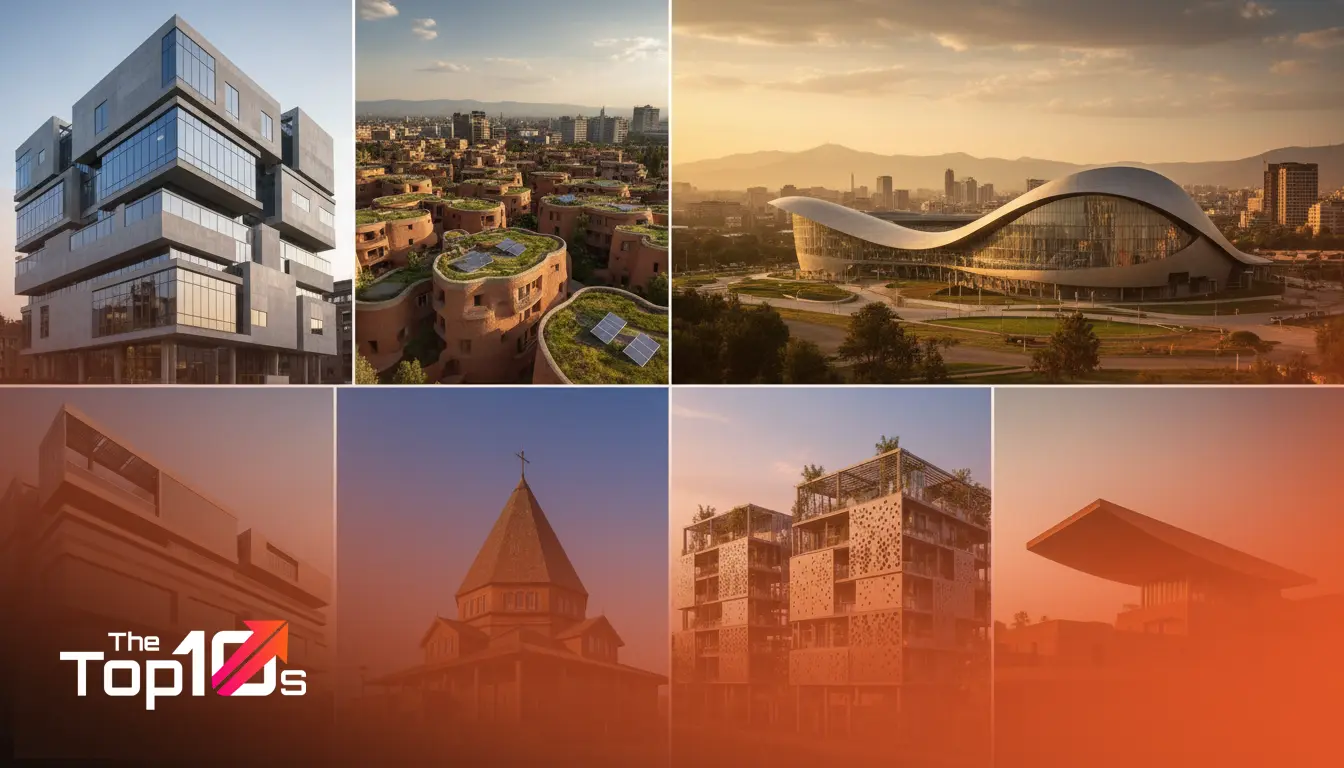
Building a home or commercial space in Ethiopia is more than just stacking bricks; it’s about translating a vision into a structure that can withstand the unique climate, navigate complex zoning regulations in cities like Addis Ababa, and stand the test of time. You might be staring at a plot of land right now, wondering how to transform that raw potential into a functional masterpiece. That is where the right design partner steps in.
Finding a professional who understands both the aesthetic heritage of East Africa and modern structural requirements is crucial. You aren’t just hiring someone to draw blueprints. You are hiring a partner who will guide you through permitting, material selection, and the inevitable hiccups of construction. Whether you are planning a high-rise in Bole or a sustainable retreat in the countryside, the architect you choose dictates the success of your investment.
Quick Takeaways: Choosing Your Design Partner
- Local Expertise Matters: Ensure your architect has a deep understanding of Ethiopian building codes and soil conditions.
- Portfolio Alignment: Don’t hire a commercial specialist for a cozy family home; look for relevant past projects.
- Communication is Key: Construction jargon can be confusing. You need someone who explains complex engineering concepts in plain English.
- Full-Service vs. Design-Only: Clarify if they handle construction supervision or just the drawings.
How We Identified Leading Architects
Selecting the names for this list wasn’t about looking for the flashiest websites. We focused on the substance behind the portfolio. Our evaluation process looked at publicly available signals that indicate professional reliability and design excellence in the Ethiopian market.
We considered the breadth of their portfolios—looking for professionals who have successfully delivered projects ranging from residential villas to complex institutional buildings. We also looked for educational backgrounds, active involvement in the Association of Ethiopian Architects (AEA), and general standing within the construction community. The goal was to highlight professionals who demonstrate a balance of creative vision and technical practicality.
List of 10 Best Architects in Ethiopia
| Name | Best for |
|---|---|
| Rahel Shawl (RAAS Architects) | Thoughtful, socially responsible approach to design. |
| Fasil Giorghis | Cultural institutions, restoration projects, and residential clients who want their homes to reflect a deep Ethiopian identity. |
| Zeleke Belay | High-rise commercial buildings, mixed-use developments, and large office complexes. |
| BET Architects | Corporate branding through architecture. |
| Bigar Architects and Engineers | Developers working on gated communities or large compounds where landscape architecture and urban design are just as important as the buildings themselves. |
| Abba Architects | Institutional and educational facilities, and residential projects that prioritize durability and low maintenance. |
| Yohannes Mekonnen | Luxury private residences and boutique commercial spaces. |
| Metaferia Consulting Engineers | Large-scale infrastructure-related buildings and industrial projects. |
| S7 Architects | Clients who want something “different” but functional. |
| Studio 1 | Hospitality developers and homeowners looking to build luxury villas. |
Top 10 Architects In Ethiopia
The following professionals and firms represent some of the most respected names in the Ethiopian architectural sector. They range from sustainability pioneers to experts in modern high-rise developments.
1. Rahel Shawl (RAAS Architects)
Rahel Shawl is widely recognized as a pioneering force in Ethiopian architecture. As the founder of RAAS Architects, she has spent decades blending contemporary design with local context. Her work often emphasizes the social impact of architecture, ensuring that buildings serve the people who inhabit them.
Why she stands out: Rahel is known for her mentorship and advocacy for women in the industry. Her firm’s portfolio is diverse, covering everything from diplomatic residencies to commercial centers. Clients looking for a thoughtful, socially responsible approach to design often gravitate toward her firm.
2. Fasil Giorghis
If you are interested in how history informs the present, Fasil Giorghis is a name you should know. He is a celebrated architect and urban planner with a profound respect for Ethiopia’s architectural heritage. His work frequently involves conservation and integrating traditional Ethiopian elements into modern structures.
Best suited for: Cultural institutions, restoration projects, and residential clients who want their homes to reflect a deep Ethiopian identity rather than generic modernism.
3. Zeleke Belay
Zeleke Belay Architects has established a reputation for handling large-scale, complex projects. Based in Addis Ababa, this firm is often associated with significant commercial and high-rise developments. Their approach tends to be technically rigorous, focusing on maximizing space and functionality in dense urban environments.
Area of Specialization: High-rise commercial buildings, mixed-use developments, and large office complexes. This is a go-to choice for developers focusing on ROI and structural efficiency.
4. BET Architects
Led by principals like Tesfamariam Teshome and Daniel Assefa, BET Architects has become a heavyweight in the local industry. They are responsible for some of the most recognizable corporate headquarters and public buildings in the capital. Their style is often characterized by bold geometric forms and extensive use of modern materials like glass and steel.
Notable Strength: They excel in corporate branding through architecture. If you are a business looking to make a statement with your headquarters, their portfolio demonstrates the capacity to deliver iconic structures.
5. Bigar Architects and Engineers
Bigar is distinct because they operate at the intersection of architecture, engineering, and urban planning. They don’t just look at the building; they look at the street, the neighborhood, and the infrastructure. This holistic view is vital in a rapidly expanding city like Addis Ababa.
Who this is for: Developers working on gated communities or large compounds where landscape architecture and urban design are just as important as the buildings themselves.
6. Abba Architects
Abba Architects has carved out a niche in delivering institutional and educational facilities, though their residential work is equally competent. Their designs often prioritize durability and low maintenance, which is a critical consideration for long-term facility management in Ethiopia.
Key characteristic: Practicality meets aesthetics. Their projects are designed to handle heavy foot traffic and environmental wear, making them ideal for schools, hospitals, or public administration buildings.
7. Yohannes Mekonnen
Yohannes Mekonnen is often cited for his clean lines and modernist sensibilities. His work tends to strip away unnecessary ornamentation, focusing instead on light, volume, and spatial flow. This approach resonates well with clients who prefer a minimalist aesthetic.
Best suited for: Luxury private residences and boutique commercial spaces. If you want a home that feels open, airy, and internationally styled, his design philosophy aligns well with those goals.
8. Metaferia Consulting Engineers
While primarily known as a consulting engineering firm, their architectural division is robust. Because they have heavy engineering DNA, their architectural designs are incredibly grounded in structural feasibility. You rarely get a design from them that can’t be built efficiently.
Area of focus: Large-scale infrastructure-related buildings and industrial projects. They provide a comprehensive service that bridges the gap between technical engineering and architectural form.
9. S7 Architects
S7 is a firm that has been gaining traction for fresh, contemporary designs. They are often praised for their agility and willingness to experiment with new materials and façade treatments. In a market that can sometimes feel repetitive, S7 brings a different energy.
Why consider them: They are excellent for clients who want something “different” but functional. Their designs often feature unique textures and clever uses of limited urban plots.
10. Studio 1
Studio 1 focuses heavily on high-end residential and hospitality projects. Their work often feels resort-like, emphasizing comfort and luxury. They pay close attention to interior layouts, ensuring that the transition between indoor and outdoor spaces is seamless.
Best suited for: Hospitality developers and homeowners looking to build luxury villas. Their understanding of “lifestyle” architecture sets them apart in the luxury segment.
For those interested in how architectural excellence manifests across the continent, comparing these profiles with the top 10 architects in Senegal offers a fascinating look at regional design diversity.
What Defines a Great Architect in Ethiopia?
Architecture in Ethiopia faces a specific set of challenges and opportunities that don’t apply elsewhere. A great architect here needs to be more than a good designer; they need to be a problem solver. Material supply chains can be inconsistent. Importing finishes can be expensive and slow. Therefore, the best professionals know how to source local stone, timber, and masonry to create high-quality finishes without relying solely on imports.
Furthermore, the regulatory landscape in Ethiopia involves specific steps regarding land lease policies, building height restrictions, and structural safety audits. A top-tier architect navigates these bureaucratic waters smoothly. They understand the difference between a design that looks good on paper and one that will actually get a permit from the municipality.
Sustainability is also moving from a buzzword to a necessity. With rising energy costs, the best designers are incorporating passive cooling techniques, natural ventilation, and rainwater harvesting into their blueprints. They design buildings that work with the Ethiopian climate, not against it.
How to Choose the Right Architect for Your Needs
Making the final decision can be paralyzing. To simplify the process, start by defining your scope. Are you building a commercial complex or a private home? Some firms listed above are geared toward corporate behemoths, while others thrive on intimate residential details. Match the firm’s size and focus to your project’s scale.
Ask the right questions during your consultation:
- “Can you show me a project you completed five years ago?” (This helps you see how their buildings age).
- “How do you handle changes in material costs during construction?”
- “Who will be my primary point of contact—you or a junior associate?”
Budget transparency is another critical factor. Architectural fees in Ethiopia can vary significantly based on reputation and scope. Ensure you understand what the fee covers. Does it include site visits? Structural engineering? Interior design? Clarity here prevents arguments later.
Finally, trust your gut. You will be working with this person for a year or more. If the communication feels difficult during the interview, it won’t get better during the stress of construction.
Frequently Asked Questions
Do I need a licensed architect for a private home in Ethiopia?
Yes. To obtain a building permit from local municipalities, your design drawings must be stamped and signed by a professional with a valid license from the relevant Ethiopian construction authority. This ensures the building meets safety and zoning standards.
How are architectural fees calculated in Ethiopia?
Fees are typically calculated in one of two ways: a percentage of the total estimated construction cost (usually ranging between 3% to 7%, depending on complexity) or a lump sum fee based on the square area. Always agree on the payment schedule before work begins.
Can these architects handle interior design as well?
Many of the firms listed, such as Studio 1 and RAAS Architects, offer integrated interior design services. However, some larger engineering-focused firms may focus strictly on the shell and core, requiring you to hire a separate interior designer.
How long does the design process usually take?
For a standard single-family home, the design and permitting phase usually takes 3 to 6 months. Large commercial projects can take significantly longer, often requiring 6 to 12 months for detailed design and regulatory approval before ground is broken.
Are sustainable designs more expensive to build?
Initially, sustainable features like solar integration or specialized insulation might have a higher upfront cost. However, experienced architects can use passive design strategies—like proper orientation and natural ventilation—that cost nothing extra to build but save massive amounts on energy bills over the building’s lifespan.
Next Steps for Your Project
Your project deserves a foundation of expertise. The architects listed here represent the upper echelon of design capability in Ethiopia, but the “best” one is simply the one that aligns with your specific vision and budget. Don’t rush this stage.
Take the time to visit their completed buildings if possible. Stand in the spaces they designed. See how the light enters the room and how the materials feel. Once you have narrowed down your list, schedule consultations and bring your site plan. A great building starts with a great conversation. For more insights on global architectural standards, resources like ArchDaily or the International Union of Architects provide excellent context on design quality.