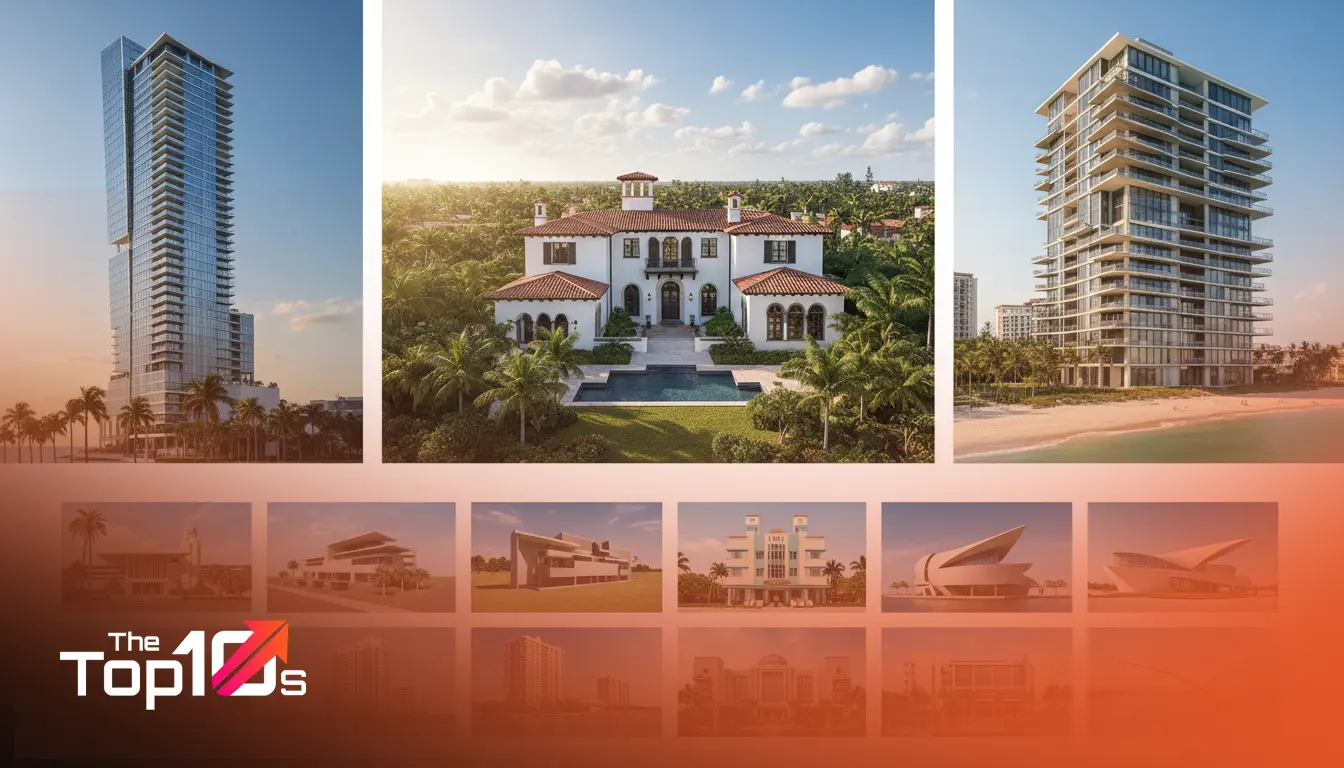
Choosing an architect in Florida is a decision that extends far beyond drafting blueprints; it’s an investment in vision, functionality, and long-term value. The Sunshine State presents a unique canvas, with its diverse cultural landscapes, demanding climate, and specific regulatory environment. A skilled architectural professional does more than design a structure; they navigate complex zoning laws, engineer solutions for hurricane resilience, and create spaces that harmonize with Florida’s distinct indoor-outdoor lifestyle. The right partnership ensures your project is not only aesthetically compelling but also structurally sound, compliant, and tailored to your specific goals. Finding experienced architectural professionals in Florida involves evaluating their creative approach, technical acumen, and ability to translate abstract ideas into tangible, enduring environments.
How We Identified Leading Architects
To assemble this guide to some of the top architects in Florida, we conducted a comprehensive review based on publicly available information. This process was not an endorsement or certification but an analysis of professional signals within the architectural community. Our methodology considered several key indicators to identify architects and firms with a strong public reputation for design excellence and professional diligence. Factors included the depth of their professional experience, the focus of their design philosophy, and their familiarity with the state’s unique building codes and environmental challenges. We also considered their professional standing, the nature of their portfolio, and trends in client feedback to gauge their influence and contributions to Florida’s architectural landscape.
Top 10 Architects in Florida
Kobi Karp (Kobi Karp Architecture & Interior Design)
With a significant presence in Miami and beyond, Kobi Karp has become synonymous with large-scale, high-impact design. His firm’s work spans hospitality, luxury high-rise residential, and historic preservation, often blending modern aesthetics with regional context. With decades of experience, his portfolio showcases an ability to manage complex, landmark projects that shape city skylines. Karp’s strengths lie in creating holistic design experiences, where architecture and interior design are seamlessly integrated. His approach often incorporates sustainable elements and innovative solutions tailored to a sophisticated global clientele.
Best suited for: Developers and investors undertaking large-scale commercial, hospitality, or luxury condominium projects, as well as clients focused on renovating and restoring historic properties.
Max Strang (Strang Design)
Max Strang is a prominent figure in the realm of “environmental modernism.” His work is deeply rooted in Florida’s natural landscape, creating residential and boutique commercial spaces that are both minimalist and warm. With over two decades of practice, his designs emphasize site-specificity, using natural light, local materials, and a profound connection between indoor and outdoor spaces. Strang’s expertise is evident in his firm’s ability to craft serene, resilient homes that respond directly to the subtropical climate, often featuring deep overhangs, breezeways, and integrated water features.
Best suited for: Homeowners and clients seeking a timeless, site-specific modern home that prioritizes environmental integration, sustainability, and architectural purity.
Chad Oppenheim (Oppenheim Architecture)
Chad Oppenheim’s practice operates on a global scale but maintains deep roots in Florida, where his work is celebrated for its elemental and powerful simplicity. His architectural philosophy centers on creating memorable experiences by reducing design to its essential components. With an extensive career, Oppenheim has designed everything from single-family homes to large urban masterplans. His notable strength is a form of minimalist design that feels both monumental and deeply connected to its natural surroundings, often blurring the lines between building and landscape.
Best suited for: Clients with a passion for bold, minimalist architecture who want a design that makes a powerful statement while remaining sensitive to its environmental context.
Guy Peterson (Guy Peterson Office for Architecture)
As a leading voice in the Sarasota School of Architecture’s modern legacy, Guy Peterson has dedicated his career to advancing regional modernism. His work, primarily residential, is characterized by clean lines, geometric clarity, and an astute understanding of light and shadow. With several decades of focused practice, Peterson’s designs are celebrated for their sculptural quality and meticulous attention to detail. His strength lies in creating highly ordered yet liveable spaces that honor Florida’s architectural history while pushing a contemporary aesthetic forward.
Best suited for: Individuals seeking a bespoke modern residence crafted with artistic precision and a deep appreciation for the principles of the Sarasota School of Architecture.
Bernardo Fort-Brescia & Laurinda Spear (Arquitectonica)
Founded in Miami, Arquitectonica is an international powerhouse that has left an indelible mark on Florida’s urban fabric. Led by Bernardo Fort-Brescia and Laurinda Spear, the firm is known for its bold, expressive, and often colorful modernism. Their extensive experience covers a vast range of project types, including mixed-use developments, cultural institutions, and high-rise towers. The firm’s signature strength is its unapologetic geometric experimentation and its ability to create iconic buildings that capture the energy and dynamism of their urban settings.
Best suited for: Developers and institutions planning ambitious, large-scale projects that require a world-renowned design signature and proven expertise in complex urban architecture.
Rene Gonzalez Architect
Rene Gonzalez has earned a reputation for creating architecture that is both conceptually rigorous and experientially rich. His projects, often residential and cultural, are known for their innovative use of materials and their thoughtful engagement with the surrounding environment. With years of dedicated practice, Gonzalez’s work often explores themes of perception, memory, and place. A key strength is his ability to design spaces that feel ethereal and grounded simultaneously, using light, texture, and structure to evoke a powerful emotional response from inhabitants.
Best suited for: Clients who view architecture as a form of art and are looking for a design that is deeply personal, intellectually stimulating, and pushes conventional boundaries.
Joyce Owens (Architecture Joyce Owens)
Joyce Owens is recognized for her expertise in sustainable design and coastal architecture. Her firm focuses on creating resilient, energy-efficient buildings that can withstand Florida’s harsh climate while maintaining a high level of aesthetic quality. With a career spanning decades, her work is grounded in practical, science-based solutions for building in a vulnerable environment. Her strength is the seamless integration of sustainable strategies—like passive cooling, durable materials, and storm-resistant construction—into elegant and functional architectural forms.
Best suited for: Homeowners and business owners in coastal areas who prioritize sustainability, hurricane resilience, and long-term durability in their building projects.
Nichols Architects
With a long-standing history in South Florida, Nichols Architects has established itself as a leader in planning and designing hotels, resorts, mixed-use centers, and high-end residential projects. The firm has a deep understanding of the market dynamics and lifestyle expectations that drive development in the region. Their experience translates into designs that are not only visually appealing but also commercially viable and operationally efficient. Their primary strength is their collaborative, multi-disciplinary approach to complex projects that balance visionary design with practical, market-driven goals.
Best suited for: Hospitality groups, developers, and civic leaders requiring a seasoned architectural partner with a proven track record in designing successful, large-scale destinations.
Jacob Brillhart (Brillhart Architecture)
Jacob Brillhart’s practice is celebrated for its commitment to craft, vernacular traditions, and hands-on building processes. The firm’s work, primarily residential, draws inspiration from Florida’s historical “Cracker” architecture and other tropical precedents, reinterpreting them through a modern lens. With a focused, design-build approach, Brillhart’s strength is in creating exquisitely detailed and contextually appropriate homes that emphasize natural ventilation, simple materials, and a strong connection to the outdoors. This approach offers a tactile and thoughtful alternative to mainstream modernism.
Best suited for: Individuals who appreciate craftsmanship, architectural history, and a hands-on design process, resulting in a home that is both innovative and deeply rooted in Florida’s heritage.
Scott Hughes & John Umbanhowar (Hughes Umbanhowar Architects)
Operating from offices in Florida and California, this firm creates sophisticated and serene architectural works that are precisely tailored to their sites and clients. Their designs are characterized by a refined material palette, spatial clarity, and an understated elegance. With years of experience in high-end residential and cultural projects, their portfolio demonstrates a mastery of form and detail. The firm’s defining strength is its ability to execute technically complex designs with an almost effortless grace, resulting in tranquil and inspiring architectural environments.
Best suited for: Discerning clients seeking a highly refined and minimalist architectural statement for a custom home, private gallery, or boutique cultural space.
What Defines a Great Architect in Florida?
A great architect in Florida possesses a unique blend of artistry and technical mastery tailored to the state’s specific demands. Beyond a compelling design aesthetic, their expertise must address several critical, localized factors.
- Climate Resilience and Material Science: Florida’s environment requires more than just adherence to code; it demands a deep understanding of how to design for hurricane-force winds, high humidity, intense sun, and saltwater corrosion. A top architect selects materials and structural systems that offer long-term durability and performance in these conditions.
- Mastery of Local Architectural Styles: From the historic Art Deco of Miami Beach and the Mediterranean Revival of Coral Gables to the coastal contemporary styles dotting the coastline, a skilled architect can work within—or thoughtfully innovate upon—these vernaculars to create something that feels authentic to its location.
- Sustainable and Passive Design Strategies: True expertise is shown in creating buildings that work with the climate, not against it. This includes designing for cross-ventilation, using deep overhangs for shade, orienting the building to manage solar heat gain, and integrating native, drought-tolerant landscaping.
- Regulatory Navigation: Florida has some of the most stringent building codes in the nation, especially in coastal zones (High-Velocity Hurricane Zones). A great architect is also a skilled navigator of this complex regulatory landscape, ensuring a smooth and compliant permitting process.
- Client Communication and Collaboration: The ability to listen, interpret a client’s vision, and communicate complex design ideas clearly is paramount. The best architectural relationships are collaborative partnerships built on trust and mutual understanding.
How to Choose the Right Architect for Your Needs
Selecting the right architect is a critical first step in ensuring your project’s success. This decision should be based on a combination of their professional qualifications, design philosophy, and interpersonal compatibility. Here’s a practical guide to making an informed choice.
Evaluate Their Portfolio and Design Philosophy
Look beyond pretty pictures. Does their body of work resonate with you? Pay attention to the types of projects they feature. An architect specializing in commercial high-rises may not be the best fit for a single-family home renovation. Assess if their design style—be it modern, traditional, or eclectic—aligns with your vision. This process of evaluating local expertise is crucial, whether you’re building in a dense urban area or a coastal region, a principle that holds true in other states as well, as seen when considering the top 10 architects in Delaware.
Ask the Right Questions
During initial consultations, come prepared with thoughtful questions that go beyond cost. Consider asking:
- What is your design process from initial concept to final construction documents?
- How do you approach budget management and project timelines?
- Can you describe your experience with local planning departments and permitting?
- How do you facilitate communication between the client, contractor, and other consultants?
- What role does technology, like 3D modeling, play in your design and presentation process?
Understand the Scope and Specialization
Be clear about the scope of your project from the outset. For a historic restoration, an architect with a specialization in preservation is invaluable. For a highly sustainable, net-zero energy home, you’ll want a professional with demonstrated expertise in green building technologies. Matching the architect’s specialization to your project’s needs is essential for a successful outcome.
Check Professional Standing and Client Feedback
Investigate their professional background. Are they licensed in the state of Florida? What is their standing within professional organizations like the American Institute of Architects (AIA)? While formal reviews can be helpful, also ask for references from past clients with projects similar to yours. Speaking with a former client can provide invaluable insight into the architect’s communication style, problem-solving skills, and overall professionalism.
Frequently Asked Questions
What is the typical fee structure for an architect in Florida?
Architectural fees can be structured in several ways. Common methods include a percentage of the total construction cost (often ranging from 8% to 15%), a fixed fee agreed upon upfront, or an hourly rate. The structure often depends on the project’s scope, complexity, and the architect’s level of involvement.
How important is it to hire an architect who is local to my project?
While technology allows for remote collaboration, hiring an architect with experience in your specific municipality is highly advantageous. They will have established relationships with local planning and building departments and a nuanced understanding of local codes, soil conditions, and subcontractor networks, which can significantly streamline the project.
What is the difference between an architect and a draftsperson or building designer?
A licensed architect has completed a rigorous education program, a lengthy internship, and passed a comprehensive exam. They are legally qualified to design a wide range of buildings and are responsible for public safety. A building designer or draftsperson may not have the same level of education or licensure, and their services may be limited to certain types of smaller, less complex projects as defined by state law.
How do Florida architects design for hurricane resistance?
Designing for hurricane resistance involves a multi-faceted approach. This includes specifying impact-resistant windows and doors, designing reinforced roof structures with secure connections to the walls (strapping), ensuring a continuous load path from the roof to the foundation, and adhering to the stringent requirements of the Florida Building Code, especially in coastal High-Velocity Hurricane Zones (HVHZ).
What should be included in a contract with an architect?
A comprehensive contract should clearly outline the scope of services, including all design phases (schematic design, design development, construction documents, etc.). It should also detail the fee structure and payment schedule, project timeline, the roles and responsibilities of both the architect and the client, and procedures for handling changes or additional services.
Can an architect help manage the construction process?
Yes, many architects offer construction administration services as part of their scope. In this role, they act as your advocate, making site visits to observe progress, ensuring the contractor is building according to the plans, reviewing payment applications, and helping to resolve any issues that arise during construction.
Conclusion
The journey to creating a new building or transforming an existing space in Florida is a significant undertaking, and your choice of architect is the foundation upon which the entire project is built. The professionals highlighted here represent a fraction of the immense talent across the state, but they exemplify the blend of creative vision, technical skill, and local expertise necessary for success. By investing time in thorough research, asking insightful questions, and finding an architect whose philosophy aligns with your own, you empower your vision to become a well-designed, resilient, and enduring reality. A thoughtful, collaborative partnership with the right architect is the most critical element in achieving architectural excellence.