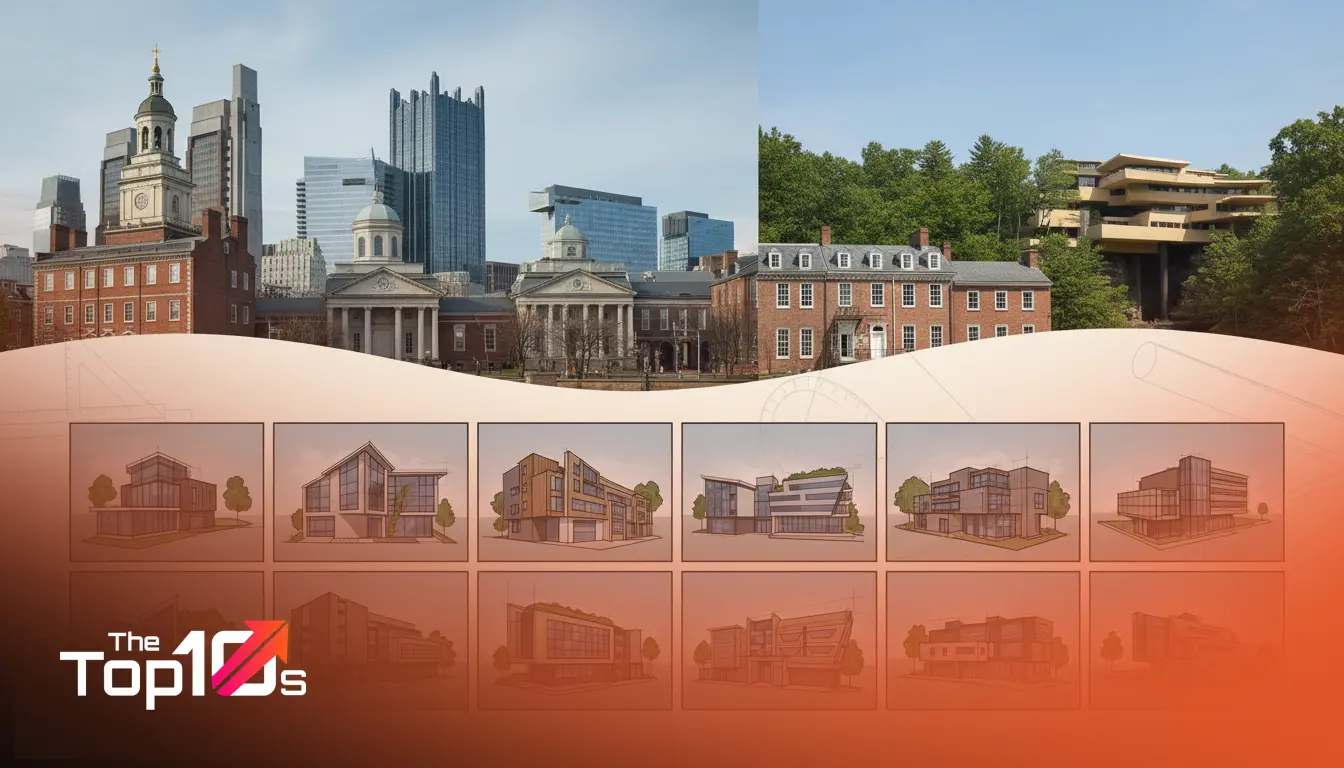
Choosing an architect in Pennsylvania is a decision that extends far beyond drafting blueprints; it’s about entrusting a professional with the complex task of translating a vision into a tangible, functional, and enduring structure. The Keystone State, with its diverse landscape of historic cities, rolling countryside, and post-industrial urban centers, presents unique challenges and opportunities. The right architectural partner possesses a blend of creative ingenuity, technical precision, and an intimate understanding of local building codes, zoning laws, and environmental considerations. Their expertise in project coordination, communication, and budget management is often the critical factor that determines a project’s success, influencing not just the final aesthetic but the long-term value and usability of the investment. For anyone embarking on a construction journey, from a custom home build to a large-scale commercial development, finding one of the best architects in Pennsylvania is the foundational step toward achieving an exceptional outcome.
How We Identified Leading Architects
This guide was developed by synthesizing publicly available information to identify architectural professionals with a strong public reputation and significant experience within Pennsylvania. Our methodology is based on a comprehensive analysis of various signals, not on direct verification, certification, or endorsement. The factors considered in this research include the depth of a firm’s or individual’s portfolio, their stated areas of design focus, and the general professional standing they hold within the design and construction communities. We reviewed educational backgrounds, licensing information, and the nature of their practice, whether it be a large multidisciplinary firm or a boutique studio. Furthermore, we considered their familiarity with the state’s distinct regulatory environments, from Philadelphia’s historic commissions to Pittsburgh’s urban redevelopment authorities. Client feedback trends and publicly noted recognitions were also factored in as indicators of consistent quality and client satisfaction. This list represents a culmination of this research, aimed at providing a helpful starting point for your own selection process.
Top 10 Architects in Pennsylvania
Bohlin Cywinski Jackson
With a legacy stretching back over half a century and offices in Wilkes-Barre, Pittsburgh, and Philadelphia, Bohlin Cywinski Jackson (BCJ) is a firm with a profound impact on both a local and global scale. Their work is characterized by a deep respect for place, material, and light. While globally recognized for iconic commercial projects, including many Apple Stores, their expertise in crafting breathtaking residential and institutional buildings is equally significant. BCJ’s approach is highly contextual, resulting in designs that feel both innovative and intrinsically connected to their surroundings. They are known for their meticulous attention to detail and an elegant, understated modernism. Their vast experience makes them suited for clients with ambitious, large-scale projects who demand a world-class level of design execution and project management.
KieranTimberlake
Based in Philadelphia, KieranTimberlake is a practice at the forefront of architectural research and sustainable design. The firm is distinguished by its data-driven, analytical approach to creating high-performance buildings. They integrate technology and environmental science into the core of their design process, aiming to optimize energy use, material life cycles, and occupant well-being. Their portfolio spans educational facilities, government buildings, and residential projects, all unified by a commitment to innovation and environmental stewardship. KieranTimberlake is an ideal choice for institutional, commercial, or residential clients who prioritize cutting-edge sustainable practices and a design philosophy grounded in empirical research and forward-thinking solutions.
Metcalfe Architecture & Design
Metcalfe is a Philadelphia-based firm celebrated for its imaginative and human-centered design solutions, particularly for educational institutions, museums, and public spaces. Their work often incorporates elements of play, discovery, and social interaction, creating environments that are engaging and inspiring. They excel at translating a client’s mission into physical form, whether for a children’s museum, a school, or a corporate headquarters. Their strengths lie in their collaborative process and their ability to design spaces that foster community and learning. Metcalfe is well-suited for non-profit organizations, schools, and cultural institutions looking for an architect that can create a unique, mission-driven, and highly functional environment.
IKM Architecture
Operating from Pittsburgh, IKM Architecture has established a formidable reputation in the healthcare, education, and science and technology sectors. With decades of experience, the firm is adept at designing complex, technically demanding facilities that support the critical work happening within them. Their process involves intensive collaboration with stakeholders to ensure that every design decision enhances functionality, efficiency, and the user experience. IKM’s expertise in navigating the stringent regulatory requirements and specialized needs of these fields is a core strength. They are an excellent partner for hospitals, universities, and research organizations planning new construction or sophisticated renovations where technical precision is paramount.
Digsau
Digsau is a Philadelphia-based practice known for its thoughtfully crafted modern architecture that responds to both its urban context and its client’s specific needs. The firm’s work is characterized by a clear articulation of form, an honest expression of materials, and a strong connection between indoor and outdoor spaces. Their portfolio includes residential, commercial, and mixed-use projects that demonstrate a commitment to design excellence at every scale. Digsau excels at creating buildings that are both contextually sensitive and distinctly contemporary. They are a strong fit for clients and developers seeking a high-touch, design-focused architect for bespoke residential projects or carefully considered urban infill developments.
Strada
With offices in both Pittsburgh and Philadelphia, Strada practices an integrated approach that combines architecture, urban design, and interior design. This holistic methodology allows them to create cohesive and compelling environments from the scale of a single room to that of a city block. They are particularly skilled in adaptive reuse, transforming historic structures into vibrant new spaces, as well as in creating dynamic mixed-use developments that energize their communities. Strada’s collaborative, multidisciplinary team is a key asset, enabling them to tackle complex projects with a unified vision. They are an ideal choice for developers and institutions focused on urban revitalization, historic preservation, and creating integrated lifestyle destinations.
Bright Common
For those passionate about sustainability, Philadelphia’s Bright Common is a leading voice in high-performance architecture. Specializing in Passive House design, the firm is dedicated to creating buildings that are exceptionally energy-efficient, healthy, and comfortable. Their work focuses on a “fabric-first” approach, utilizing superior insulation, airtight construction, and high-performance windows to dramatically reduce a building’s energy consumption. Their portfolio showcases beautiful, modern residential and small commercial projects that prove sustainability and sophisticated design can go hand-in-hand. Bright Common is the go-to firm for homeowners and developers committed to achieving the highest standards of green building and creating truly sustainable living and working environments.
mossArchitects
Located in Pittsburgh, mossArchitects has made a significant mark on the city’s architectural landscape through its focus on adaptive reuse and contemporary design. The firm has a talent for breathing new life into older buildings and designing new structures that contribute positively to the urban fabric. Their work, which spans residential, restaurant, and commercial projects, is known for its thoughtful use of materials, creative spatial solutions, and a clean, modern aesthetic. They excel at working within existing contexts to create something fresh and dynamic. Clients looking to renovate a historic property or build a new home or business with a distinct modern sensibility would find a great partner in mossArchitects.
Wyant Architecture
Wyant Architecture is a Philadelphia-based firm that has cultivated a reputation for designing exquisitely detailed and finely crafted residential and institutional projects. Their work is rooted in a deep understanding of traditional building principles, reinterpreted through a modern lens. The firm’s process is highly personalized, focusing on a close partnership with the client to create spaces that are both timeless and deeply personal. A hallmark of their work is its exceptional quality of construction and material selection. Wyant Architecture is best suited for discerning clients seeking to create a legacy home or a significant institutional building where craftsmanship, longevity, and meticulous design are the highest priorities.
Bohlin Powell
Specializing in custom residential architecture, Bohlin Powell, based in the Lehigh Valley, focuses on creating homes that are intimately connected to their natural setting. Their design philosophy centers on understanding the unique characteristics of a site and the lifestyle of the inhabitants to craft a home that is both beautiful and highly functional. Their work often features natural materials, abundant daylight, and a seamless flow between inside and out. The firm is known for its hands-on approach and dedication to guiding clients through every step of the design and construction process. For individuals or families looking to build a one-of-a-kind home that harmonizes with the Pennsylvania landscape, Bohlin Powell offers a focused and expert service.
What Defines a Great Architect in Pennsylvania?
In a state as architecturally rich and geographically diverse as Pennsylvania, a great architect does more than design buildings; they act as a strategic partner who navigates a complex web of factors. Their value is defined by a deep understanding of local architectural vernacular—from the stone farmhouses of Bucks County to the brick rowhomes of Philadelphia and the industrial heritage of Pittsburgh. They possess the skill to either honor these traditions or thoughtfully depart from them, creating designs that are both innovative and contextually appropriate.
Beyond aesthetics, exceptional architects in the state demonstrate mastery over functionality and sustainability. They design spaces that not only look appealing but also work efficiently for the people who use them every day. This includes planning for natural light, optimizing spatial flow, and increasingly, integrating sustainable systems and materials to reduce long-term operating costs and environmental impact. Furthermore, a key differentiator is their ability to communicate. They must be able to listen intently to a client’s aspirations and translate abstract ideas into coherent design concepts using tools like 3D modeling and detailed drawings. This collaborative planning is essential for ensuring the final project aligns with the initial vision and budget.
How to Choose the Right Architect for Your Needs
Selecting the right architectural professional is a critical decision that requires careful consideration. The process should be approached as a partnership, one that requires alignment in vision, communication style, and expertise. Here are several steps to guide you.
Questions Clients Should Ask Before Hiring an Architect
Begin by interviewing several candidates. Prepare questions that go beyond their portfolio. Ask about their design philosophy, their process for managing budgets and timelines, and how they handle unforeseen challenges during construction. Inquire about their typical level of involvement during the building phase and how they facilitate communication between the client and the contractor. Understanding their approach to problem-solving and collaboration is just as important as appreciating their past work.
How to Evaluate Portfolios and Design Philosophy
When reviewing a portfolio, look for more than just beautiful images. Try to understand the story behind each project. Does the work show versatility, or does it adhere to a single style? More importantly, does their design philosophy resonate with your goals? If you prioritize sustainability, look for demonstrated experience with green building standards. If your project involves a historic building, seek out architects with a proven track record in preservation and adaptive reuse.
When to Hire a Specialist vs a Generalist Architect
Consider the specific needs of your project. For a highly technical building like a healthcare facility or a laboratory, a specialist firm is essential. For a custom home, a boutique residential architect may offer a more personalized experience. Generalist firms often have broader experience across various project types, which can be an advantage for mixed-use developments. The key is to match the architect’s core competencies with your project’s primary requirements.
Understanding Project Timelines, Budgets, and Scope
A reputable architect will be transparent about fees, timelines, and the overall process. Discuss your budget openly from the very first meeting. A good architect will respect your financial parameters and can help you understand where your money is best spent. Ensure you have a clear written agreement that outlines the full scope of services, the fee structure (e.g., hourly, fixed fee, or a percentage of construction cost), and a projected timeline for the design and documentation phases.
Location Familiarity and Regulatory Experience
Local knowledge is invaluable. An architect who is familiar with your specific municipality will have established relationships with planning departments and a deep understanding of local zoning ordinances, building codes, and permit processes. This expertise can save significant time and prevent costly delays. Just as the architectural demands in Pennsylvania differ from those in the Pacific Northwest, as highlighted in this guide to the top 10 architects in Oregon, local expertise is paramount to a smooth project.
Frequently Asked Questions
What is the typical fee structure for architects in Pennsylvania?
Architectural fees in Pennsylvania vary widely based on the project’s scope, complexity, and the architect’s experience. Common structures include a percentage of the total construction cost (often ranging from 8% to 15%), an hourly rate for services, or a fixed lump-sum fee. Some projects may use a hybrid model. It is crucial to have this detailed in a written contract before work begins.
Do I need an architect for a small renovation or addition?
While not always legally required for very small projects, hiring an architect for a renovation or addition can provide immense value. They can optimize the use of space, ensure the design is cohesive with the existing structure, navigate the building permit process, and help you avoid common design pitfalls, ultimately improving the final outcome and value of your home.
How long does the architectural design phase typically last?
The duration of the design phase depends heavily on the project’s scale and complexity, as well as the client’s decision-making pace. For a custom home, the process from initial concepts through to permit-ready construction documents can take anywhere from four to twelve months. Larger commercial projects will have significantly longer timelines.
What is the difference between an architect and a building designer or draftsperson?
A licensed architect has completed a rigorous program of education, internship, and examination required by the state. They are legally qualified to design a wide range of buildings and are responsible for public safety. A building designer or draftsperson may have technical drawing skills but typically does not have the same level of education or legal standing and may be limited in the scope of projects they can design.
How involved should I be in the design process with my architect?
Your involvement is key to a successful project. A good architect will facilitate a collaborative process. You should be prepared to provide clear input on your needs, preferences, and budget during the initial phases. As the design develops, your role will shift to reviewing progress and making key decisions, but consistent communication is essential throughout the entire project.
Conclusion
The journey to create a new building or transform an existing one is a significant undertaking, and the selection of an architect is the most critical decision in that process. The right professional is more than a designer; they are a collaborator, a problem-solver, and a steward of your vision and investment. By conducting thorough research, asking insightful questions, and finding a firm whose expertise and philosophy align with your goals, you lay the groundwork for a successful project. Emphasizing clear communication and a strong partnership will ensure that the final structure is not only well-designed and well-built but also a true reflection of your aspirations.