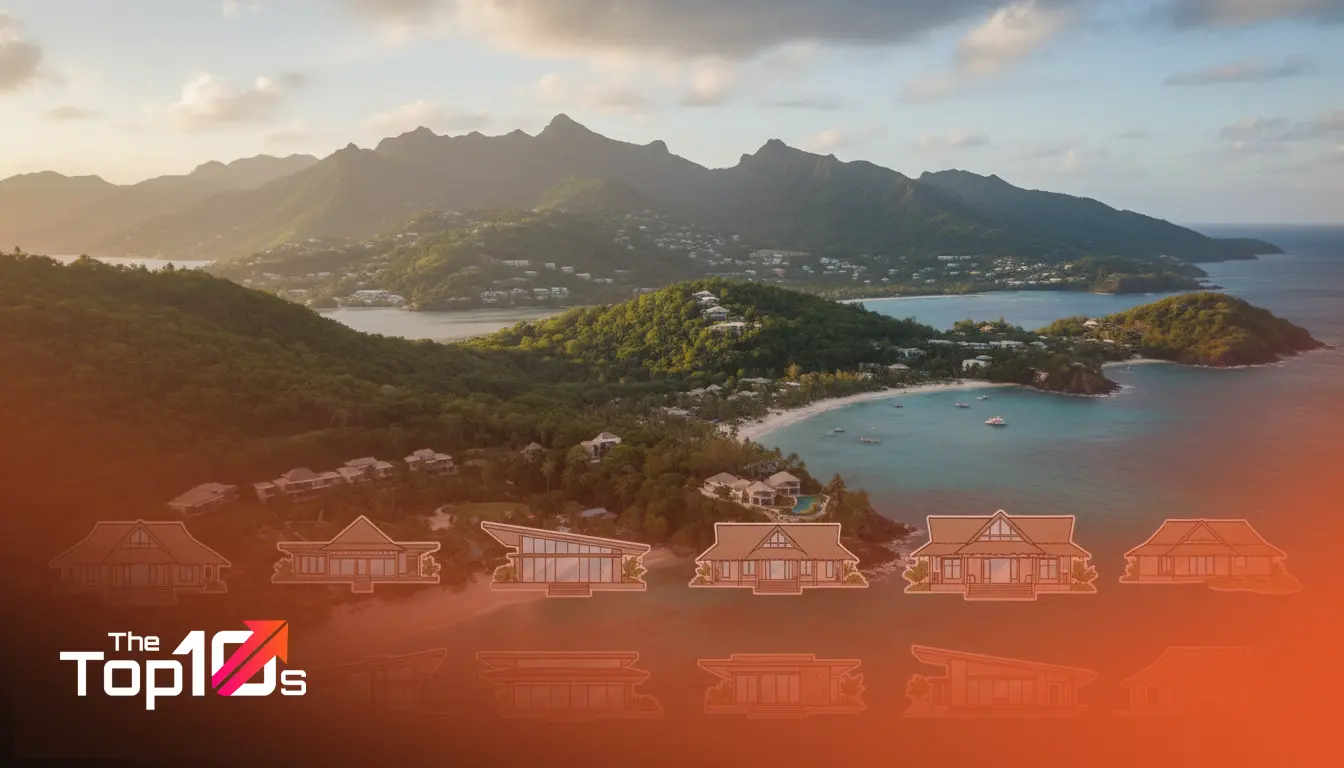
Imagine standing on a granite slope in Mahé, looking out over the Indian Ocean. You have the land, the vision of a sprawling veranda, and the budget. But turning that vision into a structure that can withstand salt spray, high humidity, and strict local planning regulations is an entirely different challenge. That is where finding the right design partner becomes the single most critical step in your property journey.
Building in the Seychelles isn’t just about aesthetics; it is about engineering for a unique tropical environment. The soil composition varies from sandy coastlines to sturdy granite mountains, and the wrong design choice can lead to costly structural issues later. Whether you are planning a boutique resort on Praslin or a family residence on Eden Island, you need a professional who understands the delicate balance between Creole tradition and modern sustainability.
Quick Takeaways: hiring in the Seychelles
- Local Knowledge is King: Regulations from the Seychelles Planning Authority are strict; you need someone who knows the approval process inside out.
- Topography Matters: Many plots are on steep slopes. Look for experience in hillside engineering and suspended structures.
- Climate Control: The best designs utilize passive cooling and cross-ventilation to reduce reliance on air conditioning.
- Material Sourcing: Since most materials are imported, your architect must be skilled in logistics and budget management.
Below, we look at the professionals shaping the skyline of these islands. These are the studios and individuals turning tropical constraints into architectural assets.
How We Identified Leading Architects
Selecting the names for this list wasn’t about looking for the flashiest website. In an island nation, reputation is built on standing structures and word-of-mouth. We analyzed several distinct signals to curate this selection of architectural professionals in Seychelles.
First, we looked at portfolio diversity. Does the architect have a track record of completing projects that respect the local vernacular while introducing modern conveniences? We also considered regulatory fluency. The best creatives are also pragmatists who know how to navigate the specific codes of the local Planning Authority. Finally, we looked for longevity and presence. We prioritized firms and individuals who have demonstrated a long-term commitment to the region, rather than transient consultants.
List of 10 Best Architects in Seychelles
| Name | Best For |
|---|---|
| Alex Ellenberger (Locus Architecture) | High-end residential and boutique commercial projects |
| Paul Simpson (Design Studio) | Project management and architectural delivery for commercial complexes and residential refurbishments |
| Paddy Zaps (PZ Architects) | Modern aesthetic with a focus on clean lines and expansive glass |
| The Team at Glarous | Practical, durable designs that withstand harsh coastal elements |
| Sustainable Design Solutions (SDS) | Eco-conscious homeowners and resort developers looking for environmentally responsible designs |
| Christine Peeters (Add.Locus) | Tropical modernism with a focus on sensory experience |
| WSP Seychelles (Architecture Division) | Large-scale infrastructure and commercial developments |
| Eco-Project Seychelles | Retrofitting or renovating existing Creole structures while adding modern elements |
| Studio H Architects | Maximizing value on smaller plots and creating compact footprints that feel spacious |
| Innovative Design Studio | Clients who want to visualize their views and sunlight patterns before construction |
Top 10 Architects In Seychelles
Here are ten architectural practices and professionals who have made significant contributions to the built environment of the Seychelles, ranging from luxury hospitality specialists to residential experts.
1. Alex Ellenberger (Locus Architecture)
You cannot discuss contemporary Seychellois architecture without encountering the work of Locus Architecture. Alex Ellenberger has established a reputation for designs that seem to grow organically out of the landscape. His approach often involves extensive use of natural materials, particularly timber and stone, allowing buildings to age gracefully within their tropical setting.
Locus is particularly strong in high-end residential and boutique commercial projects. If you are looking for a home that feels like a natural extension of the granite boulders rather than an imposition on them, this firm offers deep expertise. Their understanding of cross-ventilation principles is also noteworthy.
2. Paul Simpson (Design Studio)
Design Studio, often associated with Paul Simpson, is a heavyweight in the region regarding project management and architectural delivery. Their portfolio is vast, covering everything from commercial complexes to intricate residential refurbishments. What stands out here is the technical precision.
Simpson’s team is often the go-to for developers who need a blend of architectural flair and rigorous project coordination. They are well-versed in the logistical headaches of island construction, making them a smart choice for clients who are building from abroad and need a steady hand on the ground.
3. Paddy Zaps (PZ Architects)
For those leaning towards a sharper, more modern aesthetic, PZ Architects brings a distinct flair to the table. Paddy Zaps has cultivated a style that embraces clean lines and expansive glass, maximizing the stunning views that Seychelles properties offer. However, this isn’t modernism for the sake of it; the designs are rooted in tropical functionality.
This practice is an excellent match for clients who want a “Miami meets the Indian Ocean” vibe. They excel at creating open-plan living spaces that blur the boundary between indoor luxury and outdoor relaxation.
4. The Team at Glarous
Glarous operates with a focus that often overlaps with engineering and construction management, providing a more integrated approach. In a market where coordinating separate contractors can be a nightmare, finding a firm that understands the buildability of a design is invaluable.
Their strength lies in practical, durable designs that withstand the harsh coastal elements. If your priority is structural longevity and low maintenance—crucial factors in a salt-heavy air environment—Glarous offers solid, reliable planning solutions.
5. Sustainable Design Solutions (SDS)
As the name suggests, this practice places environmental impact at the forefront of the conversation. With the Seychelles being an ecologically sensitive zone, SDS focuses on minimizing the carbon footprint of construction. They often employ strategies like rainwater harvesting integration and solar orientation directly into the architectural shell.
This approach appeals to eco-conscious homeowners and resort developers who want to market their properties as environmentally responsible. Their designs often feature clever shading devices that reduce cooling loads.
6. Christine Peeters (Add.Locus)
Associated with the broader Locus ecosystem but often noted for specific design sensibilities, this architectural direction leans heavily into “tropical modernism.” The focus here is often on the sensory experience of the building—how light enters a room in the morning, or how the roof overhang protects the veranda during the monsoon.
This is an ideal choice for residential clients who are deeply involved in the emotional and experiential aspects of their future home. The attention to detail in interior spatial planning is a defining characteristic.
Note: It is fascinating to compare how different regions handle these challenges. If you are looking at development across the continent, you might see similarities in how professionals handle tropical climates, much like the top 10 architects in Gabon handle equatorial challenges.
7. WSP Seychelles (Architecture Division)
While WSP is a global engineering giant, their local presence in Seychelles includes architectural capabilities that handle large-scale infrastructure and commercial developments. When a project is too complex for a boutique studio—think multi-story commercial buildings or large resort infrastructure—this is where you look.
Their architectural output is driven by data and engineering constraints. It is less about whimsical design and more about functional, code-compliant, and robust structures. They are best suited for corporate clients or large-scale developers.
8. Eco-Project Seychelles
Focusing on the intersection of architecture and planning, Eco-Project handles the tricky balance of getting designs built in difficult terrains. Their work often involves retrofitting or renovating existing Creole structures to meet modern standards without losing their historical charm.
If you have purchased an older property and want to restore it while adding a modern wing, their expertise in heritage architecture combined with modern planning is a significant asset.
9. Studio H Architects
A smaller, more agile practice, Studio H is known for personalized service. In large firms, you might get passed to a junior associate, but boutique outfits like this ensure the principal architect is hands-on. Their style is versatile, adapting well to the specific desires of the client rather than imposing a house style.
They are particularly adept at maximizing value on smaller plots, using vertical space and smart layouts to make compact footprints feel spacious. This makes them a favorite for local homeowners maximizing their land value.
10. Innovative Design Studio
Rounding out our list is a practice that embraces technology. Innovative Design Studio is known for utilizing 3D modelling and visualization tools early in the process. This helps clients visualize views and sunlight patterns before a single brick is laid.
For international clients who cannot visit the site every week, this digital-first approach provides peace of mind. You can see exactly what you are getting, reducing the “lost in translation” errors that can happen with traditional 2D blueprints.
What Defines a Great Architect in Seychelles?
Architecture in this archipelago is distinct from mainland Africa or Europe. A truly great architect here functions as more than just a designer; they act as a guide through a unique set of geographic and bureaucratic challenges.
Mastery of Topography
Mahe is mountainous. A skilled architect knows how to design for 45-degree slopes without requiring excessive (and expensive) retaining walls. They use the slope to their advantage, creating split-level homes that offer better views and natural airflow. If a designer suggests flattening a site entirely, proceed with caution—they may be fighting the land rather than working with it.
The Creole Vernacular
There is a fine line between a pastiche of colonial style and genuine Creole architecture. The best professionals understand the logic behind the style: steep pitched roofs to shed heavy rain, wide verandas for shade, and high ceilings for heat dissipation. Contemporary Seychelles architecture often interprets these elements using modern materials like steel and glass, preserving the function while updating the form.
Regulatory Navigation
The Seychelles Planning Authority has strict guidelines regarding density, setbacks, and environmental impact. An architect who promises you can build whatever you want is setting you up for failure. A great architect will tell you “no” when necessary and offer a compliant alternative that still meets your aesthetic goals.
How to Choose the Right Architect for Your Needs
Making the final decision can feel overwhelming. Here is a practical framework to help you evaluate your options.
1. Review the “Buildability” of their Portfolio
Don’t just look at the pretty renders. Ask to see photos of the construction phase. Did the project stay on budget? Did the materials hold up after five years of exposure to sea salt? You want a designer who understands the durability of materials in a marine environment.
2. Ask About Their Consultant Network
No architect works alone. They need structural engineers, quantity surveyors, and MEP (mechanical, electrical, plumbing) consultants. A well-connected architect in Seychelles will have a shortlist of reliable partners they work with regularly. This existing synergy can save weeks of delays during the project.
3. Communication Style
Island time is a real phenomenon. Things can move slowly. You need an architect who communicates proactively, keeping you updated on permit delays or shipping issues before they become crises. During your initial consultation, pay attention to how quickly they follow up. It is usually a good indicator of their future performance.
Frequently Asked Questions
Do I need a local architect if I have a design from abroad?
Yes. Even if you commission a famous international architect, you legally require a locally licensed agent to submit plans to the Planning Authority. Furthermore, a local partner is essential to adapt international designs to local building codes and climate realities.
How much do architects charge in Seychelles?
Fees typically range between 5% and 12% of the total construction cost, depending on the complexity of the project and the level of service (e.g., just design vs. full project supervision). Always clarify if site supervision is included in the fee proposal.
How long does the planning approval process take?
It varies, but you should budget for at least 3 to 6 months for planning approval. This can take longer if your site is environmentally sensitive or if the design requires waivers for setbacks or height restrictions.
What is the biggest mistake clients make when building in Seychelles?
Underestimating logistics. Most finishings—tiles, fixtures, glass—are imported. A savvy architect designs around available stock or plans lead times accurately. Clients often insist on specific European brands that take months to clear customs, stalling the entire build.
Next Steps for Your Project
Building in the Seychelles is a dream for many, but it demands respect for the process. The architects listed above represent the top tier of local capability, blending artistic vision with the grit required to build in the tropics. Your next move should be to create a shortlist of three firms. Arrange a site visit with them—walking the land together is the best way to gauge whether they share your vision for the property.
Don’t rush the design phase. A few extra weeks spent refining the plans and consulting with the Seychelles Institute of Architects registered professionals can save you months of headaches during construction. Choose a partner who sees the potential in your land and has the technical discipline to realize it.