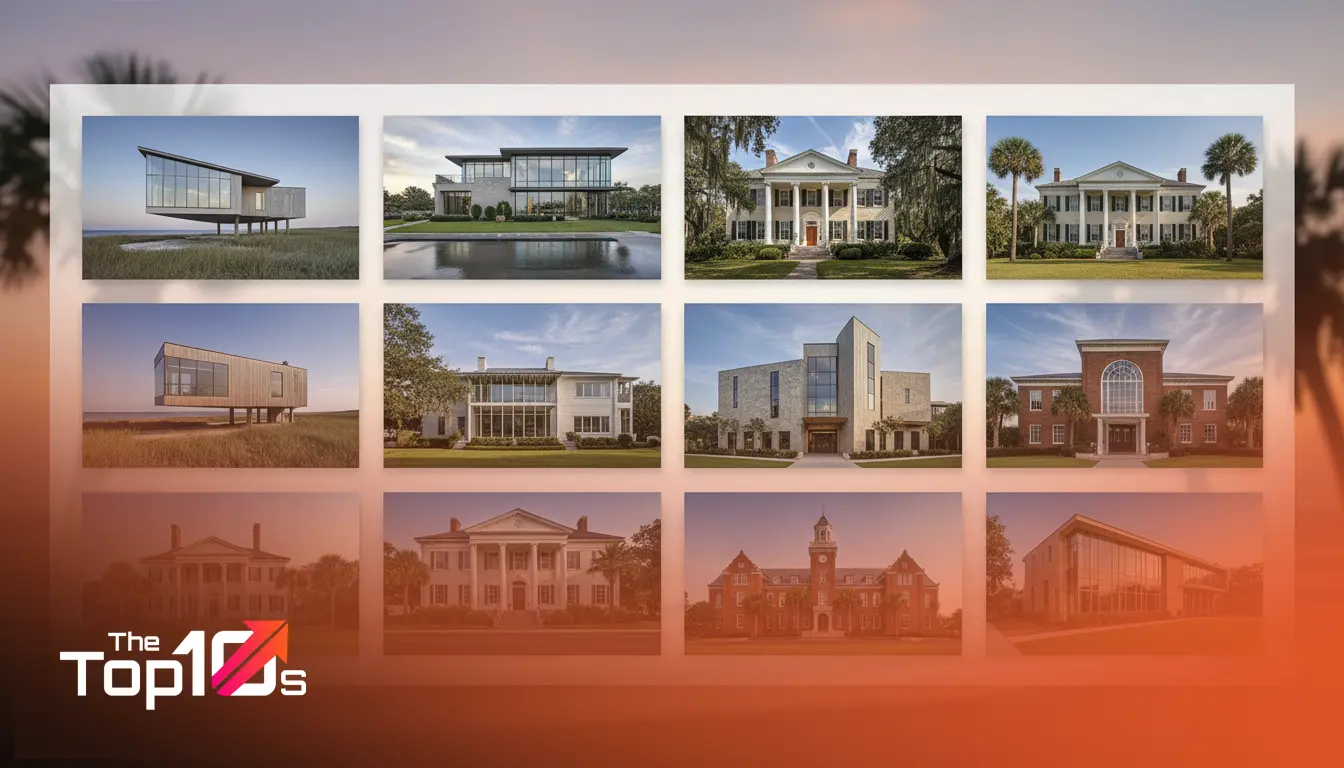
Embarking on a new construction or renovation project in South Carolina is more than a financial investment; it’s a commitment to creating a space that reflects your vision while respecting the state’s unique environmental and historical context. The choice of an architect is the single most critical decision in this journey. A proficient architect does far more than just draft blueprints; they serve as your primary advocate, creative partner, and logistical navigator. The best architects in South Carolina blend aesthetic innovation with a deep understanding of local building codes, coastal weather resilience, and the rich vernacular of Southern design. Their expertise in project coordination, material science, and regulatory navigation directly influences not only the final outcome but also the efficiency and cost-effectiveness of the entire process.
Finding experienced architectural professionals means partnering with someone who can translate abstract ideas into functional, beautiful, and enduring structures. They ensure that the design is not only visually compelling but also structurally sound, sustainable, and compliant with all local ordinances. This guide explores leading architectural talent in the Palmetto State, offering insights to help you identify a professional whose skills and design philosophy align perfectly with your project’s goals.
How We Identified Leading Architects
To provide a useful and well-rounded perspective, our selection process for identifying top architects in South Carolina is based on a comprehensive analysis of publicly available information. This is not a formal ranking but rather a curated guide to highlight professionals with a strong public profile and a history of significant work. Our methodology focused on several key signals of professional excellence and client trust. We examined the depth and breadth of their professional experience, considering the variety and complexity of projects showcased in their portfolios. The educational backgrounds and licensure status of principal architects were also considered as foundational indicators of expertise.
Furthermore, we assessed public reputation through client feedback trends, professional testimonials, and industry recognition found in digital publications and community forums. We looked for affiliations with established architecture firms or respected independent practices, as this often speaks to a stable and collaborative professional environment. A crucial factor was their demonstrated familiarity with South Carolina’s diverse regional building codes and challenging environmental conditions, from the coastal Lowcountry to the Upstate. This approach allows us to present a list of trusted architects near South Carolina who are consistently associated with quality, innovation, and professional integrity within the local design and construction community.
Top 10 Architects in South Carolina
M. Duffy McMahon (DP3 Architects)
With a career spanning several decades, M. Duffy McMahon is a central figure at DP3 Architects, a firm with a strong foothold in the commercial sector. His professional background is rooted in leading complex projects, particularly within the restaurant, hospitality, and community-focused markets. His specialization lies in translating brand identity into physical space, creating environments that are both functional for operators and engaging for patrons. DP3 Architects is often recognized for its methodical approach and technical proficiency. McMahon’s strength is in a client-centric process that prioritizes budget adherence and operational efficiency without sacrificing design quality. This approach makes him an excellent choice for business owners, franchisees, and community organizations looking for a reliable, experienced hand to guide a commercial development from concept to completion.
Christopher Rose (Christopher Rose Architects)
Specializing in custom residential design, Christopher Rose has developed a strong reputation for creating exquisite homes, particularly in the coastal regions of South Carolina. His work often reflects a deep appreciation for classical forms and proportions, seamlessly integrated with modern living requirements. With over two decades of experience, his firm is known for its meticulous attention to detail, from initial site planning to the final selection of finishes. A notable strength is the ability to design homes that feel both grand and intimately comfortable, often featuring elegant solutions for indoor-outdoor living. Homeowners seeking a timeless, heirloom-quality residence that is thoughtfully tailored to their lifestyle and the surrounding landscape may find a perfect match in Christopher Rose’s design philosophy.
Heather A. Wilson (Heather A. Wilson, Architect)
Heather A. Wilson focuses on residential architecture with a personalized, collaborative approach. Her practice is distinguished by its direct principal involvement, ensuring clients work closely with her throughout the design and construction process. Specializing in renovations, additions, and new custom homes, Wilson’s portfolio showcases a versatile aesthetic that responds to the client’s vision rather than a singular, prescribed style. With substantial experience in navigating the complexities of historic districts and coastal building requirements, her key strength is her ability to create thoughtful, practical, and beautiful solutions for challenging projects. Clients who value a close, one-on-one working relationship and seek a design partner to carefully guide them through every decision would be well-suited to her practice.
David D. Thompson (LS3P)
As a key leader within LS3P, one of the Southeast’s most prominent architecture firms, David D. Thompson contributes to a vast portfolio of large-scale and high-impact projects. His experience encompasses a wide range of sectors, including aviation, civic, and commercial design. While associated with a large firm, his work often shows a commitment to creating contextually relevant and sustainable architecture. His specialization is in managing and designing complex projects that require coordination across multiple disciplines and stakeholder groups. Strengths include strategic planning, master planning, and the implementation of innovative design technologies. Developers, municipalities, and corporations undertaking significant capital projects that demand a high level of technical expertise and project management rigor would benefit from his extensive experience.
Frank Lucas (Garvin Design Group)
Frank Lucas is a principal at Garvin Design Group, a Columbia-based firm known for its work in commercial architecture, historic preservation, and community-oriented projects. His background reflects a strong commitment to urban revitalization and adaptive reuse, transforming existing structures into vibrant, modern spaces. Lucas’s specialization involves finding the latent potential in buildings and sites, balancing historic character with contemporary needs. His notable strength lies in collaborative problem-solving and a deep understanding of the technical and financial intricacies of restorative and commercial projects. This makes him a go-to professional for developers, non-profits, and business owners looking to invest in historic properties or contribute to the urban fabric of their communities.
James L. Thomas (Frederick + Frederick Architects)
Working alongside his partner Jane Frederick, James L. Thomas has carved out a niche in creating stunning Lowcountry residential architecture. Based in Beaufort, their firm is celebrated for designs that are deeply rooted in the regional vernacular while offering modern functionality and sustainability. With decades of shared experience, Thomas specializes in site-specific design, carefully orienting homes to capture prevailing breezes, optimize natural light, and frame beautiful views. A key strength is their expertise in “climate-responsive” architecture, creating homes that are comfortable, energy-efficient, and resilient in the face of coastal weather. Clients dreaming of a bespoke home that harmonizes with the natural beauty of the South Carolina coast will find his approach and expertise particularly compelling.
Wayne Rogers (Swallowtail Architecture)
Wayne Rogers of Swallowtail Architecture specializes in modern residential design, particularly for waterfront and coastal properties. His approach breaks from more traditional styles, focusing on clean lines, expansive glass, and open-concept living spaces that connect inhabitants with the surrounding landscape. With extensive experience in the field, his practice is dedicated to creating custom homes that are both artistic statements and highly functional living environments. Rogers’s notable strength is his ability to engineer creative structural solutions that allow for dramatic architectural features, such as cantilevered roofs and floor-to-ceiling window walls, while adhering to stringent hurricane-code requirements. This makes him an ideal architect for clients who desire a distinctly modern, light-filled home built to the highest standards of coastal resilience.
William J. Polis (Court Atkins Group)
As a partner at Court Atkins Group, William J. Polis contributes to a distinguished portfolio of custom homes, clubhouses, and boutique commercial spaces, primarily in the Bluffton and Hilton Head Island areas. The firm is known for a “Lowcountry contemporary” aesthetic that merges traditional forms with fresh, modern interiors. Polis’s specialization lies in crafting luxury residential and hospitality environments that exude a sense of relaxed elegance. A primary strength of his practice is its integrated approach, often combining architecture and interior design services to create cohesive, thoughtfully executed projects. For clients seeking a high-end, full-service design experience for a custom home or amenity building, the comprehensive and collaborative process offered by his firm is a significant advantage.
Chad Farmer (Studio 2LR)
Chad Farmer is a principal at Studio 2LR, an architecture and interior design firm in Columbia recognized for its commitment to modern, sustainable design. His work spans various project types, including corporate, educational, and public spaces, often with a focus on revitalizing existing buildings. Farmer’s specialization is in sustainable design strategies, including LEED certification and energy-efficient building systems. He is adept at integrating green principles into a project from its earliest stages. A notable strength is his ability to create healthy, productive, and environmentally responsible spaces that also possess a strong, contemporary aesthetic. Businesses, institutions, and public agencies aiming to develop a forward-thinking, sustainable building project would find his expertise invaluable.
Ron G. Smith (McMillan Pazdan Smith Architecture)
As a founding principal of McMillan Pazdan Smith, Ron G. Smith has helped grow the firm into one of the largest and most influential in the region, with offices across the Carolinas and Georgia. His extensive experience covers a broad spectrum of project types, including K-12 and higher education facilities, healthcare buildings, and community centers. His role often involves high-level strategic planning and ensuring design excellence across the firm’s diverse portfolio. His specialization can be seen as the leadership and vision required to execute large-scale institutional and community-focused projects successfully. The firm’s key strength is its deep bench of resources, multi-disciplinary expertise, and a proven process for delivering complex, budget-conscious projects on schedule. School districts, universities, and healthcare systems would be prime candidates for the comprehensive services his firm provides.
What Defines a Great Architect in South Carolina?
In a state as architecturally diverse and environmentally demanding as South Carolina, a great architect possesses a unique blend of artistry, technical skill, and local wisdom. Their work goes far beyond aesthetics; it’s about creating structures that are both beautiful and resilient, modern yet respectful of history.
A deep appreciation for local architectural styles is paramount. This includes the elegant symmetry of Charleston’s historic homes, the raised foundations and sweeping porches of Lowcountry vernacular, and the materials that define the region. However, a great architect doesn’t just replicate the past. They interpret these traditional elements for contemporary living. The design considerations for a coastal home in South Carolina are vastly different from those for a historic property in New England, as seen with the leading architects in Rhode Island who specialize in colonial restoration. Here, understanding hurricane-resistant construction, flood plain regulations, and materials that withstand intense humidity and sun is non-negotiable.
Functionality, aesthetics, and sustainability form the core of exceptional design. A well-designed space should flow intuitively, enhance daily life, and connect inhabitants to their surroundings. Furthermore, with the state’s hot summers and coastal vulnerabilities, sustainability is not a trend but a necessity. This means incorporating passive cooling strategies, specifying energy-efficient systems, and using durable, locally sourced materials where possible. Above all, outstanding client communication and collaborative planning are the cornerstones of a successful project. A great architect listens more than they speak, translating your needs and dreams into a coherent, actionable plan.
How to Choose the Right Architect for Your Needs
Selecting the right architect is a deeply personal decision that sets the tone for your entire project. This guidance can help you navigate the process with confidence and find a professional who is the perfect fit for your specific goals.
First, it is essential to evaluate their portfolio and design philosophy. Look beyond the beauty of the finished photos and try to understand their approach. Do their projects reflect a consistent style, or are they versatile and responsive to different client tastes? Ask yourself if their aesthetic vision aligns with your own. When you speak with them, ask critical questions: How do you handle budget constraints? What is your process for client communication and feedback? How do you collaborate with contractors and engineers?
Consider whether you need a specialist or a generalist. If you are planning a complex historic renovation or a highly sustainable modern home, an architect who specializes in that area will bring invaluable expertise. For a more straightforward addition or custom home, a talented generalist may be perfectly suitable. Be transparent about your project’s scope, desired timeline, and budget from the very first conversation. A professional architect will provide a realistic assessment and help you understand the associated costs and phases of work. Finally, prioritize an architect with significant experience in your specific locality. Their familiarity with local planning departments, building inspectors, and environmental regulations can save you immense time, money, and frustration.
Frequently Asked Questions
What is the typical fee structure for architects in South Carolina?
Architectural fees can be structured in several ways. Common methods include a percentage of the total construction cost (often ranging from 8% to 15%), a fixed fee agreed upon upfront, or an hourly rate. The specific structure often depends on the project’s scope, complexity, and the architect’s role. It is crucial to have a detailed written agreement outlining all fees and services before work begins.
How long does the architectural design process usually take?
The design phase duration varies significantly based on the project’s scale, the client’s decision-making speed, and local permitting processes. For a custom home, the design phase—from initial concepts to permit-ready construction documents—can take anywhere from 4 to 12 months. Commercial projects can have a much longer timeline depending on their complexity and regulatory reviews.
What is the difference between an architect and a residential designer or draftsman?
A licensed architect has completed a rigorous professional degree, a multi-year internship, and passed a comprehensive national exam. They are legally qualified and insured to design a wide range of buildings and are responsible for public safety. A residential designer or draftsman may have design skills but typically has less formal education and is not a licensed professional, often limiting the scope and complexity of projects they can legally undertake.
Do I need an architect for a small renovation or addition?
While not always legally required for very small projects, hiring an architect can provide immense value. They can offer creative design solutions you may not have considered, ensure structural integrity, maximize space and light, and produce professional drawings that lead to more accurate bids from contractors, often preventing costly mistakes down the line.
How involved is an architect during the construction phase?
The architect’s involvement during construction is defined in your contract and is known as “Construction Administration.” This can range from periodic site visits to answer questions and check on progress to more comprehensive management. This service is highly recommended as the architect acts as your advocate, ensuring the contractor is building according to the plans and specifications.
Can an architect help me find a qualified contractor?
Yes, most experienced local architects have established relationships with reputable builders in the area. While they typically won’t “recommend” just one, they can often provide a list of qualified contractors whose work they know and trust, and they can also assist you in reviewing bids and selecting the right builder for your project.
Conclusion
The journey to create a new home, commercial space, or community building in South Carolina is a significant undertaking, and the foundation of a successful outcome is always a strong client-architect partnership. The right professional brings more than design talent to the table; they offer foresight, technical expertise, and a steady hand to guide the project through its inevitable complexities. By prioritizing clear communication, aligning on a design vision, and entrusting the process to an experienced professional, you transform a potentially stressful process into a rewarding collaboration.
We encourage you to use this guide as a starting point for your own in-depth research. Review portfolios, conduct interviews, and choose an architect whose work resonates with you and whose process gives you confidence. An informed architectural decision is an investment in quality, durability, and a space that will serve its purpose beautifully for decades to come.