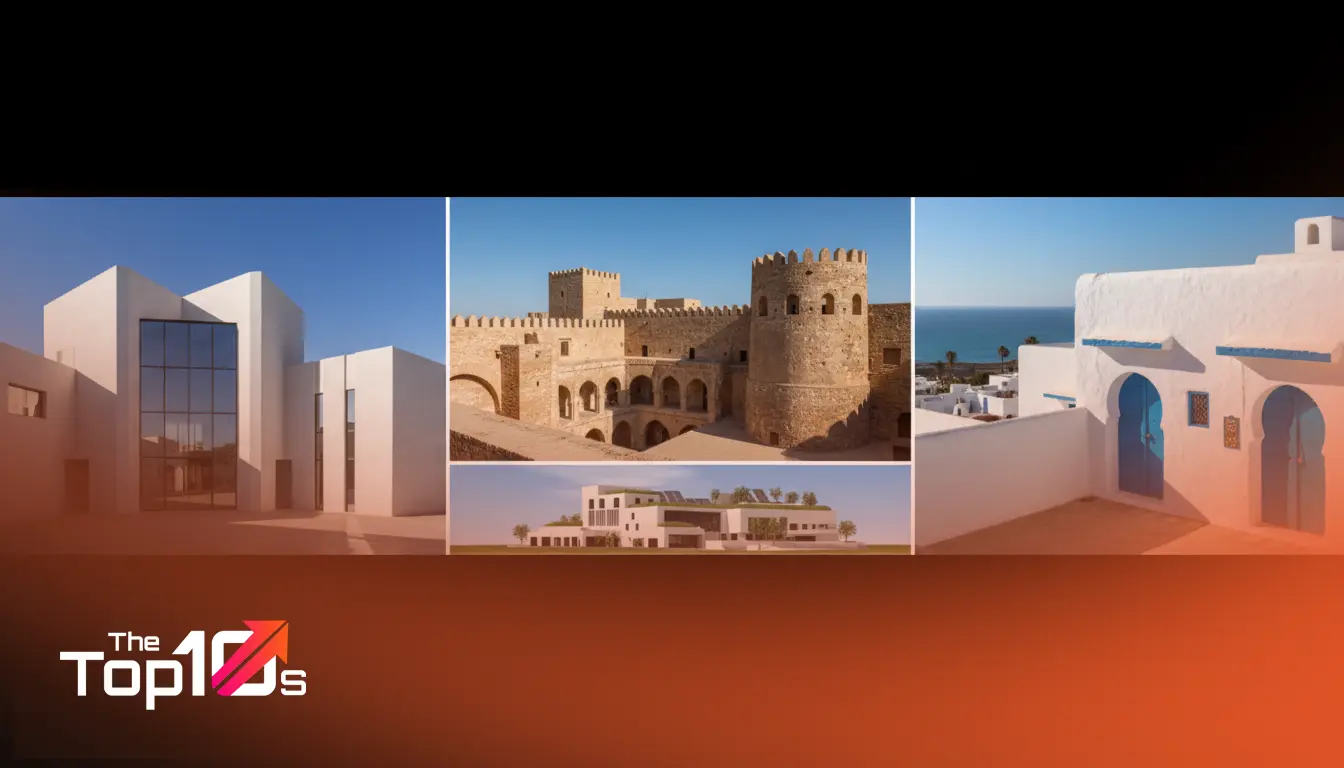
You’re standing on a plot of land in Carthage, or maybe looking at an old apartment in downtown Tunis that needs a complete overhaul. The vision is there. You can see the light hitting the living room floor, the texture of the stone façade, and the open-concept kitchen where your family will gather. But turning that mental image into brick, mortar, and concrete? That’s where the anxiety usually sets in.
Tunisia offers a unique architectural challenge. We aren’t just talking about pouring concrete; it’s about balancing a rich heritage—from Roman ruins to Arab-Andalusian influences—with the sleek demands of modern living. You need someone who understands how the Mediterranean sun moves across a building, how to navigate the sometimes-tricky local municipal regulations, and how to keep a budget from spiraling out of control.
Finding the right partner for this is arguably the most critical step in your construction project. It’s not just about drawing pretty lines; it’s about problem-solving. Whether you are planning a luxury villa in La Marsa, a sustainable eco-lodge in the south, or a commercial complex in Sfax, the professional you choose dictates the success of your investment.
Quick Takeaways: What You Need to Know
- Regulation Matters: Ensure your architect is registered with the Ordre des Architectes de Tunisie (OAT).
- Climate is Key: The best local designs prioritize passive cooling and natural ventilation.
- Specialization Variance: Some firms excel in high-end residential, while others focus strictly on corporate or industrial work.
- Budget Transparency: Discuss fee structures (percentage vs. flat fee) immediately to avoid surprises later.
How We Identified Leading Architects
Picking a “top” list in a subjective field like design is tricky. Art is personal, right? However, competence is objective. To curate this selection of experienced architectural professionals in Tunisia, we looked beyond flashy Instagram renders.
Our methodology focused on substance. We analyzed portfolios for build quality and functional longevity—do their buildings still look good five years after construction? We looked for diverse experience, checking if these professionals could handle complex site constraints. We also considered their standing within the local construction community. Reputation among contractors often tells you more than client testimonials; if a builder respects an architect’s drawings, you know the technical details are solid.
We also prioritized adaptability. The construction sector in North Africa is evolving rapidly. The names on this list represent a mix of established veterans who know the system inside out and younger, design-forward studios pushing the boundaries of what Tunisian architecture can look like.
List of 10 Best Architects in Tunisia
| Name | Best For |
|---|---|
| Achraf Bahri (A.C.A) | High-end modern villas and clients who want a hands-on approach to design management. |
| Ark-Architecture (Karim Chaabane) | Commercial developers and large-scale residential projects requiring rigorous project management. |
| Galerie Architecture (Anis Souissi) | Creative homeowners looking for unique, artistic residential concepts. |
| TAS Design (Tarek Ben Miled) | Cultural projects and private residences that blend tradition with modern comfort. |
| Agora Architecture | Minimalist residential builds and efficient office interior fit-outs. |
| The View Architecture | Luxury vacation homes and coastal properties. |
| Hela Letaief Architects | Eco-conscious clients and renovation projects. |
| Derouiche Architecture | Industrial facilities, showrooms, and corporate architecture. |
| Chaima Ben Amara | Bespoke interiors and personalized residential design. |
| Zied Jamoussi Architects | Timeless residential villas and navigating complex urban permits. |
Top 10 Architects in Tunisia
Here are ten professionals and firms shaping the built environment across the country, each bringing a distinct flavor to residential and commercial projects.
1. Achraf Bahri (A.C.A)
If you have driven through the upscale neighborhoods of Tunis, you have likely seen Achraf Bahri’s influence without realizing it. His approach often involves a rigorous command of geometry. He doesn’t just design rooms; he sculpts space. His work tends to favor clean, modernist lines that still feel warm rather than clinical.
Bahri is particularly noted for his ability to maximize natural light, a crucial element in our climate. Rather than fighting the sun, his designs invite it in through carefully calculated openings that create dynamic shadow play throughout the day. His firm handles everything from initial sketching to the final handover, maintaining a high level of quality control.
Best For: High-end modern villas and clients who want a hands-on approach to design management.
2. Ark-Architecture (Karim Chaabane)
Karim Chaabane and his team at Ark-Architecture have established a reputation for handling scale. While they do excellent residential work, their portfolio shines when the project gets complex. Think corporate headquarters, luxury apartment complexes, and retail spaces that require a deep understanding of foot traffic and user flow.
What stands out about this firm is their technical precision. They are known for producing extremely detailed documentation, which minimizes errors once the shovels hit the ground. Their aesthetic often blends contemporary materials like glass and steel with local stone, grounding modern structures in their Tunisian context.
Best For: Commercial developers and large-scale residential projects requiring rigorous project management.
3. Galerie Architecture (Anis Souissi)
Anis Souissi approaches architecture with an artist’s eye. His work with Galerie Architecture often challenges the standard “box” shape of residential housing. He isn’t afraid to play with volume and void, creating homes that feel expansive even on smaller urban plots.
The firm places a heavy emphasis on the interior-exterior connection. In many of their designs, the garden isn’t just an afterthought; it is an extension of the living room. This holistic approach makes them a favorite for homeowners who love entertaining and outdoor living.
Best For: Creative homeowners looking for unique, artistic residential concepts.
4. TAS Design (Tarek Ben Miled)
When you talk about honoring heritage without being stuck in the past, Tarek Ben Miled comes to mind. He is a master of reinterpreting traditional Tunisian architectural elements—like the internal courtyard (patio) or the mashrabiya—for contemporary needs. His work proves that a modern home can still have a soul rooted in history.
His designs often focus on privacy, a traditional cultural value, while ensuring the home feels open and airy on the inside. He uses local materials extensively, which not only looks beautiful but also reduces the carbon footprint of the build.
Best For: Cultural projects and private residences that blend tradition with modern comfort.
5. Agora Architecture
Agora has made waves by focusing on functional minimalism. They strip away the unnecessary, leaving behind pure form and function. This doesn’t mean their buildings are boring; rather, they are incredibly efficient. Every square meter serves a purpose.
This efficiency translates to their project management as well. Agora is frequently cited for delivering projects that adhere strictly to timelines, a rarity in the construction world. Their aesthetic appeals to younger professionals and businesses wanting a sharp, forward-thinking image.
Best For: minimalist residential builds and efficient office interior fit-outs.
6. The View Architecture
As the name suggests, this firm prioritizes site orientation. Whether the plot overlooks the Mediterranean or sits in a dense urban center, The View Architecture designs from the outside in. They spend significant time analyzing the site’s topography and views before a single line is drawn.
Their style leans towards luxury contemporary. Expect large cantilevered sections, floor-to-ceiling glass, and infinity pools that merge with the horizon. They are experts at navigating the engineering challenges that come with these dramatic designs.
Best For: Luxury vacation homes and coastal properties.
7. Hela Letaief Architects
Hela Letaief brings a refreshing perspective on sustainable design. In a region where air conditioning is often overused, her firm looks for passive solutions first. They study wind patterns to create natural cross-ventilation, reducing the long-term energy costs for the owner.
Beyond the eco-friendly aspect, her designs are elegant and understated. She has a strong portfolio of renovation work, taking tired, older structures and breathing new life into them without destroying their original character.
Best For: Eco-conscious clients and renovation projects.
8. Derouiche Architecture
For those looking at industrial or large-scale commercial ventures, Derouiche is a heavyweight. They understand the logistics of big buildings—warehousing, factories, and showrooms. Designing these spaces requires a different mindset; it is about workflow, safety, and durability.
However, they don’t neglect aesthetics. They have managed to make industrial spaces look professional and inviting, helping companies elevate their brand image through their physical infrastructure.
Best For: Industrial facilities, showrooms, and corporate architecture.
9. Chaima Ben Amara
Chaima Ben Amara represents the new wave of Tunisian design. Her work is often experimental, playing with textures and colors that many traditional architects might shy away from. She is particularly skilled at interior architecture, ensuring that the shell of the building and the furniture layout work in perfect harmony.
Her projects often feature bespoke details—custom staircases, unique joinery, or built-in seating—that give a home a truly custom feel. If you want a house that doesn’t look like your neighbor’s, she is a strong candidate.
Best For: Bespoke interiors and personalized residential design.
10. Zied Jamoussi Architects
Zied Jamoussi operates with a philosophy of “timelessness.” He avoids trends that will look dated in five years. Instead, he focuses on proportion and material quality. His buildings often use natural stone, wood, and concrete in their raw states, allowing the materials to age gracefully.
He is also highly knowledgeable about urban planning regulations in major Tunisian cities. This expertise helps smooth out the often frustrating process of obtaining building permits, saving clients significant headaches.
Best For: Timeless residential villas and navigating complex urban permits.
What Defines a Great Architect in Tunisia?
Architecture in North Africa is distinct. You cannot simply copy-paste a glass box from New York and expect it to work in Tunis or Sousse. The heat gain would make it uninhabitable within days. A great architect here understands bioclimatic design.
They know how to orient a building to catch the sea breeze while blocking the harsh midday sun. They understand the thermal mass of local stone and how it keeps interiors cool. If you are looking at regional trends across the Maghreb, you will notice a similar return to these passive cooling techniques. For example, similar strategies are being employed by the top 10 architects in Morocco, who face comparable climatic challenges.
Furthermore, excellence here requires patience and diplomacy. The administrative side of building in Tunisia involves navigating various municipalities, utility companies (STEG/SONEDE), and heritage protection zones. An architect who designs beautiful buildings but cannot get a permit approved is of little use to you. The best professionals act as your advocate, translating your vision into language the bureaucrats will accept.
How to Choose the Right Architect for Your Needs
Hiring an architect is a relationship that can last anywhere from six months to three years. You need to get it right. Here is how to evaluate your options.
Check the Portfolio for Similar Projects
Don’t just look for “pretty.” If you are building a house on a steep slope, ask the architect to show you previous projects built on slopes. If you are opening a restaurant, ask to see their commercial hospitality work. Experience in specific typologies matters.
Understand the Fee Structure
Architects generally charge in one of three ways: a percentage of the total construction cost (usually between 5% and 12%), a fixed lump sum, or an hourly rate. Make sure you understand what is included. Does the fee cover site supervision? Does it include 3D renderings? Ambiguity here is the number one cause of disputes later.
Assess Communication Style
During your first consultation, who is doing the talking? The best architects listen more than they speak. They should be asking about your lifestyle, your morning routine, and how you plan to use the space. If they immediately start imposing their vision without hearing yours, walk away.
Frequently Asked Questions
Do I need an architect for a small renovation in Tunisia?
Legally, for major structural changes or facade modifications, a permit is required, which usually demands an architect’s stamp. For minor interior cosmetic work (painting, tiling), you might not need one, but an interior architect can significantly improve the result.
How much does an architect cost in Tunisia?
Fees vary wildly based on reputation and project scope. For a standard villa, expect to pay between 50 to 120 TND per square meter for the design phase, or a percentage of the total build cost (typically 5-10%). Always get this in writing.
What is the difference between an architect and a civil engineer?
The architect designs the layout, aesthetics, and functionality of the space. The civil engineer ensures the structure stands up (calculating beams, columns, and foundations). In Tunisia, you generally need both for a new build.
Can an architect help me find a contractor?
Yes. Experienced architects have a shortlist of reliable contractors they trust. Using a contractor recommended by your architect can often lead to a smoother project since they already have a working relationship.
How long does the design process take?
For a custom home, expect the design and permitting phase to take anywhere from 3 to 6 months before construction begins. Rushing this phase often leads to expensive changes during construction.
Conclusion
Building a property is likely one of the biggest financial commitments you will make. It’s exciting, but the stakes are high. The architects listed above represent the best of Tunisian design talent—professionals who combine artistic vision with the technical know-how to get things built.
Don’t rush the selection process. Meet with two or three of these professionals. Look at their past work, but more importantly, gauge how well they understand your specific needs. The right architect doesn’t just design a building for you; they guide you through the chaos of construction to deliver a space that enhances your life. Take your time, do your research, and build something lasting.
For more information on regulations and registered professionals, you can consult the Ordre des Architectes de Tunisie (OAT) or browse global design trends on platforms like ArchDaily.