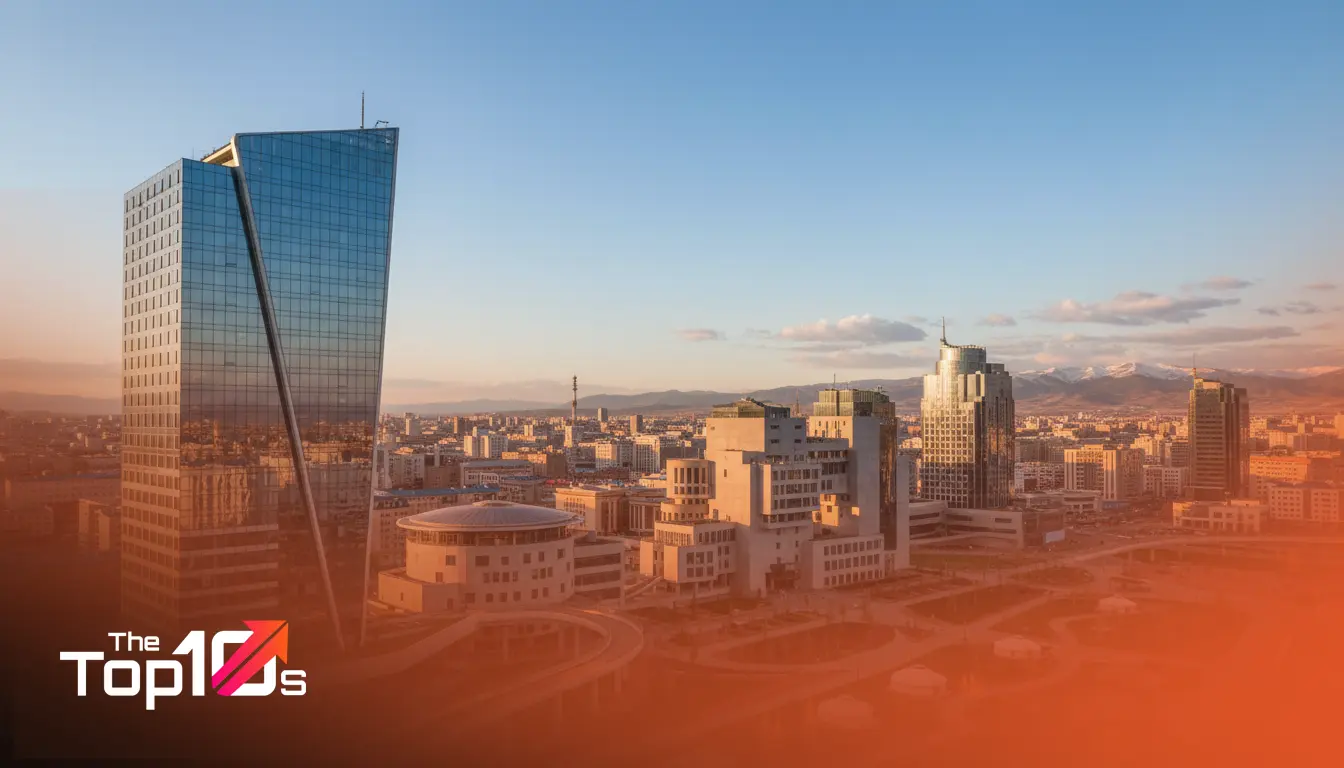
Building in the coldest capital city on Earth requires more than just a good eye for aesthetics. It demands a rigorous understanding of thermal dynamics, seismic activity, and the unique cultural intersection of nomadic heritage and rapid urbanization. When you are looking to construct a home, a commercial tower, or a public space in Ulaanbaatar, the stakes are incredibly high. A design flaw here isn’t just an inconvenience; in minus 40-degree weather, it’s a critical failure.
Finding the right partner for your project can feel overwhelming given the construction boom Mongolia has experienced over the last decade. You need someone who balances modern design trends with the brutal realities of the local climate. This guide cuts through the noise to highlight professionals who are shaping the skyline and defining the future of Mongolian living.
Quick Takeaways
- Climate First: The best architects in Ulaanbaatar prioritize thermal efficiency and insulation above pure aesthetics.
- Seasonality Matters: The construction season is short (May to October); experienced professionals plan extensively during winter.
- Regulatory Nuance: Local zoning and seismic codes change frequently; you need an architect with current, proven legal knowledge.
- Diverse Styles: The market offers everything from Soviet-revival retrofitting to ultra-modern minimalist glass structures.
How We Identified Leading Architects
Selecting a design professional is a subjective process, but we grounded our research in tangible indicators of quality and reliability. We didn’t just look for pretty renderings. Instead, we analyzed the market presence and track records of various firms and independent practitioners operating within the capital.
Our evaluation criteria focused on:
- Portfolio Diversity: We looked for professionals who have successfully delivered projects across different sectors, from high-end residential apartments to complex commercial spaces.
- Technical Competence: Given Ulaanbaatar’s seismic zone status and extreme temperatures, technical expertise in structural integrity and energy efficiency was paramount.
- Local Reputation: We considered feedback trends and standing within the Mongolian construction community.
- Longevity: Firms that have navigated the economic cycles of the Mongolian real estate market demonstrate resilience and reliable management.
The following list represents experienced architectural professionals in Ulaanbaatar who demonstrate these core competencies.
List of 10 Best Architects in Ulaanbaatar
| Name | Best For |
|---|---|
| NAP Group | Large-scale Commercial & Urban Planning |
| Gana Architects | Modern Residential & Boutique Commercial |
| Tangent Design | Interior Architecture & Hospitality |
| Kumo Studio | Minimalist Design & Sustainable Living |
| Baldan Studio | Cultural & Public Projects |
| Mon-Ar LLC | Industrial & Engineering-Led Architecture |
| Premier Engineering | High-Rise Residential |
| Urban Dynamics | Landscape Architecture & Public Realms |
| Sigma Design Group | Corporate Interiors & Office Retrofits |
| Nomad Green Architecture | Experimental & Off-Grid Solutions |
Top 10 Architects In Ulaanbaatar
1. NAP Group
Specialization: Large-scale Commercial & Urban Planning
If you have walked through downtown Ulaanbaatar, you have likely seen a structure designed by NAP Group. They represent one of the most established architectural entities in the country. Their approach often blends monumental scale with functional modernism, making them a go-to for major corporate headquarters and mixed-use developments.
They bring decades of experience to the table, which translates to a smooth navigation of city permits and engineering challenges. Their strength lies in managing complex, high-stakes projects where logistical failure is not an option. This firm is best suited for developers or corporations looking for a flagship building.
2. Gana Architects
Specialization: Modern Residential & Boutique Commercial
Gana Architects has carved out a niche for sleek, contemporary designs that wouldn’t look out of place in Tokyo or Berlin, yet are engineered for Mongolia. Their work frequently utilizes clean lines and innovative material choices that break away from the traditional concrete-heavy aesthetic of the older districts.
Homeowners seeking a custom villa or a luxury apartment interior often gravitate toward this team. They excel at maximizing natural light—a precious commodity during the long Mongolian winters—while ensuring high thermal performance.
3. Tangent Design
Specialization: Interior Architecture & Hospitality
While the exterior shell keeps you warm, the interior defines your daily experience. Tangent Design focuses heavily on the user experience within the space. They are particularly renowned for their work in the hospitality sector, creating restaurants and hotels that feel warm, inviting, and culturally resonant.
Their strength is in the details. From lighting fixtures to flow patterns, they understand how people move through a space. If you are fitting out a high-end retail space or a boutique hotel, their understanding of atmosphere is difficult to match.
4. Kumo Studio
Specialization: Minimalist Design & Sustainable Living
Kumo brings a fresh perspective to the best architects in Ulaanbaatar list by focusing on minimalism and eco-consciousness. They challenge the notion that cold-climate architecture must be bulky. Instead, they use smart spatial planning to create homes that feel expansive despite smaller footprints.
This studio is an excellent match for younger homeowners or eco-conscious developers who want to reduce their carbon footprint without sacrificing style. Their designs often incorporate passive solar heating principles.
5. Baldan Studio
Specialization: Cultural & Public Projects
There is a growing movement to reintegrate Mongolian heritage into modern structures, and Baldan Studio is at the forefront of this conversation. Their designs often subtly reference the geometry of the Ger or traditional motifs without becoming kitschy or derivative.
They are particularly strong in public sector work and cultural centers. If your project involves community engagement or requires a design that speaks to the national identity, this team offers the necessary sensitivity and historical knowledge.
6. Mon-Ar LLC
Specialization: Industrial & Engineering-Led Architecture
Sometimes, function must dictate form absolutely. Mon-Ar brings a heavy engineering background to their architectural practice. They are frequently involved in industrial facilities, warehouses, and logistical centers where span, load-bearing capacity, and operational efficiency are the only metrics that matter.
They are the pragmatic choice for business owners expanding their operational capabilities. You won’t get frivolous ornamentation here; you get robust, durable structures built to survive the elements.
7. Premier Engineering
Specialization: High-Rise Residential
As Ulaanbaatar grows vertically, Premier Engineering has adapted to meet the demand for high-density living. They specialize in multi-family housing units that balance density with livability. Designing a tower that remains efficient during a heating crisis is no small feat, and their track record suggests they understand these technical constraints well.
Interesting parallels in high-density urban design can be seen across Asia. For instance, looking at how professionals handle verticality in other constrained cities can offer perspective. You might find the comparison to the Top 10 Architects in Taipei fascinating regarding how different climates tackle similar density issues.
8. Urban Dynamics
Specialization: Landscape Architecture & Public Realms
Architecture isn’t just about buildings; it’s about the space between them. Urban Dynamics focuses on how structures interact with the street. They are vital for projects requiring plazas, parks, or large exterior landscaping—a challenging task in a city with a distinct lack of green space and a harsh growing season.
Developers looking to create a “lifestyle” destination rather than just a building often consult with this group to ensure the exterior amenities are usable for as many months of the year as possible.
9. Sigma Design Group
Specialization: Corporate Interiors & Office Retrofits
With a surplus of older building stock in the city, retrofitting is a major industry. Sigma excels at taking tired, Soviet-era office floors and transforming them into Grade-A workspaces. They understand the limitations of existing infrastructure and how to modernize HVAC and electrical systems without destroying the budget.
This is the practical choice for businesses moving into existing premises that need a complete brand overhaul and functional upgrade.
10. Nomad Green Architecture
Specialization: Experimental & Off-Grid Solutions
Rounding out our list is a more niche, forward-thinking collective. Nomad Green focuses on solutions for the Ger districts and off-grid tourism camps. They experiment with new insulation materials and sanitation solutions that don’t rely on central infrastructure.
While perhaps not the choice for a downtown skyscraper, they are the trusted architects near Ulaanbaatar for tourism developers and NGOs looking to solve housing challenges in the peri-urban areas.
What Defines a Great Architect in Ulaanbaatar?
The criteria for excellence in Mongolia differ significantly from milder climates. A portfolio that looks stunning in Singapore might be a disaster in Ulaanbaatar. Here is what separates the elite from the average.
Mastery of Thermal Envelopes
In a city where winter temperatures drop below -30°C (-22°F) for weeks at a time, the “skin” of the building is its most critical component. Top architects understand R-values, thermal bridging, and triple-glazing technology implicitly. They design buildings that retain heat, reducing the massive energy costs associated with Mongolian winters.
Seismic Awareness
Ulaanbaatar sits in an active seismic zone. Great architects do not view structural engineering as an afterthought; they integrate seismic resilience into the aesthetic design. They know how to balance the rigidity required for stability with the flexibility needed during a tremor.
Supply Chain Realism
Mongolia is a landlocked nation, and many building materials must be imported. A great architect understands the logistics of the region. They specify materials that are actually available or can be sourced without stalling the project for six months. They design with local availability in mind to keep timelines realistic.
How to Choose the Right Architect for Your Needs
Hiring a design professional is a recruitment process. You are trusting someone with a significant portion of your capital. Here is how to vet potential candidates effectively.
1. Ask About Winter Performance
Don’t just ask “What will it look like?” Ask, “How will this perform in January?” Request examples of previous projects and, if possible, speak to the owners about their heating bills. This is the truest test of an architect’s competence in UB.
2. Verify Licensing and Permitting Experience
The regulatory environment in Ulaanbaatar can be bureaucratic and fluid. You need a partner who has current relationships with the city planning department and understands the latest zoning changes. For valid verification, you can check with the Mongolian Union of Architects to confirm professional standing.
3. Review Their Construction Administration
Design is only half the battle. Ask how involved they are during the build phase. In Mongolia, where construction crews vary in skill level, having an architect who regularly visits the site to ensure quality control is non-negotiable.
4. Match the Portfolio to Your Scope
Avoid hiring a firm famous for commercial towers to design your single-family home. The fee structures, attention to detail, and project management styles are vastly different. Choose a specialist who cares about your specific project type.
Frequently Asked Questions
How much do architects charge in Ulaanbaatar?
Fees vary wildly based on reputation and scope. Generally, firms charge a percentage of the total construction cost (often between 3% and 10%) or a fixed fee per square meter. Be wary of quotes that seem too low; they often exclude engineering drawings or site supervision, which you will have to pay for separately later.
Can construction happen year-round in Mongolia?
Outdoor structural work usually halts between November and March due to the freezing temperatures affecting concrete curing. However, interior work continues. Smart architects use the winter months for planning, permitting, and design so that breaking ground happens the moment the ground thaws in spring.
Do I need a local architect if I have foreign plans?
Yes. Even if you buy a design from abroad, you legally need a licensed Mongolian architect to “localize” the drawings. They must adapt the plans to meet Mongolian building codes (norms and regulations), seismic standards, and climate requirements to get a building permit.
What is the biggest mistake people make when building in UB?
Underestimating the heating requirements and the cost of utility connections. Many developers spend their budget on high-end finishes but skimp on insulation or windows, leading to uncomfortable buildings with astronomical running costs. Prioritize the shell of the building first.
Are sustainable “green” buildings possible in such a cold climate?
Absolutely. In fact, sustainability is more effective here than anywhere else. High-performance insulation, passive solar orientation (facing south to capture the sun), and air-tight construction are all “green” principles that result in immediate comfort and savings in Ulaanbaatar.
Final Thoughts on Building in Ulaanbaatar
Constructing a property in Ulaanbaatar is an ambitious undertaking that rewards preparation and respects the environment. The architects listed above represent a mix of technical precision, artistic vision, and local survival instincts. Whether you are looking to build a corporate legacy or a family sanctuary, the talent exists locally to make it happen.
Your next step should be to create a shortlist of three professionals who align with your aesthetic and budget. Schedule consultations, visit their completed sites during the cold season, and choose the partner who speaks the language of efficiency as fluently as the language of design. Good luck with your project.