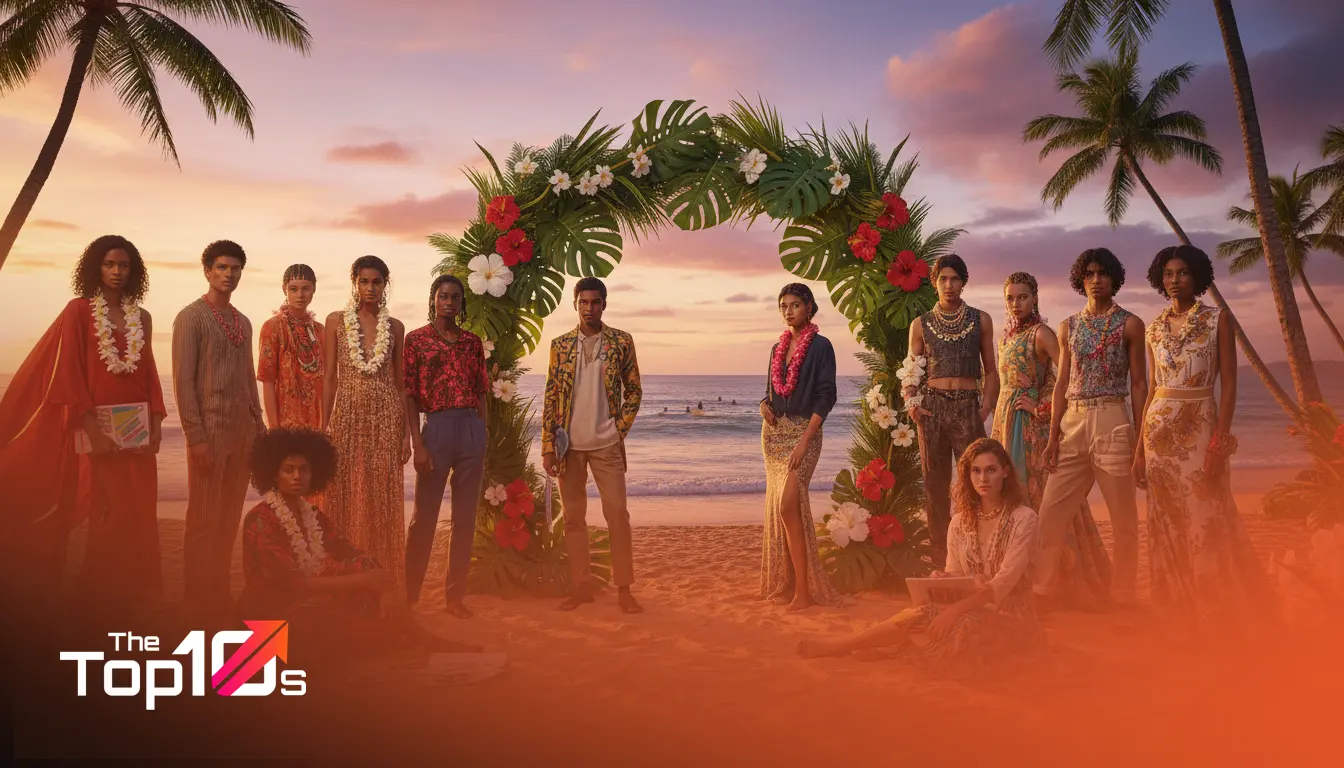
Think about the last time someone mentioned “Hawaiian fashion.” Did your mind immediately drift to neon-bright, ill-fitting tourist shirts found in a souvenir shop? If so, you’re missing out on one of the most sophisticated, culturally rich design movements in the world right now. The fashion scene in the islands has evolved far beyond kitschy resort wear.
Hawaii is home to a design community that masterfully blends indigenous history, Asian influence, and modern streetwear sensibilities. These aren’t just clothes; they are stories woven into textiles that can handle the humidity while looking runway-ready. Whether you are looking for a couture gown for a gala in Honolulu or a tailored aloha shirt that commands respect in a boardroom, the talent here is staggering.
Quick Takeaways: Hawaii Fashion Scene
- Cultural storytelling is key: The best designers often incorporate moʻolelo (stories) and native motifs into their prints.
- Fabric matters: Breathability is non-negotiable. Look for high-quality rayons, cotton lawns, and linens.
- Versatility rules: Many local designs are created to transition seamlessly from “pau hana” (after work) drinks to formal weddings.
- Modern fit: Contemporary designers have ditched the boxy cuts of the past for tailored, flattering silhouettes.
Finding the right creative partner or brand isn’t always easy with so much noise in the marketplace. You want someone who respects the tradition but isn’t afraid to push the envelope. This guide cuts through the clutter to highlight the visionaries shaping the Pacific’s style identity.
How We Identified Leading Fashion Designers
Selecting the top talent in a region as diverse as Hawaii requires looking past the window displays in Waikiki. Our evaluation process focuses on the substance behind the label. We didn’t just look for who has the most Instagram followers; we looked for consistency in craftsmanship and clarity of vision.
We analyzed these creatives based on their ability to marry form and function. In a tropical climate, a beautiful design is useless if it’s uncomfortable. We also examined their standing within the local community. Are they respected by their peers? Do they source materials ethically? Do their collections show growth over time?
The names on this list represent a mix of established legends who defined the “Aloha Friday” aesthetic and emerging heavyweights who are redefining what island fashion looks like on a global stage. This assessment relies on public portfolio reviews, consumer sentiment analysis, and the longevity of their design influence.
List of 10 Best Fashion Designers in Hawaii
| SNO | Name | Best For |
|---|---|---|
| 1 | Manaola Yap (MANAOLA) | Individuals seeking luxury cultural statement pieces that honor Hawaiian heritage. |
| 2 | Kini Zamora | Fashion-forward clients who want structured, edgy garments with a perfect fit. |
| 3 | Ari South | Women looking for versatile, bold statement pieces that prioritize comfort and confidence. |
| 4 | Sig Zane | Those who value deep cultural authenticity, native plant motifs, and timeless aloha wear. |
| 5 | Anne Namba | Collectors of wearable art and women who appreciate the fusion of Japanese heritage with modern cuts. |
| 6 | Roberta Oaks | Men and women who want a tailored, retro-modern look that fits a cosmopolitan lifestyle. |
| 7 | Matt Bruening | The minimalist who loves streetwear influences and versatile, day-to-night resort wear. |
| 8 | Rumi Murakami | Fans of architectural minimalism and sustainable, slow-fashion practices. |
| 9 | Jana Lam | Lovers of bold colors, hand-printed textiles, and whimsical, artistic designs. |
| 10 | Amos Kotomori | Mens seeking sophisticated, artistic shirts that break away from traditional aloha print patterns. |
Top 10 Fashion Designers in Hawaii
These ten individuals and design houses represent the pinnacle of style in the islands. Each brings a distinct perspective, ranging from high-concept couture to wearable art.
1. Manaola Yap (MANAOLA)
If you are talking about indigenous luxury, the conversation starts with Manaola Yap. He hasn’t just designed clothes; he has created a movement that translates Hawaiian spirituality into tangible fashion. A hula practitioner by trade, Yap uses the ancient art of ʻohe kāpala (bamboo stamping) to create geometric prints that carry deep ancestral meaning.
His work is distinct because of its intentionality. Every repeating pattern tells a story of nature, gods, or genealogy. He specializes in high-end resort wear and formal attire that feels regally Hawaiian without being a costume. His silhouettes are often fluid, draping the body in a way that mimics the movement of hula.
Best For: Individuals seeking luxury cultural statement pieces that honor Hawaiian heritage.
2. Kini Zamora
Many know Kini Zamora from his success on Project Runway, but his impact on the local scene goes much deeper than reality TV. Zamora possesses a technical prowess that is rare. He understands structure and tailoring in a way that allows him to manipulate fabric into edgy, architectural shapes while maintaining wearability.
His aesthetic often blends the grit of urban streetwear with the polish of high fashion. Whether he is designing a structured peplum top or a sharp menswear jacket, the fit is impeccable. Zamora is not afraid of darker color palettes or heavier textures, offering a moody, sophisticated alternative to the typical bright tropical prints.
Best For: Fashion-forward clients who want structured, edgy garments with a perfect fit.
3. Ari South
Ari South brings a vibrant, fluid energy to the Hawaii design landscape. Another Project Runway alumna, she has carved out a niche for designs that celebrate movement and inclusivity. Her collections often feature bold, large-scale prints that demand attention, yet the cuts are incredibly forgiving and comfortable.
South’s philosophy centers on the idea that fashion should empower the wearer. You will frequently see her using jersey knits and soft fabrics that travel well and adapt to different body types. Her work bridges the gap between casual island living and elevated evening wear, often within the same garment depending on how it’s styled.
Best For: Women looking for versatile, bold statement pieces that prioritize comfort and confidence.
4. Sig Zane
To list top designers in Hawaii without mentioning Sig Zane would be a glaring oversight. Based in Hilo, Zane is less of a “fashion designer” in the trend-chasing sense and more of a cultural historian working with fabric. For decades, his designs have set the standard for the modern Aloha shirt and dress.
His approach is deeply rooted in botany and geography. The plant life of the islands—specifically native species—forms the basis of his hand-cut art. Wearing a Sig Zane piece is a signal of local knowledge and respect. It is the uniform of choice for many local leaders and cultural practitioners because it represents authenticity above all else.
Best For: Those who value deep cultural authenticity, native plant motifs, and timeless aloha wear.
5. Anne Namba
Anne Namba has mastered the art of East-meets-West. She is renowned for taking vintage Japanese kimonos and obis and repurposing them into contemporary clothing. Her ability to salvage these exquisite, often antique silks and turn them into wearable modern art is unmatched.
Her designs are not mass-produced. Because she often works with limited vintage textiles, many of her pieces are one-of-a-kind. Namba’s aesthetic is elegant and dramatic, often favoring asymmetrical cuts that highlight the unique patterns of the kimono fabric. She appeals to a demographic that appreciates texture, history, and exclusivity.
Best For: Collectors of wearable art and women who appreciate the fusion of Japanese heritage with modern cuts.
6. Roberta Oaks
Roberta Oaks single-handedly dusted off the “Aloha Shirt” image and made it cool for a younger, style-conscious generation. When she hit the scene, aloha wear was largely considered something for uncles or tourists. She introduced a slim, tailored fit and retro-inspired prints that felt fresh and mid-century modern.
Her design ethos is “modern retro.” She uses high-quality cottons and rayons that breathe well but hold their shape. The Roberta Oaks look is distinct: sharp collars, cuffed sleeves, and prints that are nostalgic without being dated. She has captured the essence of 1960s Honolulu cool.
Best For: Men and women who want a tailored, retro-modern look that fits a cosmopolitan lifestyle.
7. Matt Bruening
Matt Bruening captures the “resort street” vibe better than almost anyone. His designs are the definition of effortless cool. He understands the lifestyle of the modern islander—someone who might go from a surf check to a client meeting to dinner in Chinatown.
His womenswear often features clean lines, high slits, and solid colors or minimalist prints. It is stripped back and raw, focusing on how the fabric hangs on the body. Bruening also has a strong grasp of branding, creating a look that feels international while remaining rooted in the islands. It’s casual, but intentionally so.
Best For: The minimalist who loves streetwear influences and versatile, day-to-night resort wear.
8. Rumi Murakami
In a world of fast fashion, Rumi Murakami presses the pause button. Her design philosophy revolves around “slow fashion”—creating pieces that are meant to last for years, not weeks. Her aesthetic is heavily influenced by her Japanese heritage, favoring clean lines, neutral palettes, and oversized, comfortable silhouettes.
Murakami pays obsessive attention to the details that you might not notice at first glance: French seams, hidden pockets, and perfect hems. She works primarily with natural fibers like linen and cotton, making her clothes ideal for the tropical climate. Her work is quiet, intellectual, and incredibly chic.
Best For: Fans of architectural minimalism and sustainable, slow-fashion practices.
9. Jana Lam
If you need a dopamine hit, look at Jana Lam’s designs. While she is heavily focused on textiles and accessories, her foray into apparel brings the same explosion of color and joy. Based in Kakaʻako, Lam is a master of screen printing. She draws, burns the screens, and mixes the inks by hand.
Her style is unmistakable: bright, whimsical, and full of movement. She takes inspiration from the flora of the islands—sea urchins, banana leaves, pineapples—and renders them in neon pinks, teals, and golds. Her clothing is for the person who wants to be seen and who views fashion as a source of fun.
Best For: Lovers of bold colors, hand-printed textiles, and whimsical, artistic designs.
10. Amos Kotomori
Amos Kotomori is a veteran in the creative scene, having worked in advertising and set design before focusing on his menswear line. He treats the shirt as a canvas. His designs are arguably some of the most artistic men’s shirts available, often featuring large, painterly washes of color rather than repetitive small patterns.
He focuses on limited runs using premium fabrics that drape elegantly. A Kotomori shirt is often a conversation starter because it looks more like a watercolor painting than a piece of clothing. His work appeals to the man who is confident enough to wear art and values sophistication over trends.
Best For: Men seeking sophisticated, artistic shirts that break away from traditional aloha print patterns.
What Defines a Great Fashion Designer in Hawaii?
Designing in Hawaii presents a unique set of challenges and opportunities that don’t exist in Paris or New York. A truly great designer here understands the “Mana” (power/spirit) of the garment. It is not enough to just look good; the clothing must respect the environment it inhabits.
Climate Competence
The humidity in the islands is the ultimate editor. You cannot design with heavy polyesters or thick wools and expect people to wear them. Top designers here are masters of fabric selection. They prioritize breathability and moisture-wicking properties without sacrificing luxury. They know how a fabric behaves when the trade winds blow or when the midday sun hits.
Cultural Sensitivity vs. Appropriation
There is a fine line between honoring a culture and exploiting it. The designers listed above navigate this with grace. They understand the history of the motifs they use. When they use a Polynesian tattoo pattern or a native flower, it is usually done with research and permission, or through their own lineage. This authenticity resonates with buyers who are becoming increasingly conscious of the origins of their clothes.
The “Aloha” Context
In many places, “formal” means a suit and tie. In Hawaii, a high-quality Aloha shirt is formal wear. A great local designer understands this social code. They create garments that fit the specific social hierarchy of the islands, where a well-made shirt is acceptable at a wedding, a funeral, or a government ceremony.
This regional specificity is fascinating to observe across the United States. For example, while Hawaiian designers focus on tropical breathability, you might see a completely different set of priorities regarding textiles and layering when looking at the top 10 fashion designers in Georgia. Yet, the commitment to local identity remains a shared thread.
How to Choose the Right Fashion Designer for Your Needs
With so much talent available, narrowing down your choice depends on what you are trying to achieve with your wardrobe. Here is a practical framework to help you decide.
Analyze Your Lifestyle
Be honest about where you spend your time. If you are mostly in air-conditioned offices, the structured looks of Kini Zamora or Roberta Oaks are perfect. If you spend your weekends outdoors or at beachside gatherings, the breathable, looser fits of Matt Bruening or Sig Zane will serve you better. Don’t buy a fantasy lifestyle; buy for the life you actually live.
Consider the Occasion
Are you looking for a “daily driver” or a showstopper?
- Daily Wear: Look for designers like Roberta Oaks or Jana Lam who offer durability and washability.
- Gala/Event: Manaola or Anne Namba provide that “red carpet” drama that stands out in a crowd.
- Business: Amos Kotomori or Sig Zane offer credibility and professionalism.
Understand Sizing and Fit
Hawaii has a diverse population, and local designers often cut for real bodies. However, styles vary. “Local” sizing can sometimes run slightly generous to allow for airflow, while designers with a streetwear background might opt for a slimmer, more European cut. always check the size guide, or if you are on the island, visit their brick-and-mortar boutiques to try things on. The drape of a garment tells you more than a measurement chart ever could.
Frequently Asked Questions
Is Hawaiian fashion just Aloha shirts?
Absolutely not. While the Aloha shirt is a staple, the modern Hawaiian fashion scene includes streetwear, avant-garde couture, swimwear, sustainable minimalist wear, and business attire. Designers are constantly reinterpreting island motifs into diverse categories.
Are these designers sustainable?
Many are. Because Hawaii is an island chain with limited resources and a fragile ecosystem, there is a strong cultural push toward sustainability. Designers like Rumi Murakami and others prioritize small-batch production, natural fibers, and waste reduction.
Do these designers ship to the mainland or internationally?
Yes, most of the designers listed have robust e-commerce platforms. Brands like Manaola, Roberta Oaks, and Sig Zane ship globally, allowing you to bring a piece of the islands to your wardrobe regardless of where you live.
Why are some local brands more expensive than what I see at the mall?
You are paying for small-batch manufacturing, higher quality textiles, and fair labor practices. Many of these designers manufacture right in Hawaii or work closely with ethical partners. The price reflects the artistry and the ethical cost of production, which is significantly higher than mass-market fast fashion.
Conclusion
The fashion landscape in Hawaii is vibrant, diverse, and deeply connected to the spirit of the islands. It challenges the stereotype of the “tacky tourist” and replaces it with a narrative of sophistication, history, and innovation. Choosing a garment from one of these top designers is an investment in quality and a nod to a culture that values beauty and storytelling.
Whether you are drawn to the ancestral patterns of Manaola, the retro-cool of Roberta Oaks, or the architectural precision of Kini Zamora, there is something here for every aesthetic. Next time you are looking to refresh your wardrobe, look beyond the big box stores. Explore these local creatives. You won’t just be buying clothes; you’ll be wearing a piece of the Pacific.