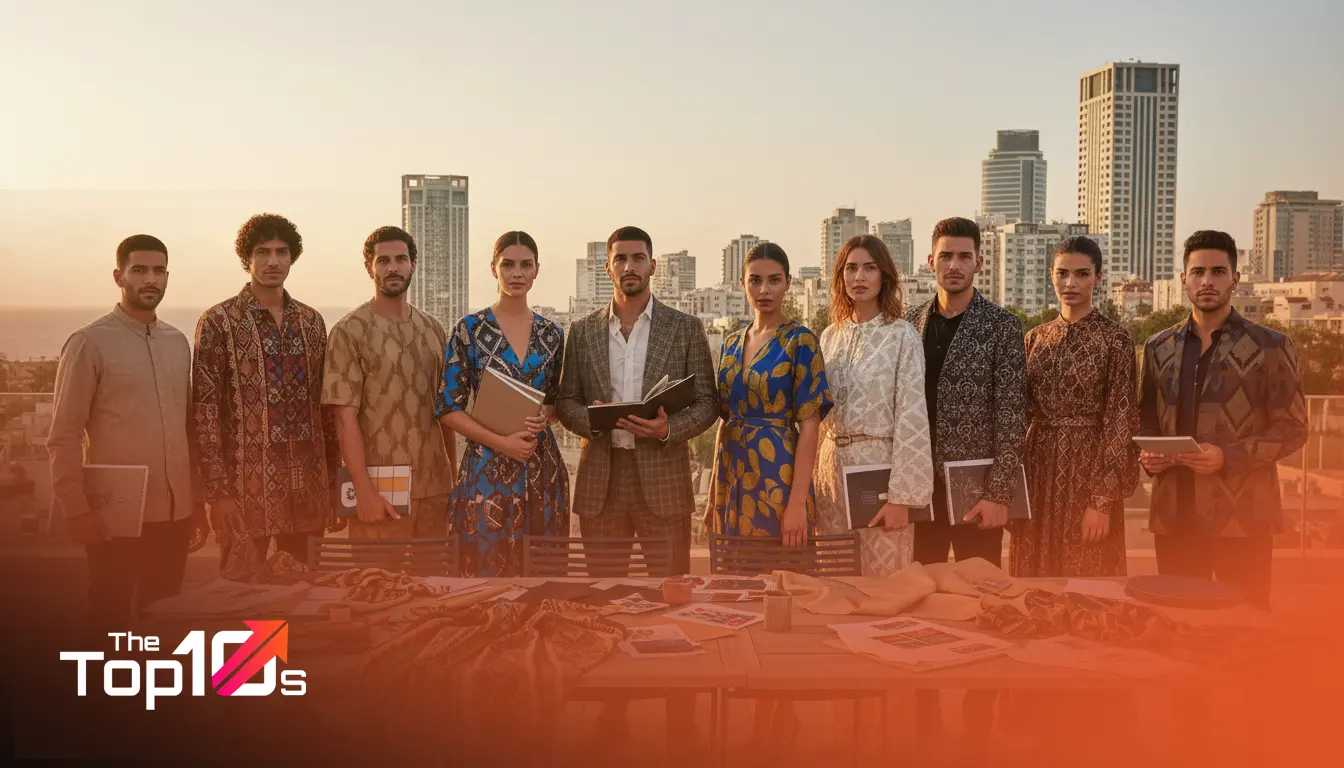
Quick Takeaways: The Israeli Design Scene
- Bridal Dominance: Israel is arguably the world capital for sensual, intricate bridal couture.
- East Meets West: Designs often blend European tailoring techniques with Middle Eastern textiles and effortless Mediterranean silhouettes.
- Innovation Hub: Expect high-tech fabric treatments alongside traditional embroidery.
- Tel Aviv Style: The aesthetic leans towards “nonchalant luxury”—clothes that look expensive but feel relaxed.
There is a specific energy to Israeli fashion that is hard to pin down until you see it walking down the street. It’s a mix of grit, glamour, and an absolute refusal to sacrifice comfort for style. If you have ever looked at the global bridal market or high-end ready-to-wear, you have likely admired an Israeli design without even realizing it.
For a country geographically small, the output of creative talent is staggering. Tel Aviv has quietly become a powerhouse for design, producing names that dress Hollywood royalty and influence global trends. But this isn’t just about celebrity red carpets. It’s about a unique approach to clothing that considers the heat, the history, and the cosmopolitan nature of the people.
Finding the right designer here involves navigating a mix of ultra-modern streetwear, heritage-revival brands, and some of the most sophisticated evening wear on the planet. Whether you are a buyer looking for the next big label or a fashion lover hunting for a piece that tells a story, the local talent pool offers incredible depth.
How We Identified Leading Fashion Designers
Selecting the top talent in such a saturated creative environment requires looking beyond Instagram follower counts. We analyzed the local industry to find designers who aren’t just making noise, but are making a genuine impact. Our selection process focused on consistency and identity.
We looked for professionals who have established a clear, recognizable design language. These are creators who have mastered their supply chains, whether that means sourcing sustainable cottons or overseeing intricate hand-beading in local ateliers. We also considered longevity and adaptability—how these designers have evolved their collections over recent years to meet changing consumer demands for transparency and quality.
Public reception played a major role. We reviewed feedback regarding fit, fabric quality, and the customer service experience associated with these fashion houses. The goal was to highlight designers who deliver excellence from the initial sketch to the final stitch.
List of 10 Best Fashion Designers in Israel
| SNO | Name | Best For |
|---|---|---|
| 1 | Galia Lahav | The bride who wants to make a bold, glamorous statement and isn’t afraid of a plunging neckline or sheer detailing. |
| 2 | Alon Livné | Those seeking high-drama, futuristic aesthetics that photograph incredibly well. |
| 3 | Maskit (Sharon Tal) | The intellectual shopper who values history, craftsmanship, and timeless pieces over fleeting trends. |
| 4 | Hed Mayner | Fans of conceptual fashion who prioritize silhouette and texture over body-con styles. |
| 5 | Shahar Avnet | Performers, creatives, and anyone wanting a garment that feels like a wearable painting. |
| 6 | Nili Lotan | The modern professional who wants an effortless, cool wardrobe staple. |
| 7 | Ronen Chen | Women who prioritize comfort and clean lines for their daily work and leisure wardrobe. |
| 8 | Dodo Bar Or | The jet-setter looking for standout vacation pieces that transition from beach to dinner. |
| 9 | Inbal Dror | Brides who want to look like a movie star on their wedding day. |
| 10 | Maya Geller | The edgy urbanite who prefers boots over heels and interesting cuts over bright colors. |
Top 10 Fashion Designers in Israel
1. Galia Lahav
Specialization: Luxury Bridal and Evening Couture
If you talk about Israeli fashion on the world stage, the conversation often starts here. Galia Lahav revolutionized the bridal industry by moving away from stiff, traditional gowns toward figure-flattering, sensual silhouettes. Her background in art and teaching shines through in the structural integrity of her garments.
The hallmark of this fashion house is the “illusion back” and intricate lace details that seem to float on the skin. She manages to balance dramatic trains with comfort, understanding that a modern bride wants to move, dance, and breathe. With over three decades of experience, Lahav represents the pinnacle of Tel Aviv’s couture capabilities.
Best Suited For: The bride who wants to make a bold, glamorous statement and isn’t afraid of a plunging neckline or sheer detailing.
2. Alon Livné
Specialization: Avant-Garde Evening Wear and Bridal
Alon Livné is the definition of a fashion prodigy. having trained at Alexander McQueen in London and Roberto Cavalli in Florence, he brought a level of European high-fashion drama back to Tel Aviv. His work is often architectural, featuring sculptural elements that look more like wearable art than standard clothing.
Livné gained massive international traction after dressing icons like Beyoncé and Lady Gaga. His ready-to-wear lines often feature futuristic cutouts and metallic fabrics, while his bridal line softens these edges without losing the modern, edgy appeal. He creates for the woman who views fashion as a form of armor and expression.
Best Suited For: Those seeking high-drama, futuristic aesthetics that photograph incredibly well.
3. Maskit (Sharon Tal)
Specialization: Heritage Luxury and Ready-to-Wear
Maskit is not just a brand; it is a piece of history. Originally founded in 1954 by Ruth Dayan, it was the first fashion house in Israel, employing immigrants to create clothes using traditional embroidery techniques. After closing in the 90s, designer Sharon Tal (who worked at Alexander McQueen) revived the brand, blending its historic roots with modern relevance.
Tal has done a masterful job of preserving the “Desert Coat” and other iconic silhouettes while updating the fabrics for today’s luxury consumer. The designs often feature embroidery that tells a story of the region’s diverse cultures. It is arguably the most authentic representation of “Israeli style”—earthy, textured, and deeply connected to the land.
Best Suited For: The intellectual shopper who values history, craftsmanship, and timeless pieces over fleeting trends.
4. Hed Mayner
Specialization: Oversized Menswear and Unisex
Hed Mayner brings a completely different flavor to this list. Based in Tel Aviv but showing in Paris, Mayner draws heavy inspiration from orthodox Jewish tailoring and military uniforms, repurposing them into fluid, oversized shapes. He won the Karl Lagerfeld Prize at the LVMH Prize hierarchy, which cemented his status globally.
His clothes are about volume and space. He takes rigid fabrics like heavy cotton and wool and manipulates them to drape elegantly around the body. It is a study in protection and comfort, challenging traditional notions of how men’s clothing should fit. While technically menswear, his pieces are frequently adopted by women who love the structured, oversized look.
Best Suited For: Fans of conceptual fashion who prioritize silhouette and texture over body-con styles.
5. Shahar Avnet
Specialization: Art-Fashion and Tulle Creations
Shahar Avnet is a storyteller who uses fabric as her canvas. Her designs are instantly recognizable by their explosion of color, massive tulle volumes, and hand-embroidered text or drawings. There is a sense of joy and whimsy in her work that is rare in the serious world of high fashion.
Avnet often explores themes of love, pain, and femininity. Her garments have been worn by performers worldwide for stage costumes because they move beautifully and catch the light. Despite the volume, the pieces are constructed to be surprisingly light. She represents the new wave of Tel Aviv creatives who blur the lines between fine art and apparel.
Best Suited For: Performers, creatives, and anyone wanting a garment that feels like a wearable painting.
6. Nili Lotan
Specialization: Urban Minimalist Ready-to-Wear
While she operates largely out of New York now, Nili Lotan’s design ethos is fundamentally Israeli. She served in the Israeli Air Force, and you can see that influence in her pragmatic, military-inspired cuts. She is the queen of the “perfect slip dress” and tailored trousers that fit impeccably.
Lotan designs for the woman who is busy and needs a wardrobe that functions from 8 AM to midnight without a change. Her color palette is usually restrained—olives, navies, whites, and blacks. The genius lies in the fabric quality and the cut. It is luxury that doesn’t scream for attention but commands respect.
Best Suited For: The modern professional who wants an effortless, cool wardrobe staple.
7. Ronen Chen
Specialization: Architectural Ready-to-Wear
Ronen Chen is one of the most commercially successful designers in the region, and for good reason. His approach is geometric and architectural, yet entirely wearable. He creates clothes for real women living real lives, focusing on flattering draping and comfortable fabrics.
You won’t find uncomfortable corsetry here. Instead, Chen focuses on knitwear and jersey fabrics that hold their shape. His aesthetic is minimalist but never boring, often playing with asymmetry to create visual interest. He has managed to scale his brand globally while maintaining the boutique feel of his designs.
Best Suited For: Women who prioritize comfort and clean lines for their daily work and leisure wardrobe.
8. Dodo Bar Or
Specialization: Resort Wear and Textiles
Dodo Bar Or burst onto the scene by repurposing the Keffiyeh fabric into high-fashion resort wear, though she has since evolved into a broader exploration of Middle Eastern textiles and patterns. Her designs are synonymous with vacation luxury—think caftans, breezy maxi dresses, and bold geometric prints.
She has a knack for mixing gold hardware and leather with soft cottons and silks. Her clothes have a distinct “Tel Aviv beach at sunset” vibe that appeals to international buyers at retailers like Net-a-Porter. It is bold, confident dressing that nods to the region’s heritage while feeling thoroughly modern.
Best Suited For: The jet-setter looking for standout vacation pieces that transition from beach to dinner.
9. Inbal Dror
Specialization: Glamorous Bridal Couture
Another titan of the bridal world, Inbal Dror brings a red-carpet sensibility to wedding gowns. Her designs are known for being daring—she was one of the first to popularize the “VIP” look in bridal, utilizing sheer corsets and high slits long before they became mainstream.
Dror’s gowns are incredibly detailed, often featuring hand-beading, pearls, and Swarovski crystals. Despite the heavy embellishment, she constructs the gowns to feel lighter than they look. She captures a very specific type of glamour that is apologetically sexy and luxurious.
Best Suited For: Brides who want to look like a movie star on their wedding day.
10. Maya Geller
Specialization: Deconstructed Sophistication
Maya Geller is a favorite among the local “fashion crowd.” Her aesthetic is a bit darker, edgier, and more deconstructed than her peers. She plays with proportions, often lengthening sleeves or creating asymmetric hems that challenge the eye.
Her collections often feature a monochromatic palette, allowing the texture and cut to take center stage. It is the kind of clothing that looks simple from afar but reveals complex patterning up close. Geller designs for the woman who wants to look cool without trying too hard.
Best Suited For: The edgy urbanite who prefers boots over heels and interesting cuts over bright colors.
What Defines a Great Fashion Designer in Israel?
Understanding the Israeli fashion scene requires recognizing the tension between tradition and modernity. A truly great designer here understands the climate. The Middle East is hot and humid for much of the year, so successful designers master the art of breathable luxury. They use natural fibers like high-quality cottons, linens, and silks, but treat them in ways that make them suitable for evening wear.
Furthermore, there is a cultural element of “Chutzpah”—a boldness or audacity. The best designers take risks. They don’t just follow Parisian or Milanese trends; they reinterpret them through a local lens. This might mean mixing a rough, raw hem with exquisite silk, or pairing a military jacket with a lace skirt. If you appreciate the intricate craftsmanship found here, you might see parallels in the region, such as the Top 10 Fashion Designers In Turkey, who also blend heritage with modernity.
Client collaboration is also central. Especially in the bridal sector, the designer is expected to work intimately with the client. The ability to customize and tailor a garment to a specific body type is a baseline expectation, not a luxury add-on.
How to Choose the Right Fashion Designer for Your Needs
Selecting the right creative partner for your wardrobe isn’t just about who is famous. It is about alignment. Here is how to navigate the choice:
Assess the “Wearability” Factor
Are you looking for a piece of art to hang in your closet, or something to wear to a board meeting? Designers like Hed Mayner or Alon Livné lean towards the artistic and avant-garde. For functional, daily luxury, look toward Ronen Chen or Nili Lotan.
Understand Production Timelines
If you are eyeing one of the bridal couturiers like Galia Lahav or Inbal Dror, realize that these are not off-the-rack purchases. These gowns often require 6 to 9 months of lead time and multiple fittings. Always ask about the production schedule before falling in love with a design.
Look for “Made in Israel”
Some designers design locally but manufacture overseas. If supporting the local ecosystem and reducing carbon footprint is important to you, ask where the garments are actually stitched. Brands like Maskit pride themselves on local production.
Define Your Budget
Israeli fashion spans the spectrum. Ready-to-wear designers offer premium pricing similar to contemporary US brands, while the couture houses command prices in the thousands (or tens of thousands) of dollars. Be clear about your ceiling before stepping into the studio.
Frequently Asked Questions
Why is Israel so famous for bridal fashion?
Israel became a bridal hub due to a combination of skilled immigrants bringing European couture techniques and a local culture that celebrates large, lavish weddings. This created a high demand for unique, high-quality gowns, pushing designers to innovate constantly.
Are these designers accessible for international buyers?
Yes, most of the top designers listed have international distribution. Brands like Nili Lotan and Galia Lahav have flagship stores in cities like New York and Los Angeles, and many others retail through major luxury online platforms.
Do Israeli designers offer sustainable options?
Sustainability is a growing focus. Designers like Hed Mayner use natural fabrics and focus on timelessness to reduce waste. Maskit focuses on heritage preservation and local manufacturing, which inherently lowers the carbon footprint compared to fast fashion.
Can I visit these designers’ studios in Tel Aviv?
Many designers have ateliers in Tel Aviv, particularly in the Jaffa area or the fashion district. However, for high-end and couture designers, an appointment is almost always required. It is best to contact them a few weeks prior to your visit.
What is the price range for Israeli couture?
Ready-to-wear pieces from designers like Maya Geller or Ronen Chen generally range from $200 to $800. Couture evening wear and bridal gowns typically start around $4,000 and can go upwards of $15,000 depending on the intricacy of the beadwork and fabric.
Next Steps for Your Wardrobe
Choosing a designer from this region means investing in clothing that has character. Whether you are drawn to the ethereal bridal gowns or the sharp, architectural street style, the key is to research the current collections.
Start by visiting the websites of the designers that resonated with you. Look at their latest lookbooks to see if their current direction matches your personal style. If you are planning a purchase, consider the longevity of the piece—Israeli design is at its best when it blends the trendy with the timeless. Trust your instinct, pay attention to the fabrics, and enjoy the process of discovering a new favorite label.