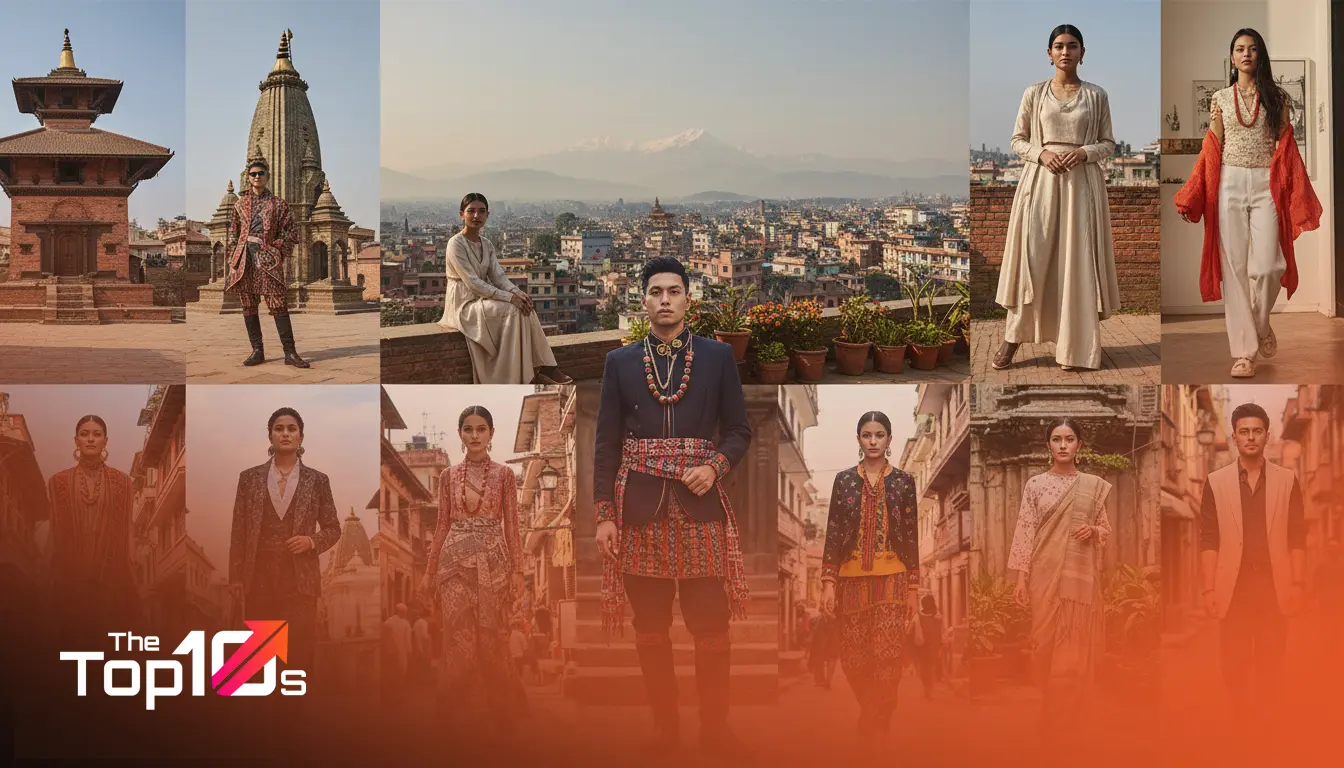
Finding the right person to translate your personal style into fabric and thread isn’t just about shopping; it’s about identity. In Kathmandu, where centuries-old textile traditions meet rapid modernization, the fashion scene is vibrating with energy. You aren’t just looking for someone who can stitch a dress; you need a creative partner who understands the nuance between a traditional velvet cholo and a contemporary evening gown.
Whether you are planning a wedding that demands intricate embroidery or searching for sustainable everyday wear made from Himalayan nettle, the talent pool in Nepal’s capital is deeper than many realize. The challenge often lies in cutting through the noise to find true craftsmanship. Who actually understands draping? Who sources ethical silk? Who can deliver a couture piece on a tight deadline?
We’ve analyzed the local industry to bring you a list of trusted professionals who are shaping the aesthetic of the valley. These creators are defining what it means to dress well in modern Nepal.
Quick Takeaways: The Kathmandu Fashion Scene
- Heritage is King: The best designers often blend traditional fabrics like Dhaka or Allo with modern silhouettes.
- Bridal Dominance: A significant portion of the top talent specializes in bridal couture, given the cultural weight of wedding seasons.
- Customization is Standard: Unlike Western markets heavily focused on ready-to-wear, Kathmandu’s top tier thrives on bespoke, made-to-measure services.
- Sustainability Rising: An increasing number of studios are prioritizing eco-friendly dyes and locally sourced natural fibers.
How We Identified Leading Fashion Designers
Selecting the most capable design professionals requires looking past Instagram follower counts and focusing on tangible indicators of quality. Our evaluation process centered on consistency, creativity, and execution. We looked for designers who have demonstrated longevity in the market or have made a significant, undeniable impact in a short time through unique innovation.
We prioritized professionals who show a deep understanding of textile manipulation—knowing how a fabric breathes, stretches, and falls. Feedback from real clients played a massive role; we looked for patterns in reliability, fit accuracy, and the ability to meet deadlines, which is often a pain point in the custom apparel industry.
Additionally, we considered the distinct “signature” of the designer. Does their work look like everyone else’s, or do they possess a recognizable aesthetic voice? From the runway of TGIF Nepal Fashion Week to private bridal consultations, these are the signals of authority we monitored to curate this selection.
List of 10 Best Fashion Designers in Kathmandu
| SNO | Name | Best For |
|---|---|---|
| 1 | Manish Rai | The bride who wants a fairytale aesthetic or anyone attending a red-carpet event requiring a show-stopping gown. |
| 2 | Mukta Shrestha (Muku) | Professionals and culture enthusiasts who want to wear their heritage without looking dated. |
| 3 | Tenzin Tseten Bhutia | Fashion-forward individuals who appreciate architectural design elements in their clothing. |
| 4 | Astik Sherchan | The modern woman who values comfort just as much as style. |
| 5 | Yubi Thapa | Those looking to make a bold statement and experiment with color. |
| 6 | Subexya Bhadel | The adventurous dresser who wants a unique, hybrid look. |
| 7 | Sama Banu | Brides looking for regal, heavily detailed traditional attire. |
| 8 | Siwangi Pradhan | Socialites and bridesmaids looking for elegant, feminine attire. |
| 9 | Antee Gurung | Clients who need a versatile wardrobe overhaul. |
| 10 | Rasna Shrestha (Mu Ce) | Art lovers and creative professionals. |
Top 10 Fashion Designers in Kathmandu
Here are the creative minds currently setting the standard for apparel design in the capital.
1. Manish Rai
If you have attended a high-profile wedding in Nepal recently, you have likely seen Manish Rai’s work. He has cemented his status as a go-to name for glamour and high-concept evening wear. His studio focuses heavily on intricate detailing, using sequins, beadwork, and flowing silhouettes that create a sense of ethereal movement.
Specialization: Luxury Evening Wear and Bridal Couture
Experience Level: 10+ Years
Best For: The bride who wants a fairytale aesthetic or anyone attending a red-carpet event requiring a show-stopping gown.
2. Mukta Shrestha (Muku)
Mukta Shrestha stands out by taking a different path. Rather than chasing Western trends, she looked inward at Nepal’s rich weaving history. Her brand, Muku, is synonymous with the revitalization of Dhaka fabric. She reimagines this traditional textile, typically used for topis or shawls, into chic, wearable contemporary fashion.
Specialization: Heritage Textiles and Contemporary Ethnic Wear
Notable Strength: Transforming rigid traditional fabrics into soft, wearable modern cuts.
Best For: Professionals and culture enthusiasts who want to wear their heritage without looking dated.
3. Tenzin Tseten Bhutia
There is a distinct sharpness to Tenzin Tseten Bhutia’s work that separates him from the pack. Known for clean lines and a sophisticated understanding of women’s bodies, his designs often feature geometric precision mixed with softness. He isn’t afraid to experiment with structure, making his pieces look as good on a hanger as they do on a person.
Specialization: High Fashion and Structured Gowns
Experience Level: 15+ Years
Best For: Fashion-forward individuals who appreciate architectural design elements in their clothing.
4. Astik Sherchan
Astik Sherchan brings an understated elegance to the Kathmandu fashion landscape. His label reflects a philosophy that luxury doesn’t have to be loud. The focus here is on the finish—the hemline that sits perfectly, the lining that feels like a second skin, and color palettes that are sophisticated rather than jarring.
Specialization: Minimalist Luxury and Ready-to-Wear
Notable Strength: Impeccable tailoring and subtle detailing that exudes class.
Best For: The modern woman who values comfort just as much as style.
5. Yubi Thapa
Energy and vibrance characterize Yubi Thapa’s collections. He frequently showcases bold prints and daring cuts that appeal to a younger, trend-conscious demographic. His work often bridges the gap between what is wearable and what is editorial, making him a favorite for magazine covers and music videos.
Specialization: Trendy Casuals and Party Wear
Experience Level: 8+ Years
Best For: Those looking to make a bold statement and experiment with color.
6. Subexya Bhadel
Subexya Bhadel is a powerhouse when it comes to fusion wear. She understands that the modern Nepali consumer is global but rooted. Her designs often mix Victorian aesthetics with Nepali craftsmanship, resulting in corseted gowns with traditional embroidery or lehengas with pockets and modern crops.
Specialization: Cross-Cultural Fusion Wear
Notable Strength: bold experimentation with textures, like mixing leather with silk.
Best For: The adventurous dresser who wants a unique, hybrid look.
7. Sama Banu
For many, Sama Banu is the first name that comes to mind regarding Muslim bridal wear and modest fashion in Kathmandu, though her talent extends far beyond that niche. Her command over heavy embroidery, particularly Zardosi work, is exceptional. She creates pieces that are heavy on tradition but light on the wearer.
Specialization: Modest Fashion and Heavy Bridal Embroidery
Experience Level: 12+ Years
Best For: Brides looking for regal, heavily detailed traditional attire.
8. Siwangi Pradhan
Siwangi Pradhan’s design language speaks of romance and femininity. Her creations often feature floral motifs, soft pastels, and fluid fabrics like chiffon and georgette. There is a breezy, effortless quality to her work that makes it popular for summer weddings and daytime social events.
Specialization: Romantic Pret and Summer Couture
Notable Strength: Creating garments that feel light and airy while maintaining structure.
Best For: Socialites and bridesmaids looking for elegant, feminine attire.
9. Antee Gurung
Antee Gurung has built a reputation on versatility. Her studio produces everything from smart workwear to elaborate party dresses. What keeps clients coming back is her ability to listen. She adapts her design sensibility to fit the client’s personality, ensuring the clothes don’t wear the person.
Specialization: Customized Casual and Semi-Formal Wear
Experience Level: 10+ Years
Best For: Clients who need a versatile wardrobe overhaul.
10. Rasna Shrestha (Mu Ce)
Rasna Shrestha, through her label Mu Ce, focuses on the artistic side of fashion. Her pieces often feel like wearable art, utilizing hand-painting techniques and unique fabric manipulations. She targets a niche audience that views fashion as a form of self-expression rather than just utility.
Specialization: Artistic Avant-Garde
Notable Strength: Hand-painted details and unconventional silhouettes.
Best For: Art lovers and creative professionals.
What Defines a Great Fashion Designer in Kathmandu?
The Kathmandu market is unique. A great designer here needs more than just sketching skills; they require a deep understanding of the local ecosystem. The most successful professionals master the balance between the “Valley” culture and global Instagram trends.
Material Mastery: Nepal offers unique resources like Himalayan giant nettle (allo), bamboo, and silk. A top-tier designer knows how to source these authentic materials rather than relying solely on imported synthetics. They understand how Dhaka fabric behaves when cut on a bias versus straight grain.
Cultural Intelligence: In Nepal, clothes often serve ritualistic purposes. A designer must know why red is non-negotiable for certain ceremonies or how a Pasni outfit needs to be constructed for a baby’s comfort. Greatness lies in respecting these traditions while offering a fresh perspective.
The Client Relationship: Unlike buying off the rack, working with a designer is a relationship. The best creative minds in the city are those who communicate clearly about timelines. They don’t overpromise on a delivery date just to secure a deposit. They manage expectations regarding fittings and alterations, ensuring the final reveal is a joy, not a relief.
If you are exploring regional trends beyond Nepal, looking at the top 10 fashion designers in Colombo can offer a broader perspective on South Asian innovation and how neighboring markets are modernizing traditional wear.
How to Choose the Right Fashion Designer for Your Needs
Selecting a designer is a personal vetting process. You are entrusting someone with your appearance and, often, a significant budget. Here is how to navigate the decision.
Assess Your Timeline
Good design takes time. If a studio promises a hand-embroidered bridal lehenga in three days, be skeptical. Quality craftsmanship in Kathmandu usually requires a lead time of 4 to 8 weeks for heavy bridal wear. Be honest about your deadlines upfront.
Review the Portfolio, Not Just the Celebrity Photos
Don’t just look at which actress wore the brand. Look for photos of “real” clients. How does the dress fit a non-model body type? Is the hemline straight? Does the fabric bunch up awkwardly? Real client photos reveal the truth about a designer’s technical tailoring skills.
Understanding the Cost Structure
Avoid sticker shock by discussing budget early. Ask what the price includes. Does it cover multiple fittings? Is the fabric cost separate? Some designers operate on a “labor-only” basis if you provide the silk, while others offer a full-service package. Clarifying this prevents awkward conversations later.
Communication Style
Pay attention during the initial consultation. Does the designer listen to your ideas, or are they steamrolling you with their own vision? You want a collaborator, not a dictator. However, also respect their expertise—if they say a certain fabric won’t work for a specific drape, trust them.
Frequently Asked Questions
How much does a custom wedding lehenga cost in Kathmandu?
Prices vary wildly based on the designer’s reputation and the intricacy of the work. Generally, a custom bridal piece from a reputable designer starts around NPR 50,000 and can easily exceed NPR 300,000 for heavy, intricate couture.
Do Kathmandu designers provide the fabric?
Most top-tier designers prefer to source their own fabrics to ensure quality control. They have relationships with suppliers for high-grade silks and organzas. However, some boutiques are willing to work with heirloom fabrics you provide, especially for upcycling projects.
Can I get a design copied from a picture I found online?
While many tailors will agree to copy a design, ethical fashion designers will usually refuse to create an exact replica of another artist’s work. Instead, they will use your reference photo as inspiration to create something unique that captures the same vibe.
What is the typical lead time for a custom outfit?
For casual or semi-formal wear, allow 2-3 weeks. For bridal or heavy formal wear, 2-3 months is the standard recommendation to allow time for sourcing materials, hand embroidery, and multiple fittings.
Are there sustainable fashion designers in Kathmandu?
Yes, the movement is growing. Designers like Mukta Shrestha (Muku) and various boutique studios are focusing heavily on natural fibers, natural dyes, and zero-waste pattern-making techniques.
Final Thoughts on Choosing Your Designer
Fashion in Kathmandu is currently in a Golden Age. The blend of access to global trends and a deep respect for local heritage has created an environment where you can find truly world-class design work. Whether you choose the architectural precision of Tenzin Tseten Bhutia or the heritage revival of Muku, the key is alignment.
Don’t rush the process. Visit the studios, touch the fabrics, and have a conversation. The right designer will do more than just make you a dress; they will help you define how you present yourself to the world. Your next favorite outfit is waiting to be sketched.