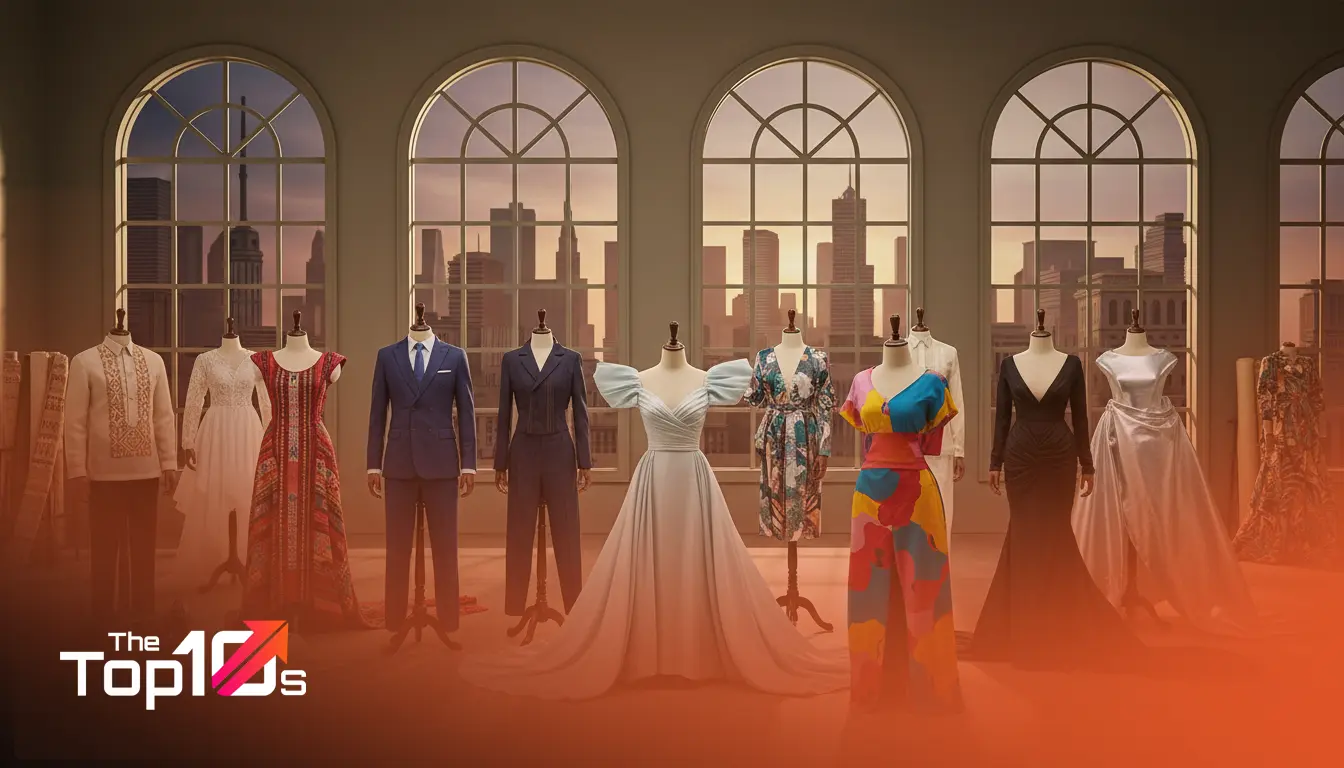
Have you ever watched a global beauty pageant or a Hollywood red carpet event and found yourself stunned by a gown that looks less like fabric and more like wearable art? Chances are, you were looking at the work of a Filipino designer. The fashion scene in the Philippines is an incredible mix of Spanish colonial influence, indigenous craftsmanship, and modern Western silhouettes. It’s not just about clothes; it’s about storytelling through fiber.
For anyone looking to commission a wedding gown, a bespoke suit, or simply invest in high-quality ready-to-wear pieces, the talent pool here is deep. But with so many creatives launching labels in Manila, Cebu, and Davao, finding the right match for your personal aesthetic can feel overwhelming. You aren’t just looking for someone who can sew; you want a visionary who understands how to make fabric flatter your specific body type.
This guide cuts through the noise. We aren’t just listing names; we are looking at the stylistic signatures, the heritage, and the craftsmanship that define the industry’s leaders. Whether you need a modernized Terno or an avant-garde evening look, this breakdown will help you navigate the vibrant world of Filipino fashion.
Quick Takeaways
- Heritage Matters: Many top designers specialize in modernizing traditional Filipino attire like the Barong and Filipiniana.
- Location Focus: While Manila is the central hub, Cebu produces some of the country’s most intricate couture work.
- Lead Times: For bespoke or couture pieces, expect a timeline of 3 to 6 months.
- Global Reach: Several designers listed here dress international celebrities, proving the world-class quality of local talent.
How We Identified Leading Fashion Designers
Selecting the most influential figures in a creative field is never purely objective, but certain markers separate the hobbyists from the masters. When compiling this insight into the best fashion designers in Philippines, we looked beyond Instagram follower counts. Popularity helps, but it doesn’t guarantee a well-constructed garment.
We focused on longevity and consistency. The designers highlighted here have sustained their businesses over years, weathering economic shifts and changing trends. We also examined their mastery of materials. In a tropical climate, understanding how fabric breathes and moves is essential. Furthermore, we looked at their versatility—how well they transition from bridal wear to streetwear, or from structural pieces to fluid drapes.
Finally, we considered their contribution to the local identity. The most respected professionals are those who respect the craft, often employing local artisans and keeping traditional weaving or embroidery techniques alive while pushing them into the future.
List of 10 Best Fashion Designers in Philippines
| SNO | Name | Best For |
|---|---|---|
| 1 | Michael Cinco | Clients who want a show-stopping, once-in-a-lifetime dress that rivals royalty. |
| 2 | Rajo Laurel | The modern woman or man who values versatility. |
| 3 | Monique Lhuillier | Brides seeking a romantic, soft, and timeless look. |
| 4 | Francis Libiran | Clients who appreciate structure and detail. |
| 5 | Inno Sotto | The sophisticated client who prefers understated luxury. |
| 6 | Cary Santiago | Art lovers. Wearing a Santiago piece feels like wearing a sculpture. |
| 7 | Vania Romoff | The stylish millennial or Gen Z client. |
| 8 | Joey Samson | Fashion-forward individuals who reject traditional gender norms in clothing. |
| 9 | Puey Quiñones | Clients who want a “moment.” His designs are perfect for galas and editorials where the goal is to make a bold, artistic statement. |
| 10 | Rosenthal Tee | The cosmopolitan woman. |
Top 10 Fashion Designers in Philippines
Here are ten creatives who have shaped the local aesthetic and continue to set the standard for quality and innovation in the archipelago.
1. Michael Cinco
If you are discussing global recognition, Michael Cinco is often the first name that comes up. Based in Dubai but proudly Filipino, his work is the definition of “impalpable.” He creates voluminous, fairy-tale gowns that often require their own seating arrangements. His aesthetic is unapologetically grandiose, featuring intricate embroidery, Swarovski crystals, and dramatic silhouettes.
Specialization: High Couture and Bridal
Experience: 20+ Years
Best For: Clients who want a show-stopping, once-in-a-lifetime dress that rivals royalty. If your goal is to have everyone in the room stop and stare, Cinco’s dramatic flair is unmatched.
2. Rajo Laurel
Rajo Laurel is a household name for a reason. He possesses a rare ability to balance high fashion with commercial viability. His designs often incorporate indigenous materials but interpret them in highly modern, geometric ways. He is known for his razor-sharp tailoring and his ability to create pieces that feel distinctively Filipino without looking like costumes.
Specialization: Ready-to-Wear (RTW), Corporate Uniforms, and Bespoke Couture
Experience: 25+ Years
Best For: The modern woman or man who values versatility. Whether you need a power suit for the boardroom or an elegant gown for a gala, Laurel delivers sophistication that is wearable.
3. Monique Lhuillier
While she operates largely out of the United States, Monique Lhuillier’s heritage remains a core part of her identity. She has become a global authority on bridal wear. Her style is ethereal, feminine, and romantic. Unlike the structural rigidity of some couturiers, Lhuillier’s clothes move with the wearer. She uses lace and tulle masterfully to create softness.
Specialization: Bridal and Red Carpet Evening Wear
Experience: 25+ Years
Best For: Brides seeking a romantic, soft, and timeless look. Her designs are perfect for those who want elegance without the weight of heavy beading or stiff fabrics.
4. Francis Libiran
Francis Libiran has a background in architecture, and it shows in every garment he constructs. He is famous for his “Art Deco” collection, which utilizes linear patterns and structural layering. His work often features laser-cut details and distinct lines that create an illusion of height and slimness. He brings a masculine edge to feminine silhouettes, resulting in powerful imagery.
Specialization: Architectural Couture and Menswear
Experience: 20+ Years
Best For: Clients who appreciate structure and detail. He is also a top choice for grooms looking for stylized, non-traditional suits or Barongs.
5. Inno Sotto
Often referred to as the Prince of Philippine Fashion, Inno Sotto is a veteran who defines classic elegance. He resists trends in favor of timelessness. His clothes are known for their impeccable draping and minimalism. Sotto doesn’t rely on excessive embellishment to make a statement; instead, he relies on the purity of the cut and the quality of the fabric.
Specialization: Classic Couture
Experience: 40+ Years
Best For: The sophisticated client who prefers understated luxury. If you believe that “less is more,” Sotto’s mastery of restraint will appeal to you.
6. Cary Santiago
Hailing from the creative hub of Cebu, Cary Santiago is a master of fabric manipulation. He rarely uses beads or crystals. Instead, he folds, pleats, and sculpts the fabric itself to create 3D textures—often mimicking birds, flowers, or religious iconography. His gowns are architectural marvels that stand on their own.
Specialization: Fabric Sculpture and Avant-Garde Couture
Experience: 20+ Years
Best For: Art lovers. Wearing a Santiago piece feels like wearing a sculpture. It is ideal for red carpet events or high-concept weddings where the dress is the centerpiece.
7. Vania Romoff
Representing a younger generation, Vania Romoff has captured the hearts of the modern Filipina. Her aesthetic is breezy, feminine, and incredibly chic. She often incorporates ruffles, ribbons, and soft fluid fabrics that suit the tropical climate perfectly. There is a sense of ease in her clothes; they look expensive but feel comfortable.
Specialization: Modern Bridal and RTW
Experience: 10+ Years
Best For: The stylish millennial or Gen Z client. Her pieces work beautifully for garden weddings, beach ceremonies, or chic cocktail parties.
8. Joey Samson
Joey Samson is the “anti-couture” designer. He is revered for deconstructing classic garments and putting them back together in unexpected ways. His aesthetic is androgynous, often blurring the lines between menswear and womenswear. He is a master of the tuxedo and the tailored jacket, often playing with proportions and asymmetry.
Specialization: Androgynous Fashion and Menswear
Experience: 15+ Years
Best For: Fashion-forward individuals who reject traditional gender norms in clothing. If you want a bridal suit instead of a gown, Samson is the go-to expert.
9. Puey Quiñones
Puey Quiñones is known for drama and volume. After establishing a career in Manila and spending time in Los Angeles, he has refined a style that involves masterful draping and distinct color choices. He isn’t afraid of dark, romantic themes or oversized silhouettes that command attention. His work often feels like a mood—intense and captivating.
Specialization: Voluminous Gowns and Draping
Experience: 15+ Years
Best For: Clients who want a “moment.” His designs are perfect for galas and editorials where the goal is to make a bold, artistic statement.
10. Rosenthal Tee
Rosenthal Tee brings a fresh, youthful energy to the scene. She studied at Istituto Marangoni, and her designs reflect a blend of European techniques with Asian sensibilities. Her work is characterized by the use of structural feminine details—think peplums, slits, and intricate bodice work. She understands the female form and designs to celebrate curves.
Specialization: Evening Wear and Contemporary Bridal
Experience: 10+ Years
Best For: The cosmopolitan woman. Her designs are polished and party-ready, bridging the gap between serious couture and fun, wearable fashion.
What Defines a Great Fashion Designer in Philippines?
The Philippines offers a unique fashion context that shapes how designers work. A great designer here doesn’t just copy Western trends; they adapt them to the local environment and culture.
Mastery of Local Materials
The hallmark of a top-tier Filipino designer is their ability to work with indigenous fabrics like Piña (pineapple fiber), Jusi, and Abaca. These materials are notoriously difficult to handle—they are brittle and delicate. A designer who can manipulate Piña into a modern silhouette without destroying the fiber demonstrates true technical prowess.
Climate Adaptability
It is hot and humid in the Philippines for most of the year. Exceptional designers understand breathability. They know how to structure a gown so that it holds its shape in high humidity without causing the wearer to overheat. This practical knowledge of lining and fabric weight is what separates a novice from a pro.
The “Terno” Evolution
You cannot talk about Philippine fashion without mentioning the Terno and its iconic butterfly sleeves. The best designers respect this national dress but aren’t afraid to modernize it. Whether it’s flattening the sleeve, using denim, or deconstructing the bodice, the ability to reinvent heritage is a key indicator of talent.
Interestingly, this blend of tradition and modernity isn’t unique to Manila. The region as a whole is exploding with creativity. For instance, comparing the local scene with the Top 10 Fashion Designers in Vietnam reveals a shared passion for elevating traditional textiles into global luxury goods.
How to Choose the Right Fashion Designer for Your Needs
Finding a trusted fashion designer near Philippines hubs like Makati or Cebu requires a bit of strategy. Here is how to ensure you get the best results for your investment.
1. Define Your Aesthetic First
Do not go to an avant-garde sculptor like Cary Santiago if you want a soft, bohemian beach wedding dress. Review their portfolios carefully. Designers have signatures; asking them to deviate too far from their style usually results in a product that neither of you is happy with.
2. Discuss Budgets Openly
Filipino fashion has a wide price range. A custom gown can cost anywhere from 50,000 PHP to over 1,000,000 PHP depending on the name and the intricacy. Be honest about your ceiling during the first consultation. A professional will tell you what is achievable within that range rather than promising the moon and adding hidden costs later.
3. Understanding the “Bespoke” Timeline
True custom work is not fast fashion. It involves consultation, measurement, sourcing, multiple fittings, and hand-finishing. If you need a dress in two weeks, you are better off buying off-the-rack. For weddings, book your designer at least 6 to 9 months in advance.
4. Personality Match
You will be spending a lot of time with this person during fittings. The dynamic should be collaborative. If you feel intimidated or unheard during the initial meeting, it might be a sign to look elsewhere. The best designers are collaborators, not dictators.
Frequently Asked Questions
How much does a custom wedding gown cost in the Philippines?
Prices vary wildly based on the designer’s tier. Emerging designers might charge between 30,000 to 80,000 PHP. Established names typically start around 150,000 PHP, while top-tier celebrity designers can easily charge upwards of 300,000 to 1 million PHP for intricate couture pieces.
What is the difference between Ready-to-Wear (RTW) and Bespoke?
Ready-to-Wear refers to clothes that are mass-produced in standard sizes (S, M, L) and are available for immediate purchase. Bespoke, or made-to-measure, involves creating a unique pattern based specifically on your body measurements and preferences. Bespoke offers a superior fit but comes at a higher price point and longer wait time.
Can Filipino designers make suits for men?
Absolutely. Designers like Francis Libiran, Rajo Laurel, and Joey Samson are renowned for their menswear. They specialize in both Western-style suits and the traditional Barong Tagalog, often using high-quality wools, linens, and Piña fabrics.
Do I need to be in the Philippines to work with these designers?
Many top fashion designers in Philippines are accustomed to working with international clients, particularly “balikbayans” (returning Filipinos). They often conduct consultations via video call and guide you on how to get professional measurements taken abroad. However, at least one final fitting in person is highly recommended for complex gowns.
What is the “Barong Tagalog” and can it be modernized?
The Barong Tagalog is the formal embroidered shirt of the Philippines, traditionally made from sheer fabric like Piña. Modern designers are constantly reinventing it by changing the cut (making it more fitted), using dyed fabrics, or applying contemporary geometric embroidery patterns to appeal to younger generations.
Next Steps for Your Fashion Journey
Choosing a designer is about more than just buying a piece of clothing; it is about investing in craftsmanship and expressing your personal narrative. The designers listed here represent the pinnacle of Filipino creativity, each offering a distinct perspective on style.
If you are planning a major event or simply want to elevate your wardrobe, start by following these designers on social media to see their latest work in motion. Narrow your list down to three favorites and schedule consultations. Remember to bring reference photos, but keep an open mind—sometimes a designer’s vision can take you in a beautiful direction you hadn’t considered. The perfect fit is out there; it just takes a little exploration to find it.