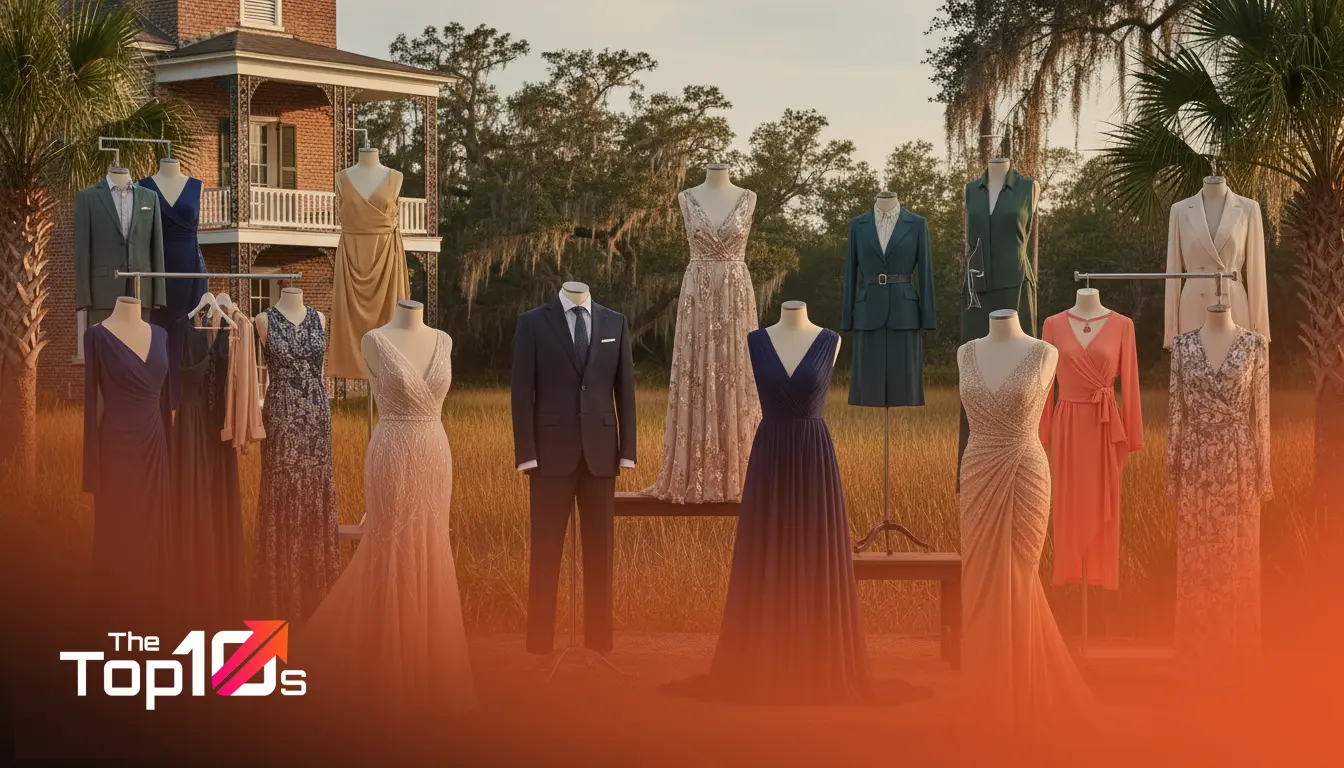
South Carolina is often underestimated in the global fashion conversation, but anyone paying attention knows the Palmetto State is undergoing a quiet style renaissance. It isn’t just about traditional Southern prep or seersucker anymore; there is a sophisticated movement bubbling up from Charleston’s cobblestones to Greenville’s revitalized downtowns. We are seeing designers blend distinct Lowcountry heritage with avant-garde techniques, creating garments that tell a story of place and personality.
Finding the right talent in this region feels different than hunting for names in New York or Milan. Here, the focus often leans heavily on personal relationships, bespoke craftsmanship, and an understanding of how to dress for a climate that is as humid as it is beautiful. Whether you are looking for a custom bridal gown that stops traffic or sustainable ready-to-wear pieces, the local talent pool is surprisingly deep.
Quick Takeaways
- Location Matters: Charleston serves as the primary hub, but Greenville and Columbia are emerging as creative satellites.
- Bridal Dominance: The state is a premier destination for weddings, resulting in a high concentration of world-class bridal ateliers.
- Material Focus: Many local creators prioritize natural fibers like linen and cotton to combat the Southern heat without sacrificing structure.
- Access: Unlike major fashion capitals, many SC designers offer direct access to the creator, allowing for high-level customization.
How We Identified Leading Fashion Designers
Selecting the top fashion designers in South Carolina requires more than just looking at Instagram follower counts. We analyzed the local industry through a lens of craftsmanship and longevity. Our approach focused on identifying professionals who have moved beyond hobbyist status to establish legitimate fashion houses, studios, or consistent collections.
We looked for evidence of technical skill—pattern making, draping, and textile manipulation—rather than just styling ability. Reputation played a massive role; we listened to what local boutique owners, textile suppliers, and long-term clients are saying about the quality of the work. We also considered versatility. The names on this list range from specialists in exotic leathers and feathers to couturiers mastering silk and lace. This selection reflects professionals who understand the business of fashion as thoroughly as the art of it.
List of 10 Best Fashion Designers in South Carolina
| SNO | Name | Best For |
|---|---|---|
| 1 | Kate McDonald | The bride looking for a gown that balances Southern tradition with contemporary cuts. |
| 2 | Lindsey Carter (Troubadour) | Women who want versatile pieces that transition from a creative office to a cocktail hour effortlessly. |
| 3 | Ben Ross and Jeff Plotner (Brackish) | The gentleman who wants a conversation piece that elevates a standard tuxedo. |
| 4 | Emily Kotarski | Clients with a specific vision who need a technical expert to execute a one-of-a-kind garment. |
| 5 | Amy Driggers (Taxidermy) | The collector looking for a statement bag that isn’t the same monogrammed canvas everyone else is carrying. |
| 6 | Gordana Gehlhausen (GOGA) | Women who favor a bohemian-chic aesthetic and prioritize comfort alongside style. |
| 7 | Julie Wheat (Cavortress) | The bold dresser who loves retro silhouettes and unique prints. |
| 8 | Chekesha Johnson (Keshon) | Clients preparing for a major event where standing out is the primary goal. |
| 9 | Anna Hopkins | The art lover who views clothing as a form of personal expression rather than just utility. |
| 10 | Mosaic (Makers Collective) | The ethical consumer who wants their wardrobe to support local industry and sustainable practices. |
Top 10 Fashion Designers In South Carolina
The following individuals and brands represent the current vanguard of South Carolina style. They vary in aesthetic, but share a commitment to quality and a distinct point of view.
1. Kate McDonald
Based in Charleston, Kate McDonald has carved out a significant space in the bridal industry. Her work is often described as the intersection of romanticism and modern elegance. She doesn’t just design dresses; she constructs heirlooms. Clients often seek her out for her ability to use European laces and hand-painted fabrics in silhouettes that feel fresh rather than stuffy.
Specialization: Luxury Bridal & Occasion Wear
Best For: The bride looking for a gown that balances Southern tradition with contemporary cuts.
2. Lindsey Carter (Troubadour)
Lindsey Carter is the creative force behind Troubadour, a brand that captures the spirit of the creative, traveling woman. After cutting her teeth in New York fashion circles (including time with J.Crew and Madewell), she brought that structural discipline back to Charleston. Her designs are known for bold prints and menswear-inspired tailoring softened for a feminine silhouette.
Specialization: Contemporary Ready-to-Wear
Best For: Women who want versatile pieces that transition from a creative office to a cocktail hour effortlessly.
3. Ben Ross and Jeff Plotner (Brackish)
While some might debate classifying accessory makers as “fashion designers,” Brackish reinvented a category. Starting with a single feather bow tie crafted as a groomsman gift, Ross and Plotner built a global brand based in Columbia. Their work involves intricate, by-hand feather manipulation that functions more like art than apparel. They have expanded into cummerbunds and pins, proving that focused design can redefine formal wear.
Specialization: Handcrafted Feather Accessories
Best For: The gentleman who wants a conversation piece that elevates a standard tuxedo.
4. Emily Kotarski
Emily Kotarski brings a high-fashion, architectural approach to custom evening wear. Her studio is not a retail shop where you pick off a rack; it is a workshop where sketches become reality. Kotarski is celebrated for her understanding of fit and proportion. She utilizes 3D pattern-making techniques to ensure that complex designs sit perfectly on the body, removing the anxiety often associated with custom garments.
Specialization: Bespoke Bridal and Evening Wear
Best For: Clients with a specific vision who need a technical expert to execute a one-of-a-kind garment.
5. Amy Driggers (Taxidermy)
Don’t let the name scare you—Taxidermy is about high-end exotic leathers, not dusty hunting trophies. Amy Driggers designs handbags and accessories that compete with European luxury houses in terms of material quality. Based in Charleston, her signature aesthetic involves python and ostrich leathers tailored into modern, edgy shapes. Her work has been spotted on celebrities and offers a gritty, luxurious counterpoint to the typical pastel Southern palette.
Specialization: Luxury Leather Goods & Accessories
Best For: The collector looking for a statement bag that isn’t the same monogrammed canvas everyone else is carrying.
6. Gordana Gehlhausen (GOGA)
Many recognize Gordana Gehlhausen from her time on Project Runway (Season 6), but her staying power in the South Carolina scene comes from her boutique, GOGA. Her design philosophy centers on fluidity and art. The garments often feature hand-dying techniques and relaxed, bohemian cuts that suit the coastal atmosphere perfectly. She excels at making pieces that feel effortless yet look expensive.
Specialization: Artistic Ready-to-Wear
Best For: Women who favor a bohemian-chic aesthetic and prioritize comfort alongside style.
7. Julie Wheat (Cavortress)
Julie Wheat is a dynamo in the local scene, bringing a rock-and-roll vintage sensibility to her label, Cavortress. Her background covers everything from styling to production, and it shows in her diverse output. While she is known for vintage-inspired swimwear and separates, her work often incorporates upcycled materials, appealing to the eco-conscious consumer who refuses to sacrifice flair.
Specialization: Vintage-Inspired Swim and Resort Wear
Best For: The bold dresser who loves retro silhouettes and unique prints.
8. Chekesha Johnson (Keshon)
Operating out of Columbia, Chekesha Johnson creates under the Keshon label, focusing heavily on custom creations for prom, pageants, and red-carpet events. Her strength lies in dramatic silhouettes and embellishments. Johnson understands the psychology of “making an entrance,” utilizing sequins, tulle, and bold colors to ensure her clients are the focal point of any room.
Specialization: Custom Formal Wear & Pageantry
Best For: Clients preparing for a major event where standing out is the primary goal.
9. Anna Hopkins
Anna Hopkins brings a distinct, artistic touch to the Columbia fashion landscape. Her work often defies strict categorization, blending sculptural elements with wearable fabrics. She is the type of designer who might experiment with unconventional materials or hand-painting textiles to create texture. Her output is lower volume, focusing on the “slow fashion” model where every piece is intentional.
Specialization: Small-Batch Artisanal Clothing
Best For: The art lover who views clothing as a form of personal expression rather than just utility.
10. Mosaic (Makers Collective)
While this entry represents a collective effort, the designers behind the Mosaic initiative in the Upstate (Greenville area) are redefining local manufacturing. This group focuses on ethical production and reviving the textile heritage of the Carolinas. The designers associated with this movement produce everything from high-quality denim to workwear, emphasizing durability and local sourcing over fleeting trends.
Specialization: Sustainable Workwear & Basics
Best For: The ethical consumer who wants their wardrobe to support local industry and sustainable practices.
What Defines a Great Fashion Designer in South Carolina?
Evaluating talent in this region involves understanding the specific constraints and opportunities of the location. A great designer here has to master the balance between heat management and high style. You will notice that the top professionals rarely use heavy, non-breathable synthetics. Instead, they innovate with cotton blends, linens, and silks that allow air circulation while maintaining a crisp look.
Cultural resonance is another marker of quality. The best South Carolina designers acknowledge the history of the region—the vibrant colors of Gullah culture, the structural influence of historic architecture, or the relaxed nature of coastal living—without producing costumes. They reinterpret these codes for a modern, global audience. Additionally, client communication is paramount. In a smaller market, a designer’s reputation hangs on their ability to listen to a client and deliver exactly what was promised. There is no anonymity here; if a dress fits poorly, the word spreads fast.
How to Choose the Right Fashion Designer for Your Needs
Selecting a designer is an investment of both time and money. To ensure you are happy with the final result, you need to align your expectations with the designer’s strengths. Here is a framework for making that decision.
1. Assess the Portfolio for Consistency
Look at their past five projects. Do they have a consistent “handwriting”? If a designer jumps from minimalism to chaotic avant-garde without a clear thread connecting them, they may still be finding their voice. You want someone who knows who they are.
2. Understand the Production Timeline
Custom work is not Amazon Prime. A bespoke gown from someone like Emily Kotarski or a custom suit takes months, not days. Ask upfront about lead times. If you need something for an event in three weeks, you should be looking at ready-to-wear designers like Lindsey Carter rather than bespoke ateliers.
3. Discuss Sourcing
Ask where the fabrics come from. A top-tier designer will have relationships with mills in Italy, France, or Japan, or they will be sourcing high-grade local textiles. If they are vague about materials, that is a red flag regarding the longevity of the garment.
While South Carolina offers a distinct Southern flair, looking at other coastal creative hubs, such as the top 10 fashion designers in Rhode Island, reveals how geography influences design aesthetics across different regions.
Frequently Asked Questions
Is it more expensive to hire a local designer than buying luxury retail?
Not necessarily. While bespoke (custom) garments usually start at a higher price point due to the labor involved, many local ready-to-wear designers offer pricing comparable to mid-range department store brands. The value comes in the superior fit and material quality you get for that price.
Do these designers work with clients outside of South Carolina?
Yes, most of the designers listed, particularly established brands like Brackish, Troubadour, and Taxidermy, ship globally. For custom bridal or evening wear, you may need to visit for fittings, but initial consultations can often be done virtually.
What is the difference between a “stylist” and a “fashion designer”?
A stylist curates outfits using existing clothes from various brands to create a look. A fashion designer creates the garment from scratch, involving sketching, pattern making, and construction. The professionals on this list are creators, not just curators.
Can I request a custom design from a ready-to-wear label?
It depends on the brand. Smaller independent studios are often open to “semi-custom” orders (e.g., a standard design in a different fabric or length). However, larger operations usually stick to their seasonal collections to maintain production efficiency.
How early should I book a bridal designer in South Carolina?
Given the popularity of Charleston as a wedding destination, local bridal designers are in high demand. It is wise to book your initial consultation 9 to 12 months before the wedding date to allow ample time for fittings and adjustments.
Next Steps for Your Wardrobe
South Carolina’s fashion landscape offers a rich variety of options for those willing to look beyond the mall. Whether you need a bespoke suit, a wedding gown that defies convention, or sustainable daily wear, the talent is here.
Start by identifying the gap in your wardrobe. Are you missing key statement pieces or reliable basics? Once you know what you need, visit the websites of the designers mentioned above. Look for their “About” pages to see if their philosophy aligns with yours, and don’t hesitate to reach out for a consultation. Supporting local design isn’t just about economics; it’s about wearing clothes that have a soul.