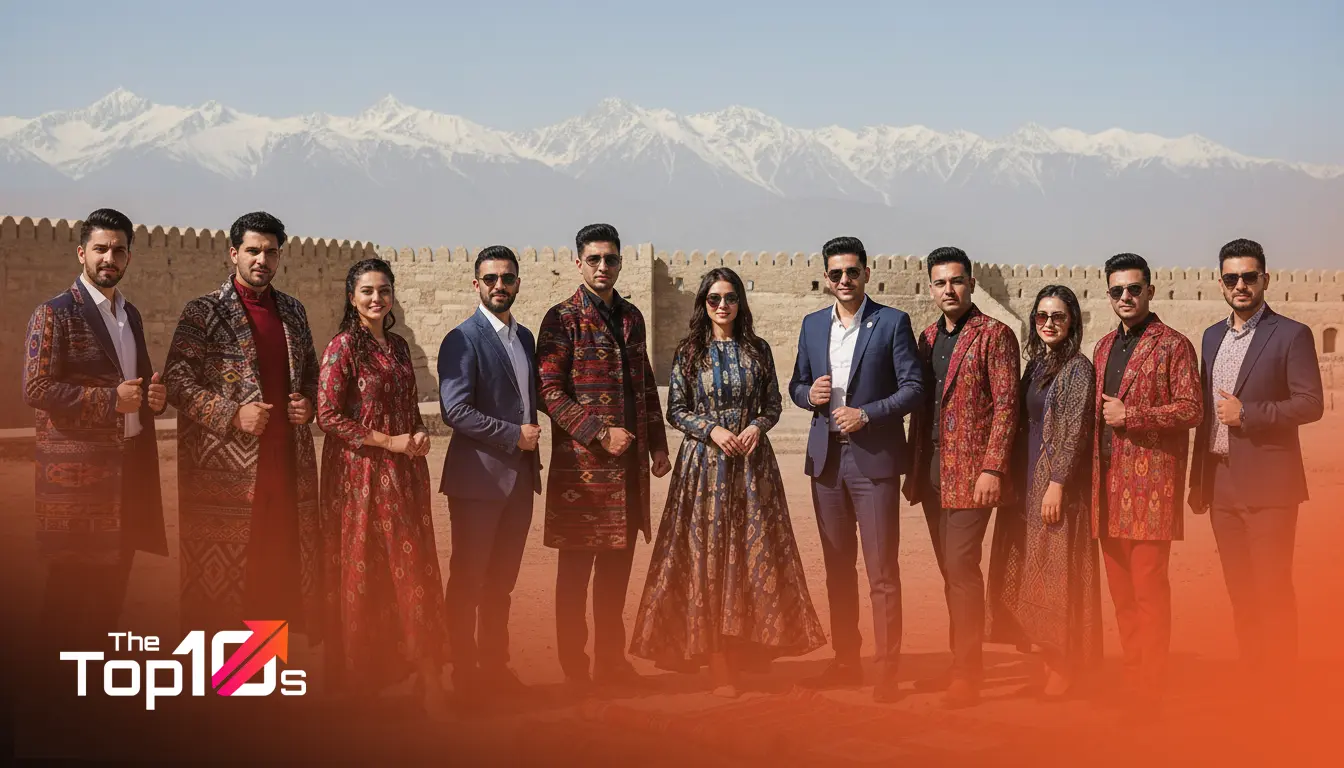
When you think of global fashion capitals, cities like Paris or Milan usually dominate the conversation. But ignore Central Asia, and you miss one of the most vibrant, culturally rich design renaissances happening right now. Tajikistan, in particular, offers a fascinating blend of ancient Silk Road heritage and modern, cutting-edge aesthetics. The fashion scene here isn’t just about clothes; it is a visual language that speaks of history, identity, and the future simultaneously.
Finding the right creative partner in Dushanbe or Khujand can feel overwhelming if you don’t know where to look. You might be searching for a bridal gown that honors tradition without looking dated, or perhaps a bespoke suit that fits perfectly for a boardroom meeting. The difference between a garment that sits in your closet and one you wear repeatedly often comes down to the designer’s philosophy and their ability to listen.
This guide highlights the creators who are defining Tajik style today. We aren’t just listing names; we are looking at who is pushing boundaries, who respects the craftsmanship of adras and ikat, and who consistently delivers quality. Whether you are a retailer looking to source unique pieces or a fashion enthusiast expanding your wardrobe, knowing who leads the industry is essential.
Quick Takeaways
- Heritage is Key: The top designers almost always integrate traditional elements like suzanis (embroidery) and atlas fabrics into modern silhouettes.
- Made-to-Measure Dominates: Unlike Western fast fashion, the best Tajik fashion revolves around atelier culture and custom fitting.
- Versatility: Many listed designers bridge the gap between heavy couture (for weddings) and practical ready-to-wear lines.
- Global Reach: Several of these creatives showcase collections in Europe and across the CIS region, validating their quality standards.
How We Identified Leading Fashion Designers
Selecting the most influential figures in a creative industry requires looking beyond Instagram follower counts. Our approach focuses on substance and sustained impact within the local market. We analyzed the landscape based on specific criteria that matter to clients and industry observers.
First, we looked at consistency in craftsmanship. A great designer isn’t defined by one hit collection but by the ability to deliver quality construction year after year. We paid close attention to those who have mastered complex textile work, particularly the handling of delicate regional silks and heavy velvets.
We also considered brand identity and distinctiveness. In a market where traditional patterns are ubiquitous, the designers who stand out are those who interpret these codes in unique ways. We looked for creators with a signature style—visual markers that let you know who designed a piece before you even check the label.
Finally, we evaluated professional reputation. This involves how these designers interact with their clientele, their presence at regional events like Tajikistan Fashion Week, and their ability to evolve. The names below represent a mix of established veterans who built the industry and energetic newcomers reshaping it.
List of 10 Best Fashion Designers in Tajikistan
| SNO | Name | Best For |
|---|---|---|
| 1 | Umed Kuchkaliev | Clients who want a statement piece for a gala, wedding, or cultural event that proudly screams “Tajik heritage” with a high-fashion finish. |
| 2 | Khurshed Sattorov | Brides looking for a royal aesthetic or celebrities needing a red-carpet look that guarantees press attention. |
| 3 | Nafisa Imranova (ZHIWJ) | The modern woman who wants to represent her culture at a business lunch or a casual dinner without wearing a full national costume. |
| 4 | Mavluda Hamraeva | Women seeking sophisticated evening wear that feels timeless rather than trendy. |
| 5 | Sadoqat | Buyers who love the “Ikat” look but demand high-end construction and lining. |
| 6 | Zoda (Zoda Choice) | Professionals building a capsule wardrobe that needs to function from 9-to-5. |
| 7 | Farvai | Creative professionals and art enthusiasts who view clothing as a form of self-expression. |
| 8 | Sulaimon Toshmatov | Menswear for men needing wedding attire or business suits that command authority. |
| 9 | Alan Volovikis | Fashion-forward individuals who want to step outside the conventional beauty standards. |
| 10 | Vajd (Creative Studio) | Younger buyers or anyone looking for casual, cool weekend wear with meaning. |
Top 10 Fashion Designers in Tajikistan
Here are ten fashion professionals currently setting the standard in Tajikistan. Each brings a different flavor to the industry, from high-concept couture to wearable urban styles.
1. Umed Kuchkaliev
Specialization: Modern interpretations of Chakan and national embroidery
If there is a name synonymous with taking Tajik national heritage to the global stage, it is Umed Kuchkaliev. He is widely recognized for his dedication to Chakan, a traditional form of embroidery. Rather than leaving these patterns in the past, Kuchkaliev reinvents them for the modern woman. His work often features bold colors and intricate needlework that can take months to complete.
Notable Strengths: His ability to balance visual density with elegant cuts is remarkable. You won’t feel overwhelmed by the pattern; instead, the embroidery accentuates the wearer’s form. He is a master of color theory, often mixing bright reds, greens, and yellows in ways that feel harmonious rather than chaotic.
Best Suited For: Clients who want a statement piece for a gala, wedding, or cultural event that proudly screams “Tajik heritage” with a high-fashion finish.
2. Khurshed Sattorov
Specialization: Theatrical Couture and Bridal
Khurshed Sattorov is often described as the “Maestro” of the Tajik fashion world. His runway shows are legendary, often resembling theatrical performances more than standard catwalks. Sattorov views fashion as art. He utilizes heavy embellishments, dramatic silhouettes, and luxurious fabrics to create garments that are larger than life.
Notable Strengths: Detail is his currency. From hand-sewn beads to complex layering of textures, Sattorov’s work demonstrates patience and precision. He creates garments that transform the wearer, making him a favorite for high-stakes social events where making an entrance is mandatory.
Best Suited For: Brides looking for a royal aesthetic or celebrities needing a red-carpet look that guarantees press attention.
3. Nafisa Imranova (ZHIWJ)
Specialization: Contemporary Ethnic Fusion
Nafisa Imranova brings a cool, younger energy to the scene with her brand, ZHIWJ. The name itself references the Pamiri word for “love,” indicating the passion she pours into her collections. She famously blends traditional Pamiri socks and motifs with oversized blazers, denim, and streetwear elements.
Notable Strengths: Imranova excels at styling. She shows women how to wear traditional elements in a daily, urban context. Her designs are practical but never boring. She understands the global trend toward “modest fashion” while keeping it edgy and youthful.
Best Suited For: The modern woman who wants to represent her culture at a business lunch or a casual dinner without wearing a full national costume.
4. Mavluda Hamraeva
Specialization: Elegant Evening Wear and Suits
Mavluda Hamraeva focuses on femininity and grace. Her collections often feature flowing lines and softer palettes compared to the stark contrasts found elsewhere in Central Asian design. She has a reputation for understanding the female body, creating cuts that flatter a variety of shapes.
Notable Strengths: Her fabric selection is often praised for its tactile quality—silks that drape perfectly and velvets that catch the light just right. Hamraeva avoids over-decoration, preferring to let the silhouette speak for itself.
Best Suited For: Women seeking sophisticated evening wear that feels timeless rather than trendy.
5. Sadoqat
Specialization: Luxury Ikat and Adras
The Sadoqat brand has carved out a niche by elevating the standard adras (a type of ikat textile) into luxury territory. While many designers use these fabrics, Sadoqat focuses heavily on the quality of the weave and the precision of the pattern matching. The designs often bridge the gap between conservative dress codes and modern fashion sensibilities.
Notable Strengths: Pattern placement is a standout skill here. Using large-scale ikat prints can be tricky—place them wrong, and the garment looks distorted. Sadoqat’s team masters this engineering, ensuring the patterns align perfectly across seams.
Best Suited For: Buyers who love the “Ikat” look but demand high-end construction and lining.
6. Zoda (Zoda Choice)
Specialization: Pret-a-porter and Smart Casual
Zoda represents the shift toward accessible designer fashion in Tajikistan. This brand focuses on wearable items—blouses, skirts, and light jackets—that fit into a working wardrobe. The aesthetic is often minimalist with subtle ethnic touches, making the clothes versatile for international travel.
Notable Strengths: Wearability is the key factor. These are clothes you can live in. The construction is durable, and the designs prioritize comfort without sacrificing style.
Best Suited For: Professionals building a capsule wardrobe that needs to function from 9-to-5.
7. Farvai
Specialization: Conceptual Fashion and Knitwear
Farvai is a name that often pops up when discussing innovation. This designer experiments with textures and layering in ways that feel fresh. While respecting tradition, Farvai isn’t afraid to deconstruct a traditional robe or reimagine a headpiece using unconventional materials.
Notable Strengths: Textural contrast. You might see rough wool paired with smooth silk in a Farvai piece. This tactile approach adds depth to the outfit, making it interesting even from a distance.
Best Suited For: Creative professionals and art enthusiasts who view clothing as a form of self-expression.
8. Sulaimon Toshmatov
Specialization: Menswear and Tailoring
While the market is dominated by womenswear, Sulaimon Toshmatov has made significant waves in men’s fashion. He creates bespoke suits and traditional men’s attire (chompas) with modern cuts. He understands that the modern Tajik man wants to look sharp and worldly while still respecting his roots.
Notable Strengths: Fit and structure. A suit lives or dies by the shoulder line and the break of the trouser. Toshmatov gets these technical details right, providing a fit that off-the-rack options simply cannot match.
Best Suited For: Men needing wedding attire or business suits that command authority.
9. Alan Volovikis
Specialization: Avant-Garde and European Fusion
Alan Volovikis brings a distinctively European flair to the Dushanbe scene. His work is often described as architectural. He plays with asymmetry and volume, creating silhouettes that would look at home in Berlin or London. Yet, there is always a thread of local influence, often in the color choices or detailing.
Notable Strengths: Originality in silhouette. If you are tired of standard A-line dresses or classic cuts, Volovikis offers shapes that challenge the eye and create a strong profile.
Best Suited For: Fashion-forward individuals who want to step outside the conventional beauty standards.
10. Vajd (Creative Studio)
Specialization: Youth Culture and Street Style
Rounding out our list is Vajd, a representation of the new generation. This isn’t just a designer; it’s a movement toward youth culture. They produce hoodies, t-shirts, and accessories that incorporate calligraphy and historical references in a way that appeals to Gen Z.
Notable Strengths: Graphic design and typography. They use the Persian script as a design element, turning language into visual art on fabric. It connects young people to their history through the medium of streetwear.
Best Suited For: Younger buyers or anyone looking for casual, cool weekend wear with meaning.
If you are exploring the broader Central Asian aesthetic, it is fascinating to see how it contrasts with the top 10 fashion designers in Kyrgyzstan, who often lean heavily into felt and nomadic motifs, whereas Tajik designers frequently prioritize intricate embroidery and silk weaving.
What Defines a Great Fashion Designer in Tajikistan?
Understanding the local fashion ecosystem helps in appreciating why these designers are celebrated. It is not just about making pretty clothes; it is about navigating a specific cultural intersection.
Mastery of “National” Fabrics
The hallmark of a great Tajik designer is their relationship with Atlas and Adras. These hand-dyed ikat fabrics are notoriously difficult to work with. They unravel easily, the patterns are irregular, and the widths are often narrow (due to traditional loom sizes). A skilled designer knows how to cut these fabrics to minimize waste and maximize visual impact. If a designer creates a seamless coat from narrow-loom Adras, they demonstrate high-level technical skill.
The Balance of Modesty and Modernity
Local culture values a certain degree of modesty, but modern consumers want to feel sexy and current. The best designers navigate this gray area expertly. They use sheer fabrics with strategic layering or create fitted silhouettes that cover the skin but celebrate the shape. This ability to respect cultural norms while pushing fashion boundaries is a critical skill set in Dushanbe.
Embroidered Storytelling
Embroidery in Tajikistan is a language. Specific motifs represent protection, fertility, or the sun. A top-tier designer doesn’t just use these patterns as decoration; they use them to tell a story. They understand the semantics of the symbols they are sewing onto a dress, adding a layer of depth that a mass-market manufacturer would miss.
How to Choose the Right Fashion Designer for Your Needs
Working with a designer is a collaboration. To get the best results, you need to align your needs with their strengths. Here is a framework to help you decide.
1. Define the Occasion
Are you attending a wedding, or do you need office wear? If it is a wedding, look toward names like Khurshed Sattorov or Umed Kuchkaliev. For daily wear, ZHIWJ or Zoda are far more practical choices. Do not ask a conceptual avant-garde designer to make a standard business suit; you will both end up frustrated.
2. Understand the Timeline
Custom fashion in Tajikistan is not instant. Hand-embroidery can take weeks. Sourcing specific silk dyes can take time. Always ask about lead times upfront. A reputable designer will be honest about their schedule. If you need something in three days, you might be better off buying from their ready-to-wear rack rather than requesting a custom piece.
3. Myths vs. Reality
Myth: Custom designer wear is always unaffordable.
Reality: While couture is expensive, many local designers offer very competitive pricing for ready-to-wear lines that is comparable to mid-range international brands, but with much higher quality.
Myth: Traditional patterns look old-fashioned.
Reality: As seen with designers like Nafisa Imranova, traditional patterns are currently being remixed into streetwear and modern chic styles that look incredibly contemporary.
Frequently Asked Questions
Do Tajik fashion designers ship internationally?
Many of the established designers have experience shipping to Russia, Europe, and the US via DHL or standard post. However, since many operate through Instagram or WhatsApp rather than automated e-commerce sites, you will likely need to coordinate shipping manually with their team.
Can I request a custom design based on a photo I found online?
Most designers can use a photo as inspiration, but they will rarely copy it exactly. They will want to adapt the idea to their style and your body shape. It is better to choose a designer whose existing style matches the vibe of the photo you found.
What is the difference between Atlas and Adras fabrics?
Both are ikat-style fabrics. Generally, Atlas is satin-woven silk with a glossy, smooth finish. Adras is typically a blend of silk and cotton with a ribbed texture, making it sturdier and more matte. Designers choose between them based on the structure the garment requires.
How much does a custom dress typically cost in Dushanbe?
Prices vary wildly. A simple custom dress from an emerging designer might cost $100–$200, while a heavily embroidered couture gown from a top name could range from $1,000 to several thousand dollars. Always discuss the budget before sketches begin.
Are sustainable practices common among Tajik designers?
Yes, but often incidentally rather than intentionally. The traditional methods of weaving and the “slow fashion” nature of atelier production are inherently more sustainable than mass production. Many designers also focus on natural fibers like cotton and silk, which are biodegradable.
Next Steps for Your Fashion Journey
The fashion landscape in Tajikistan is diverse, colorful, and incredibly welcoming. Whether you are looking to invest in a piece of wearable art or simply want to update your look with something unique, the talent in this region is undeniable.
Your next move should be to explore the portfolios of the designers that resonated with you. Look at their recent collections to see how their style has evolved. Reach out to them—many manage their own inquiries and appreciate direct communication. By choosing a local designer, you aren’t just buying a dress; you are supporting a lineage of craftsmanship that has survived for centuries and is now evolving for the future.