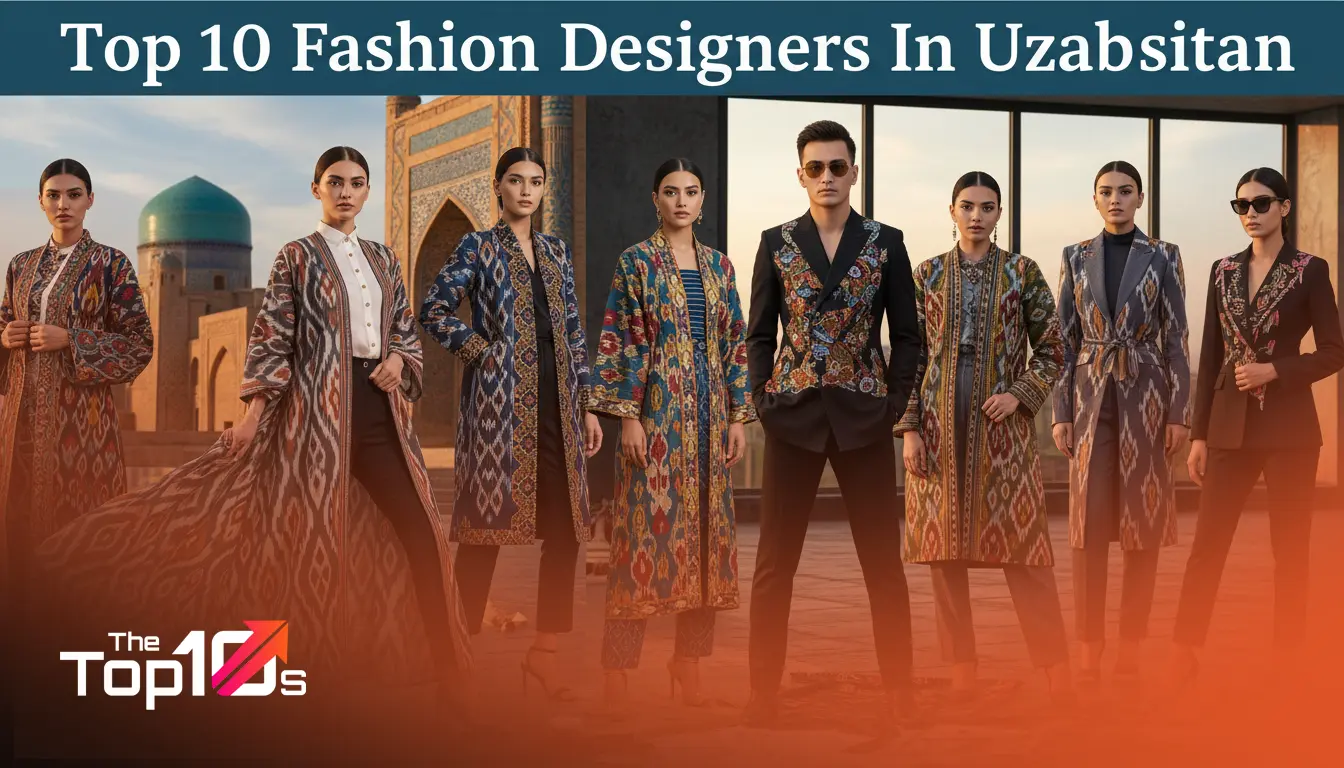
Imagine walking into a studio where the scent of raw silk hangs in the air, and centuries-old embroidery techniques are being applied to a sharp, modern blazer. This isn’t a scene from a history book; it is the current reality of the fashion scene in Tashkent and beyond. Uzbekistan is experiencing a creative renaissance, transforming from a raw material exporter into a hub of high-end design.
For decades, the world knew this region primarily for its cotton and intricate ikat fabrics. Today, a new generation of creatives is taking those heritage materials and reconstructing them for the global runway. You aren’t just looking for clothes; you are looking for a narrative that weaves together the Silk Road’s legacy with contemporary functionality.
Finding the right creative partner in this market can be overwhelming. There is a vast difference between tourist-focused souvenir shops and genuine design houses pushing the envelope. Whether you need a bespoke bridal gown, a sustainable ready-to-wear collection, or an avant-garde statement piece, knowing who leads the pack matters. This guide cuts through the noise to highlight the best fashion designers in Uzbekistan who are redefining Central Asian style.
- Heritage meets Modernity: The top designers almost universally blend traditional Adras (Ikat) and Suzani fabrics with Western silhouettes.
- Tashkent is the Hub: While sourcing happens in the Fergana Valley, the design powerhouses are concentrated in the capital.
- Slow Fashion Focus: Most designers listed here prioritize ethical production and handmade craftsmanship over mass manufacturing.
- Versatility: Options range from heavy bridal couture to urban streetwear and leather goods.
How We Identified Leading Fashion Designers
Selecting the top talent in a rapidly evolving market requires more than just looking at Instagram follower counts. Our approach focuses on substance, consistency, and contribution to the industry. We analyzed the local market to find professionals who demonstrate true mastery over their craft.
We looked for designers who possess a deep understanding of textile engineering. In Uzbekistan, working with hand-woven silk requires a different skillset than handling industrial polyester. The designers selected here show a profound respect for these materials. We also considered their ability to translate local aesthetics for an international audience. A great designer bridges cultures rather than just copying trends.
Finally, reputation played a crucial role. We sought out names that are frequently cited by local fashion editors, praised by clients for their reliability, and respected by their peers. These are the studios that deliver on their promises, ensuring that the final garment matches the initial sketch.
List of 10 Best Fashion Designers in Uzbekistan
| SNO | Name | Best For |
|---|---|---|
| 1 | Dildora Kasimova | Women seeking romantic, high-end evening wear and sophisticated daily luxury. |
| 2 | Moel Bosh (Zukhra Inat) | Statement outerwear and collectors who value upcycled vintage textiles. |
| 3 | Lali (Lali Fazilova) | Luxury bridal wear and opulent formal attire. |
| 4 | Kanishka (Alexey Manko) | High-quality leather jackets, urban streetwear, and quirky casual basics. |
| 5 | Saida Amir | Architectural silhouettes and avant-garde ready-to-wear. |
| 6 | Mursak House | Luxurious velvet coats and high-end traditional fusion wear. |
| 7 | Anor (Dilnoza Umirzakova) | Playful, colorful ready-to-wear for women and children. |
| 8 | Zulfiya Sulton | Modern tailoring and chic office-appropriate wear. |
| 9 | Azucar Moreno (Kamila) | Edgy, deconstructed fashion and alternative styles. |
| 10 | Bekzod Saitov | Dreamy evening gowns and special occasion dresses. |
Top 10 Fashion Designers in Uzbekistan
Here are the creatives currently shaping the visual language of the region, ranging from established couture houses to edgy streetwear innovators.
1. Dildora Kasimova
Dildora Kasimova stands as a pillar of the Uzbek fashion industry. She creates pieces that feel like wearable poetry, often characterized by a romantic, distinctively feminine aesthetic. Her work frequently appears on the red carpets of local celebrities and influencers, signaling her status as a go-to for high-profile events.
What sets Kasimova apart is her subtlety. While she uses traditional embroidery, she applies it in a way that feels sophisticated rather than costume-like. You might see a delicate velvet jacket paired with a flowing silk skirt, where the craftsmanship speaks louder than the logo. She masters the balance of “East meets West” without falling into clichés.
Best For: Women seeking romantic, high-end evening wear and sophisticated daily luxury.
2. Moel Bosh (Zukhra Inat)
If you appreciate bold patterns and vibrant storytelling, Moel Bosh is likely the label you have been searching for. Zukhra Inat, the creative force behind the brand, revitalized the use of vintage Suzani (large-scale hand-embroidered textiles) in modern coats and jackets. Each piece is essentially a one-of-a-kind art object.
The brand philosophy revolves around preserving heritage. Inat scours the country for antique fabrics and repurposes them, ensuring that the history of the textile lives on in a contemporary trench coat or bomber. It represents sustainable luxury at its finest, turning potential waste into highly coveted fashion statements.
Best For: Statement outerwear and collectors who value upcycled vintage textiles.
3. Lali (Lali Fazilova)
Lali Fazilova represents the gold standard of Uzbek couture. Her fashion house, LALI, is synonymous with opulence. When you look at her collections, you see a heavy emphasis on velvet, intricate gold thread embroidery, and royal silhouettes. She designs for the woman who wants to command the room.
Her experience spans years of evolving the national dress into something suitable for modern galas. Lali does not just design clothes; she curates an image of power and grace. Her runway shows often dictate the trends for the upcoming wedding and party seasons in Tashkent.
Best For: Luxury bridal wear and opulent formal attire.
4. Kanishka (Alexey Manko)
Moving away from traditional silks, Kanishka offers something completely different: urban cool. Alexey Manko has built a cult following by focusing on leather, denim, and casual wear. His designs are often witty, incorporating humorous prints or unexpected cuts that appeal to a younger, edgier demographic.
Kanishka proves that Uzbek fashion isn’t solely about heritage patterns. Manko treats leather with incredible skill, offering jackets, bags, and accessories that rival European quality at a competitive price point. His store is a must-visit for anyone who prefers street style over evening gowns.
Best For: High-quality leather jackets, urban streetwear, and quirky casual basics.
5. Saida Amir
Saida Amir is often described as the intellectual of the Uzbek fashion world. Her designs are architectural and conceptual. She draws inspiration from the geometry found in Samarkand’s architecture and translates those lines into fabric. You won’t find excessive embellishment here; instead, you find complex pattern-making and structural draping.
Her work appeals to the artistic crowd—curators, gallery owners, and women who view clothing as an extension of their intellect. Amir proves that modesty and avant-garde design can coexist beautifully.
Best For: Architectural silhouettes and avant-garde ready-to-wear.
6. Mursak House
Mursak is the definition of modern heritage luxury. The brand focuses heavily on the “Chapans” (traditional coats) and reimagines them for the modern wardrobe. They use the finest velvet and silk, often embellished with stones and intricate beadwork.
This fashion house creates heirlooms. A Mursak coat is something a mother buys to eventually pass down to her daughter. The aesthetic is regal and deeply rooted in the courtly attire of the ancient Khanates, yet the cuts are adjusted to fit a contemporary lifestyle.
Best For: Luxurious velvet coats and high-end traditional fusion wear.
7. Anor (Dilnoza Umirzakova)
Dilnoza Umirzakova, the founder of Anor, brings a youthful, vibrant energy to the industry. “Anor” means pomegranate, a symbol of fertility and abundance in the region, and her collections reflect this liveliness. She creates complete looks that are accessible yet distinct.
Her strength lies in mixing prints. She fearlessly pairs stripes with florals or ikat with polka dots, yet the result always looks cohesive. Anor is particularly popular for its modern take on national costumes for children and young adults, making tradition fun rather than stuffy.
Best For: Playful, colorful ready-to-wear for women and children.
8. Zulfiya Sulton
Zulfiya Sulton has mastered the art of the capsule wardrobe. Her designs are clean, functional, and incredibly stylish. While she honors her roots, her primary focus is on the global woman who travels, works, and needs clothing that performs.
You will often see sharp tailoring in her collections, softened by the use of natural silk or cotton. She has a keen eye for color trends, often introducing palettes that are unexpected in the Central Asian market, such as muted pastels or stark monochromes.
Best For: Modern tailoring and chic office-appropriate wear.
9. Azucar Moreno (Kamila)
For those who find traditional patterns too overwhelming, Azucar Moreno offers a minimalist, sometimes grunge-inspired alternative. Kamila, the designer, plays with texture and deconstruction. Her clothes often feature raw edges, oversized fits, and a darker color palette.
This brand resonates with the creative youth of Tashkent who listen to techno and frequent underground art spaces. It represents the gritty, urban side of the city that tourists rarely see but is essential to the local culture.
Best For: Edgy, deconstructed fashion and alternative styles.
10. Bekzod Saitov
Bekzod Saitov represents the new wave of talent. He creates highly photogenic, dreamy gowns that seem tailor-made for the Instagram age. His work often features ethereal fabrics, layering, and a touch of fantasy.
Despite being younger than some established houses, his attention to detail in finishing and fit is remarkable. He understands the female form and constructs dresses that celebrate curves while maintaining an air of mystery and elegance.
Best For: Dreamy evening gowns and special occasion dresses.
What Defines a Great Fashion Designer in Uzbekistan?
Understanding the local fashion landscape requires recognizing the unique set of constraints and opportunities these designers face. A great designer here acts as a bridge between the ancient silk weavers of the Fergana Valley and the modern consumer in Milan or Moscow.
Fabric Stewardship
The primary marker of quality is the sourcing of materials. Uzbekistan produces Adras (a cotton-silk blend) and pure silk Shohi. A top-tier designer works directly with master weavers (called ustas) to create custom patterns, rather than buying generic prints from the bazaar. They understand that hand-woven fabrics have imperfections that should be celebrated, not hidden.
Cultural Sensitivity vs. Innovation
The most successful designers navigate the fine line between costume and fashion. Replicating a 19th-century robe is costume design; reinterpreting that robe’s shoulder cut for a boardroom blazer is fashion. The designers listed above have mastered this translation. They respect the modest fashion requirements of some local clientele while offering daring cuts for international buyers.
Also, it is worth noting the regional context. The revival of heritage fashion is happening across Central Asia. For instance, if you are exploring Central Asian styles, you might also be interested in the top 10 fashion designers in Kazakhstan, where a similar yet distinct nomadic aesthetic is taking shape.
How to Choose the Right Fashion Designer for Your Needs
Selecting a designer is a personal journey. The right choice depends entirely on your lifestyle, budget, and the message you want your clothing to send. Here is a practical framework to help you decide.
Assess Your Timeline
Unlike fast fashion, Uzbek designer wear is often “slow.” Many of the designers listed, such as Moel Bosh or Lali, operate on a made-to-order basis or produce small batches. If you need a custom bridal gown, you should ideally start the conversation three to six months in advance. For ready-to-wear pieces, allow time for alterations, as fit is paramount.
Define Your Style Philosophy
Are you looking to blend in or stand out?
- For the Minimalist: Look at Zulfiya Sulton or Kanishka. They offer clean lines and solid colors that fit easily into a Western wardrobe.
- For the Maximalist: Anor and Moel Bosh will provide the pattern clashing and vibrant colors you crave.
- For the Traditionalist: Mursak and Lali provide the most authentic connection to historical silhouettes.
Budgeting for Craftsmanship
Understand what you are paying for. A jacket made from hand-woven velvet involves weeks of labor—from the weaving of the fabric to the dyeing and the final stitching. Prices in Uzbekistan are generally competitive compared to Europe, but for top-tier designers, expect to pay premium rates that reflect the manual labor involved.
Frequently Asked Questions
Do these designers ship internationally?
Yes, most established designers in Uzbekistan now offer international shipping, typically using DHL or FedEx. However, you should always clarify shipping costs and potential customs duties before finalizing a purchase, as these can vary significantly based on your location.
Can I request custom designs or alterations?
Absolutely. The culture of “bespoke” is very strong in Tashkent. Most designers on this list are happy to adjust a hemline, change a neckline, or create a completely custom piece from scratch, provided you give them enough lead time.
What is the best way to contact these designers?
Instagram is the primary business card for Uzbek fashion. While some have websites, Direct Messages (DMs) or WhatsApp numbers listed in their bios are often the fastest way to get a response regarding pricing and availability.
Is Uzbek fashion considered sustainable?
Generally, yes. The emphasis on natural fibers (cotton, silk) and local production minimizes the carbon footprint. Furthermore, brands like Moel Bosh that use vintage textiles are practicing direct upcycling, which is one of the most sustainable forms of fashion.
What is the difference between Ikat and Adras?
Ikat refers to the dyeing technique where threads are dyed before weaving. Adras is the specific fabric—typically a blend of 50% silk and 50% cotton—that results from this technique. Most “Ikat” clothes you see are made from Adras fabric.
Conclusion
The fashion scene in Uzbekistan is vibrant, diverse, and deeply respectful of its roots. Choosing a designer from this region allows you to wear a piece of history reinterpreted for the modern world. Whether you are drawn to the leather mastery of Kanishka or the intricate embroidery of Dildora Kasimova, you are investing in artistry that stands the test of time.
Take the time to explore their portfolios. Look beyond the main feed and examine the details of the stitching and fabric flow. By supporting these creators, you aren’t just buying clothes; you are helping to sustain a centuries-old tradition of craftsmanship that is rapidly finding its rightful place on the global stage.