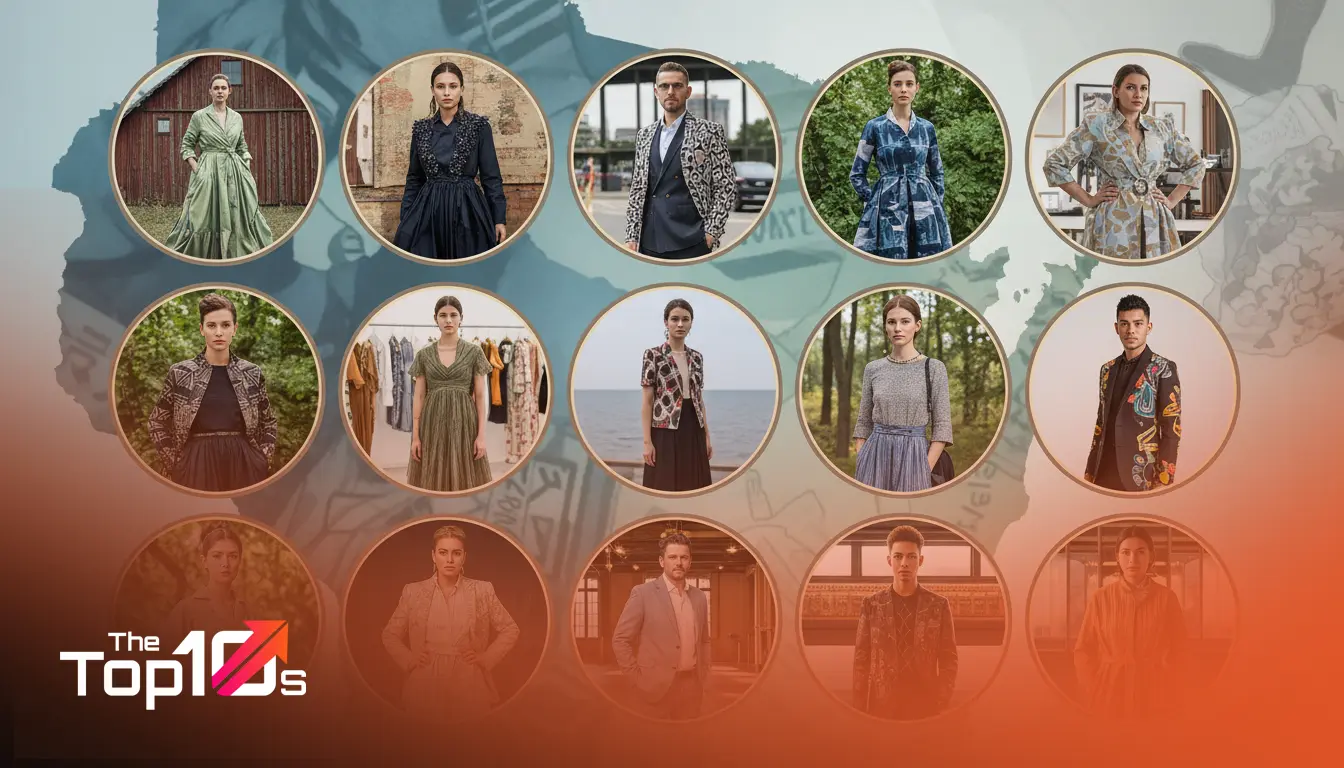
Most people immediately look to the coasts when talking about American fashion. New York has the runway history, and Los Angeles holds the celebrity influence. But if you ignore the Midwest, you miss a massive pocket of genuine creativity and craftsmanship. Wisconsin, specifically, has quietly cultivated a fashion scene that prioritizes durability, sustainability, and an eclectic mix of high art and wearable practicality.
You might be surprised by what you find here. The designers operating out of Milwaukee, Madison, and smaller hubs aren’t just copying trends from Europe. They are creating pieces that reflect the local culture: hardworking, seasonally adaptable, and incredibly distinct. Finding the right creative partner in this region isn’t just about finding someone who can sew. It is about connecting with a professional who understands how fabric, fit, and lifestyle intersect.
Whether you need a bespoke bridal gown, avant-garde streetwear, or a sustainable wardrobe overhaul, the talent pool here runs deep. This guide breaks down the professionals defining the state’s aesthetic right now.
Quick Takeaways: Wisconsin’s Design Scene
- Sustainability is King: Many top local designers focus heavily on upcycling and eco-friendly textiles.
- Practical Luxury: There is a strong emphasis on clothing that looks high-end but functions in real weather conditions.
- Diverse Influences: The aesthetic ranges from heritage childrenswear to gritty, urban streetwear.
- Accessibility: Unlike major fashion capitals, Wisconsin designers are often directly accessible for custom consultations.
How We Identified Leading Fashion Designers
Compiling a list of top talent requires more than looking at Instagram follower counts. We analyzed the local industry to find professionals who consistently deliver quality and innovation. Our selection process focused on tangible criteria that matter to clients and buyers.
First, we looked at longevity and consistency. A designer who has maintained a business or a studio practice for several years demonstrates reliability. We also examined their versatility. The best designers understand fabric manipulation, pattern making, and the technical side of construction, not just the sketching phase.
Reputation played a massive role as well. We listened to what local boutiques, fashion show organizers (like those involved with Milwaukee Fashion Week), and private clients had to say. We prioritized designers who contribute to the community, whether through mentorship, sustainable practices, or elevating the regional conversation around apparel.
List of 10 Best Fashion Designers in Wisconsin
| SNO | Name | Best for |
|---|---|---|
| 1 | Linda Marcus | Women seeking powerful, statement pieces that bridge the gap between art and ready-to-wear. |
| 2 | Florence Eiseman (Brand Legacy) | Buyers looking for heirloom-quality children’s clothing that retains value over decades. |
| 3 | Timothy Westbrook | Clients who view fashion as art and prioritize zero-waste or ethical production methods. |
| 4 | Edgardo Stephens | Custom evening wear and clients needing a perfect fit for high-profile social events. |
| 5 | Miranda Levy | Professional women who want a vintage silhouette with modern construction and durability. |
| 6 | Kelvin Haydon | Men and women looking for custom streetwear, stage gear, or bold urban looks. |
| 7 | Jazmin Amelia | Brides seeking a custom, non-traditional gown that prioritizes romance and comfort. |
| 8 | Lynne Dixon-Speller | Clients who appreciate the intellectual and technical side of couture fashion. |
| 9 | Sarah Ford (Florence & Ford) | Women building a capsule wardrobe of high-quality, everyday essentials. |
| 10 | Bjorn Nasett (Fashion Ninja) | People who want fun, affordable, and unique pieces that challenge traditional fashion rules. |
Top 10 Fashion Designers in Wisconsin
This list represents a mix of established veterans and dynamic innovators. Each individual brings a unique perspective to apparel, offering distinct services for different types of clientele.
1. Linda Marcus
Linda Marcus is perhaps one of the most recognized names in the state’s fashion sector, partially due to her appearance on Project Runway, but mostly because of her relentless work ethic. Her background is fascinating; she pivoted from a career in television news to fashion, bringing a storyteller’s eye to her collections.
She specializes in structured, architectural pieces that often utilize unexpected materials. You will often see her work featuring intricate knitting techniques or leatherwork. Marcus excels at creating clothing that feels armor-like yet feminine, providing confidence to the wearer.
Best For: Women seeking powerful, statement pieces that bridge the gap between art and ready-to-wear.
2. Florence Eiseman (Brand Legacy)
While Florence herself has passed, the design house she built remains a titan in the American fashion industry, headquartered in Milwaukee. This brand is credited with revolutionizing children’s fashion in the mid-20th century. Today, the design team continues her legacy of high-end, classic aesthetics.
The design philosophy here revolves around timelessness. Think clean lines, primary colors, and appliqué work that never feels dated. It represents a specific type of American heritage design that is rare to find in modern manufacturing. The current creative directors maintain the strict quality standards that put Wisconsin on the global map for children’s luxury wear.
Best For: Buyers looking for heirloom-quality children’s clothing that retains value over decades.
3. Timothy Westbrook
If you are looking for innovation in sustainability, Timothy Westbrook is the name to know. He operates not just as a designer but as a fiber artist. His studio practice is strictly eco-conscious, often refusing to use electricity for sewing to reduce the carbon footprint of production.
Westbrook’s work is whimsical, often incorporating fairy-tale elements with upcycled materials like cassette tapes or repurposed upholstery. He challenges the conventional supply chain. His designs are conversation starters, often featured in museums as much as on runways. He proves that ethical fashion doesn’t have to look plain or beige.
Best For: Clients who view fashion as art and prioritize zero-waste or ethical production methods.
4. Edgardo Stephens
Edgardo Stephens brings a level of glamour and sophistication that rivals national eveningwear brands. Based in Milwaukee, he has built a reputation for understanding the female form. His approach focuses heavily on the “fit” aspect of design, ensuring that fabric drapes correctly across different body types.
He specializes in evening gowns, cocktail attire, and special occasion wear. His aesthetic often leans toward the dramatic, utilizing bold colors like reds and golds, along with sequins and high-end synthetics that catch the light. Stephens is a go-to for local galas and red-carpet events.
Best For: Custom evening wear and clients needing a perfect fit for high-profile social events.
5. Miranda Levy
Another Wisconsin creative with national exposure, Miranda Levy brings a sharp, retro-inspired aesthetic to the table. Her work is heavily influenced by the silhouettes of the 1950s and 60s, but updated for the modern woman who needs to move and work.
Levy is known for her impeccable tailoring. She understands how to construct a garment that nips and tucks in the right places without being restrictive. Her pencil skirts, tailored jackets, and button-down shirts often feature playful prints or military-inspired details. It is “geek chic” elevated to high fashion.
Best For: Professional women who want a vintage silhouette with modern construction and durability.
6. Kelvin Haydon
Kelvin Haydon represents the pulse of urban fashion in the region. His work often blurs the lines between luxury streetwear and custom tailoring. He isn’t afraid of bold graphics, oversized silhouettes, or mixing textures like denim and velvet.
His strength lies in his versatility and his connection to current culture. Haydon creates pieces that feel immediate and relevant. He often works on custom projects for performers and influencers who need to stand out visually. His brand carries a sense of exclusivity and cool that appeals to a younger, trend-focused demographic.
Best For: Men and women looking for custom streetwear, stage gear, or bold urban looks.
7. Jazmin Amelia
For the bridal market, Jazmin Amelia creates gowns that break away from the “standard white dress” mold. She focuses on the romantic and the ethereal, often using layers of tulle, intricate lace, and hand-sewn embellishments.
Her process is deeply collaborative. She works with brides who find off-the-rack options too stiff or generic. Her designs often feature softer structures, allowing for movement and comfort throughout a wedding day. She brings a bohemian yet polished touch to the Wisconsin bridal scene.
Best For: Brides seeking a custom, non-traditional gown that prioritizes romance and comfort.
8. Lynne Dixon-Speller
Lynne Dixon-Speller is a matriarch figure in the local scene, largely due to her role in fashion education at Edgewood College and her deep industry connections. Her design perspective is rooted in technical excellence and cultural storytelling.
She excels in couture techniques and draping. Her work often references historical elements or African diaspora themes, translated into modern garments. Because of her background in education, her garments are constructed with a level of precision that ensures they last for years. She understands the “why” behind every seam.
Best For: Clients who appreciate the intellectual and technical side of couture fashion.
9. Sarah Ford (Florence & Ford)
Sarah Ford taps into the “Midwest Modern” vibe perfectly. Her design ethos centers on wearable, comfortable clothing that doesn’t sacrifice style. She creates small-batch collections that feel personal and curated.
Her strength is in textile selection—choosing soft knits, breathable cottons, and fabrics that feel good against the skin. Her aesthetic is minimalist but warm. These are clothes designed for the woman who runs a business, picks up kids, and meets friends for dinner, all in the same outfit.
Best For: Women building a capsule wardrobe of high-quality, everyday essentials.
10. Bjorn Nasett (Fashion Ninja)
Bjorn Nasett, operating under the Fashion Ninja moniker, is a staple of the Milwaukee scene. His approach is eclectic, blending styling with design. He is a master of upcycling and transforming vintage finds into something entirely new.
His designs are rarely serious or stuffy. They are fun, colorful, and expressive. Nasett creates for the individual who wants to express personality rather than status. His shop and studio serve as a hub for those who want to experiment with their look without spending thousands on European labels.
Best For: People who want fun, affordable, and unique pieces that challenge traditional fashion rules.
What Defines a Great Fashion Designer in Wisconsin?
The criteria for excellence here differ slightly from other regions. In Wisconsin, “greatness” is often measured by a mix of creativity and resilience. A designer here cannot survive on hype alone; the consumer base is too practical for that.
Seasonality Awareness
The best designers in the state understand the climate. They know how to layer. They design coats that are actually warm and summer dresses that breathe in humidity. If a designer creates beautiful pieces that don’t function in the local weather, they rarely last long.
Manufacturing Know-How
Many Wisconsin designers are also their own manufacturers. Unlike designers in New York who might send sketches to a sample room, local pros often cut and sew their own patterns. This hands-on approach leads to higher quality control. They know exactly how a seam will hold up because they stitched it themselves.
Community Connection
Success here involves engagement. The top designers are often seen at local art events, pop-up shops, and educational seminars. They build brands based on face-to-face relationships rather than just digital marketing.
How to Choose the Right Fashion Designer for Your Needs
Selecting a designer is a personal process. You aren’t just buying a product; you are often buying a service and an experience. Here is how to navigate the selection process to ensure you get what you want.
Define Your Scope and Budget
Before you email anyone, know what you need. Are you looking for a single custom gown, or do you want to buy ready-to-wear pieces from their latest collection? Custom work (bespoke) is significantly more expensive and time-consuming. Be upfront about your budget. A professional designer will tell you immediately if your numbers align with their labor costs.
Check the Portfolio for Consistency
Look at their past work. Do they have a specific style? If you want a minimalist, structural suit, don’t hire a designer whose portfolio is full of flowy, bohemian dresses. Designers do their best work when they stick to their signature aesthetic. Just as we see diverse styles when looking at comparable regional lists, you want to ensure the designer’s “flavor” matches your taste.
Understand the Timeline
Custom fashion is not Amazon Prime. It takes time to source fabric, draft patterns, fit the muslin, and sew the final garment. If you have an event in two weeks, most high-end designers will not be able to help you without a massive rush fee, if at all. Plan months in advance for special occasions.
Assess Communication Style
During your initial consultation, pay attention to how they listen. Do they ask about your lifestyle? Do they explain why a certain fabric might not work for your idea? You want a collaborator who offers expertise, not just someone who says “yes” to everything and delivers a subpar product.
Frequently Asked Questions
How much does a custom dress cost from a Wisconsin designer?
Costs vary widely depending on the complexity and materials. Generally, a simple custom cocktail dress might start around $300-$500, while intricate evening wear or bridal gowns usually start at $1,500 and go up significantly from there. This pays for the pattern drafting, labor, and fabric.
Do these designers sell online?
Many of the designers listed, such as Sarah Ford or the team at Florence Eiseman, have robust online stores for their ready-to-wear collections. However, for bespoke or custom work (like Edgardo Stephens or Jazmin Amelia), you will typically need to visit their studio for measurements and fittings.
Is sustainable fashion prominent in Wisconsin?
Yes, significantly. The Midwest culture of thrift and resourcefulness translates well into fashion. Designers like Timothy Westbrook and Bjorn Nasett lead a strong movement toward upcycling and zero-waste production, making the state a quiet leader in eco-conscious apparel.
Can I hire these designers for alterations?
Usually, no. While they have the skills, most design professionals focus on creating original garments. Asking a couture designer to hem your jeans is often considered a misuse of their time. However, some may alter vintage pieces if it involves a creative redesign.
Where can I see their work in person?
Milwaukee Fashion Week and various art institute showcases are great places to start. Additionally, many designers participate in local maker markets or have appointments available at their private studios in the Third Ward or Walker’s Point areas of Milwaukee.
Final Thoughts on Wisconsin Style
The fashion landscape in Wisconsin is defined by a blend of grit, grace, and genuine talent. It is a community where the barriers between the designer and the client are low, allowing for a more personal creative experience. Whether you are looking to support a heritage brand or commission a piece of wearable art, the talent is right here.
Don’t underestimate the value of working with local talent. You get better accountability, a lower carbon footprint, and a garment that usually fits better than anything off a rack. Take the time to explore these designers’ portfolios. You might just find that your new favorite label is located a few miles down the road rather than an ocean away.