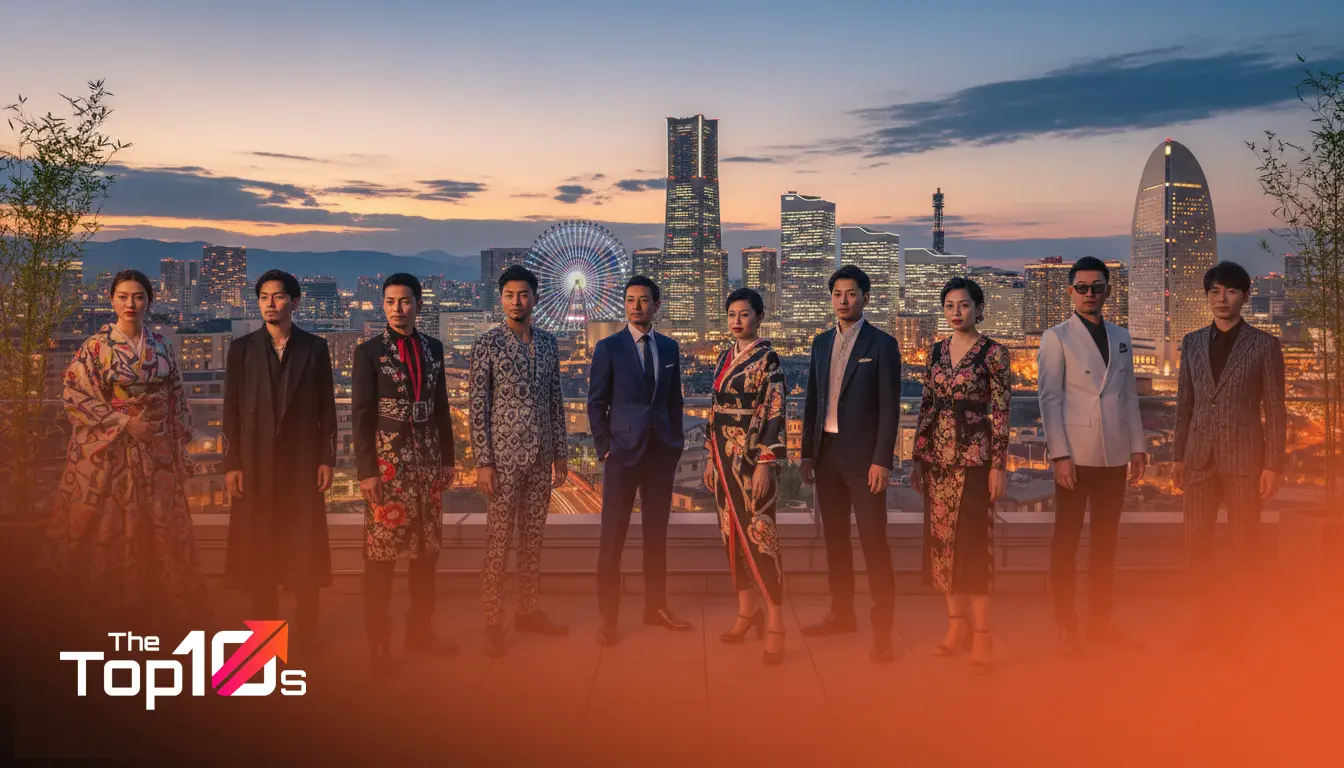
Quick Takeaways: The Yokohama Style Scene
- The “Hamatora” Legacy: Look for designers who reinterpret the classic “Yokohama Traditional” look—a blend of prep school neatness and nautical functionality.
- Streetwear Dominance: The city is a hub for high-end skate and street culture, influencing many local independent labels.
- Bridal & Couture: Due to its status as a premier wedding destination, Yokohama hosts exceptional bridal and formal wear specialists.
- Accessibility: Unlike the sometimes intimidating avant-garde of Tokyo, Yokohama designers often prioritize wearability and timeless elegance.
You might be wondering if Yokohama is just a shadow of its flashy neighbor, Tokyo, when it comes to style. That’s a common misconception. But walk down the cobblestones of the Motomachi shopping street or explore the back alleys of Naka-ku, and you’ll realize something distinct is happening here. Yokohama has a fashion heartbeat that is entirely its own—slower, more deliberate, and deeply connected to its history as an international port city.
Finding the right creative talent here isn’t about chasing the weirdest silhouette on the runway. It’s about discovering artisans who value the “Hamatora” (Yokohama Traditional) roots while pushing modern boundaries. Whether you are launching a brand, looking for bespoke tailoring, or simply hunting for a piece that speaks to you, the local design talent offers a unique blend of Western influence and Japanese craftsmanship.
I’ve spent years analyzing regional style hubs, and Yokohama stands out for its practical elegance. This guide introduces you to the creative minds shaping this seaside metropolis, helping you understand who is driving the trends and who can execute your vision.
How We Identified Leading Fashion Designers
Selecting the top creative minds in a city like Yokohama requires more than a simple Google search. We didn’t just look at who has the most Instagram followers. Instead, we focused on the tangible impact these professionals have on the local and national industry.
Our selection methodology prioritized substance over hype. We looked for designers and creative directors who demonstrate a deep understanding of textile engineering and pattern making. In a city famous for its silk trade history, a designer’s relationship with materials is paramount. We also considered their standing within the community—specifically, do they have a physical footprint in key districts like Minato Mirai or Motomachi? Are they preserving the heritage of Yokohama craftsmanship while innovating for 2026 and beyond?
Finally, we looked for consistency. The designers listed below aren’t one-hit wonders; they are professionals who have sustained their practice, refined their aesthetic, and built trust with a loyal clientele over years, not just seasons.
List of 10 Best Fashion Designers in Yokohama
| SNO | Name | Best For |
|---|---|---|
| 1 | Junji Kanehira (Lafayette) | Streetwear, Urban Culture, Americana |
| 2 | The Creative Team at Fukuzo | Hamatora (Yokohama Traditional), Knitwear, Textile Design |
| 3 | Yumi Katsura (Yokohama Studio Influence) | Bridal Couture, Evening Wear |
| 4 | Masahiro Nakagawa (Tokyo Recycle Project / Local Upcycling) | Sustainable Fashion, Remake, Avant-Garde |
| 5 | The Artisans of Grand Yamato | Bespoke Men’s Tailoring, Military-Inspired Formal Wear |
| 6 | Hiroshi Fujiwara (Fragment Design – Yokohama Connection) | Streetwear, High-Concept Collaboration |
| 7 | Creative Leads at Star Jewelry | Jewelry Design, Accessories |
| 8 | Nobuaki Tomita | Modern Kimono, Textile Art |
| 9 | Independent Designers of Koganecho Bazaar | Experimental, Art-Fashion, DIY |
| 10 | The Kitamura Design Team | Leather Goods, Handbags, Total Coordination |
Top 10 Fashion Designers in Yokohama
Here are ten creative forces shaping the wardrobe of Yokohama. From streetwear legends to couture artisans, these individuals and creative heads represent the best of the bay.
1. Junji Kanehira (Lafayette)
Specialization: Streetwear, Urban Culture, Americana
You can’t talk about Yokohama fashion without acknowledging its massive street culture influence. Junji Kanehira is the creative force behind Lafayette, a brand that practically defines the city’s modern urban aesthetic. Starting in the mid-2000s, Kanehira captured the gritty yet polished vibe of Yokohama’s street scene, blending American skate culture with Japanese attention to detail.
His strength lies in visual storytelling. He doesn’t just design t-shirts; he creates collections that reflect the city’s relationship with New York and hip-hop culture. If you are looking for design that resonates with the youth market and understands the nuances of subculture, Kanehira’s work is the gold standard.
Best Suited For: Brand collaborations, urban apparel styling, and streetwear enthusiasts looking for authenticity.
2. The Creative Team at Fukuzo
Specialization: Hamatora (Yokohama Traditional), Knitwear, Textile Design
Fukuzo isn’t just a brand; it’s an institution. The design team behind this Motomachi legend has maintained the “Hamatora” look since 1946. While the head designers often keep a low profile, their collective output represents the pinnacle of Yokohama traditional style. They are masters of slow fashion before the term even existed.
Their expertise is in proprietary textiles. They weave much of their own fabric to ensure durability and a specific hand-feel that mass production cannot replicate. The design philosophy here is evolutionary, not revolutionary—making subtle tweaks to classic cardigans and skirts that keep them relevant for decades.
Best Suited For: Those seeking timeless, preppy aesthetics and incredibly durable garment construction.
3. Yumi Katsura (Yokohama Studio Influence)
Specialization: Bridal Couture, Evening Wear
While Yumi Katsura is a global icon, her influence in Yokohama is specific and profound. With the city being a top wedding destination in Japan, her design ethos dominates the local bridal scene. Her approach combines traditional Japanese techniques, like Yuzen dyeing, with Western haute couture silhouettes.
For anyone looking for dramatic, architectural gown design, the aesthetic championed by Katsura is the benchmark. Her work demonstrates how to handle volume and intricate embellishment without overwhelming the wearer—a skill that takes decades to master.
Best Suited For: High-end bridal clients and formal event dressing where impact is required.
4. Masahiro Nakagawa (Tokyo Recycle Project / Local Upcycling)
Specialization: Sustainable Fashion, Remake, Avant-Garde
Operating on the fringes of the conventional industry, designers like Nakagawa are part of a growing movement in the Kanagawa area focused on sustainability. Often found exhibiting near the Red Brick Warehouse or creative hubs in Koganecho, this design style involves deconstructing vintage garments to create entirely new, one-of-a-kind pieces.
This isn’t just patchwork; it is complex structural re-engineering. The strength here is the ability to see potential in discarded materials. It represents the artistic side of Yokohama—gritty, resourceful, and surprisingly forward-thinking.
Best Suited For: Eco-conscious consumers and editorial stylists looking for unique, statement pieces.
5. The Artisans of Grand Yamato
Specialization: Bespoke Men’s Tailoring, Military-Inspired Formal Wear
Yokohama has a deep history of tailoring, driven originally by the presence of foreign dignitaries and naval officers. The master tailors at establishments like Grand Yamato carry this torch. These designers are engineers of the human form. They understand posture, movement, and the subtle geometry required to make a suit fit perfectly.
Their design process is collaborative and mathematical. They don’t chase trends; they chase perfection in fit. If you need a suit that commands authority, relying on these seasoned professionals is a smart move. They understand the “British cut” that has historically been preferred in this port city.
Best Suited For: Executives, formal wear enthusiasts, and anyone needing precise custom tailoring.
6. Hiroshi Fujiwara (Fragment Design – Yokohama Connection)
Specialization: Streetwear, High-Concept Collaboration
While a global figure, Fujiwara’s influence on the Yokohama “Ura-Harajuku” spillover is undeniable. His design philosophy—often minimalist but culturally heavy—permeates the local boutiques. His connection to the coastal culture helps shape the “sophisticated skater” look prevalent in Minato Mirai.
He represents the intersection of music and fashion. For brand owners, studying his approach to limited drops and logo placement offers a masterclass in modern branding. His aesthetic is clean, recognizable, and always culturally relevant.
Best Suited For: Understanding modern branding, minimalist graphics, and cultural convergence in fashion.
7. Creative Leads at Star Jewelry
Specialization: Jewelry Design, Accessories
Fashion isn’t just fabric. In Yokohama, accessories are central to the look, and Star Jewelry (born in Motomachi) is a titan. The lead designers here are experts in crafting pieces that complement the local fashion sensibility. They work with high-quality metals and stones but design with a playfulness that is distinct to the city.
Their strength lies in “narrative design”—creating collections based on celestial themes or ocean motifs that tell a story. This aligns perfectly with the romantic atmosphere of the port area.
Best Suited For: those looking to complete a look with high-end, narrative-driven accessories.
8. Nobuaki Tomita
Specialization: Modern Kimono, Textile Art
Tomita is a visionary who takes the traditional kimono and injects it with contemporary relevance. Often involved in cultural exchanges representing the region, his work showcases how traditional Japanese silk—a major historical export of Yokohama—can be reimagined for modern life.
His designs are known for bold patterns and unexpected color combinations. He represents the bridge between the historical silk trade of the city and the modern art scene. His work challenges the idea that traditional clothing is stiff or outdated.
Best Suited For: Cultural events, costume design, and individuals seeking a modern take on Japanese heritage.
9. Independent Designers of Koganecho Bazaar
Specialization: Experimental, Art-Fashion, DIY
Koganecho is an area of Yokohama transformed from a red-light district into an artist residency hub. The fashion designers emerging from here are raw and experimental. They often work with non-traditional materials and ignore commercial seasonal calendars entirely.
These creators are strong in conceptual design. If you want something that looks like it belongs in a gallery as much as on a body, this is where you look. They push the boundaries of what “wearable” means, often incorporating sculptural elements.
Best Suited For: Stage performers, avant-garde enthusiasts, and collectors of wearable art.
10. The Kitamura Design Team
Specialization: Leather Goods, Handbags, Total Coordination
Like Fukuzo, Kitamura is a pillar of the “Yokohama Trad” style. The designers here specialize in color coordination. They don’t just design a bag; they design it to match a specific shoe and dress combination. This holistic approach to accessories is rare in modern fast fashion.
Their expertise is in leather craftsmanship and functional elegance. The stitching, the lining, and the hardware are all designed to withstand daily use while maintaining a polite, upscale appearance. They define the “lady-like” aesthetic of the Yamate area.
Best Suited For: Classic accessory design and cohesive color styling.
What Defines a Great Fashion Designer in Yokohama?
The fashion ecosystem in Yokohama is fundamentally different from other Japanese cities. While you might find deep devotion to ancient imperial aesthetics when exploring the top fashion designers in Kyoto, Yokohama is about the “New World” meeting the old. A great designer here understands the wind from the ocean.
First, there is a focus on functional luxury. Because it is a port city, the style has always been influenced by travel. Clothes need to be durable and comfortable, yet sophisticated enough for a dinner at the Hotel New Grand. Designers here rarely sacrifice comfort for pure aesthetics.
Second, material integrity is non-negotiable. Yokohama was the gateway for silk exports and wool imports. Local designers are often incredibly picky about their raw materials. They prefer natural fibers that breathe and age well. If a designer creates a beautiful silhouette but uses cheap polyester, they generally won’t last long in this market.
Finally, there is an element of approachable exclusivity. The best designers here are willing to talk to you. Unlike the velvet-rope culture of some Tokyo districts, Yokohama creatives value the relationship with the client. They want to know how you live in the clothes.
How to Choose the Right Fashion Designer for Your Needs
Choosing a designer or a brand to work with is an investment. Here is how to make sure you don’t waste your time or money.
Assess Your “Use Case”
Are you dressing for a corporate environment, a wedding, or the street? Yokohama designers tend to specialize. Don’t go to a Harajuku-style streetwear designer in Nishi-ku if you need a suit for a board meeting. Check their portfolio for context, not just pretty pictures.
Look for Local Roots
Ask about their production process. Do they manufacture locally? Many top Yokohama designers have relationships with workshops in Kanagawa. This usually ensures better quality control and faster turnaround times for alterations compared to brands that outsource everything overseas.
The “Consultation” Test
When you meet a designer or visit their atelier, pay attention to how they listen. Do they try to force their signature style on you immediately, or do they ask about your lifestyle? The best designers in Yokohama act more like consultants than dictators. They should be asking about your fabric preferences, your daily commute, and your budget constraints upfront.
Frequently Asked Questions
What is “Hamatora” style?
Hamatora, or “Yokohama Traditional,” is a fashion movement that originated in the 1970s. It is characterized by a preppy, neat look—think polo shirts, cardigans, knee-length skirts, and boat shoes. It is similar to American Ivy League style but with a distinct Japanese attention to neatness and quality.
Are bespoke suits in Yokohama expensive?
Prices vary, but generally, you get high value in Yokohama. While a fully bespoke (bespoke) suit from a master tailor can cost upwards of 200,000 to 300,000 JPY, the quality often rivals Savile Row. There are also “pattern order” options that are more affordable.
Can I find sustainable fashion designers in Yokohama?
Yes, the sustainability movement is growing rapidly here. Look towards the creative hubs around Koganecho and the Zou-no-hana Terrace events, where many independent designers showcase upcycled and eco-friendly collections.
Do these designers speak English?
Because Yokohama is an international port city with a large expat community, many designers and shop staff are more comfortable with English than in other parts of Japan. However, it is always helpful to have reference photos to bridge any language gaps.
Is Yokohama fashion different from Tokyo fashion?
Yes. Tokyo (specifically Shibuya/Harajuku) is often about fast trends, avant-garde experimentation, and subcultures. Yokohama is generally more conservative, classic, and focused on quality and “marine” influences. It is considered more mature and relaxed.
Conclusion
Navigating the fashion scene in Yokohama offers a refreshing break from the fast-paced, disposable nature of the modern industry. The designers listed here represent a commitment to quality that has survived for decades. Whether you are drawn to the rebellious energy of Lafayette’s streetwear or the quiet dignity of a Fukuzo cardigan, the common thread is craftsmanship.
Your next step is to hit the pavement. Visit Motomachi during the weekend, explore the boutiques in the red brick warehouses, and don’t be afraid to step into a small atelier. The best pieces in this city aren’t found on a screen; they are found by feeling the fabric and shaking the hand of the person who made it.