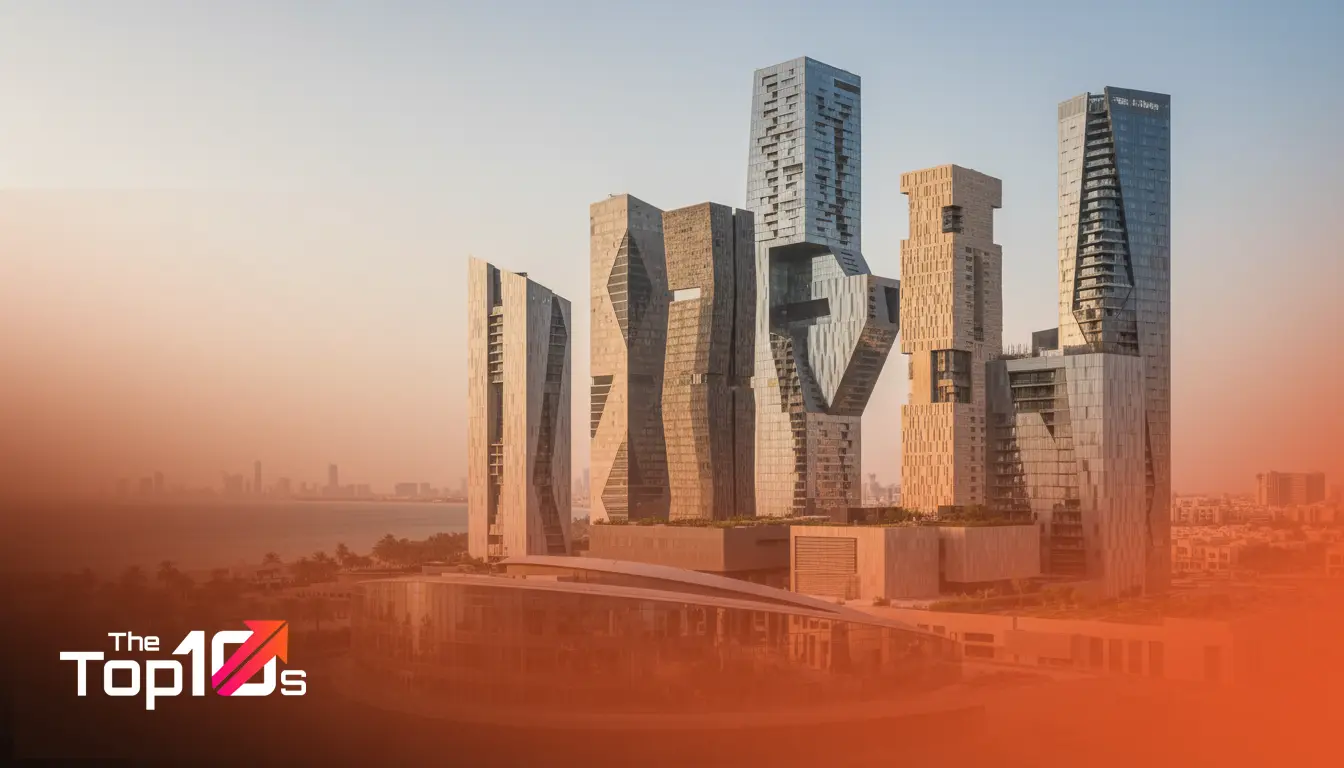
Building a property in Ajman involves more than just pouring concrete and stacking bricks. Whether you are envisioning a serene villa in Al Mowaihat, a commercial hub near the Corniche, or a high-rise investment property, the success of your project rests heavily on the design professional you choose. It’s about translating a dream into a structure that stands up to the UAE’s climate while adhering to strict local regulations.
Here is the reality: a poorly planned building doesn’t just look bad; it bleeds money through inefficiencies and maintenance nightmares. Conversely, a skilled architectural consultant acts as your navigator, guiding you through zoning laws, maximizing your square footage, and ensuring your space actually works for how you live or do business.
You might be wondering how to filter through the noise to find a partner who understands your vision. This guide breaks down the leading architectural professionals operating in the Emirate, helping you make a decision rooted in facts rather than guesswork.
Quick Takeaways
- Local Regulation is Key: Ajman Municipality has specific coding requirements; ensure your architect has a proven track record of approvals here.
- Specialization Matters: Don’t hire a skyscraper specialist to design a boutique family villa—the skill sets differ significantly.
- Look Beyond Sketches: The best architects offer end-to-end project management, not just pretty 3D renders.
- Consultation is Critical: Most reputable firms offer an initial discovery session; use this to gauge communication styles.
How We Identified Leading Architects
Selecting the right design partner requires looking past flashy Instagram feeds. To compile this list of notable architectural entities in Ajman, we analyzed several performance indicators that matter to real-world clients.
We looked closely at the depth of their local portfolios. A firm might be famous globally, but if they lack experience with Ajman’s specific soil conditions or municipal approval processes, delays are almost guaranteed. We also considered the balance between aesthetic creativity and technical feasibility. It is easy to draw a building that defies physics; it is much harder to design one that can be built on budget.
Reputation within the construction community played a significant role in our analysis. We sought out firms known for producing detailed, error-free construction drawings, as this directly reduces conflict with contractors later on. Finally, we reviewed client feedback trends regarding communication and transparency, as these soft skills often determine whether a project is enjoyable or stressful.
List of 10 Best Architects in Ajman
| Name | Best For |
|---|---|
| Eng. Adnan Saffarini Office (EAS) | Developers and investors planning multi-story projects or large commercial hubs. |
| Al Ghaith Engineering & Consultancy | Local families or homeowners looking to build a custom villa in established neighborhoods like Al Rawda. |
| Golden Square Engineering Consultants | Clients who want a modern aesthetic and clear visual presentations. |
| National Engineering Bureau (NEB) | Complex projects requiring a multidisciplinary team under one roof. |
| Al Hatmy Engineering Consultants | Budget-conscious builders and industrial project planners. |
| Arkiplan Consulting Architects & Engineers | Homeowners who want to be deeply involved in the design layout process. |
| Pioneer Engineering Consultants | Commercial investors and community project developers. |
| Mazaya Engineering Consultants | Clients who want a seamless transition between exterior architecture and interior design. |
| Al Tameer Engineering Consultants | Families looking for a culturally rooted home design. |
| Dimensions Engineering Consultants | Eco-conscious clients and those with challenging plot shapes. |
Top 10 Architects In Ajman
The following list represents a cross-section of established design firms and architectural consultancies capable of delivering high-quality projects in the region.
1. Eng. Adnan Saffarini Office (EAS)
Few names in the UAE construction sector carry as much weight as Adnan Saffarini. With decades of history shaping the skylines across the Emirates, their Ajman branch brings a massive reservoir of institutional knowledge to the table. They are not a small boutique operation; this is a powerhouse firm capable of handling complex engineering challenges.
Area of Specialization: High-rise residential towers, large-scale commercial complexes, and master planning.
Why Consider Them: If your project involves significant structural complexity or height, their engineering backbone is difficult to match. They have navigated the evolution of UAE building codes for over 30 years, giving them a distinct advantage in securing approvals for large developments.
Best For: Developers and investors planning multi-story projects or large commercial hubs.
2. Al Ghaith Engineering & Consultancy
Al Ghaith has carved out a solid reputation for understanding the residential fabric of Ajman. They are frequently cited for their practical approach to villa design, balancing the traditional need for privacy with modern desires for open, airy living spaces.
Area of Specialization: Private residential villas and G+1 commercial buildings.
Why Consider Them: They excel at maximizing plot usage. In areas where setback regulations can feel restrictive, Al Ghaith’s team often finds creative ways to ensure the client gets the most internal square footage possible without violating municipality rules.
Best For: Local families or homeowners looking to build a custom villa in established neighborhoods like Al Rawda.
3. Golden Square Engineering Consultants
Modernity meets functionality with Golden Square. This firm has gained traction for designs that feel contemporary without being overly experimental or risky. Their portfolio suggests a strong grasp of current design trends, particularly in façade treatments that stand out from the beige monotony often found in older districts.
Area of Specialization: Modern residential villas and mixed-use commercial buildings.
Why Consider Them: Clients often appreciate their 3D visualization capabilities. They put significant effort into the pre-construction phase, allowing you to see exactly how light and shadow will play across your building before ground is broken.
Best For: Clients who want a modern aesthetic and clear visual presentations.
4. National Engineering Bureau (NEB)
While headquartered in Dubai, NEB’s influence extends heavily into the Northern Emirates. They bring a level of corporate professionalism and international design standards that appeals to high-net-worth individuals and corporate clients. Their work is characterized by clean lines and sustainable considerations.
Area of Specialization: Hospitality, healthcare facilities, and luxury residential.
Why Consider Them: Their integrated approach is a major asset. Because they handle architecture, structural engineering, and MEP (mechanical, electrical, plumbing) in-house, there is less friction between different disciplines, leading to a smoother construction phase.
Best For: Complex projects requiring a multidisciplinary team under one roof.
5. Al Hatmy Engineering Consultants
Reliability is the currency Al Hatmy trades in. They are a staple in the Ajman construction scene, known for delivering pragmatic designs that contractors find easy to execute. While they may not always push the avant-garde envelope, their designs are robust, functional, and built to last.
Area of Specialization: Standard residential housing and industrial warehouses.
Why Consider Them: If you are working with a strict budget and timeline, Al Hatmy is known for efficiency. They produce clean, standard drawings that speed up the tendering process with contractors.
Best For: Budget-conscious builders and industrial project planners.
6. Arkiplan Consulting Architects & Engineers
Arkiplan brings a refreshing focus on “livability.” Their designs often prioritize the flow of movement through a house or office, ensuring that spaces feel intuitive. They are particularly adept at handling projects in developing areas like Al Yasmeen, where new infrastructure presents both challenges and opportunities.
Area of Specialization: Contemporary family homes and boutique commercial centers.
Why Consider Them: They are excellent listeners. Feedback suggests they are willing to iterate on designs multiple times until the client feels the layout is perfect, rather than pushing a “signature style” onto the owner.
Best For: Homeowners who want to be deeply involved in the design layout process.
7. Pioneer Engineering Consultants
True to their name, Pioneer has been active in the region long enough to understand the shifting tides of real estate trends. They have a diverse portfolio that ranges from mosques to shopping centers, showcasing a versatility that many smaller firms lack.
Area of Specialization: Public buildings, religious structures, and commercial retail.
Why Consider Them: Their experience with public-facing buildings means they understand high-traffic flows and durability. If you are designing a commercial space intended for heavy footfall, their insights on material selection are invaluable.
Best For: Commercial investors and community project developers.
8. Mazaya Engineering Consultants
Mazaya strikes a balance between artistic flair and engineering logic. They are particularly noted for their interior architecture integration, meaning the outside of the building reflects the function of the inside, rather than being a disconnected shell.
Area of Specialization: Luxury villas and interior design integration.
Why Consider Them: Many architects treat interiors as an afterthought, but Mazaya considers furniture placement and lighting during the structural design phase. This holistic view often saves clients money on interior design changes later.
Best For: Clients who want a seamless transition between exterior architecture and interior design.
9. Al Tameer Engineering Consultants
For those who appreciate the rich heritage of Arab architecture, Al Tameer is a strong contender. They have a knack for incorporating traditional Islamic geometric patterns and arches into modern structures without making them look dated or kitschy.
Area of Specialization: Traditional and Neo-classic residential designs.
Why Consider Them: They understand the cultural nuances of privacy and family gathering spaces (Majlis) better than most. Their designs respect local traditions while utilizing modern construction methods.
Best For: Families looking for a culturally rooted home design.
10. Dimensions Engineering Consultants
Rounding out our list is Dimensions, a firm that has gained popularity for smart, space-saving designs. In an era where land prices are rising, their ability to create the illusion of space in smaller plots is a highly sought-after skill.
Area of Specialization: Urban infill projects and compact luxury homes.
Why Consider Them: They use advanced modeling software to analyze sunlight and airflow, helping to reduce cooling costs naturally. This focus on passive sustainability makes them a forward-thinking choice.
Best For: Eco-conscious clients and those with challenging plot shapes.
Note: If your project scope extends beyond Ajman or involves multiple properties across the Northern Emirates, it is worth comparing these options with regional talent. For instance, reviewing the top 10 architects in Sharjah can provide a broader perspective on regional design capabilities and pricing structures.
What Defines a Great Architect in Ajman?
Architecture in Ajman is not identical to architecture in Dubai or Abu Dhabi. The regulatory environment and the community vibe are distinct. A truly great architect here understands the specific zoning requirements of the Ajman Municipality. They know exactly what the planning department requires regarding setbacks, heights, and façade aesthetics.
Beyond regulations, climate responsiveness is non-negotiable. Ajman experiences intense heat and humidity. A superior architect designs for this environment—using orientation to minimize solar heat gain, selecting materials that withstand saline humidity near the coast, and planning ventilation that reduces reliance on air conditioning. They don’t just design for how a building looks on launch day; they design for how it performs ten years down the line.
Finally, the ability to coordinate is a defining trait. The architect is the bridge between the structural engineer, the MEP consultant, and the interior designer. In a market where construction delays are common, an architect who proactively solves clashes between these disciplines is worth their weight in gold.
How to Choose the Right Architect for Your Needs
Selecting from the list above can still feel daunting. Here is a practical framework to help you narrow down the options.
Check the Chemistry
You will likely be working with this person or team for 12 to 24 months. During the initial consultation, ask yourself: Do they listen more than they talk? Do they explain technical terms in plain English? If you feel intimidated or unheard during the first meeting, it won’t get better during the stress of construction.
Match the Portfolio to Your Project
Don’t hire a firm famous for shopping malls to design your private home. While they might be capable, their internal processes and fee structures are likely geared toward corporate clients. Look for a firm that has delivered projects similar in scale and style to what you want. Ask to see “As-Built” photos, not just the computer renderings.
Discuss the Budget Early
A common friction point arises when an architect designs a stunning building that the client cannot afford to build. Be honest about your construction budget—not just your design fee budget—upfront. A skilled architect will design to the budget, suggesting materials and structural systems that keep costs under control.
Understand the Scope
Does the fee include site supervision? Will they handle the municipality approvals, or is that extra? Clear up these details immediately. Having the architect inspect the site during construction is highly recommended to ensure the contractor is following the plans faithfully.
Frequently Asked Questions
How much do architects in Ajman typically charge?
Fees vary significantly based on scope. Some charge a lump sum for the design, while others charge a percentage of the total construction cost (typically 3% to 7% for full consultancy). Always clarify if this includes structural and MEP engineering.
Do I need a license to build a villa in Ajman?
Yes, strict approvals are required. Your architect acts as the lead consultant, submitting designs to the Ajman Municipality and Planning Department for building permits. You cannot legally break ground without these approvals.
Can I use an architect based in Dubai for my Ajman project?
Yes, provided they are licensed to operate in the UAE. However, they may need to associate with a local Ajman-licensed engineer of record to stamp drawings and handle municipal submissions.
What is the difference between an architect and a consultant?
In the UAE context, “consultant” usually refers to the firm that handles the engineering, design, and official supervision. An architect is the creative designer within that consultancy. For legal building purposes, you are hiring a consultancy firm.
How long does the design process take?
For a standard villa, expect the design and approval phase to take 3 to 5 months. This includes concept design, detailed drawings, and obtaining the necessary No Objection Certificates (NOCs) from government authorities.
Conclusion
Your choice of architect will echo throughout the lifespan of your property. Whether you choose a large firm like Adnan Saffarini for a commercial tower or a boutique studio like Arkiplan for your family home, the goal remains the same: finding a partner who respects your vision and your budget.
Take the time to meet with at least three firms. Ask hard questions about their recent projects and current workload. The construction landscape in the UAE is competitive, and the best professionals are those who view your success as their own. By aligning yourself with a reputable expert, you turn a complex construction process into a rewarding journey toward building something lasting.
For further reading on construction standards and regulations in the region, resources from the Ministry of Energy and Infrastructure can provide additional context on federal building guidelines.