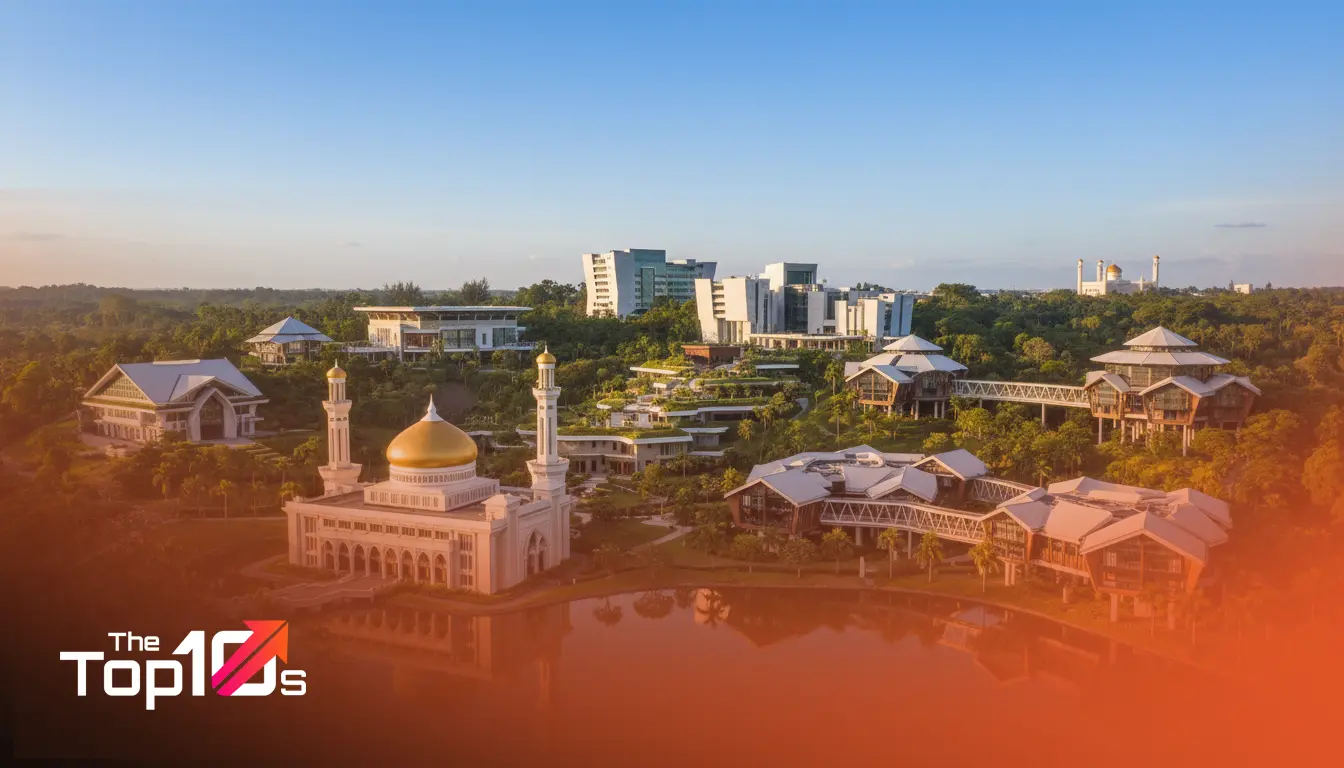
Building a property in Brunei Darussalam is more than just stacking bricks; it is an exercise in balancing cultural heritage with modern functionality. You might have the perfect plot of land in Rimba or a commercial vision for Kiulap, but without the right strategic partner to guide the design, even the best ideas can get lost in translation. Navigating the Authority for Building Control and Construction Industry (ABCi) requirements while trying to capture the unique aesthetic of the Abode of Peace requires a specific set of skills.
Finding a creative partner who understands our tropical climate—where scorching heat meets heavy monsoon rain—is non-negotiable. The difference between a stressful construction process and a seamless project often comes down to the person holding the pen. Whether you are planning a luxury residential villa, a sustainable eco-resort, or a functional office block, the architect you choose acts as the bridge between your dream and reality.
Quick Takeaways
- Local Expertise Matters: Brunei has specific building codes and climatic challenges that foreign architects might overlook.
- Specialization Varies: Some firms excel in high-tech commercial towers, while others shine in boutique residential renovations.
- The “Green” Shift: Sustainable design is no longer a trend; it’s a necessity for long-term cost savings in Brunei.
- Communication is Key: Your architect is your advocate during construction; choose someone you communicate with easily.
How We Identified Leading Architects
Selecting the names for this discussion wasn’t about looking at who has the flashiest Instagram account. We looked at the substance behind the sketches. Our methodology focused on professionals who have demonstrated consistency over time within the Bruneian market. We analyzed publicly available portfolios to understand the breadth of work, ranging from private residences to public infrastructure.
We also considered the firm’s adaptability. Architecture is a rapidly shifting field. Professionals who incorporate modern technology, such as Building Information Modeling (BIM), and show a clear understanding of sustainable practices ranked higher in our evaluation. Furthermore, we looked for firms with a track record of successfully navigating local planning approvals, a critical logistical hurdle in any development project here. The goal was to highlight professionals who balance artistic vision with technical reliability.
Top 10 Architects In Brunei
These architectural practices represent a diverse mix of design philosophies, from established industry veterans to dynamic, modern studios. Each brings a unique perspective to the built environment in Brunei.
1. Arkitek Idris
You cannot discuss Bruneian architecture without acknowledging the immense footprint of Arkitek Idris. Led by Dato Paduka Ar. Haji Idris, this firm is synonymous with some of the country’s most iconic structures. Their approach often blends modern design principles with distinct Islamic motifs, creating buildings that feel deeply rooted in the national identity.
Their strength lies in handling large-scale, culturally significant projects. If you are looking for a team that understands the gravity of institutional architecture and has decades of experience navigating high-profile developments, this firm stands out. They bring a level of gravitas to their work that is hard to replicate.
2. Eco-Bumi Arkitek
As the name suggests, this firm has carved out a significant niche in sustainable and environmentally conscious design. Led by Ar. Siti Rozaimeriyanty, Eco-Bumi moves beyond basic aesthetics to focus on how a building performs. They are known for integrating passive cooling techniques and energy-efficient systems, which is vital in our tropical climate.
This practice is an excellent option for developers or homeowners who want their project to be future-proof. If minimizing your carbon footprint and lowering long-term utility costs are priorities for your build, Eco-Bumi offers the technical expertise to make that happen without sacrificing visual appeal.
3. Booty Edwards & Partners (BEP)
BEP is an established name with a reputation for delivering robust commercial and residential projects. Their portfolio is vast, showcasing a versatility that allows them to tackle everything from educational institutions to private luxury homes. What sets them apart is their pragmatic approach to space planning.
Clients often appreciate their structured project management style. They are known for producing detailed documentation, which can significantly reduce confusion during the construction phase. If you value precision and a methodical design process, BEP is a strong candidate for your shortlist.
4. Arkitek Rekajaya
Arkitek Rekajaya has been a steady presence in the industry, known for delivering contemporary designs that remain functional. They avoid over-complicating structures, preferring clean lines and usable spaces. Their work on commercial complexes demonstrates a keen understanding of how people move through and interact with public spaces.
This firm is well-suited for business owners looking to maximize the utility of a commercial plot. They understand the balance between net lettable area and aesthetic value, ensuring that the final building makes economic sense for the developer.
5. OWMP International
With a presence that extends beyond Brunei, OWMP International brings a global perspective to local projects. They are often associated with larger master planning and significant commercial developments. Their team is accustomed to coordinating with various consultants, making them a solid choice for complex projects with multiple stakeholders.
Their design language tends to be modern and corporate. For developers planning a mixed-use facility or a corporate headquarters, OWMP offers the organizational capacity to handle large-scale logistics while delivering a polished, international standard of design.
6. Design 101
If you are looking for something sharper and more boutique, Design 101 is a name that frequently comes up in conversations about modern residential architecture. They tend to push the envelope slightly more than traditional firms, experimenting with varied materials and facade treatments.
This studio is particularly popular among younger homeowners who want a property that stands out from the standard suburban mold. They excel at creating bespoke living environments that feel personalized rather than copy-pasted.
7. Arkitek Ibrahim
Arkitek Ibrahim has built a reputation on reliability and a deep understanding of the local residential market. They are particularly adept at designing homes that fit the Bruneian family lifestyle—large gathering spaces, separation of public and private zones, and practical wet/dry kitchen layouts.
For families building their forever home, this firm offers a comforting level of empathy and practical knowledge. They understand the specific cultural nuances of how Bruneian families live, which translates into floor plans that just work.
8. Gemilang Latif Associates
This firm brings a thoughtful approach to institutional and religious architecture, though they are capable across various sectors. Their designs often feature a sense of grandeur and permanence. They pay close attention to the hierarchy of spaces, ensuring that buildings have a logical flow.
Gemilang Latif Associates is a strong contender for projects where dignity and presence are required. Their buildings command attention without being overly loud, striking a balance between modesty and impact.
9. Alif & Lam
A practice that has gained traction for its fresh approach to geometry and form. Alif & Lam often incorporates modern Islamic art interpretations into their facade designs, creating intricate patterns that play with light and shadow. This results in buildings that change character throughout the day as the sun moves.
They are an exciting choice for clients who want a building that acts as a piece of art. If you are interested in the intersection of tradition and modernity, their portfolio offers some compelling case studies.
10. Konsultan Alam Bina
Rounding out our list is Konsultan Alam Bina, a firm known for its grounded and contextual approach. They prioritize site analysis, ensuring that the building sits naturally within its topography rather than fighting against it. This sensitivity to the land results in projects that feel settled and mature from day one.
This approach makes them ideal for challenging plots—sloped land or irregular shapes. Instead of flattening everything, they work with the constraints to create unique architectural solutions.
What Defines a Great Architect in Brunei?
Architecture in this region faces a specific set of challenges. A great architect here does more than just draw pretty pictures; they act as a problem solver for the environment. The tropical climate is the first adversary. We experience high humidity, intense solar gain, and heavy rainfall. A top-tier professional knows how to orient a building to minimize direct heat while maximizing cross-ventilation, reducing your reliance on air conditioning.
Furthermore, cultural sensitivity is paramount. The “Melayu Islam Beraja” (MIB) philosophy often influences design expectations, particularly in public or large-scale projects. The ability to weave these cultural threads into a modern structure without it looking dated is a hallmark of true talent. This mirrors trends seen across Southeast Asia, where local identity is merging with global standards. For instance, similar adaptations are happening in neighboring regions; you can see how professionals are handling cultural integration by looking at the top 10 architects in Laos, who face similar challenges in balancing heritage with modernization.
Finally, technical proficiency regarding ABCi regulations is critical. The approval process can be stringent. An architect who knows the code inside out can save you months of delays. They anticipate the questions authorities will ask and design compliance into the project from the very first sketch.
How to Choose the Right Architect for Your Needs
Selecting an architect is like choosing a business partner; you will be working closely with them for a year or more. Here is a framework to help you make the right decision.
Define Your Project Scope First
Before you pick up the phone, know what you are building. A firm famous for skyscrapers might not be interested in or suited for a kitchen extension. Match the size of your project to the size of the firm. Boutique studios often offer more personal attention for residential projects, while larger firms have the manpower for commercial developments.
Review the “Real” Portfolio
Don’t just look at the 3D renders. Ask to see photos of completed projects that are at least three years old. How is the building aging? Are there rust streaks on the facade? Is the paint peeling? A pretty design that rots in the Brunei humidity is a bad investment. You want evidence of durability.
The Chemistry Check
Schedule a face-to-face consultation. Ask yourself: Do they listen more than they talk? A common red flag is an architect who tries to impose their signature style on your requirements. You want a collaborator who interprets your vision, not a dictator who ignores your budget. Speaking of budget, be transparent. Ask them specifically how they handle cost overruns and value engineering.
Frequently Asked Questions
How much do architects in Brunei charge?
Fees usually follow a percentage of the total construction cost, often ranging between 5% and 10%, depending on the complexity and scope of the services. Some architects may offer a lump sum fee for smaller, well-defined projects. Always clarify if this fee includes submission to authorities and structural engineering coordination.
Do I need an architect for a renovation?
If your renovation involves structural changes, altering the roofline, or extending the building footprint, you legally require a qualified person (QP) to submit plans to ABCi. Even for internal remodeling, an architect can help maximize space and light in ways a contractor might not envision.
How long does the design and approval process take?
The timeline varies wildly based on project complexity. Generally, allow 2-4 months for the design phase and an additional period for government approvals. It is wise to factor in potential delays and not rush the design phase, as changes on paper are cheap, while changes on concrete are expensive.
Can an architect help me find a builder?
Yes. Most established architects have a network of trusted contractors they have worked with previously. They can help you tender the project, compare quotes, and ensure the builder sticks to the specifications during construction.
What is the difference between an architect and a draftsman?
A draftsman produces technical drawings based on your instructions. An architect provides design strategy, problem-solving, aesthetic guidance, and project management. For simple, standard structures, a draftsman might suffice, but for custom designs that require planning approval and design flair, an architect is essential.
Moving Forward With Your Vision
Your choice of architect will dictate the quality of your daily life or the efficiency of your business for decades to come. Don’t rush this step. Take the time to interview multiple professionals from this list. Look for that spark of understanding—the moment when they get what you are trying to achieve and add value to it.
The best time to engage a professional is now, before you have set anything in stone. Reach out, start the conversation, and turn that abstract idea into a concrete plan. The skyline of Brunei is evolving, and with the right guidance, your project can be a worthy addition to it.