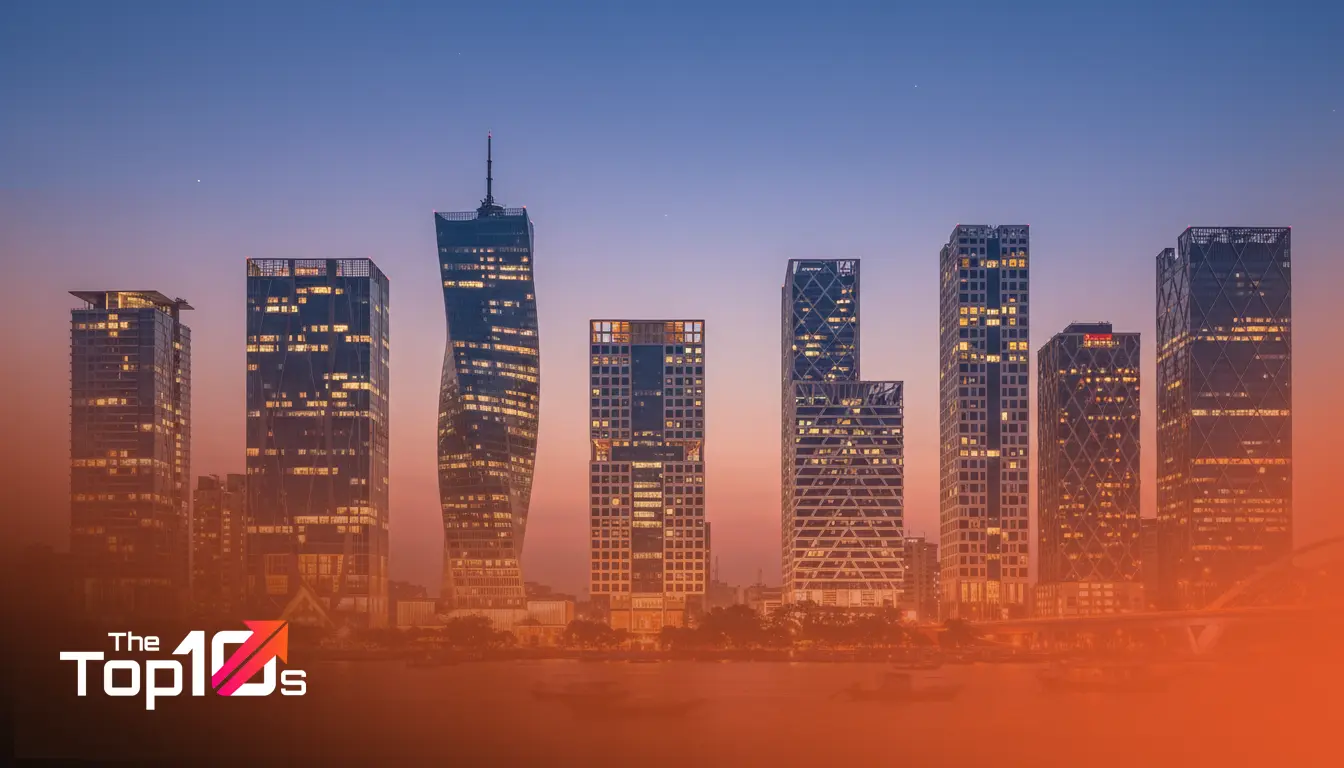
Building a home or commercial space in Dhaka is unlike building anywhere else in the world. Between the dense urban fabric, the intense monsoon rains, and the specific regulations set by RAJUK (Rajdhani Unnayan Kartripakkha), you aren’t just looking for someone who can draw a pretty floor plan. You need a visionary who understands how to balance concrete with green space, and privacy with ventilation.
Dhaka has evolved into a global hotspot for architectural innovation. We have moved past simple shelter needs into an era where design speaks to our heritage and our future simultaneously. Whether you own a plot in Bashundhara, a tight space in Dhanmondi, or a commercial zone in Gulshan, the right professional makes the difference between a building that traps heat and one that breathes.
Quick Takeaways
- Climate is King: The best local architects prioritize cross-ventilation and thermal mass to handle Dhaka’s humidity without relying solely on AC.
- Regulatory Compliance: RAJUK approval is complex; top-tier firms handle this bureaucratic navigation as part of their expertise.
- Material Honesty: Expect a heavy focus on exposed brick, concrete, and “Jali” (perforated screen) work, which are staples of modern Bengali architecture.
- Fees Vary: Costs typically range from a percentage of the total construction budget (3-10%) to a per-square-foot rate, depending on the firm’s prestige.
How We Identified Leading Architects
Creating a list of top architectural talent requires looking beyond flashy 3D renders. Our selection process focuses on substance, legacy, and livability. We analyzed publicly available portfolios, looking for professionals who have consistently delivered projects that stand the test of time—both structurally and aesthetically.
We considered the architect’s ability to maximize small footprints, a crucial skill in our crowded capital. We also looked at their standing with the Institute of Architects Bangladesh (IAB) and their recognition in international forums like the Aga Khan Award for Architecture. Finally, we listened to market sentiment regarding project management. A great design is useless if the architect cannot guide the contractor to execute it faithfully. The professionals listed below represent a mix of established legends and dynamic contemporary studios.
List of 10 Best Architects in Dhaka
| Name | Best for |
|---|---|
| Rafiq Azam (Shatotto) | High-end, artistic, and environmentally responsive design |
| Marina Tabassum (MTA) | Minimalism, cultural depth, and spaces that evoke a sense of calm |
| Kashef Chowdhury (URBANA) | Institutional projects or large-scale residential complexes |
| Mustapha Khalid Palash (Vistaara Architects) | Commercial and corporate sector, mega-projects |
| Ehsan Khan | Sophisticated and modernist approach, “quiet luxury” |
| Salauddin Ahmed (Atelier Robin) | Bespoke, art-piece-like homes that challenge conventional layouts |
| Iqbal Habib (Vitti Sthapati Brindo) | Large developments, mixed-use complexes, environmental assessment |
| Nahas Ahmed Khalil | Modern brick architecture, “classic” Bangladeshi modern look |
| Enamul Karim Nirjhar (System Architects) | Bold, statement-making projects, unconventional designs |
| Patrick D’Rozario (Synthesis Architects) | Warm, livable, and context-aware spaces, family homes |
Top 10 Architects in Dhaka
Here are ten architectural visionaries and firms shaping the skyline of Dhaka today.
1. Rafiq Azam (Shatotto)
Rafiq Azam is arguably the most recognized name in contemporary Bangladeshi architecture. His firm, Shatotto, operates under the philosophy of “Architecture for Green Living.” If you look at his residential projects in Gulshan or Banani, you will notice a seamless blur between the indoors and the outdoors. He doesn’t just design a house; he designs a micro-ecosystem.
His work frequently features water bodies, rooftop gardens, and ample natural light. Azam is best suited for clients who view their home as a sanctuary and are willing to invest in high-end, artistic, and environmentally responsive design. His holistic approach ensures that even in a concrete jungle, you feel connected to nature.
2. Marina Tabassum (MTA)
Marina Tabassum brings a profound sense of silence and spirituality to her work. As the principal of Marina Tabassum Architects, she gained global acclaim for the Bait Ur Rouf Mosque, which won the Aga Khan Award. However, her residential and public works are equally compelling. She rejects generic glass towers in favor of materials that age gracefully, particularly brick.
Her designs often utilize light as a building material, manipulating how the sun hits different surfaces throughout the day. This firm is an excellent match for clients who appreciate minimalism, cultural depth, and spaces that evoke a sense of calm. She prioritizes ventilation and local materials, making her buildings incredibly sustainable in the Dhaka context.
3. Kashef Chowdhury (URBANA)
Kashef Chowdhury is known for his mastery of geometry and light. His firm, URBANA, tackles projects ranging from cyclone shelters in coastal areas to luxury residences in the capital. There is a cinematic quality to his work; moving through his buildings feels like a choreographed journey.
Chowdhury is particularly skilled at using concrete to create structures that feel both heavy and weightless. He is a strong candidate for institutional projects or large-scale residential complexes where the architecture needs to make a bold, sculptural statement while remaining functionally rigorous.
4. Mustapha Khalid Palash (Vistaara Architects)
If you see a sleek, modern high-rise in Dhaka that looks like it belongs in Singapore or New York, there is a good chance Mustapha Khalid Palash designed it. His firm, Vistaara Architects, is a powerhouse in the commercial and corporate sector. They are responsible for landmarks like the Bashundhara City complex and various 5-star hotels.
Vistaara is known for technical precision, speed, and handling massive scale. For developers or business owners looking to build corporate headquarters, shopping malls, or high-density apartment complexes, Palash offers the organizational capacity and technical expertise required for mega-projects.
5. Ehsan Khan
Ehsan Khan is celebrated for his sophisticated and modernist approach. His work often pays homage to the legendary Muzharul Islam but with a distinct contemporary voice. Khan’s designs are characterized by clean lines, functional spaces, and an absence of unnecessary ornamentation.
He gained significant attention for his design of the Mausoleum of Bangabandhu Sheikh Mujibur Rahman, proving his ability to handle projects of immense national significance. For private homeowners, Khan offers an aesthetic that is elegant, understated, and highly functional. He is ideal for clients who prefer “quiet luxury” over ostentatious displays.
6. Salauddin Ahmed (Atelier Robin)
Salauddin Ahmed leads Atelier Robin with an artist’s soul. His background is unique, often blending texture, art, and raw materials in ways that surprise the viewer. He doesn’t believe in cookie-cutter solutions. Every project he undertakes is a bespoke response to the site and the client’s personality.
His residential works often feel intimate and warm, utilizing exposed brick and wood to create texture. If you are a client who wants a home that feels like an art piece—one that challenges conventional layouts and offers unique spatial experiences—Ahmed is the architect to call.
7. Iqbal Habib (Vitti Sthapati Brindo)
As a key figure at Vitti Sthapati Brindo, Iqbal Habib is not just an architect but an urban thinker and environmental activist. This firm is deeply involved in how buildings interact with the city. They have worked on significant public projects, including the Hatirjheel development, which transformed a dead water body into a vibrant public space.
For clients, this means hiring a team that understands the macro picture. They are excellent for large developments, mixed-use complexes, and projects that require rigorous environmental assessment. Their approach ensures that your building contributes positively to the neighborhood rather than just occupying space.
8. Nahas Ahmed Khalil
Nahas Ahmed Khalil is a name synonymous with modern brick architecture in Bangladesh. He has defined a style that feels incredibly local yet distinctly modern. His residential projects are easily identifiable by their strong geometric forms, deep overhangs (to protect from rain and sun), and extensive use of exposed brickwork.
He is particularly popular among homeowners in Dhanmondi and Uttara who want a “classic” Bangladeshi modern look. His designs age very well, requiring less exterior maintenance than painted plaster buildings. Choose Khalil if you want a home that feels permanent, grounded, and climatically intelligent.
9. Enamul Karim Nirjhar (System Architects)
Enamul Karim Nirjhar is an architect, filmmaker, and creative thinker. His firm, System Architects, approaches design with a focus on storytelling. His buildings often break away from the rectangular grid, employing curves and unconventional angles to create dynamic energy.
His work can be polarizing—it is bold and unapologetic. This makes him a perfect fit for clients who want to make a statement. Whether it is a commercial tower or a private residence, a project by Nirjhar will never be boring. He pushes boundaries and challenges the status quo of Dhaka’s visual language.
10. Patrick D’Rozario (Synthesis Architects)
Patrick D’Rozario and his team at Synthesis Architects have carved out a reputation for creating warm, livable, and context-aware spaces. They are known for listening closely to clients and translating abstract desires into brick and mortar. Their portfolio includes a mix of apartment buildings and single-family homes that emphasize community and interaction.
Synthesis is a great choice for families. They pay attention to the “in-between” spaces—verandas, stairwells, and entrance foyers—that actually determine how a home feels to live in. Their designs are practical, cost-effective, and aesthetically pleasing without being overly experimental.
What Defines a Great Architect in Dhaka?
Dhaka is not an easy place to build. A great architect here must be a master of climate control. The city suffers from high humidity and scorching summers. The top professionals understand passive cooling techniques. They orient buildings to catch the south-easterly breeze and use “shading devices” to block direct solar heat gain while admitting light.
Furthermore, they must understand the soil. Dhaka sits on a delta, and soil conditions vary wildly from Mirpur to Bashundhara. Experienced architects work closely with structural engineers to ensure foundation safety. They also navigate the “FAR” (Floor Area Ratio) rules set by RAJUK, ensuring you get the maximum legal square footage without violating codes that could lead to demolition orders later.
Interestingly, design principles often transcend borders. For instance, the challenge of managing tropical heat and monsoon rain is shared across South Asia. If you are exploring designs across the region to understand how different architects handle these elements, reviewing the Top 10 Architects in Kochi can offer interesting perspectives on tropical modernism that parallels what we see in Dhaka.
How to Choose the Right Architect for Your Needs
Selecting an architect is a relationship that will last two to four years. Here is how to make the right choice.
Assess Their Portfolio for Your Specific Type
Some architects excel at high-rise steel structures, while others are masters of intimate brick homes. Don’t hire a commercial specialist to design your retirement home, and vice versa. Look for completed projects that mirror the scale and function of what you want to build.
The “Site Visit” Test
Ask to visit a building they designed 5 or 10 years ago. A rendering always looks perfect, but a real building tells the truth. How has the material aged? Is the basement dry or damp? Is the house cool in the summer? The longevity of their work is the best indicator of their technical competence.
Communication and Transparency
During the initial consultation, pay attention to who does the talking. Are they listening to your needs, or are they lecturing you on their artistic vision? You need a partner, not a dictator. Also, ask for a clear fee structure upfront. Does it include site supervision? Does it include 3D interior modeling? Clarity here prevents disputes later.
Frequently Asked Questions
How much do architects in Dhaka charge?
Fees vary significantly based on reputation. Some charge a lump sum, while others charge a percentage of the total construction cost (usually between 3% and 8%). Some firms may charge on a per-square-foot basis, ranging from 150 BDT to over 500 BDT per sft for design and supervision.
Do I really need an architect for a small plot?
Yes, especially for small plots. In Dhaka, maximizing a small space while adhering to RAJUK setback rules requires immense creativity. A professional can find space for light and air that an unskilled drafter will miss, making a small home feel much larger.
Does the architect handle RAJUK approval?
Most established architectural firms offer RAJUK approval processing as part of their service or as an add-on. They prepare the specific submission drawings required by the authority. However, the client usually pays the official government fees directly.
What is the difference between an architect and a civil engineer?
An architect focuses on the design, spatial planning, aesthetics, and functionality of the building. A civil engineer focuses on the structural integrity—ensuring the beams and columns can hold the weight. In Dhaka, you need both professionals working together for a safe, beautiful building.
Building Your Legacy
Your building is a legacy that will likely outlast you. In a city as energetic and complex as Dhaka, the right architect acts as your guide through the chaos of construction. They protect your investment by ensuring the design is not only beautiful today but remains functional and structurally sound for decades.
Don’t rush this decision. Meet with multiple firms, ask hard questions about their experience with local regulations, and choose someone whose vision aligns with your lifestyle. Whether you choose the organic brickwork of Shatotto or the sleek lines of Vistaara, you are contributing to the evolving narrative of Bangladeshi architecture.