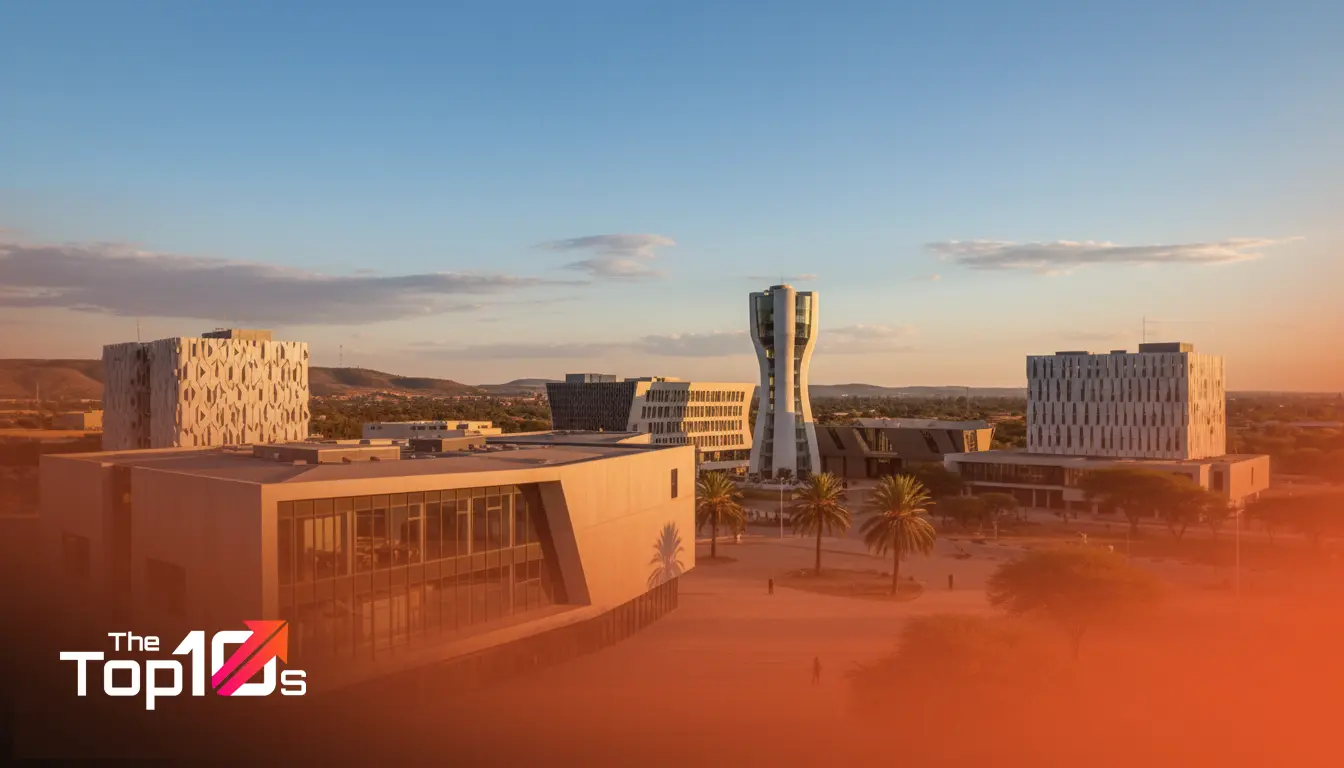
Building a home or a commercial space in Gaborone isn’t just about pouring concrete. It is about interpreting the intense Botswana sun, navigating the specific soil conditions of the city, and understanding how modern design intersects with Tswana heritage. If you drive through the Central Business District (CBD) or the expanding neighborhoods of Phakalane, you see a skyline that is shifting rapidly.
You might be looking at a plot of land and wondering where to start. The difference between a stressful, budget-blowing project and a smooth construction process often comes down to one person: the architect. This professional is your translator, turning your vague ideas into technical drawings that a contractor can actually build.
Finding the right partner for your project can feel overwhelming. With so many firms operating in the capital, how do you distinguish between someone who draws plans and a registered professional who manages the entire lifecycle of a building? We have analyzed the local market to help you make an informed decision.
Quick Takeaways
- Registration Matters: Always verify that your chosen professional is registered with the Architects’ Registration Council (ARC) of Botswana.
- Context is Key: The best designs in Gaborone account for thermal mass and solar orientation to keep cooling costs down.
- Specialization Variances: Some firms excel at high-rise commercial towers, while others specialize in intimate, family-centric residential designs.
- Full Service vs. Draftsman: Understand if you are paying for simple drawings or full project supervision.
How We Identified Leading Architects
Selecting the professionals for this overview required more than just looking at glossy Instagram photos. We focused on the tangible elements that define reliability and design excellence in the Botswana market. Our approach prioritized substance over style.
First, we looked at professional standing. In Botswana, legitimate practice is governed by strict regulations. We prioritized firms and individuals who demonstrate consistent adherence to the standards set by the Architects’ Registration Council (ARC). This is the first line of defense for any client against substandard work.
Second, we examined portfolio diversity and longevity. A firm that has successfully delivered a mix of residential, commercial, and institutional projects over several years demonstrates adaptability. We looked for completed structures that have stood the test of time, rather than just digital renderings of future concepts.
Finally, we considered local integration. The most effective architects in Gaborone understand local municipal by-laws, have established relationships with reliable contractors, and know where to source materials within the Southern African Development Community (SADC) region to keep costs manageable.
List of 10 Best Architects in Gaborone
| Name | Best For |
|---|---|
| Mosienyane & Partners International | Large commercial development or institutional building |
| Secta Architects | Modern office spaces or mixed-use developments |
| Tectura International | High-end hospitality or corporate headquarters |
| Pinagare Architects | Education institutions or community centers |
| FMA Architects | Custom residential builds or small commercial projects |
| Nutrend Design | Luxury residential projects in Phakalane or Gaborone North |
| Kago Design | MEDIUM-density housing or townhouse complexes |
| Ludo Architects | Energy-efficient office blocks or homes |
| Nandipha Architecture | Bespoke solutions for challenging sites |
| Landmark Projects | Retail and commercial fit-outs |
Top 10 Architects in Gaborone
Here is a look at ten architectural practices shaping the built environment in Gaborone. These firms range from large, multi-disciplinary teams to boutique studios focusing on bespoke residential work.
1. Mosienyane & Partners International
You cannot discuss the architectural history of modern Botswana without referencing this firm. Established decades ago, Mosienyane & Partners has been instrumental in shaping the country’s institutional and commercial landscape. They are a heavyweight in the industry, often associated with large-scale government projects, healthcare facilities, and major office complexes.
Why they stand out: Their sheer capacity to handle massive, complex projects sets them apart. They bring a level of project management rigor that is essential for developments where logistics are just as important as aesthetics. If you are planning a large commercial development or an institutional building, their experience with regulatory compliance and large budgets is extensive.
2. Secta Architects
Secta Architects has carved out a reputation for delivering sleek, contemporary designs that feel right at home in a modernizing African city. Their work often features clean lines, extensive use of glass, and a strong emphasis on functional flow. They manage to balance the demands of high-density commercial spaces with the human need for breathable environments.
Best suited for: Developers looking for modern office spaces or mixed-use developments in areas like the new CBD. Their designs tend to maximize rentable space while maintaining a striking visual appeal that attracts tenants.
3. Tectura International
As part of a larger regional presence, Tectura International brings a pan-African perspective to their work in Gaborone. Operating across multiple countries allows them to import best practices and design trends from recognized hubs like Nairobi and Johannesburg, adapting them to the Botswana context. Their portfolio is vast, covering everything from hospitality to intricate corporate headquarters.
Project focus: They are particularly strong in the hospitality and corporate sectors. If you want a building that meets international design standards and sustainability benchmarks, Tectura’s broad resource base is a significant asset.
4. Pinagare Architects
Pinagare Architects is often noted for a sensitive approach to design that respects local culture and climate. Their name itself evokes the traditional Tswana support pillar, suggesting a philosophy grounded in structural integrity and community support. They often work on projects that require a thoughtful blend of modern functionality and cultural relevance.
Design philosophy: This firm is an excellent choice for educational institutions or community centers where the building needs to welcome the public rather than intimidate them. Their residential work also tends to focus on family dynamics and livability.
5. FMA Architects
FMA has established itself as a reliable, technically proficient firm capable of delivering high-quality residential and commercial work. They are known for paying close attention to the “nuts and bolts” of architecture—ensuring that detailing is precise and that buildings perform well over time. Their designs are often pragmatic yet elegant, avoiding unnecessary ornamentation in favor of solid form.
Who should consider them: Homeowners wanting a custom build that balances budget with design quality. FMA is known for being approachable and helping clients navigate the often-confusing construction process.
6. Nutrend Design
If you are walking through some of Gaborone’s more upscale residential suburbs, you have likely seen work by Nutrend. They have a flair for modern luxury. Their residential projects often feature open-plan layouts, seamless indoor-outdoor transitions—perfect for Botswana’s evenings—and high-end finishes.
Specialty: Luxury residential. If you are building your “forever home” in Phakalane or Gaborone North and want something that makes a statement while remaining comfortable, Nutrend is a strong contender.
7. Kago Design
Kago Design focuses heavily on the practicality of building. In an industry where costs can spiral, having an architect who keeps a close eye on the budget and buildability is invaluable. Their portfolio includes a mix of residential housing and light commercial projects, often characterized by efficient use of space and materials.
Client fit: Real estate developers focused on medium-density housing or townhouse complexes. Kago understands how to design units that are cost-effective to build but still attractive to buyers and tenants.
8. Ludo Architects
Sustainability is moving from a buzzword to a necessity in Gaborone, and firms like Ludo Architects are increasingly addressing this. Their work often shows a conscious effort to mitigate heat gain through passive design principles—using building orientation, shading devices, and ventilation to reduce reliance on air conditioning.
Why choose them: If energy efficiency and long-term operational costs are your priority, Ludo’s approach to environmentally responsive design makes them a smart partner. They are well-suited for office blocks or homes where utility costs are a major concern.
9. Nandipha Architecture
This is a practice that brings a fresh, detailed perspective to the local market. Nandipha Architecture is often praised for creativity and “out of the box” thinking. They tackle difficult plots—those with odd shapes or challenging slopes—with innovative solutions that turn constraints into design features.
Strength: Bespoke solutions. If you have a challenging site or a very specific vision that requires a non-standard approach, their creative problem-solving skills are highly effective.
10. Landmark Projects
Rounding out our list is Landmark Projects, a firm that bridges the gap between urban planning and individual building design. They often look at how a building sits within the wider neighborhood context. Their commercial projects are designed to handle high foot traffic, making them practical choices for retail and public-facing businesses.
Best for: Retail and commercial fit-outs. They understand the flow of people and commerce, ensuring that the physical space supports the business activities happening inside.
What Defines a Great Architect in Gaborone?
Architecture in Botswana requires a specific set of skills that goes beyond drawing pretty pictures. The environment here is unforgiving to poor design. A glass box might look beautiful in a magazine, but in Gaborone’s October heat, it becomes a greenhouse if not properly treated.
Climate Responsiveness
The most talented professionals in this region prioritize passive cooling. They understand the angle of the sun at different times of the year. They use overhangs, screens (brise soleil), and thermal mass (thick walls or concrete floors) to regulate internal temperatures naturally. If an architect isn’t talking to you about cross-ventilation, proceed with caution.
Navigating Bureaucracy
Great architects are also diplomats. Getting plans approved by the Gaborone City Council can be a test of patience. Experienced professionals know the specific requirements of the council, how to present drawings to avoid rejection, and how to expedite the permitting process legally and efficiently.
Material Knowledge
Importing materials can be expensive and cause delays at the border. The top local architects know what materials are available locally or regionally. They know which brick suppliers are reliable and which glazing systems can withstand the dust and wind. This knowledge saves clients significant money and time.
Architectural excellence isn’t confined to Southern Africa. Across the continent, from Gaborone to West Africa, designers are solving similar challenges regarding climate and urbanization. For a perspective on how other regions are tackling these issues, look at the leading professionals in Ghana, such as the top 10 architects in Kumasi, who are also blending tradition with modern needs.
How to Choose the Right Architect for Your Needs
Hiring an architect is a relationship that could last two years or more. You need to like their work, but you also need to trust them with your money. Here is a framework for making that choice.
Define Your Project Scope
Are you building a shopping mall or adding a guest wing to your house? Some large firms will not take on small residential renovations, and some boutique designers lack the insurance and staff to handle a multi-story office block. Match the size of the firm to the size of your project.
Check the Registration
Never skip this step. Ask for their ARC registration number. This ensures they are legally allowed to practice in Botswana and carry the necessary professional indemnity insurance. This protects you if there are structural failures or negligence in the design.
Ask the Right Questions
When interviewing potential candidates, go beyond “how much do you charge?” Ask:
- “How do you handle cost overruns during construction?”
- “Who in your office will be my day-to-day contact?” (It might not be the principal architect).
- “Can you take me to see a building you completed five years ago?” (This shows how their work ages).
Understanding Fees
Architectural fees in Botswana are generally guided by a tariff of fees published by the regulatory body, usually a percentage of the construction cost. However, this can vary based on complexity. Be wary of fees that seem too low. Often, a “cheap” architect saves money by cutting corners on the drawings, which leads to expensive confusion for the builder later on.
Frequently Asked Questions
How much does an architect cost in Gaborone?
Fees are typically calculated as a percentage of the total construction cost, often ranging between 6% and 12%, depending on the project’s complexity and scope. Some architects may offer a lump sum fee for smaller, well-defined projects. Always clarify if this fee includes site visits and supervision.
Do I really need an architect for a house?
While you can legally use a draftsman for simple structures, an architect adds value through design efficiency, space planning, and project management. A good architect can actually save you money by designing a home that is cheaper to cool and maintain, and by preventing costly construction errors.
How long does it take to get building plans approved in Gaborone?
The timeline varies. Once submitted to the Gaborone City Council, approval can take anywhere from four weeks to several months, depending on the backlog and whether the drawings require corrections. Your architect’s ability to follow submission guidelines strictly is the biggest factor in speed.
Can architects in Botswana manage the construction process?
Yes. This service is called “contract administration.” The architect acts as your agent, checking that the builder is following the plans, verifying the quality of materials, and certifying payment requests. This is highly recommended for clients who cannot be on-site daily.
What is the difference between an architect and a structural engineer?
An architect focuses on the design, layout, aesthetics, and function of the building. A structural engineer calculates the loads to ensure the building stands up (foundations, beams, columns). For most projects in Gaborone, you will need to hire both, and they usually work together closely.
Moving Forward with Your Project
Your choice of architect will shape the environment you live or work in for decades. Gaborone is home to a wealth of design talent, ranging from stalwarts who have built the city’s foundations to young firms reimagining its future.
Don’t rush the selection process. Meet with three different firms. Look at their past work, not just on a screen, but in person. Ask about their experience with the Botswana Institute of Development Professions (BIDP). Listen to how they speak about budget and timelines. The right partner will not just agree with everything you say; they will challenge your assumptions to ensure the final result is better than you imagined.
Whether you are envisioning a corporate headquarters in the CBD or a sustainable family home, the expertise is available locally. It is now up to you to engage with these professionals and start the conversation that turns a vacant plot into a landmark.