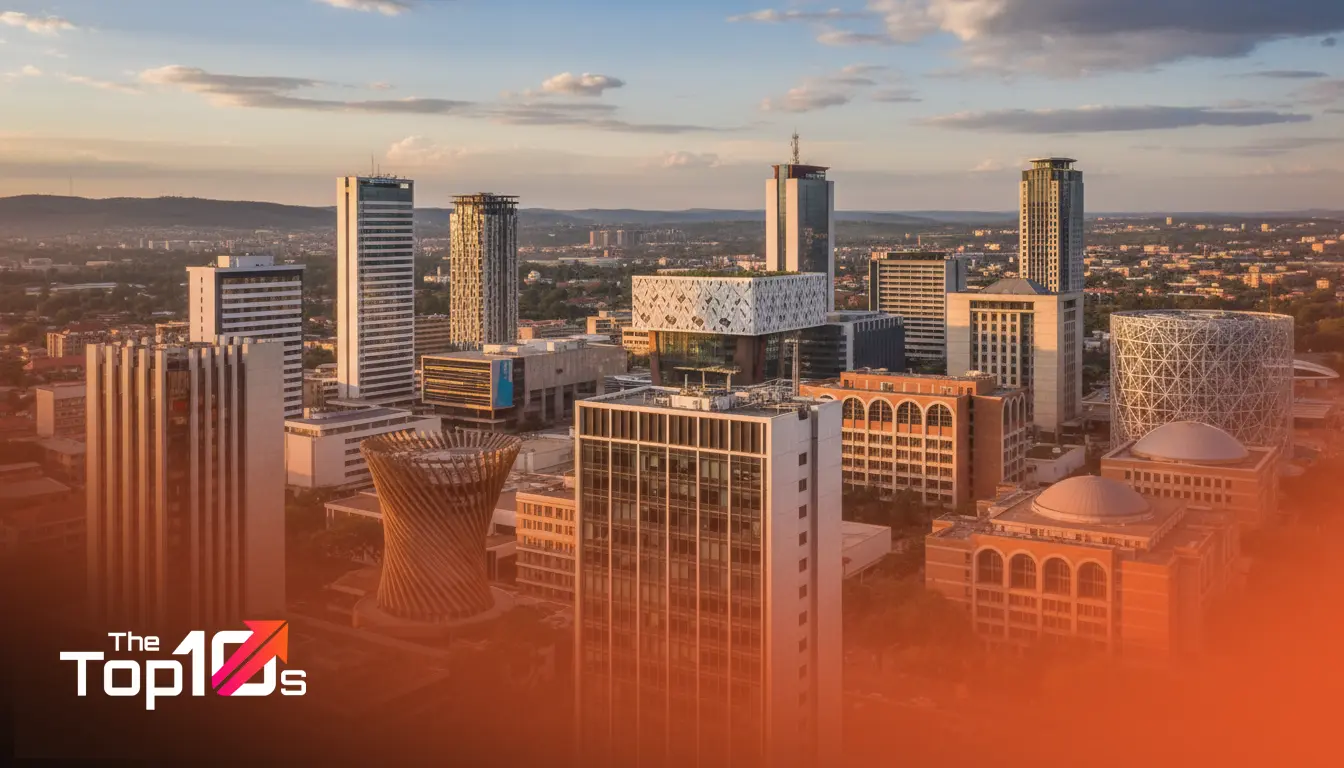
Building a property in Harare is about more than just laying bricks in Borrowdale or setting up a commercial space in the CBD. It is an exercise in patience, vision, and navigating the unique red soil and regulatory landscape of Zimbabwe’s capital. Whether you are looking to construct a passive-cooling family home that handles the October heat without racking up energy bills, or a high-efficiency office complex, the person holding the pen—or the stylus—matters immensely.
The difference between a project that stalls at the council approval stage and one that rises seamlessly lies in the expertise of your design team. You need a partner who understands not just aesthetics, but the pragmatic realities of local supply chains, City of Harare bylaws, and site-specific topography. Finding experienced architectural professionals in Harare can feel overwhelming because the talent pool is deep, but varied.
Quick Takeaways: Hiring Talent in Harare
- Registration is Non-Negotiable: Ensure your architect is registered with the Institute of Architects of Zimbabwe (IAZ). This protects you legally and professionally.
- Local Nuance: The best designs account for Harare’s specific solar path and rainfall patterns to prevent damp and overheating.
- Full Service vs. Design Only: Clarify early if you need someone to manage the construction contract or simply provide the drawings.
- Council Knowledge: A great architect knows how to expedite the famously slow permit approval process through correct submission protocols.
If you are exploring design options across the region, it is interesting to compare stylistic approaches. For instance, the market trends shaping the top 10 architects in Lilongwe often mirror the sustainable shifts we are seeing right here in Zimbabwe, specifically regarding locally sourced materials.
How We Identified Leading Architects
Selecting the names for this list wasn’t about looking for the flashiest website. In the construction industry, reputation is currency. We analyzed several key indicators to determine which firms and individuals are consistently delivering value to their clients.
Our evaluation looked at longevity and portfolio diversity. A firm that has successfully delivered both residential renovations in Avondale and commercial fit-outs in Newlands demonstrates a versatile technical skillset. We also considered peer recognition—who do other engineers and quantity surveyors recommend? Finally, we prioritized those with a demonstrated understanding of sustainable building practices, a critical factor given Zimbabwe’s energy context.
Please note that this list is not a ranking from one to ten, but rather a curated collection of top-tier professionals who have shaped Harare’s skyline and residential suburbs.
List of 10 Best Architects in Harare
| Name | Best For |
|---|---|
| Pantic Architects | High-end residential and corporate headquarters that require a sleek, European-influenced design language. |
| Pearce McComish Tarabuku | Landmark architecture that tells a story and significantly reduces operational costs through passive design. |
| Architectural Planning Studio (APS) | Commercial developers needing a reliable partner who can manage the scale of a shopping mall or office complex, or homeowners planning a large cluster development. |
| Stone/Beattie Studio | The homeowner who has a specific vision and wants a collaborative, creative partner to design a unique, texture-rich living space. |
| Ultrakon (Design Division) | Business owners who need a streamlined process from design to handover, minimizing the “blame game” between designers and contractors. |
| The Bespoke Group | People buying “fixer-uppers” in established neighborhoods like Highlands or Mount Pleasant who want to modernize without losing the property’s character. |
| Mukashi Design Lab | Younger homeowners or startups looking for fresh, energetic designs that challenge traditional layouts. |
| Model Architects | Committees and boards running public or semi-public projects where accountability and durability are the primary concerns. |
| Local Studio (Zimbabwe Presence) | Investors looking at town planning or multi-use buildings that require a sophisticated understanding of urban flow. |
| Studio 5 Architects | Clients building dream homes on scenic plots, perhaps in Glen Lorne or Shawasha Hills, where the view is the primary asset. |
Top 10 Architects in Harare
1. Pantic Architects
Led by Ljubica Pantic, this firm has carved out a distinct niche in the Zimbabwean market by fusing modern aesthetics with rigorous energy efficiency. If you walk through some of the more contemporary structures in Harare’s northern suburbs, you have likely seen their influence.
Area of Specialization: They excel in high-end residential and corporate headquarters that require a sleek, European-influenced design language. Their work often emphasizes natural light and thermal comfort without over-relying on air conditioning.
Who They Are For: Clients who want a “statement” property that functions as efficiently as it looks. If you prioritize green ratings and modern geometry, this practice warrants a conversation.
2. Pearce McComish Tarabuku
It is impossible to discuss Zimbabwean architecture without referencing the legacy of Mick Pearce, whose biomimicry principles (modeled after termite mounds) put the Eastgate Centre on the global map. This firm carries that DNA of innovation and deep respect for the African environment.
Area of Specialization: Large-scale commercial projects and institutional buildings. Their approach goes beyond how a building looks; they focus intensely on how a building “breathes” and behaves over decades.
Who They Are For: Developers and institutions looking for landmark architecture that tells a story and significantly reduces operational costs through passive design.
3. Architectural Planning Studio (APS)
APS has established itself as a heavyweight in the local industry, known for delivering robust, technically sound projects. Their reputation rests on their ability to handle complex logistics and large teams, which is crucial for big developments.
Area of Specialization: They have a strong portfolio in retail centers, office parks, and luxury residential clusters. Their designs tend to be functional yet elegant, maximizing rentable space for commercial clients while maintaining aesthetic appeal.
Who They Are For: Commercial developers needing a reliable partner who can manage the scale of a shopping mall or office complex, or homeowners planning a large cluster development.
4. Stone/Beattie Studio
For those who view their home as a piece of art, Stone/Beattie offers a very distinct, tactile approach. Their work often highlights the raw beauty of materials—exposed brick, steel, and timber—blended in a way that feels warm rather than industrial.
Area of Specialization: Bespoke residential projects and boutique lodges. They are masters of “contextual modernism,” ensuring a house sits in the landscape rather than just on it.
Who They Are For: The homeowner who has a specific vision and wants a collaborative, creative partner to design a unique, texture-rich living space.
5. Ultrakon (Design Division)
While often associated with project management and construction, the design arm associated with major turnkey projects in Harare deserves mention. They bridge the gap between the drafting table and the construction site, often reducing the friction that occurs between architects and builders.
Area of Specialization: Industrial and practical commercial facilities. Their strength lies in constructability—designing structures that are practical to build within the local supply chain constraints.
Who They Are For: Business owners who need a streamlined process from design to handover, minimizing the “blame game” between designers and contractors.
6. The Bespoke Group
As the name implies, this firm steers away from cookie-cutter designs. They have gained traction for interior architecture and renovations that transform older Harare colonial houses into modern, open-plan living spaces.
Area of Specialization: Residential renovations and high-spec interiors. They understand the “bones” of Harare’s older housing stock and know how to update them for modern lifestyles.
Who They Are For: People buying “fixer-uppers” in established neighborhoods like Highlands or Mount Pleasant who want to modernize without losing the property’s character.
7. Mukashi Design Lab
A younger, more agile entrant to the scene, Mukashi represents the new wave of Zimbabwean design. They often utilize 3D modeling and visualization tools that help clients see exactly what they are getting before a single brick is purchased.
Area of Specialization: Compact urban living and creative commercial fit-outs. They are particularly good at making smaller spaces feel expansive through clever layout planning.
Who They Are For: Younger homeowners or startups looking for fresh, energetic designs that challenge traditional layouts.
8. Model Architects
This firm has a reputation for precision and professionalism. In an industry where timelines can sometimes drift, Model Architects are known for their rigorous adherence to schedules and documentation.
Area of Specialization: Educational facilities, churches, and community centers. They handle high-traffic buildings with durability in mind.
Who They Are For: Committees and boards running public or semi-public projects where accountability and durability are the primary concerns.
9. Local Studio (Zimbabwe Presence)
Collaborating often across borders, firms with a “local” focus bring international standards to the Zimbabwean context. They are adept at navigating the difficult terrain of importing specific finishes while utilizing local labor.
Area of Specialization: Urban regeneration and mixed-use developments. They look at how a building interacts with the street and the community.
Who They Are For: Investors looking at town planning or multi-use buildings that require a sophisticated understanding of urban flow.
10. Studio 5 Architects
Rounding out our list is a firm that balances flair with functionality. Studio 5 has produced some striking residential work that maximizes views and integrates outdoor living—a must for the Harare climate.
Area of Specialization: Luxury residential and hospitality. Their designs often feature large verandas and seamless transitions between indoors and outdoors.
Who They Are For: Clients building dream homes on scenic plots, perhaps in Glen Lorne or Shawasha Hills, where the view is the primary asset.
What Defines a Great Architect in Harare?
Architecture in Zimbabwe faces a specific set of challenges that separates the average drafter from a true professional. A great architect here does not just draw pretty lines; they solve problems before they happen.
Climate Responsiveness
Harare enjoys a subtropical highland climate. We have intense sun, a rainy season, and cool winters. Exceptional architects design specifically for this. They orient the building to block the harsh west sun while capturing the northern light for winter warmth. They use cross-ventilation strategies to eliminate the need for air conditioning, saving you thousands in operational costs over the building’s life.
Material Reality
It is easy to design a glass box, but importing that glass might blow your budget. Top architects know what is available locally—from face brick to teak—and how to use it elegantly. They understand supply chain fluctuations and design with materials that can actually be sourced in Harare.
Bureaucratic Navigation
The City of Harare has strict zoning laws regarding building lines, coverage ratios, and septic systems. A skilled architect acts as your advocate, ensuring drawings are compliant from day one to avoid months of back-and-forth with the council.
How to Choose the Right Architect for Your Needs
Hiring a professional is a relationship that can last anywhere from six months to three years. You need to get the chemistry right.
Check the Portfolio for Relevance
If you want a cozy cottage renovation, a firm that specializes in 20-story office towers might not give your project the attention it needs. Ask to see examples specifically in the category you are building. If you are renovating, ask for “before and after” photos.
Discuss the Budget Openly
Many projects fail because the design budget and the build budget are misaligned. Ask the architect: “What is the estimated cost per square meter for this level of finish?” If they cannot give you a ballpark figure based on current market rates, be cautious. You can also cross-reference general building standards with resources like ArchDaily to see global best practices, though local pricing will always differ.
Understanding Fees
Architectural fees in Zimbabwe are generally guided by the IAZ scales, usually a percentage of the construction cost. However, some work on a fixed fee or hourly basis. Ensure you understand exactly what that fee covers. Does it include site visits? Structural engineering? 3D renderings? Get this in writing.
Frequently Asked Questions
How much do architects charge in Harare?
Fees typically range between 6% and 12% of the total construction cost, depending on the complexity of the project and the scope of services. A simple design-only contract will cost less than a full project management service where the architect oversees the builder.
Do I need an architect for a small renovation?
Legally, any structural change requires council approval, which needs a professional drawing. While you might not need a top-tier firm for a bathroom addition, hiring a registered professional ensures your walls don’t crack and your paperwork is legal.
How long does council approval take in Harare?
This varies wildly. It can take anywhere from a few weeks to several months. A well-connected architect who submits compliant, error-free drawings can usually expedite this process significantly compared to a novice.
Can architects help me find a builder?
Yes. Experienced architects have a “shortlist” of reliable contractors they have worked with before. This referral is often worth the architect’s fee alone, as it protects you from fly-by-night builders.
Next Steps for Your Project
Embarking on a construction project is one of the biggest financial commitments you will make. The right design professional protects that investment. Don’t rush the hiring process. Meet with at least three firms from the list above. Walk them through your site, look at their previous work, and see who listens more than they talk.
Your goal is to find a partner who respects your budget, understands your vision, and has the technical prowess to navigate the local landscape. Once you find that alignment, you are ready to break ground.