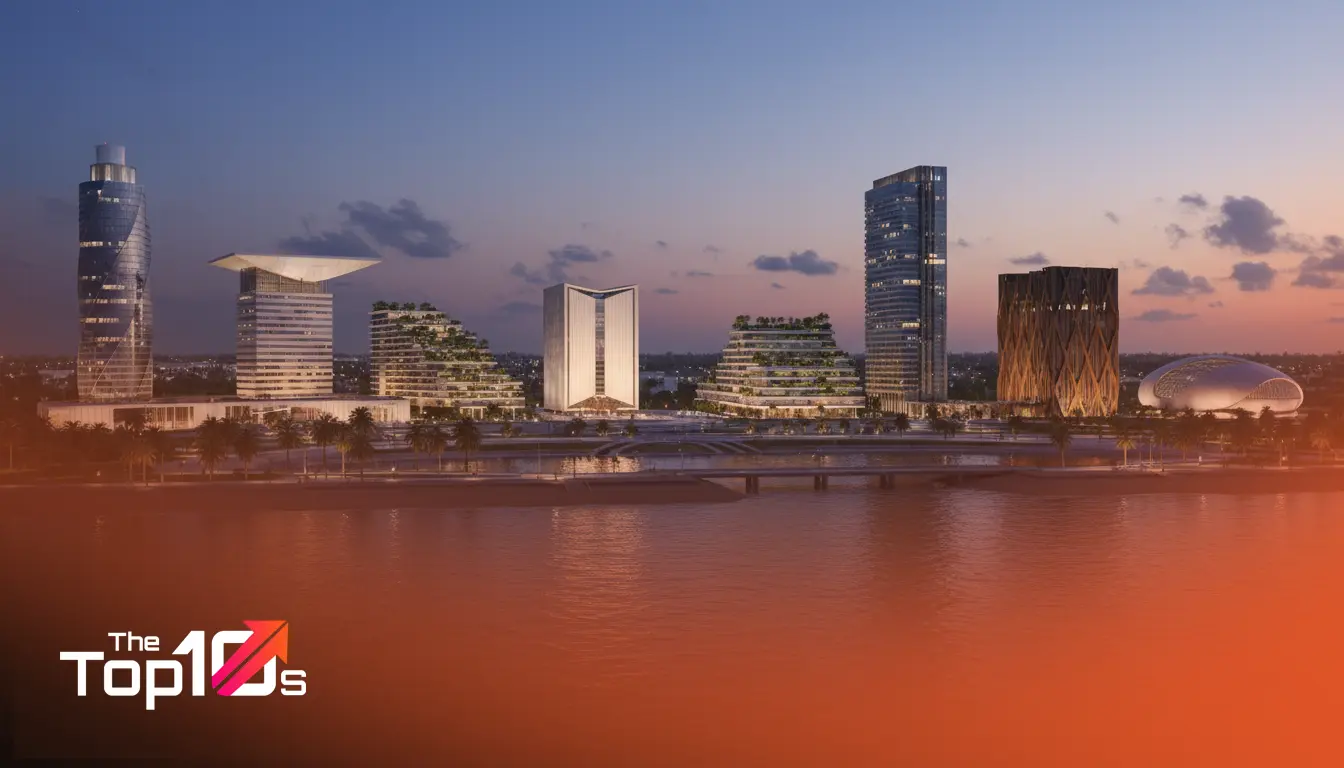
Building in Libreville presents a unique set of challenges and opportunities. You aren’t just designing four walls and a roof; you are negotiating with the intense humidity of the Estuary, the distinct light of the Gabonese coast, and the logistical realities of sourcing materials in Central Africa. Whether you are planning a villa in La Sablière, a commercial complex in the city center, or a renovation in Louis, the professional you choose to lead the project makes the difference between a legacy asset and a maintenance nightmare.
Finding the right partner is about more than just aesthetic alignment. It requires someone who understands local zoning laws, soil stability issues common in coastal areas, and how to blend modern functionality with our tropical environment. You need a guide who can navigate the administrative corridors as effectively as they manage a construction site.
Quick Takeaways: hiring in Libreville
- Climate First: The best designs prioritize natural ventilation and humidity control over relying solely on air conditioning.
- Local Logistics: Top professionals have established supply chains for quality materials, which can be scarce or expensive to import.
- Regulatory Know-How: Experience with the local municipality for permits is non-negotiable.
- Site Presence: Great design fails without strict site supervision; ask about their site visit frequency.
We have analyzed the market to highlight the best architects in Libreville—professionals who combine technical rigor with creative vision. This guide aims to simplify your search for experienced architectural professionals in Libreville who can turn complex requirements into livable realities.
How We Identified Leading Architects
Selecting a design professional is a high-stakes decision. Our approach to identifying these firms goes beyond looking at flashy website renders. We focused on the tangible elements that signal reliability and competence in the Gabonese context.
We looked for evidence of sustained activity in the region. A long track record often indicates an ability to weather economic shifts and maintain client relationships. We also considered the diversity of portfolios. Does the architect only do one style, or can they adapt to different site constraints? Public reputation played a significant role as well; in a tight-knit community like Libreville, word of mouth regarding budget adherence and timeline management is a strong indicator of performance.
Finally, we prioritized firms that demonstrate an understanding of bioclimatic design. Given our equatorial climate, ignoring the sun’s path or wind direction is a critical failure. The professionals listed below appear to respect these fundamental principles.
List of 10 Best Architects in Libreville
| Name | Best for |
|---|---|
| Cabinet d’Architecture et d’Urbanisme (CAU) | Corporate developers or government entities looking for reliability and scale. |
| ARC’H Gabon | Homeowners in upscale neighborhoods who want a statement property. |
| Concept & Design Architecture | Investors looking to modernize existing assets or maximize difficult plots of land. |
| Eco-Build Gabon | Environmentally conscious clients who prioritize long-term energy efficiency. |
| Cabinet AMA (Atelier Moderne d’Architecture) | Families building their primary residence who need guidance on every detail. |
| Libreville Design Studio | Clients who view their building as a work of art and are willing to push boundaries. |
| Bati-Tech Architecture | Business owners needing functional, low-maintenance operational spaces. |
| Urban Plan Gabon | Developers planning gated communities or multi-unit complexes. |
| Vision Architecture | First-time builders who need educational support throughout the project. |
| Studio 241 | Clients with a flexible budget who value craftsmanship over speed. |
Top 10 Architects in Libreville
The following list represents a mix of established firms and dynamic studios. Each brings a different philosophy to the table, ranging from institutional grandeur to sustainable residential intimacy.
1. Cabinet d’Architecture et d’Urbanisme (CAU)
Professional Background: CAU is often cited as a heavyweight in the Gabonese architectural sector. With decades of presence, they have shaped significant portions of the urban landscape. Their practice is structured around a large team capable of handling complex, multi-phased projects that smaller studios might find overwhelming.
Area of Specialization: Their portfolio leans heavily into large-scale commercial buildings, government infrastructure, and high-end residential estates.
Notable Strengths: What stands out with CAU is their administrative capacity. In a market where projects often stall due to red tape, their experience with regulatory bodies helps keep developments moving. They maintain a balance between functional Modernism and local cultural motifs.
Best Suited For: Corporate developers or government entities looking for reliability and scale.
2. ARC’H Gabon
Professional Background: Known for a sleek, contemporary aesthetic, ARC’H has carved out a niche for clients who want buildings that look toward the future. The firm emphasizes clean lines and the use of glass and steel, integrated thoughtfully with concrete to withstand the coastal elements.
Area of Specialization: Luxury residential villas and boutique commercial spaces.
Notable Strengths: Their design innovation is a key differentiator. They often introduce materials and spatial concepts that break away from the traditional “block” construction seen in older parts of the city. Their attention to interior light quality is particularly noteworthy.
Best Suited For: Homeowners in upscale neighborhoods who want a statement property.
3. Concept & Design Architecture
Professional Background: This firm operates with a philosophy that design must solve problems. Their approach is highly analytical, often starting with rigorous site analysis before a single sketch is drawn. They have a reputation for being thorough during the feasibility phase.
Area of Specialization: Mixed-use developments and renovation projects.
Notable Strengths: Renovation in Libreville is difficult due to the lack of as-built drawings for older structures. Concept & Design excels at retrofitting modern systems into existing shells, giving old buildings a second life while upgrading them to current safety standards.
Best Suited For: Investors looking to modernize existing assets or maximize difficult plots of land.
4. Eco-Build Gabon
Professional Background: As the name suggests, this practice centers its ethos on sustainability. While “green building” is a buzzword for many, Eco-Build attempts to practice it through material selection and passive cooling techniques essential for the equator.
Area of Specialization: Eco-friendly residential housing and eco-tourism lodges.
Notable Strengths: They are adept at using locally sourced timber and stone, reducing the carbon footprint associated with imported cement. Their designs frequently feature large overhangs and cross-ventilation strategies that reduce electricity bills for clients.
Best Suited For: Environmentally conscious clients who prioritize long-term energy efficiency.
5. Cabinet AMA (Atelier Moderne d’Architecture)
Professional Background: AMA brings a youthful energy to the Libreville scene. Their team is smaller but highly agile, allowing for a very personalized service. They view the client-architect relationship as a close partnership rather than a transactional service.
If you are looking at regional trends, you might see similarities to the top 10 architects in Bamako, particularly regarding how modern studios are adapting to rapid urbanization.
Area of Specialization: Single-family homes and interior architecture.
Notable Strengths: Their strength lies in the details. AMA is known for designing the interiors alongside the shell, ensuring that furniture layouts and lighting plans work in harmony with the architecture. This holistic approach prevents the disconnect often seen between exterior and interior design.
Best Suited For: Families building their primary residence who need guidance on every detail.
6. Libreville Design Studio
Professional Background: This studio focuses on the intersection of art and architecture. Their projects often feature sculptural elements and bold geometric forms. They are less about blending in and more about creating landmarks.
Area of Specialization: Cultural centers, galleries, and bespoke private residences.
Notable Strengths: Creativity is their currency. They are willing to take risks with form that other firms might shy away from. However, they ground this creativity with solid engineering partnerships to ensure structural integrity.
Best Suited For: Clients who view their building as a work of art and are willing to push boundaries.
7. Bati-Tech Architecture
Professional Background: Bati-Tech bridges the gap between architecture and engineering. Their background is technically heavy, which reassures clients worried about the physical longevity of their investment in a humid, salt-air environment.
Area of Specialization: Industrial facilities, warehouses, and functional office blocks.
Notable Strengths: Practicality rules here. They design for durability and ease of maintenance. While their buildings may not always be the most ornate, they are built to last and function efficiently, which is a massive value proposition for business owners.
Best Suited For: Business owners needing functional, low-maintenance operational spaces.
8. Urban Plan Gabon
Professional Background: This firm looks at the bigger picture. Their expertise extends beyond the building footprint to include landscaping, drainage, and community impact. They are often involved in master planning for new subdivisions.
Area of Specialization: Urban planning, subdivisions, and large residential compounds.
Notable Strengths: They understand how a building sits within the wider infrastructure of Libreville. Their plans account for drainage issues—a critical concern during the rainy season—better than most.
Best Suited For: Developers planning gated communities or multi-unit complexes.
9. Vision Architecture
Professional Background: Vision is a versatile firm that handles a wide variety of project types. They are known as generalists who maintain a high standard across different sectors. Their adaptability makes them a safe pair of hands for undefined projects.
Area of Specialization: Mid-range commercial and residential projects.
Notable Strengths: They are excellent communicators. Clients often report that Vision Architecture is particularly good at translating technical jargon into plain language, helping owners feel in control of the process.
Best Suited For: First-time builders who need educational support throughout the project.
10. Studio 241
Professional Background: A boutique firm that emphasizes craftsmanship. Studio 241 restricts the number of projects they take on annually to ensure the principal architect remains hands-on with every design.
Area of Specialization: High-end renovations and custom furniture design integrated into architecture.
Notable Strengths: Exclusivity and focus. You won’t be handed off to a junior draftsperson here. The attention to material transitions and finish quality is obsessive, resulting in polished, premium outcomes.
Best Suited For: Clients with a flexible budget who value craftsmanship over speed.
What Defines a Great Architect in Libreville?
Architecture in Gabon is not the same as architecture in Europe or North America. A great architect here must possess a specific set of localized skills that go beyond drawing pretty floor plans. The defining characteristic is an understanding of the Equatorial constraints.
Libreville is hot and humid. A talented architect designs buildings that breathe. They position windows to capture the prevailing winds off the Atlantic and use deep eaves to protect walls from torrential rains and direct solar gain. If a design relies 100% on air conditioning to be habitable, the architecture has failed the environment.
Furthermore, material knowledge is paramount. The salt air in coastal zones (like La Sablière or Batterie IV) corrodes standard metal fittings rapidly. A top-tier professional specifies marine-grade aluminum, treated timbers, and concrete mixes designed to resist carbonation. They don’t just specify “wood”; they specify local species like Okoumé or Padouk that resist termites and rot naturally.
Finally, they must be cultural translators. The way Gabonese families utilize space—often requiring large gathering areas for extended family events and distinct separation between public and private zones—must be reflected in the layout. A great architect listens to how you live, not just how you want the house to look.
How to Choose the Right Architect for Your Needs
Selecting from the trusted architects near Libreville can feel overwhelming. To narrow down your list, treat the hiring process like an interview for a long-term business partner, because that is exactly what they will be.
Check their site management style. Design is only 30% of the work. The rest is execution. Ask potential candidates how often they visit the construction site. In Libreville, if the architect isn’t checking the steel reinforcement before the concrete is poured, mistakes will happen. You want a “boots on the ground” architect, not just a “desk” architect.
Evaluate their transparency on costs. Construction costs in Gabon can fluctuate due to import reliance. A good architect will give you a realistic budget that includes a contingency fund for these fluctuations. Be wary of anyone giving you a flat rate that sounds too good to be true; it usually is.
Look for local authority integration. Ask them about their relationship with the International Union of Architects standards or local Gabonese equivalents. While membership isn’t a guarantee of skill, it shows a commitment to professional ethics. Additionally, ask specifically about their recent experience with obtaining building permits in your specific municipality. The rules in Owendo might differ slightly from Akanda.
Review their “Renovation” mindset. If you are renovating, ask to see before-and-after photos of similar projects. Renovations uncover hidden problems (plumbing issues, structural rot). You need an architect who is a creative problem solver, not one who only knows how to build from scratch on a flat plot.
Frequently Asked Questions
How much do architects charge in Libreville?
Fees vary significantly based on the project scope and the firm’s reputation. Typically, you can expect a percentage of the total construction cost, often ranging between 8% and 12%. Some firms may offer a fixed fee for the design phase, with hourly rates for site supervision. Always clarify if the fee includes engineering and quantity surveyor costs.
Do I really need an architect for a small house extension?
Yes, specifically for structural and legal reasons. Even small extensions change the load-bearing dynamics of a building. Additionally, adhering to local setback rules prevents future legal disputes with neighbors or the municipality. A professional ensures your investment is safe and legal.
Can these architects handle the interior design as well?
Many of the firms listed, such as Cabinet AMA and Studio 241, offer integrated interior design services. However, larger firms often focus on the shell and core, collaborating with specialized interior designers for the fit-out. It is efficient to hire a firm that does both to ensure the electrical and plumbing plans match the furniture layout.
How long does the design process take?
For a standard single-family home, the design phase—from initial concept to final permit drawings—usually takes 3 to 5 months. This timeline allows for revisions, engineering calculations, and the often slow administrative process of permit approval.
Is it better to hire a large firm or an independent architect?
If you are building a complex commercial structure, a large firm like CAU has the manpower to handle the documentation. for a custom home where personal touch matters, a smaller studio often provides better attentiveness and design customization.
Final Thoughts
Embarking on a construction project in Gabon is an exciting journey that transforms capital into legacy. The landscape of Libreville is evolving, shifting towards designs that are more sustainable, more resilient, and more reflective of modern African identity.
Choosing the right architect is the most critical step in this process. It protects your budget, ensures the safety of the occupants, and ultimately determines the quality of life the building provides. Don’t rush this decision. Meet with multiple professionals, visit their completed buildings to see how they have aged, and choose the one who listens as well as they design. Your future home or business deserves nothing less than expert guidance.