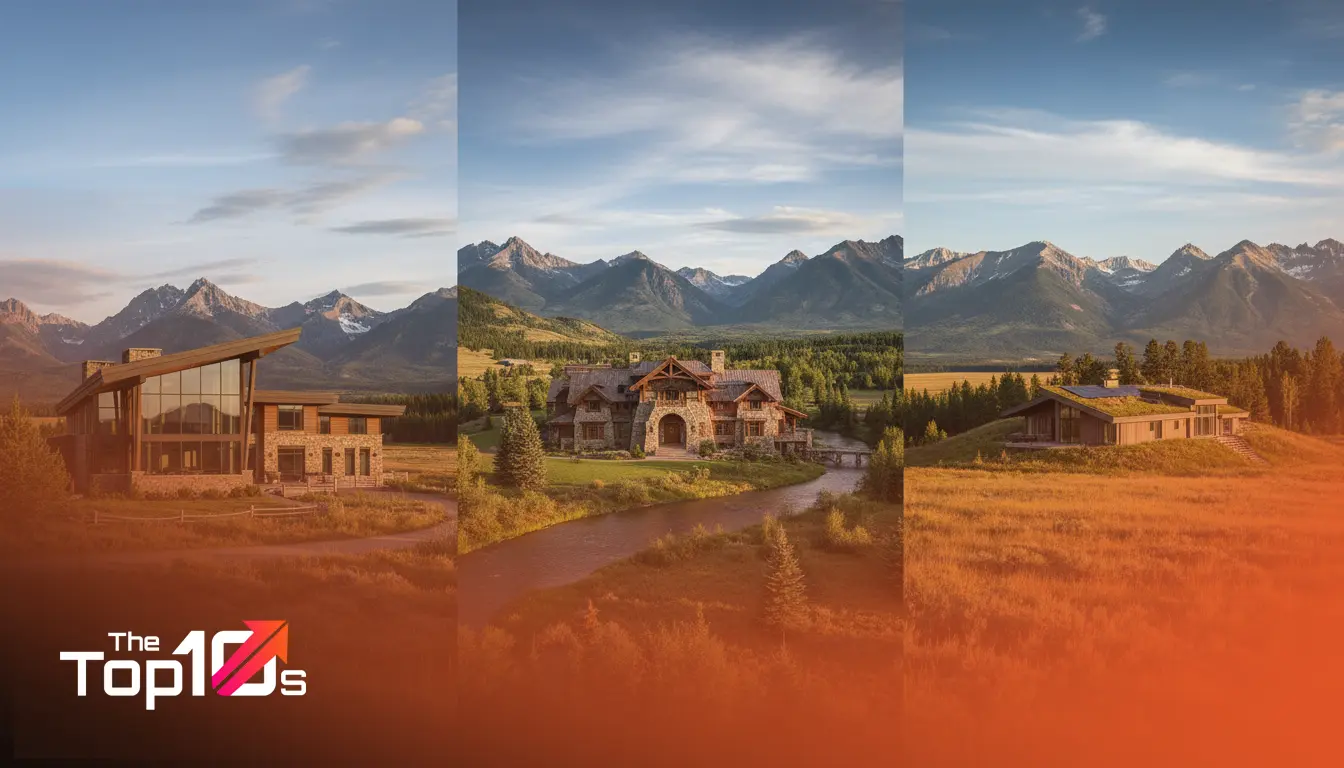
Choosing an architect in Montana is a decision that shapes more than just a building; it shapes an experience. In a state defined by its dramatic landscapes, from the sweeping valleys of the Gallatin to the rugged peaks of the Absarokas, architecture must do more than provide shelter. It must respond to the environment, honor the regional character, and fulfill the unique vision of its inhabitants. The right architectural professional serves as a creative partner and a technical guide, translating abstract ideas into tangible, functional, and enduring structures.
Navigating this process requires a partner with a deep understanding of Montana’s specific challenges and opportunities. This includes expertise in local zoning laws, material sourcing for remote locations, and designing for a climate of extremes. An experienced architect balances aesthetic ambition with pragmatic execution, ensuring that a project is not only beautiful but also buildable, sustainable, and within budget. Their ability to coordinate with engineers, contractors, and regulatory bodies is crucial for a smooth and successful outcome, making the selection process a foundational investment in your project’s future.
How We Identified Leading Architects
To assemble this guide, our analysis focused on identifying architectural professionals and firms with a significant and reputable presence in Montana. This process was grounded in a careful review of publicly available information, reflecting a commitment to presenting a balanced and informative overview. We did not conduct direct interviews or verifications but instead gathered insights from a wide range of professional signals.
Our methodology considered several key factors. We looked at the depth and breadth of a firm’s portfolio, noting specializations in areas like mountain modern residential, sustainable commercial development, or historic preservation. The professional background of principal architects, including their education and licensure information, was a component of our research. Furthermore, we assessed the general sentiment of client feedback and peer recognition within the regional design and construction community. This approach allows us to highlight architects who are not only creatively accomplished but are also recognized for their familiarity with Montana’s unique building codes, environmental regulations, and construction logistics.
Top 10 Architects in Montana
Pearson Design Group
Based in Bozeman, Pearson Design Group has cultivated a distinguished reputation for creating architecture that feels deeply connected to the Western landscape. Their work often involves a sophisticated blend of rustic and modern elements, using materials like reclaimed timber, natural stone, and expansive glass to blur the lines between indoors and out. With several decades of experience, the firm demonstrates a masterful understanding of scale, proportion, and site integration.
Their strength lies in crafting bespoke, luxury residential homes that are both grand in vision and intimate in detail. They are known for a collaborative process that results in spaces that are highly personalized and reflective of their clients’ lifestyles.
Best suited for: Clients seeking a signature mountain home that combines timeless rustic character with contemporary luxury and a profound connection to the natural environment.
CTA Architects Engineers
With a history extending back many decades, CTA Architects Engineers is a large, multi-disciplinary firm with a significant footprint across Montana and beyond. Their portfolio is remarkably diverse, spanning commercial, healthcare, government, and educational sectors. This breadth of experience provides them with a robust technical foundation and the ability to manage large-scale, complex projects from conception to completion.
CTA’s integrated approach, combining architecture and engineering under one roof, streamlines coordination and problem-solving. They are well-versed in the latest building technologies and sustainable design principles, often pursuing certifications like LEED for their projects.
Best suited for: Commercial developers, public institutions, and businesses in need of a full-service firm with deep technical expertise and a proven track record in managing complex, large-scale developments.
Locati Architects & Interiors
Locati Architects & Interiors offers a holistic approach to design, seamlessly integrating architectural services with interior design. This ensures a cohesive vision from the building’s structure down to the finest interior details. Located in Bozeman, their work is prominent in high-end residential communities and is characterized by a warm, inviting aesthetic that balances comfort with sophistication.
The firm has extensive experience designing a wide range of styles, from traditional log homes to clean, contemporary structures. Their ability to manage both the architectural and interior design processes provides clients with a streamlined and unified creative experience, resulting in homes that feel complete and thoughtfully curated.
Best suited for: Homeowners looking for a comprehensive, integrated design experience where architecture and interior design are developed in harmony to create a fully resolved living environment.
Miller Roodell Architects
Miller Roodell Architects is celebrated for its client-centric approach and its focus on creating finely crafted residential and ranch architecture. With offices in Bozeman and Jackson, they possess a keen sensitivity to the specific contexts of the Northern Rockies. Their designs are noted for their thoughtful siting, attention to detail, and use of high-quality, durable materials that age gracefully.
The firm’s principals are known for being personally involved in their projects, fostering strong client relationships. This hands-on style ensures that the final product is a true reflection of the homeowner’s vision, executed with technical precision and artistic integrity.
Best suited for: Individuals and families desiring a deeply collaborative design process resulting in a custom home or ranch compound distinguished by its craftsmanship and timeless appeal.
Cushing Terrell
As another major multi-disciplinary firm with deep roots in Montana, Cushing Terrell has grown to offer a vast array of services, including architecture, engineering, and interior design. Their work encompasses a wide spectrum, from retail and office spaces to public schools and residential projects. This diversity gives them a unique perspective on how different environments function and interact.
A notable strength of Cushing Terrell is its commitment to sustainable and performance-driven design. They often leverage advanced modeling and data analysis to optimize building efficiency, comfort, and long-term value for their clients, making them a leader in forward-thinking architectural solutions.
Best suited for: A broad range of clients, from commercial and institutional developers to homeowners, who value an integrated, data-informed approach to design and sustainability.
Intrinsik Architecture
For those drawn to clean lines and modern forms, Intrinsik Architecture in Bozeman offers a compelling design voice. The firm specializes in contemporary architecture that is both innovative and highly responsive to its site and climate. Their projects often feature bold geometric forms, an honest expression of materials, and a clever use of natural light.
Rather than imposing a preconceived style, Intrinsik’s process is about discovering a design solution that is intrinsic to the project’s unique circumstances. This results in buildings that feel original, thoughtful, and perfectly suited to their purpose and place in the Montana landscape.
Best suited for: Clients with a modern aesthetic who are looking for an architect to create a unique, site-specific home or building that challenges conventional design tropes.
Centre Sky Architecture
With a focus on mountain architecture, Centre Sky Architecture has offices in Big Sky and Whitefish, placing them at the heart of some of Montana’s most iconic landscapes. The firm is dedicated to creating designs that are environmentally sensitive and contextually appropriate. They have a strong portfolio of projects that achieve high levels of energy efficiency and sustainability, including many LEED-certified homes.
Their expertise extends to navigating the complexities of building in challenging mountain environments, from dealing with steep slopes and heavy snow loads to maximizing views and solar exposure. This technical proficiency is matched by a refined design sensibility.
Best suited for: Environmentally-conscious clients building in mountain resort areas who prioritize sustainable design, energy performance, and a seamless integration with rugged terrain.
Reid Smith Architects
Reid Smith Architects has made a name for itself through its dedication to creating distinctive, high-end custom homes. Their work is characterized by a clean, sophisticated style that can be described as “mountain contemporary.” They excel at creating open, light-filled spaces that feel both expansive and welcoming, often using a palette of natural wood, stone, and steel.
The firm is known for its meticulous attention to detail and its ability to execute complex designs with precision. Their collaborative approach with builders and craftspeople ensures a high level of quality and a final product that is both beautiful and built to last.
Best suited for: Homeowners seeking a refined and elegant contemporary home that emphasizes clean design, high-quality execution, and a strong connection to the outdoors.
Bechtle Architects
Located in Livingston, Bechtle Architects has a long-standing history of providing architectural services for a variety of project types, including residential, commercial, and civic buildings. Their work is grounded in a practical and responsible design philosophy, aiming to create structures that are functional, durable, and respectful of their community and historical context.
The firm’s deep local roots give them an invaluable understanding of the regional culture and building traditions. They have a reputation for being reliable, thorough, and adept at navigating the local planning and approval processes, making them a trusted partner for community-oriented projects.
Best suited for: Clients seeking a pragmatic and experienced firm for community, commercial, or residential projects that require a deep understanding of the local context and a focus on long-term value.
Studio H Design
As a smaller, boutique firm, Studio H Design offers a highly personalized and creative approach to architecture. Based in Bozeman, they focus on modern residential and small commercial projects, bringing a fresh and artistic perspective to their work. Their designs are often playful yet sophisticated, characterized by innovative use of materials and a keen eye for composition.
Working with a smaller studio often means more direct contact with the principal architect throughout the design and construction process. This fosters a close partnership and allows for a high degree of customization and creative exploration.
Best suited for: Clients who value a close, collaborative relationship with their architect and are looking for a creative, artful, and uniquely modern design solution for their home or business.
What Defines a Great Architect in Montana?
In Montana, a great architect does more than design four walls and a roof; they act as an interpreter of both the client’s dream and the land’s character. The state’s architectural identity is a rich tapestry of styles, from historic log structures and traditional ranch aesthetics to bold mountain modernism. A leading professional understands this spectrum and can either work within a chosen style or blend elements to create something entirely new and appropriate.
Key attributes of a top-tier Montana architect include:
- Site-Specific Design: The ability to analyze a property’s topography, views, solar orientation, and prevailing winds to position and shape a building in a way that maximizes its potential and minimizes its environmental impact.
- Material Knowledge: Deep familiarity with materials that can withstand Montana’s harsh weather cycles, such as heavy snow, high winds, and intense sun. This includes expertise in sourcing local stone, sustainable timber, and durable metals.
- Technical Proficiency: A firm grasp of the engineering principles required for building in this region, including designing for heavy snow loads on roofs, understanding wildfire mitigation strategies, and planning for the logistics of construction on remote sites.
- Collaborative Spirit: Exceptional architecture is rarely the product of a single mind. The best architects are skilled communicators and collaborators, working closely with clients, engineers, landscape architects, and builders to ensure the design intent is realized with precision and care. While design challenges may be complex, understanding how professionals in other regions tackle different obstacles, like those faced by the top 10 architects in Missouri, highlights the importance of localized expertise.
How to Choose the Right Architect for Your Needs
Selecting the right architect is a critical step that sets the tone for your entire project. This decision should be approached with diligence and a clear understanding of your own goals. Here is a practical guide to help you find the best fit.
Define Your Project and Vision
Before you begin your search, take time to outline your project’s scope, budget, and aesthetic preferences. Create a list of needs (e.g., number of bedrooms, functional requirements) and wants (e.g., specific materials, a certain feeling or style). The clearer your vision, the easier it will be to find an architect who aligns with it.
Research and Review Portfolios
Examine the online portfolios of potential architects. Look for consistency in quality and a design sensibility that resonates with you. Pay attention to the types of projects they feature. Does their work demonstrate experience with projects of a similar scale and complexity to yours? Don’t just look at the photos; read the project descriptions to understand the problems they were trying to solve.
Conduct Interviews
Narrow your list to two or three architects and schedule a meeting with each. This is your opportunity to gauge their communication style, professionalism, and enthusiasm for your project. Prepare a list of questions to ask, such as:
- What is your design philosophy and process?
- How do you approach budgeting and project timelines?
- Who will be my primary point of contact at the firm?
- How do you handle client feedback and design revisions?
- Can you provide references from past clients with similar projects?
Check References and Past Projects
Speaking with a past client can provide invaluable insight into what it’s like to work with the architect. Ask about their experience regarding communication, budget adherence, and problem-solving. If possible, visit one of the architect’s completed buildings to experience the quality of the space firsthand.
Frequently Asked Questions
What are the typical architectural fees in Montana?
Architectural fees can vary significantly based on the project’s complexity, scope, and the architect’s experience. Fees are often structured as a percentage of the total construction cost (typically ranging from 8% to 15%), a fixed fee, or an hourly rate. It is essential to discuss and clarify the fee structure before signing a contract.
How do architects in Montana address the challenges of building in remote locations?
Experienced local architects plan for logistical challenges from the outset. This includes assessing site accessibility for construction vehicles, planning for utility connections (or off-grid systems), sourcing materials that can be transported efficiently, and designing foundations and structures appropriate for the specific terrain and soil conditions.
Do I need an architect for a small remodel or addition?
While not always legally required for very small projects, hiring an architect for a remodel or addition can add tremendous value. They can help maximize the functionality and aesthetic of the new space, ensure it integrates seamlessly with the existing structure, and navigate the building permit process.
What is the difference between an architect and a home designer or drafter?
A licensed architect has completed a professional degree, fulfilled a rigorous internship, and passed a series of comprehensive exams. They are qualified to design a wide range of buildings and are legally responsible for the public’s health, safety, and welfare. A designer or drafter may have design skills but typically does not have the same level of education, licensure, or legal liability.
How long does the design phase of a custom home typically take?
The design process for a custom home in Montana can take anywhere from 6 to 12 months, or even longer for highly complex projects. This timeline includes schematic design (initial concepts), design development (refining the design), and the creation of detailed construction documents that will be used for permitting and building.
Conclusion
The journey of creating a new home or building in Montana is a significant endeavor, one that is profoundly influenced by the expertise and vision of your chosen architect. The right professional does more than draw plans; they become a trusted advisor, a creative problem-solver, and the steward of your vision. By carefully researching their portfolios, understanding their design philosophies, and ensuring a strong personal connection, you can forge a partnership that will translate your aspirations into a structure that is not only beautiful and functional but also a lasting and meaningful addition to the Montana landscape.