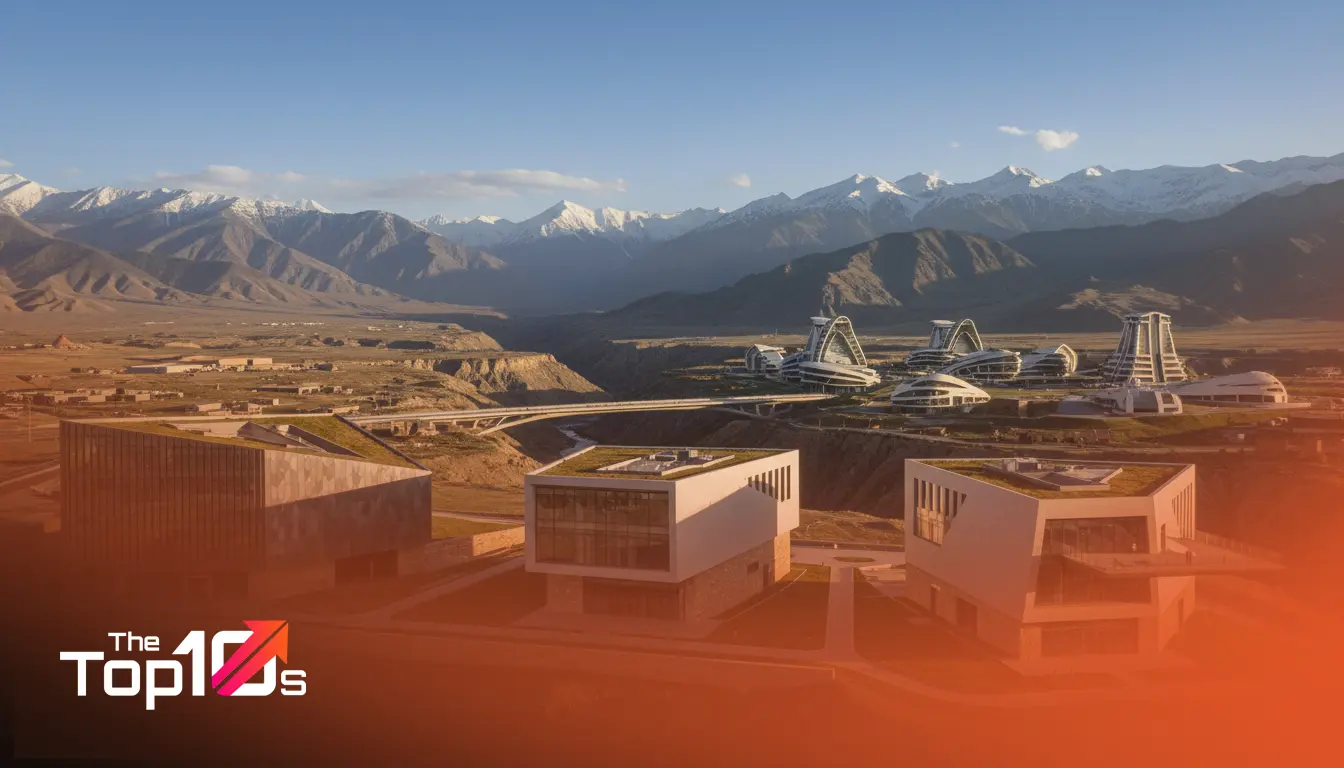
You might notice something interesting if you walk through the streets of Dushanbe today. The skyline is shifting. It’s no longer just about Soviet-era Brutalism or traditional teahouse aesthetics; there is a massive wave of modernization sweeping through Tajikistan. But here is the catch: with rapid construction comes the challenge of quality control. Finding someone who can design a building that looks stunning and withstands the region’s seismic activity is not as simple as a quick Google search.
Choosing the right design partner is perhaps the single most critical financial decision you will make during a construction project. Whether you are planning a commercial complex in the capital or a private residence in the scenic Varzob Valley, the gap between a mediocre blueprint and a masterful execution is huge. It often means the difference between a project that finishes on budget and one that becomes a money pit.
We have analyzed the local market to help you navigate this developing sector. We looked past the glossy renders to find professionals who understand local regulations, supply chains, and the unique cultural fabric of Central Asia.
Quick Takeaways: Hiring Talent in Tajikistan
- Seismic Safety is Non-Negotiable: Tajikistan sits in a seismically active zone. Your architect must prioritize structural integrity over aesthetics.
- Local Bureaucracy Matters: The approval process in Dushanbe can be complex. Choose a professional who has a track record of getting permits approved.
- Cultural Context: The best designers blend modern functionality with Tajik heritage and Persian motifs, rather than just copying Western glass towers.
- Full-Service vs. Design-Only: Clarify early if you need someone to manage the construction site or just provide the drawings.
How We Identified Leading Architects
Ranking creative professionals is never purely objective, but we established a rigorous framework to ensure this list reflects genuine reliability rather than just marketing hype. Our selection methodology focuses on the “buildability” of designs—meaning, does the architect create plans that can actually be built within the local constraints?
We examined several key indicators. First, we looked at longevity and presence. Firms and individuals who have weathered the economic fluctuations of the region tend to offer more stability for clients. Second, we assessed portfolio diversity. We prioritized professionals who show competence across different building types, from high-rise residential to detailed interior renovations.
Finally, we considered reputation within the construction community. Architects do not work in a vacuum; they need to collaborate with engineers and contractors. Professionals who are respected by the people pouring the concrete usually deliver the best results for the client. The names on this list represent a mix of established veterans and innovative design studios pushing the boundaries of Tajik architecture.
Top 10 Architects In Tajikistan
The following professionals and design studios represent the upper echelon of architectural talent currently operating in the region. They vary in style and specialization, but all share a commitment to elevating the built environment of Tajikistan.
1. Simmetriya Design Group
Simmetriya stands out as a heavyweight in the Dushanbe architectural scene. They have built a reputation for handling large-scale, complex projects that require significant technical coordination. Their work often involves major urban landmarks and commercial centers, making them a go-to for corporate developers.
What separates Simmetriya is their ability to merge contemporary glass-and-steel aesthetics with the monumental scale often preferred in Central Asian urban planning. They don’t just design buildings; they design districts. Their team structure allows them to handle everything from initial concept to detailed engineering oversight.
Best Suited For: Large commercial developers and government infrastructure projects requiring a full-service team.
2. Manzara Architecture Studio
If you are looking for a more boutique approach, Manzara offers a distinct perspective. This studio focuses heavily on residential comfort and modern interior flows. They understand that a home in Tajikistan needs to handle hot summers and cold winters, prioritizing thermal efficiency in their designs.
Their design philosophy tends to be cleaner and more minimalist than the ornate styles of the past. They use space efficiently, which is increasingly important as real estate prices in the capital rise. Manzara’s portfolio shows a strong command of natural light and ventilation.
Best Suited For: Private homeowners wanting a modern, energy-efficient villa or apartment renovation.
3. Giprostroy (State Design Institute Professionals)
While Giprostroy is a large institute, the senior architects operating within this ecosystem are the guardians of technical standards in the country. Many of the most experienced independent architects in Tajikistan cut their teeth here. Hiring a senior professional with a Giprostroy background ensures an unparalleled knowledge of building codes and seismic regulations.
These architects value function and safety above all else. You might not get the most avant-garde, experimental shapes, but you will get a building that will stand for 100 years. Their mastery of structural engineering concepts is their primary selling point.
Best Suited For: Institutional projects, schools, hospitals, and clients prioritizing structural safety and code compliance.
4. Arc-D Studio
Arc-D represents the new wave of Tajik design. They are increasingly popular among younger business owners and the hospitality sector (restaurants, cafes, hotels). Their designs often feature “Instagrammable” moments—striking visual elements that draw attention.
However, they back up the visuals with solid spatial planning. They are particularly skilled at adaptive reuse—taking an older, possibly Soviet-era shell and transforming it into a vibrant, modern commercial space. This requires a unique problem-solving skillset that differs from building from scratch.
Best Suited For: Restaurant owners, retail businesses, and boutique hotel developers.
5. Farodis Architects
Farodis has carved out a niche in the luxury segment. Their work often incorporates traditional Persian geometry and local materials but executes them with modern precision. They are known for high-end residential compounds where privacy and grandeur are the main goals.
The firm excels in detailing. Where other architects might leave the specifics of stone cladding or window treatments to the contractor, Farodis tends to specify every inch. This results in a higher quality finish, provided the client has the budget to execute it.
Best Suited For: Luxury residential estates and high-end corporate headquarters.
6. Global Architecture (Regional Branch)
Given the influx of international investment, several regional partnerships operate under banners like Global Architecture. These entities often pair Tajik architects with partners from Turkey or China. The advantage here is the access to global supply chains and modern construction technologies that might be scarce locally.
The local architects within these firms act as the bridge, ensuring that international designs actually work within the Tajik context. They are excellent at managing expectations and navigating the logistics of importing specific building materials.
Best Suited For: Investors and expatriates looking for international standards and finishes.
7. Soliya Design
Soliya is a name often whispered in circles that appreciate subtle elegance. Unlike the flashy new towers, Soliya’s projects tend to be grounded and earthy. They use local stone and wood extensively, creating buildings that feel like they grew out of the landscape rather than being dropped onto it.
This approach is excellent for projects in the mountainous regions outside the capital. They have a sensitivity to topography, ensuring that hillside builds remain stable and take advantage of the stunning views Tajikistan offers.
Best Suited For: Vacation homes, mountain resorts, and eco-tourism projects.
8. Urban Project Tajikistan
As Dushanbe expands, urban planning becomes crucial. Urban Project focuses on how buildings interact with the street. They are the top choice for mixed-use developments—projects that combine retail on the bottom with apartments on top.
Their architects are skilled at maximizing rentable square footage without creating cramped, unlivable spaces. They understand flow—how people move cars and foot traffic through a site—which is vital for any commercial success.
Best Suited For: Mixed-use developers and commercial real estate investors.
9. Ziroat Eco-Architects
Sustainability is a growing concern, and Ziroat is at the forefront of this conversation in Tajikistan. They specialize in green architecture, focusing on passive cooling techniques that reduce the need for air conditioning—a major operational cost in Dushanbe’s hot summers.
They are technically proficient in water management systems and energy-efficient insulation. While their upfront design costs might be higher due to the specialized modeling required, the long-term savings for the building owner are substantial.
Best Suited For: Environmentally conscious clients and NGOs.
10. The Independent Consultant Network
Finally, it is worth noting that some of the best talent in Tajikistan operates independently rather than under a firm name. These are often professors from the Tajik Technical University or semi-retired senior architects. They work on a consultancy basis.
Hiring an independent senior consultant offers a mentorship aspect to your project. They act as the client’s representative, double-checking the work of contractors and ensuring the vision is maintained. They offer wisdom and oversight that money can’t buy in a standard firm structure.
Best Suited For: Owner-builders who need an expert advisor rather than a full production team.
What Defines a Great Architect in Tajikistan?
Architecture in this region is about more than just drawing lines on paper. A truly great architect in Tajikistan acts as a diplomat between tradition and the future.
Mastery of Context
The best professionals respect the local climate. Tajikistan has a continental climate with extreme temperature variations. A great design considers solar gain in the summer and insulation in the winter. If an architect shows you a glass box without explaining how they plan to cool it, be wary.
Seismic Responsibility
This cannot be overstated. The region is prone to earthquakes. Top-tier architects work hand-in-glove with structural engineers. They don’t treat columns and beams as annoyances to be hidden; they treat them as essential life-saving components. They know which materials have the flexibility to absorb shocks and which will crack under pressure.
Regional Connectivity
Understanding the broader Central Asian context is also valuable. Trends often flow between neighbors. If you are looking at regional development, it’s worth comparing local talent with neighboring markets. For instance, the Top 10 Architects in Kyrgyzstan offer a different perspective on Central Asian design, often sharing similar climatic challenges but with different stylistic influences.
How to Choose the Right Architect for Your Needs
Selecting from the list above requires looking at your specific project constraints. Here is a framework to help you decide.
1. Define Your Scope Clearly
Do you need someone to handle the permits? In Tajikistan, the bureaucratic phase can take longer than the design phase. Some architects have “fixers” or specialists who handle city approvals. If you are unfamiliar with local laws, hiring a firm with this capability is worth the extra cost.
2. Request a Site Visit Before Signing
Never hire an architect who provides a quote without seeing the land. The topography in Dushanbe and surrounding areas varies wildly. A professional needs to see the slope, the soil conditions, and the neighboring structures to give you an honest assessment.
3. Review Past “Built” Work
Computer renderings can be deceiving. Ask to see photos of buildings that have been standing for at least three years. How is the façade aging? Are there cracks in the plaster? This reveals whether the architect understands material durability in the local climate.
4. Communication Style
Construction projects endure high-stress moments. You need an architect who communicates bad news quickly and honestly. During your initial interview, ask them about a time something went wrong on a site and how they fixed it. Their answer will tell you more about their character than their portfolio will.
Frequently Asked Questions
Do I need a licensed architect for residential renovations in Tajikistan?
For minor cosmetic changes, no. However, if you are moving walls, changing structural elements, or altering the façade of a building in Dushanbe, you generally need professional plans to get approval from the city architecture department. It is safer to consult a professional to avoid fines later.
How much do architects charge in Tajikistan?
Fees vary significantly based on reputation. Some firms charge a percentage of the total construction cost (usually between 3% and 8%), while others charge a fixed fee per square meter for the design package. Always clarify if the fee includes site supervision or just the drawings.
Can foreign architects work in Tajikistan?
Yes, but they usually need to partner with a local licensed firm to stamp the drawings and submit them for city approval. The local partner ensures the international design meets Tajik building codes and seismic standards.
What is the biggest challenge for construction in Dushanbe?
Beyond seismic concerns, supply chain logistics can be tricky. High-quality finishing materials often need to be imported. A good architect will know what materials are available locally versus what needs to be ordered months in advance.
How long does the design process usually take?
For a standard private home, expect the design phase to take 2 to 4 months. For larger commercial projects, it can take 6 months or more, especially when factoring in the time required for government permits and engineering checks.
Final Thoughts on Building in Tajikistan
Building in Tajikistan is an adventure that offers incredible rewards. The landscape provides a dramatic backdrop that few other countries can match. However, the success of your project hinges on the team you assemble. The architects listed here represent the best of the local industry—professionals who have proven they can navigate the unique challenges of the region.
Don’t rush the selection process. Meet with multiple firms, look at their actual built work, and trust your gut regarding communication. A great architect is not just a designer; they are your advocate, your planner, and your partner in creating something lasting.