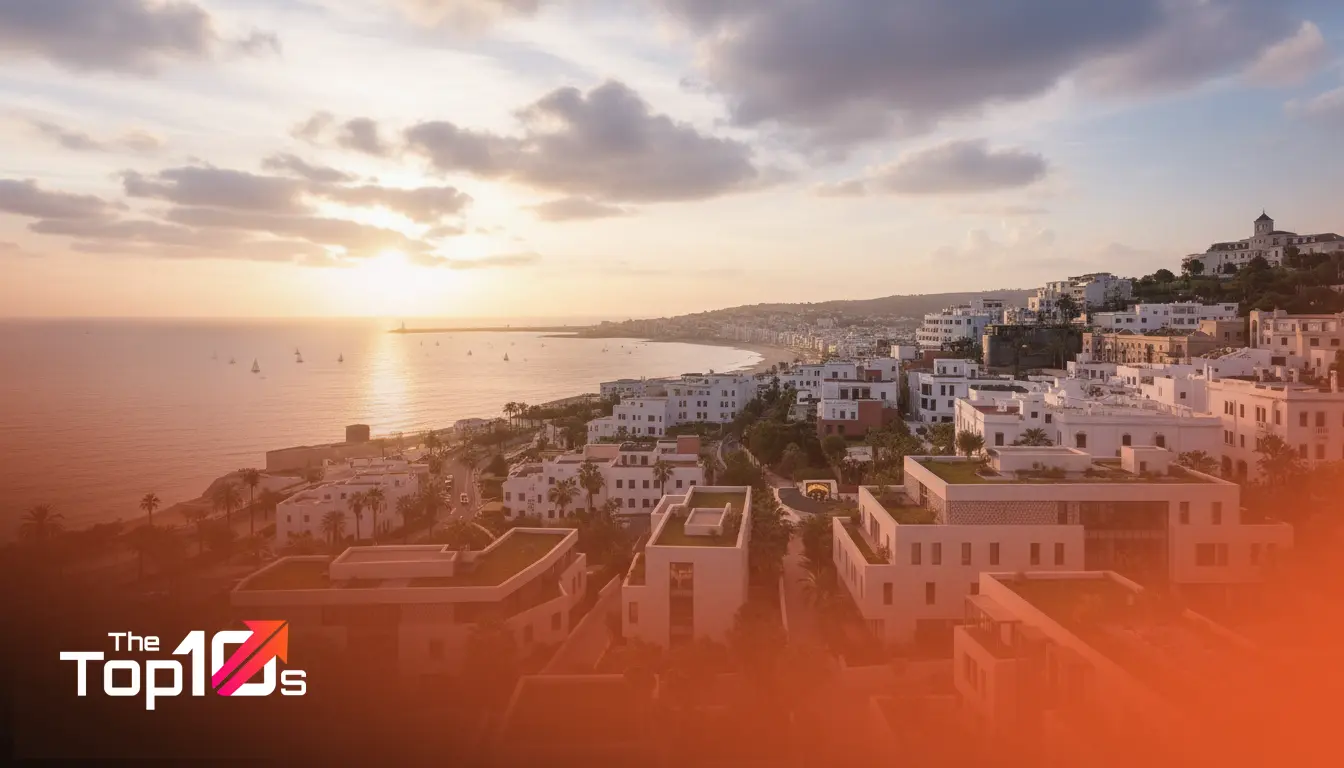
Walk through the hills of the Kasbah or drive along the expanding Corniche, and you’ll notice something distinct about Tangier. It isn’t just a city of history; it is a canvas of rapid transformation. The light here has captivated artists for a century, but today, it is the structural professionals who are shaping the city’s skyline. Finding the right creative partner to navigate the local terrain—both the physical slopes and the bureaucratic ones—is the single most critical step in your construction journey.
You might be wondering why specific local experience matters so much here. Tangier sits at a unique geographic crossroads. The wind, the humidity, and the specific zoning laws of the North require a technical finesse that goes beyond making a pretty rendering. You aren’t just hiring someone to draw lines; you are hiring a guide to lead you through regulations, contractor disputes, and material selection.
Quick Takeaways: Hiring in Tangier
- Local Code Mastery: Tangier has specific zoning restrictions, particularly near the coast and historical zones.
- The “Chergui” Factor: Experienced local designers know how to orient buildings to manage the strong easterly winds.
- Fee Structures: Most professionals charge a percentage of the total construction cost (usually between 5% and 10%), though flat fees exist for smaller renovations.
- Full Service: Look for firms that handle “suivi de chantier” (site supervision), not just the permit drawings.
How We Identified Leading Architects
Selecting the names for this list wasn’t about finding the firms with the flashiest Instagram accounts. We looked for substance. Our evaluation focused on professionals who have demonstrated a consistent ability to deliver projects that stand the test of time. In the construction industry, reputation is currency.
We analyzed public portfolios to understand design versatility. A firm that excels at high-tech commercial buildings in the Free Zone might not be the right fit for a sensitive Riad restoration in the Medina. We also considered their standing with the Ordre National des Architectes (the regulatory body in Morocco), their longevity in the market, and feedback regarding their project management skills. The goal was to find a mix of established veterans and innovative studios that are currently defining the aesthetic of Northern Morocco.
List of 10 Best Architects in Tangier
| Rank | Name | Best for |
|---|---|---|
| 1 | Cabinet Omar Hssain | Contemporary Residential & High-End Villas |
| 2 | Yassir Khalil Studio | Urban Design & Cultural Projects |
| 3 | Atelier d’Architecture Khalid Molato | Commercial Complexes & Mixed-Use Buildings |
| 4 | Cabinet Lazrak | Modern Moroccan & Renovation |
| 5 | Nabil Lahlou Architectes | Industrial & Corporate Architecture |
| 6 | Zineb El Alami | Interior Architecture & Boutique Residential |
| 7 | Cabinet Abdelouahab Benbrahim | Diverse Residential & Administrative |
| 8 | Karim Chakor | Eco-conscious Design & Landscape Integration |
| 9 | Groupe 3 Architectes (Regional Projects) | Large Scale Public Works & Education |
| 10 | Cabinet Said Berrada | Luxury Real Estate & Resorts |
Top 10 Architects in Tangier
Here are ten architectural practices in Tangier that have earned respect through built work and design integrity.
1. Cabinet Omar Hssain
Specialization: Contemporary Residential & High-End Villas
Omar Hssain has carved out a reputation for clean lines and modern geometry. His work often features a masterful use of white volumes and glass, creating spaces that feel open and airy—perfect for the Mediterranean light. The studio avoids unnecessary ornamentation, focusing instead on spatial flow and functional luxury.
Who this is for: If you own a plot of land in areas like La Montagne or Malabata and want a villa that looks like it belongs on the cover of a design magazine, this studio is a strong contender.
2. Yassir Khalil Studio
Specialization: Urban Design & Cultural Projects
This practice is often associated with thoughtful, context-aware architecture. Yassir Khalil brings a sensitivity to his projects that balances modern requirements with the cultural weight of Tangier. His portfolio suggests a deep understanding of how public and private spaces intersect, often utilizing local materials in new, innovative ways.
Who this is for: Developers or institutions looking for a building that makes a statement without shouting. It is ideal for projects that need to integrate seamlessly into an existing urban fabric.
3. Atelier d’Architecture Khalid Molato
Specialization: Commercial Complexes & Mixed-Use Buildings
Khalid Molato’s firm is known for handling scale. Whether it is an office building or a multi-unit residential complex, this team understands the logistics of larger developments. Their designs prioritize efficiency and structural logic, ensuring that the aesthetic vision doesn’t compromise the building’s commercial viability.
Who this is for: Investors and business owners who need a partner capable of navigating complex technical requirements and tight deadlines.
4. Cabinet Lazrak
Specialization: Modern Moroccan & Renovation
There is a distinct elegance to Cabinet Lazrak’s approach. They manage to retain a Moroccan soul in their designs without resorting to clichés. You will often see modern interpretations of traditional elements, such as mashrabiya screens used for sun control or interior courtyards adapted for modern living.
Who this is for: Homeowners who want a space that feels authentically Moroccan but functions with the ease of a modern European home.
5. Nabil Lahlou Architectes
Specialization: Industrial & Corporate Architecture
With Tangier becoming a major industrial hub, firms like Nabil Lahlou’s are essential. This practice excels in designing functional, robust structures that serve the needs of the city’s growing economic sector. Their work demonstrates that industrial buildings can possess architectural merit through rhythm, proportion, and material choice.
Who this is for: Companies setting up operations in the Tangier Free Zone or surrounding industrial parks requiring precise, regulation-compliant planning.
6. Zineb El Alami
Specialization: Interior Architecture & Boutique Residential
Zineb El Alami brings a meticulous eye for detail to her projects. Her work often blurs the line between architecture and interior design, ensuring that the shell of the building and the living experience within are perfectly aligned. The studio is known for creating warm, textured environments that feel personal and curated.
Who this is for: Clients who care as much about the texture of the walls and the lighting plan as they do about the exterior facade.
7. Cabinet Abdelouahab Benbrahim
Specialization: Diverse Residential & Administrative
A veteran presence in the Tangier architectural scene, this cabinet has a broad portfolio. They have successfully delivered everything from administrative headquarters to private residences. Their strength lies in their adaptability and deep knowledge of local construction methodologies, which minimizes surprises during the build phase.
Who this is for: Clients seeking a safe, experienced pair of hands that has seen it all and can troubleshoot issues before they become expensive problems.
8. Karim Chakor
Specialization: Eco-conscious Design & Landscape Integration
Karim Chakor’s work often reflects a desire to harmonize with the natural environment. In a city where green space is becoming precious, his designs frequently incorporate gardens, terraces, and natural ventilation strategies. The aesthetic is often organic, utilizing stone and wood to ground the structures.
Who this is for: Eco-conscious homeowners who want to minimize their carbon footprint while maximizing their connection to nature.
9. Groupe 3 Architectes (Regional Projects)
Specialization: Large Scale Public Works & Education
While they operate nationally, their impact on the northern region is significant. This group is behind some of the country’s most impressive infrastructure and educational facilities. They bring a level of organizational rigor and design daring that is hard to match for massive projects.
Who this is for: Institutional clients or government bodies planning landmark projects that require a large team and extensive resources.
10. Cabinet Said Berrada
Specialization: Luxury Real Estate & Resorts
Said Berrada creates architecture that feels like a retreat. His designs are often characterized by expansive glass walls, infinity pools, and a resort-like atmosphere, even in private homes. The focus here is on “art de vivre”—creating spaces that facilitate a high-end lifestyle.
Who this is for: Those looking to build a primary or secondary residence that feels like a permanent vacation spot.
What Defines a Great Architect in Tangier?
Tangier is not Casablanca, and it certainly isn’t Paris. A truly great architect here needs to understand the “genius loci”—the spirit of the place. The topography creates unique challenges; many plots are on steep inclines requiring sophisticated structural engineering and drainage solutions.
Furthermore, climate responsiveness is non-negotiable. The city faces the Atlantic and the Mediterranean, meaning high humidity and salt air. A skilled professional specifies materials that won’t degrade in five years—choosing the right aluminum for windows and proper sealants for facades. If you are comparing regional styles, checking the top 10 architects in Marrakech offers an interesting contrast, as designs there focus more on heat retention and arid climate adaptation, whereas Tangier is about wind and moisture management.
Finally, they must be diplomats. Getting a building permit involves navigating the Agence Urbaine and various local councils. A great architect knows the regulations inside out and respects the zoning laws that protect the city’s unique visual heritage.
How to Choose the Right Architect for Your Needs
Hiring a designer is a partnership that can last anywhere from one to three years. You need to like their work, but you also need to like them. Here is a framework to help you decide.
Ask About “Suivi de Chantier”
In Morocco, the design phase is only half the battle. Ask specifically if they perform site supervision. You want your architect visiting the site weekly to ensure the contractor isn’t cutting corners on steel reinforcement or concrete quality.
Clarify the Fee Structure
Don’t be shy about money. Ask if their fee covers 3D renderings, structural engineering (Bureau d’Études), and topographic surveys, or if those are extra costs. Typically, the architect’s fee is separate from the engineer’s fee.
Review Their “Finished” Portfolio
Renderings are easy to fake; photos of built projects are reality. Ask to visit a completed house or building. Look at the details: How do the skirting boards meet the floor? Is there cracking in the facade? These details reveal how well the architect manages quality control.
Frequently Asked Questions
Do I need an architect for a small renovation in Tangier?
For minor cosmetic changes (painting, tiling), usually no. However, if you are moving walls, changing the facade, or adding a floor, Moroccan law requires a permit, which must be submitted by a certified architect.
How much do architects in Tangier charge?
Fees generally range from 5% to 8% of the total construction cost (excluding land) for standard projects. For high-end luxury villas or complex restorations, fees can go up to 10% or 12% depending on the level of detail and interior design involvement.
Can an architect help me find a contractor?
Yes, and this is often their most valuable service. Experienced local architects have a shortlist of reliable contractors (entrepreneurs) they trust. This can save you from hiring builders who disappear halfway through the job.
What is the difference between the Architect and the Bureau d’Études?
The architect designs the aesthetics, layout, and function. The Bureau d’Études (engineering firm) calculates the structural stability (beams, pillars) to ensure the building is safe. You need both to get a permit.
How long does it take to get a building permit in Tangier?
Timelines vary wildly based on the complexity of the project and the location. It can take anywhere from two months for a simple villa to over six months for complex developments in sensitive zones.
Next Steps for Your Project
Your vision for a new property in Tangier deserves more than a hasty sketch on a napkin. The professionals listed above represent the best of what the region has to offer, combining technical prowess with artistic merit.
Don’t just email them. Call them. Schedule a consultation. Bring photos of the land and examples of styles you love. Pay attention to how they listen. The right architect will not just impose their style on you; they will take your lifestyle and the unique constraints of your land to create something that elevates both. The wind and light of Tangier are waiting—you just need the right person to build the frame.